

Red foxes
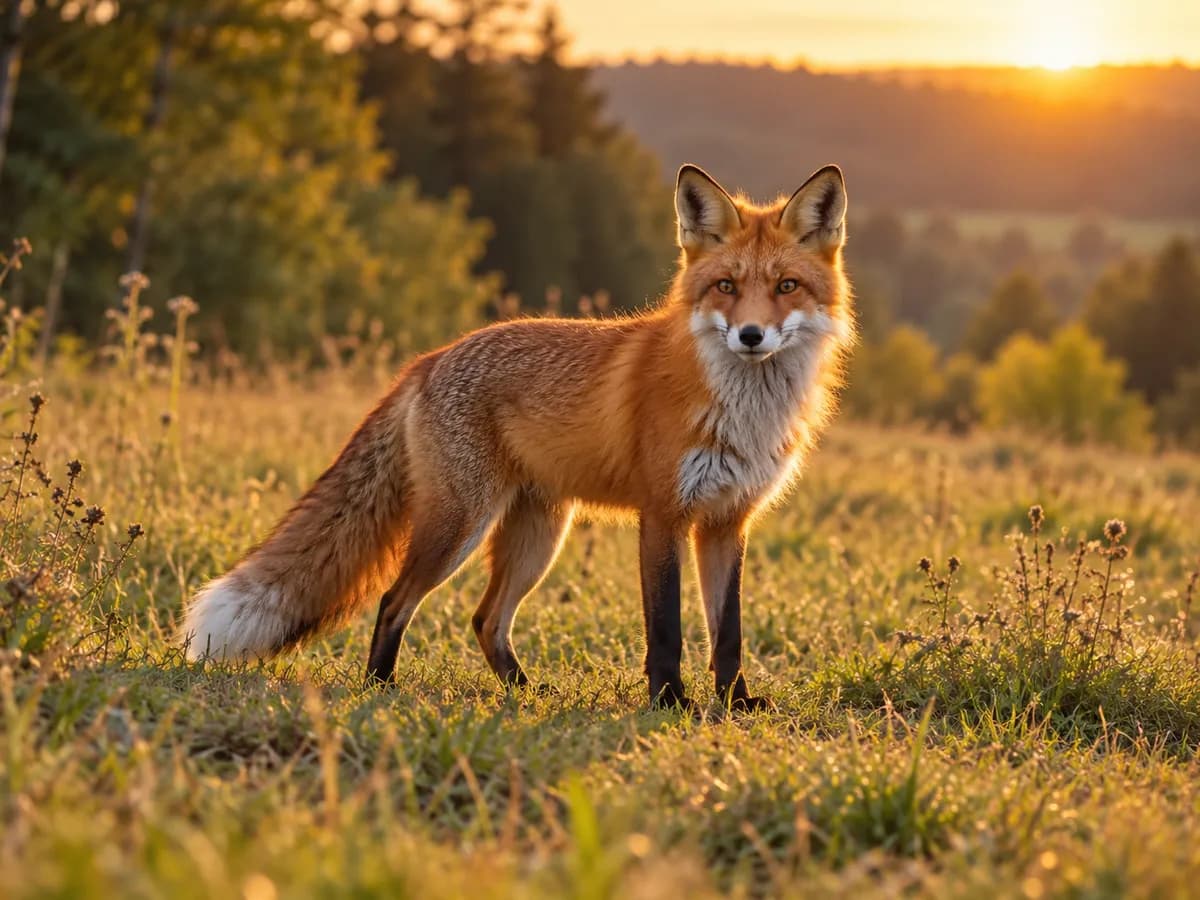
One of the most widespread carnivores in the world, the red fox adapts to everything from forests to town gardens. It can be seen in almost every region of Türkiye.
- Lunghezza
- 45–90 cm
- Peso
- 3–14 kg
- Longevità in natura
- 2–5 anni
- Stato di conservazione (IUCN)
- Minor preoccupazione (LC)
Valori indicativi per gli adulti; variano in base a sesso, sottospecie e popolazione.
In breve
I dati principali su Volpi rosse.
- Where does it live?It lives across much of the Northern Hemisphere: Europe, Asia, North America and North Africa.
- What does it eat?It is an omnivore.
- Behaviour and social lifeFoxes usually hunt alone but live as pairs and families during the breeding season.
- CubsIn spring, the female usually gives birth to 4–6 cubs in a den.
Approfondimento
In breve
- The red fox is one of the world's most widespread carnivores.
- It lives in almost every region of Türkiye.
- It is an omnivore that eats rodents, insects, fruit and carrion.
- It can locate prey under snow by sound and pounce on it from above.
- The IUCN lists it as Least Concern.
The red fox (Vulpes vulpes) is a member of the dog family known for its orange-red coat, bushy white-tipped tail and black "stockinged" legs. Coat colour varies by region, from pale yellow to deep red and even silver or black.
Where does it live?
It lives across much of the Northern Hemisphere: Europe, Asia, North America and North Africa. People also introduced it to Australia. It adapts to very different habitats, from forests and farmland to mountains and city parks. It is found almost everywhere in Türkiye.
What does it eat?
It is an omnivore. Small rodents such as mice and voles are its main prey; it also eats rabbits, birds, insects, earthworms, fruit and carrion. In towns it may also feed on rubbish and food scraps left by people.
Behaviour and social life
Foxes usually hunt alone but live as pairs and families during the breeding season. They are most active at dusk and at night. Their hearing is excellent: they can locate a mouse moving under snow or grass by sound and leap high to pounce on it.
Cubs
In spring, the female usually gives birth to 4–6 cubs in a den. Both parents help feed the cubs, and sometimes females from previous years help too.
Conservation status
The red fox is listed as Least Concern (LC) on the IUCN Red List. It is widespread and highly adaptable. In places where it was introduced, such as Australia, it is a serious threat to native wildlife.
Fun facts
- Foxes may use the Earth's magnetic field to aim their pounces; this is still being studied.
- In the cold, the tail is wrapped around the body like a blanket while sleeping.
- Urban foxes adapt to human routines and mostly move around at night.
Da sapere
I punti più importanti.
- Do not feed wild animalsDo not feed or try to touch foxes you see in town. Wild animals can carry diseases; if you are bitten or scratched, seek medical care immediately.
Animali simili
Altri animali dello stesso gruppo.
Rispetto per la natura, domani più forti
Proteggere la fauna selvatica è responsabilità di tutti.
Se trovi un animale selvatico ferito o un cucciolo, non toccarlo e avvisa l'ente locale per la tutela della natura. Più conoscenza, più consapevolezza.
- Rispetta gli habitat naturali
- Osserva gli animali da lontano
- Non lasciare rifiuti nella natura
- Sostieni un futuro sostenibile