
Chicken care
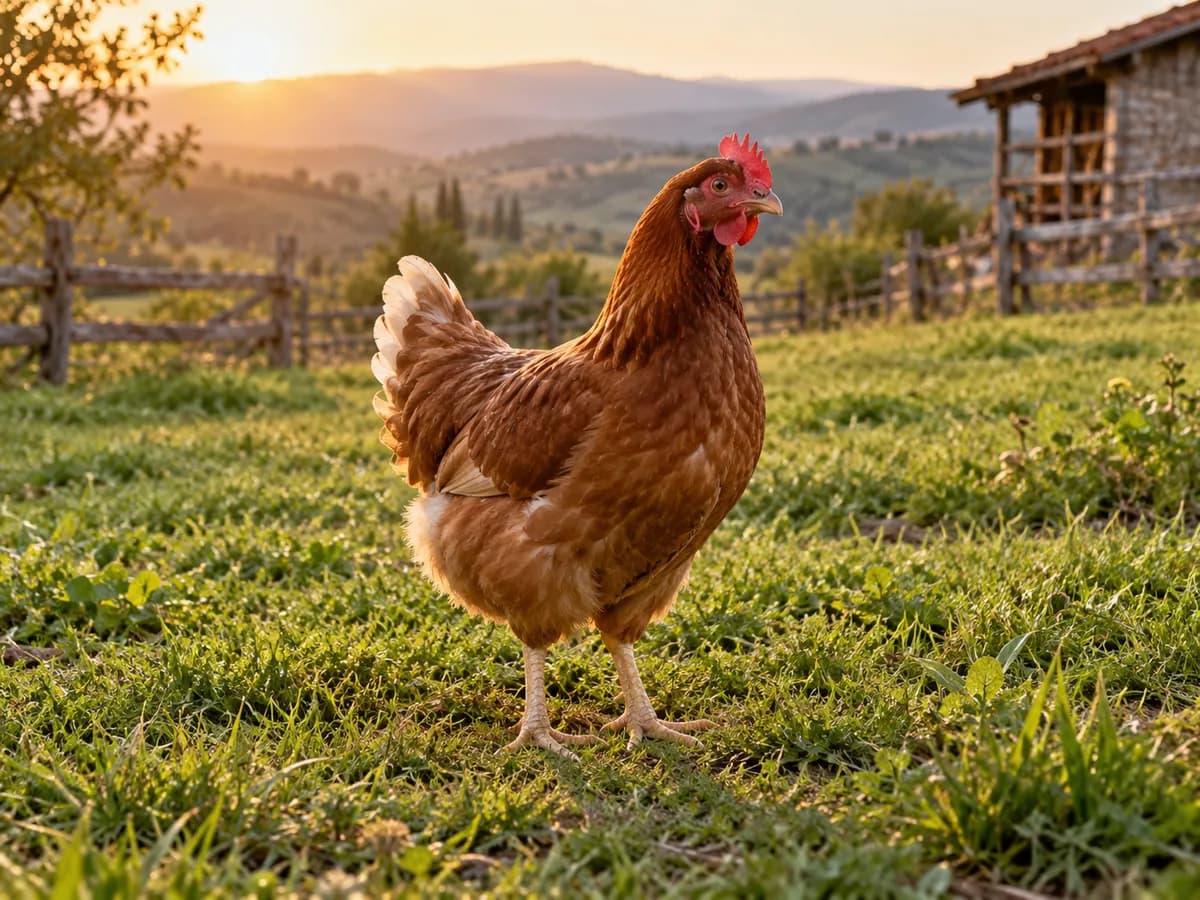
Chickens are social, curious birds of habit. A predator-proof coop, perches and nest boxes, balanced feed, clean water and a place to dust-bathe are the foundations of happy, productive hens.
- Clase
- Ave
- Grupo
- Aves de corral
Resumen rápido de cuidados
Lo esencial del cuidado de Gallinas.
- Coop and spacePredator protection: Foxes, martens, dogs and birds of prey are the biggest dangers.
- Feeding routineFeed: Use complete feed suited to their age: chick starter for chicks, grower feed for young birds and layer feed for laying hens.
- WaterClean water must always be available.
- Daily careCollect eggs every day; eggs left in nest boxes can break and may trigger broodiness.
En detalle
En resumen
- The coop must close completely at night against predators.
- Every hen needs perch space, plus dark, quiet nest boxes for laying.
- Laying hens need balanced layer feed and an extra calcium source.
- Dust bathing is a natural and necessary part of feather care.
- Chickens are flock animals and should not be kept alone.
Chickens are the most widely kept domestic birds in the world. They form a "pecking order" within the flock, scratch for food all day and go to roost at sunset. They are calmer and healthier in an environment where they can express these natural behaviours.
Coop and space
- Predator protection: Foxes, martens, dogs and birds of prey are the biggest dangers. The coop must close completely at night, the mesh must be strong and you should guard against predators digging in.
- Perches: Chickens want to spend the night off the ground on a perch. Give each bird enough perch length.
- Nest boxes: Hens need dark, quiet, cleanly bedded nest boxes for laying; one box is usually enough for several hens.
- Ventilation and cleaning: Ventilate the coop without draughts, keep bedding dry and clean regularly.
- Outdoor run: A safe outdoor area to scratch, sunbathe and dust-bathe greatly improves chickens' welfare.
Feeding routine
- Feed: Use complete feed suited to their age: chick starter for chicks, grower feed for young birds and layer feed for laying hens.
- Calcium: Laying hens can be offered a calcium source such as crushed oyster shell in a separate dish.
- Grit: Chickens that do not range freely and eat whole grains can be given fine grit to help digestion.
- Extras: Vegetable and fruit scraps can be given in small amounts; balanced feed should remain the main food.
Water
Clean water must always be available. Clean drinkers daily, keep them shaded in summer and protect them from freezing in winter.
Daily care
- Collect eggs every day; eggs left in nest boxes can break and may trigger broodiness.
- Check the flock daily for movement, appetite and feather condition.
- Keep bedding dry and remove droppings regularly.
Behaviour and social needs
Chickens live in flocks with a ranking. Introduce new birds gradually over several days, starting with visual contact. Crowded, bored chickens may start feather-pecking; enough space and chances to scratch matter.
Seasonal care
Chickens are sensitive to heat; provide shade, ventilation and cool water in summer. Egg production naturally drops as daylight hours shorten.
Conviene saber
Los puntos más importantes.
- Health programmeAsk a local veterinarian or a poultry specialist about vaccinations and parasite control. Get help without delay if something seems out of the ordinary in the flock. Some poultry diseases are legally notifiable.
Animales similares
Otros animales del mismo grupo.
Por un mañana mejor
Respeto por los animales, una agricultura más sostenible.
Un cuidado consciente que protege el bienestar de los animales de granja significa un futuro mejor para animales, personas y naturaleza.
- Apoya el bienestar animal
- Fomenta la producción sostenible
- Vive en armonía con la naturaleza
- Comparte lo que sabes