

The adult rabbit stage
Between 1 and 5 years, a rabbit's personality settles and routines and bonds are at their most rewarding. The right diet, daily exercise and companionship are the foundation of these years.
En resumen
- Most of the diet should be hay, with measured pellets and a variety of greens.
- They need a large daily exercise area and mental enrichment.
- Rabbits are social; a compatible rabbit companion often improves quality of life.
- Brushing matters more during moults.
- Regular weighing helps you spot small changes early.
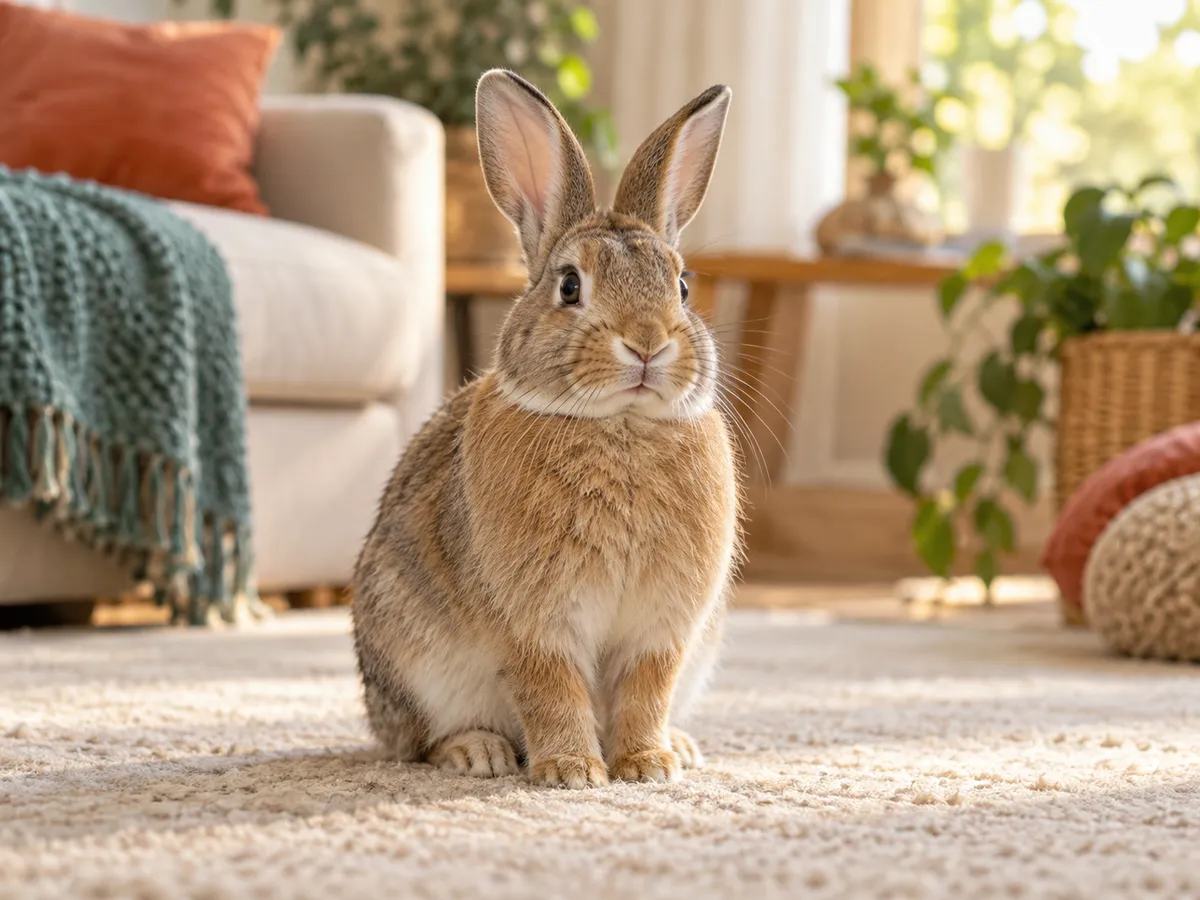
Adulthood runs from about 1 to 5 years of age. Your rabbit's personality is clear and their habits are settled. These are the years of keeping a good routine and deepening your bond.
What is happening in this stage?
- Growth is complete, so energy needs are lower than during growth.
- Personality and preferences become clear.
- Seasonal moults become noticeable.
What should you do differently?
- Diet: A hay-based routine with measured pellets and a variety of greens.
- Exercise: Free time in a large, safe area every day.
- Enrichment: Food-hiding games, tunnels, a dig box.
- Companionship: If you are considering another rabbit, introduce them slowly and under control.
- Grooming: Frequent brushing during moults and regular nail checks.
What should you monitor?
- Weight and body condition (weighing at home)
- Appetite, drinking and droppings
- Teeth and the area around the mouth (drooling, dropping food)
- Coat and skin condition
Expected behavior
More activity in the morning and evening, long rests in the middle of the day, happy leaps and re-eating their own soft droppings (cecotropes) are all normal parts of this stage.
Reminders
- Check-ups yearly or as often as your veterinarian recommends
- Monthly weighing
- Nail trims and brushing during moults
Next stage
From about 5 years of age your rabbit enters the senior stage; this age can vary by breed.
Los rangos de edad son aproximados; las diferencias dentro de una especie (como el tamaño en los perros) pueden adelantar o retrasar las transiciones.
Este contenido es solo informativo y no sustituye un examen veterinario ni un diagnóstico. Si le preocupa la salud de su mascota, consulte a su veterinario.