

Giant pandas
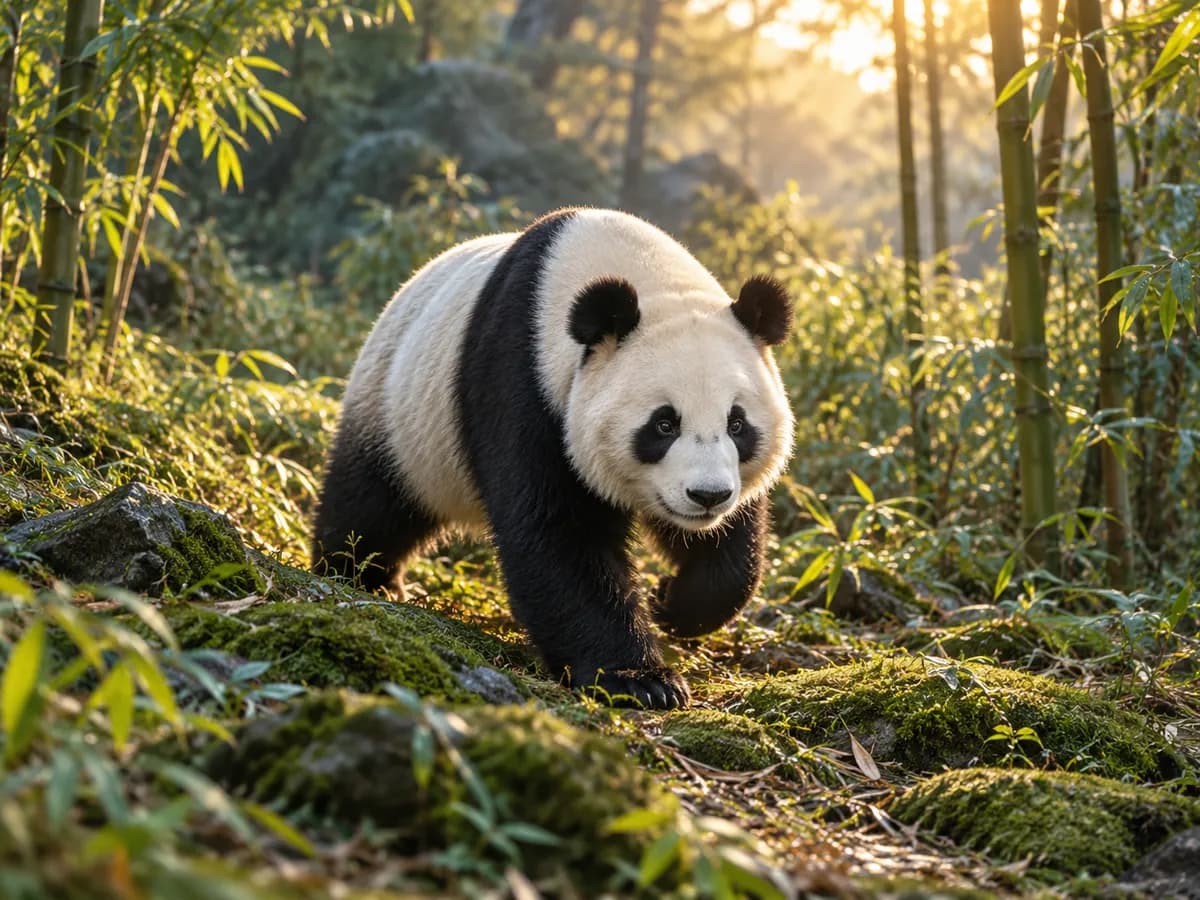
With its black-and-white coat, the giant panda is one of the world's best-loved animals — a bear that lives almost entirely on bamboo. Thanks to conservation success, it is no longer classed as Endangered.
- Длина
- 1,2–1,8 m
- Масса
- 70–125 kg
- Продолжительность жизни в природе
- 15–20 лет
- Охранный статус (МСОП)
- Уязвимый (VU)
Значения приблизительные для взрослых особей и зависят от пола, подвида и популяции.
Коротко
Главные факты: Большие панды.
- Where does it live?Giant pandas live only in the mountains of central China, mainly in the cool, damp bamboo forests of Sichuan, Shaanxi and Gansu provinces.
- What does it eat?Bamboo stems, leaves and shoots make up most of its diet.
- Behaviour and social lifePandas usually live alone.
- CubsA female usually has a single cub.
Подробно
Коротко
- The giant panda is a bear that lives in China's mountain bamboo forests.
- Bamboo makes up most of its diet.
- It grips bamboo with an enlarged wrist bone known as a "pseudo-thumb".
- Cubs are extremely small at birth.
- In 2016 the IUCN moved the panda from Endangered to Vulnerable.
The giant panda (Ailuropoda melanoleuca) is a bear known for its black-and-white coat. Although it belongs to the order Carnivora, its diet is almost entirely plant-based. Despite the similar name, the red panda is not a close relative.
Where does it live?
Giant pandas live only in the mountains of central China, mainly in the cool, damp bamboo forests of Sichuan, Shaanxi and Gansu provinces.
What does it eat?
Bamboo stems, leaves and shoots make up most of its diet. Because bamboo is low in nutrients, pandas spend a large part of the day eating. Occasionally they also eat small animals or other plants.
Behaviour and social life
Pandas usually live alone. They mark their territories with scent and rarely meet outside the breeding season. To save energy they move slowly and rest often. They are good climbers.
Cubs
A female usually has a single cub. A newborn panda weighs about a thousandth of its mother's weight and is pink, almost hairless and blind at birth. The cub stays with its mother for about 1.5–2 years.
Conservation status
In 2016 the IUCN moved the giant panda from Endangered to Vulnerable (VU). This improvement came from nature reserves and forest protection in China. Fragmented habitat and the risk that climate change will affect bamboo forests remain important threats.
Fun facts
- A panda's "pseudo-thumb" is actually an enlarged wrist bone.
- Because their digestive system resembles a carnivore's, they digest only a small part of the bamboo they eat.
- Pandas do not hibernate; in cold weather they may move to lower, warmer areas.
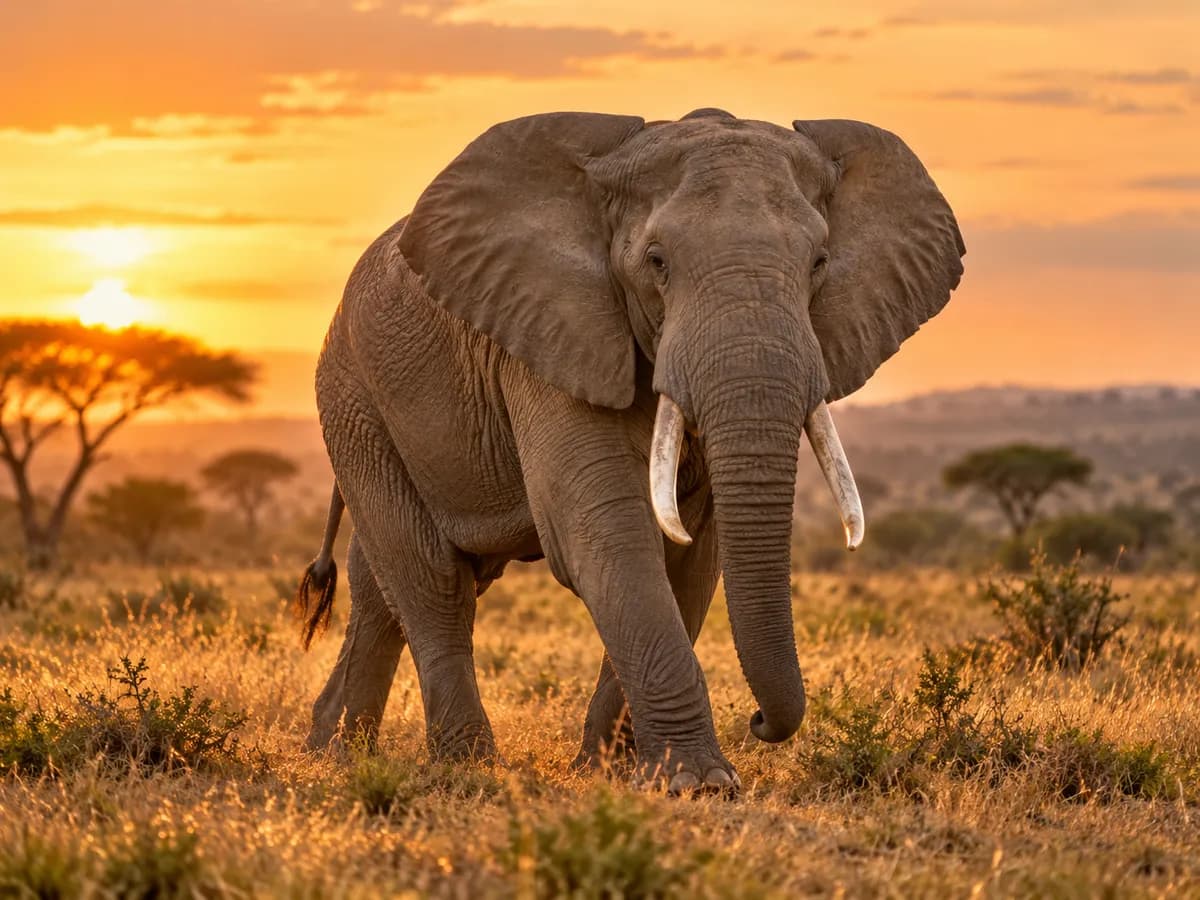
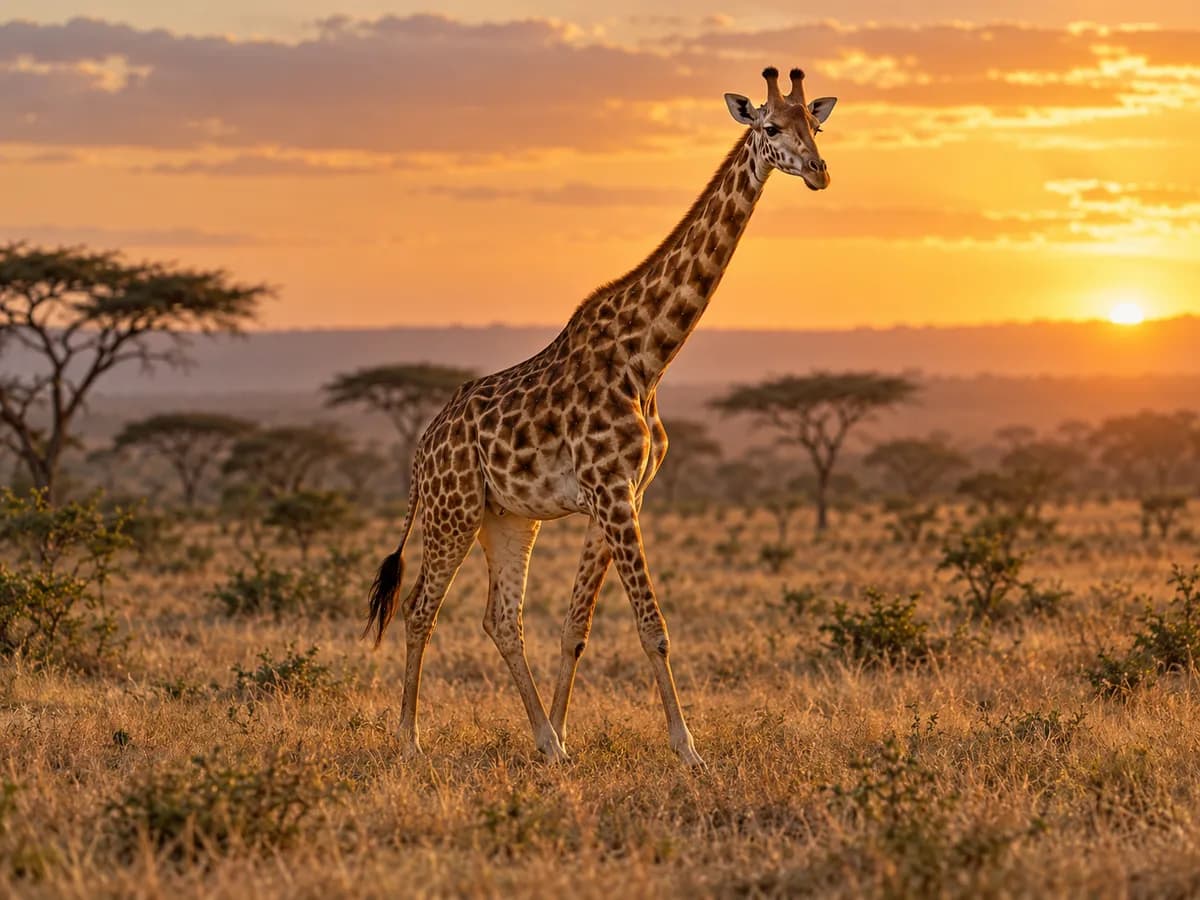
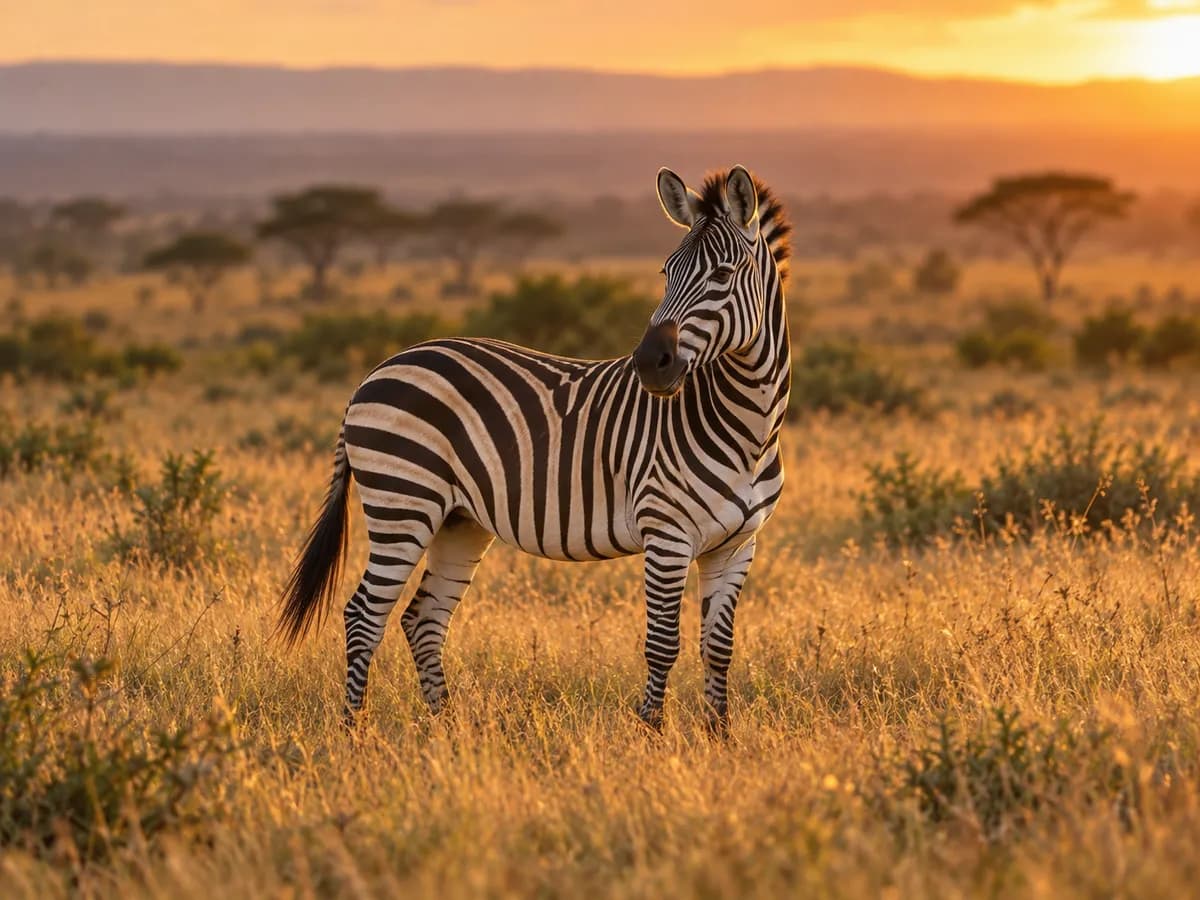
Похожие животные
Другие животные из той же группы.
Уважение к природе — сильнее завтра
Защита дикой природы — общая ответственность.
Если вы нашли раненое или детёныша дикого животного, не трогайте его и сообщите в местную службу охраны природы. Больше знаний — больше осознанности.
- Уважайте природные места обитания
- Наблюдайте за животными издалека
- Не оставляйте мусор на природе
- Поддерживайте устойчивое будущее