Honey bees and getting started with beekeeping
Honey bees live in highly organised colonies of thousands. Beekeeping takes knowledge, patience and careful seasonal planning. Taking a beekeeping course and getting support from an experienced beekeeper before you start is the right first step.
- Classe
- Invertébré
- Groupe
- Apiculture
L'essentiel des soins
Les bases des soins pour Abeilles domestiques.
- Hive locationSun and wind: Face hive entrances toward the morning sun and protect them from strong winds.
- FeedingBees feed on nectar and pollen, turning nectar into honey stored for winter.
- Hive inspectionsProtective equipment: Use a veil, gloves and light-coloured clothing.
- Beekeeping through the seasonsSpring: The colony grows; watch for crowding and swarming.
En détail
En bref
- A colony consists of one queen, thousands of workers and, seasonally, drones.
- Hives should stand in a sunny, wind-sheltered spot near a water source.
- Inspect hives with protective equipment and calm, steady movements.
- Going into winter, the colony must have enough honey stores.
- In Türkiye, beekeepers must register.
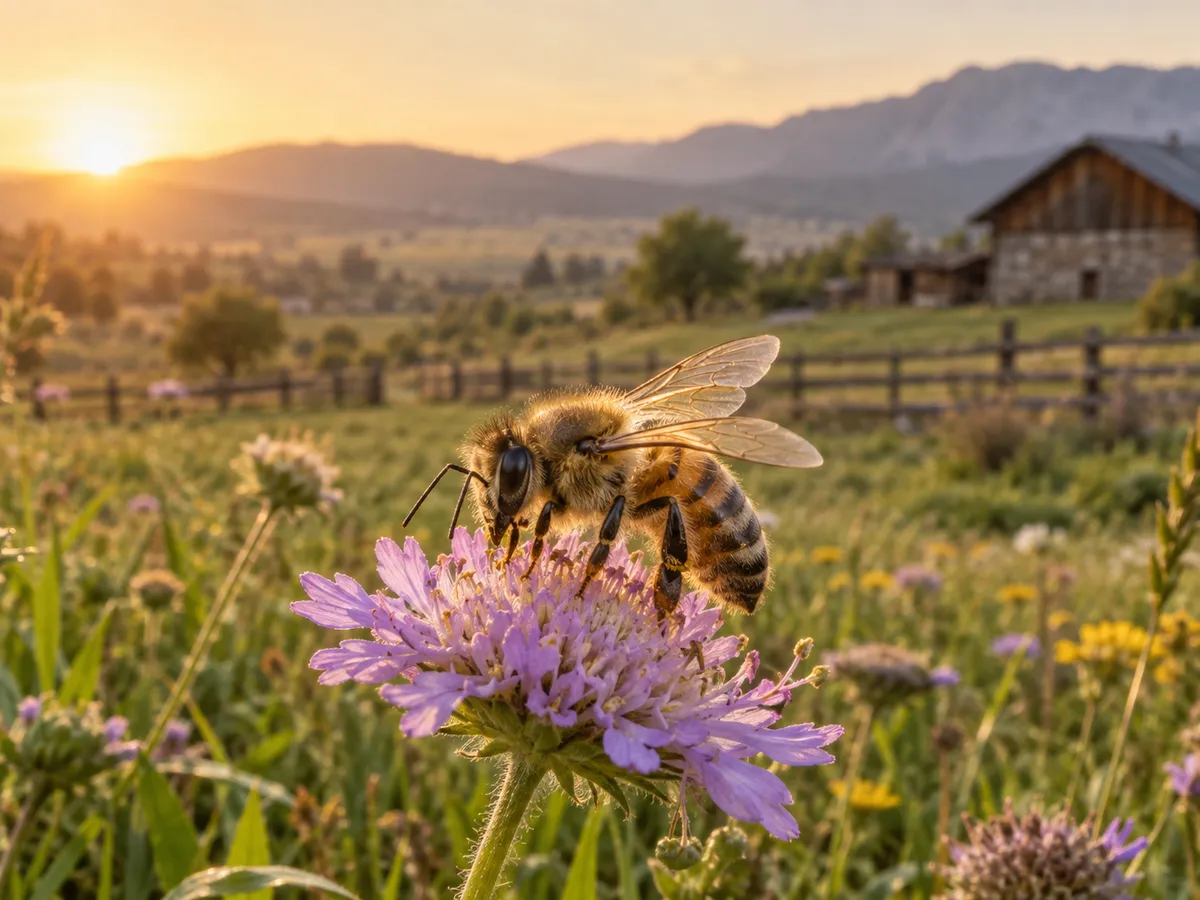
The honey bee (Apis mellifera) is a social insect that produces honey, wax and pollen and plays a vital role in pollinating plants. A hive works like a single organism: the queen lays eggs, worker bees take on tasks such as caring for brood, building comb, defence and foraging, and drones take part in reproduction.
Hive location
- Sun and wind: Face hive entrances toward the morning sun and protect them from strong winds.
- Water source: Bees carry water, so there should be a clean water source nearby.
- Neighbours and paths: Keep hives a suitable distance from busy paths, play areas and neighbouring gardens.
- Damp: Place hives on a stand rather than directly on the ground.
Feeding
Bees feed on nectar and pollen, turning nectar into honey stored for winter. The beekeeper's job is to make sure the colony has enough food throughout the year. Honey stores should be checked especially before winter and, if needed, supported using methods recommended by experienced beekeepers.
Hive inspections
- Protective equipment: Use a veil, gloves and light-coloured clothing.
- Calm movements: Open the hive slowly and steadily; sudden movements disturb the bees.
- Weather: Inspect on sunny, calm days during the warm part of the day.
- What to check: Presence of the queen and her laying pattern, brood condition, honey and pollen stores and the general state of the hive.
Beekeeping through the seasons
- Spring: The colony grows; watch for crowding and swarming.
- Summer: The main nectar flow; add space to the hive and harvest honey.
- Autumn: Prepare for winter; assess stores and colony strength.
- Winter: Disturb hives as little as possible; check for wind and damp.
Legal requirements (Türkiye)
In Türkiye, beekeepers must register in the Ministry of Agriculture and Forestry's beekeeping registration system. Migratory beekeeping has additional rules. For current information, ask provincial and district agriculture directorates and beekeepers' associations.
Bon à savoir
Les points les plus importants.
- Bee stingsPeople allergic to bee stings must talk to their doctor before beekeeping. If someone has trouble breathing or swelling of the face or throat, call emergency services immediately.
- Bee healthPests such as varroa mites and bee diseases are a serious threat to colonies. For monitoring and control methods, consult a veterinarian specialising in bee health or your local beekeepers' association.
Pour un avenir meilleur
Respect des animaux, une agriculture plus durable.
Des soins attentifs au bien-être des animaux de ferme, c'est un meilleur avenir pour les animaux, les humains et la nature.
- Soutenir le bien-être animal
- Encourager une production durable
- Vivre en harmonie avec la nature
- Partager le savoir