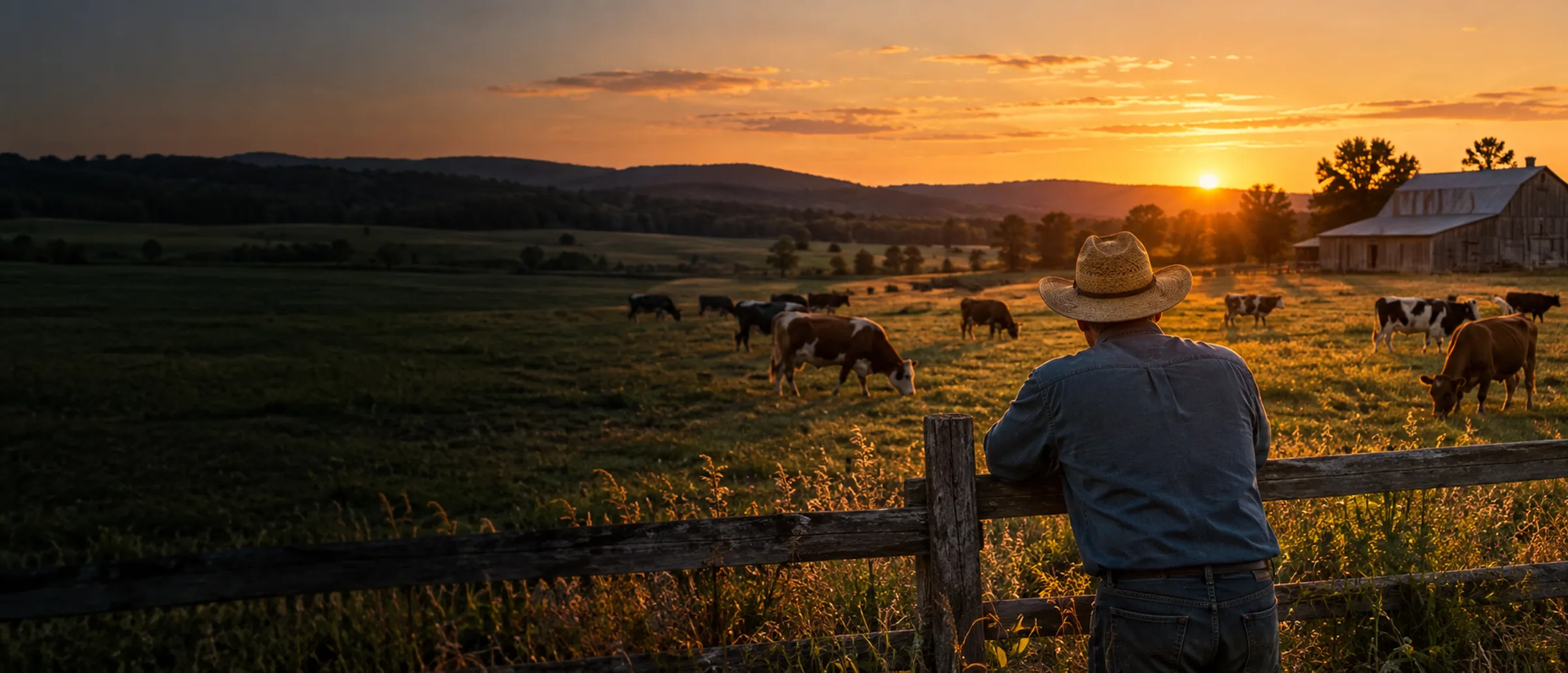
Cattle care
Cattle are ruminants that live in herds and value routine. A dry, well-ventilated shelter, a forage-based balanced diet and constant access to clean water are the foundations of good cattle care.
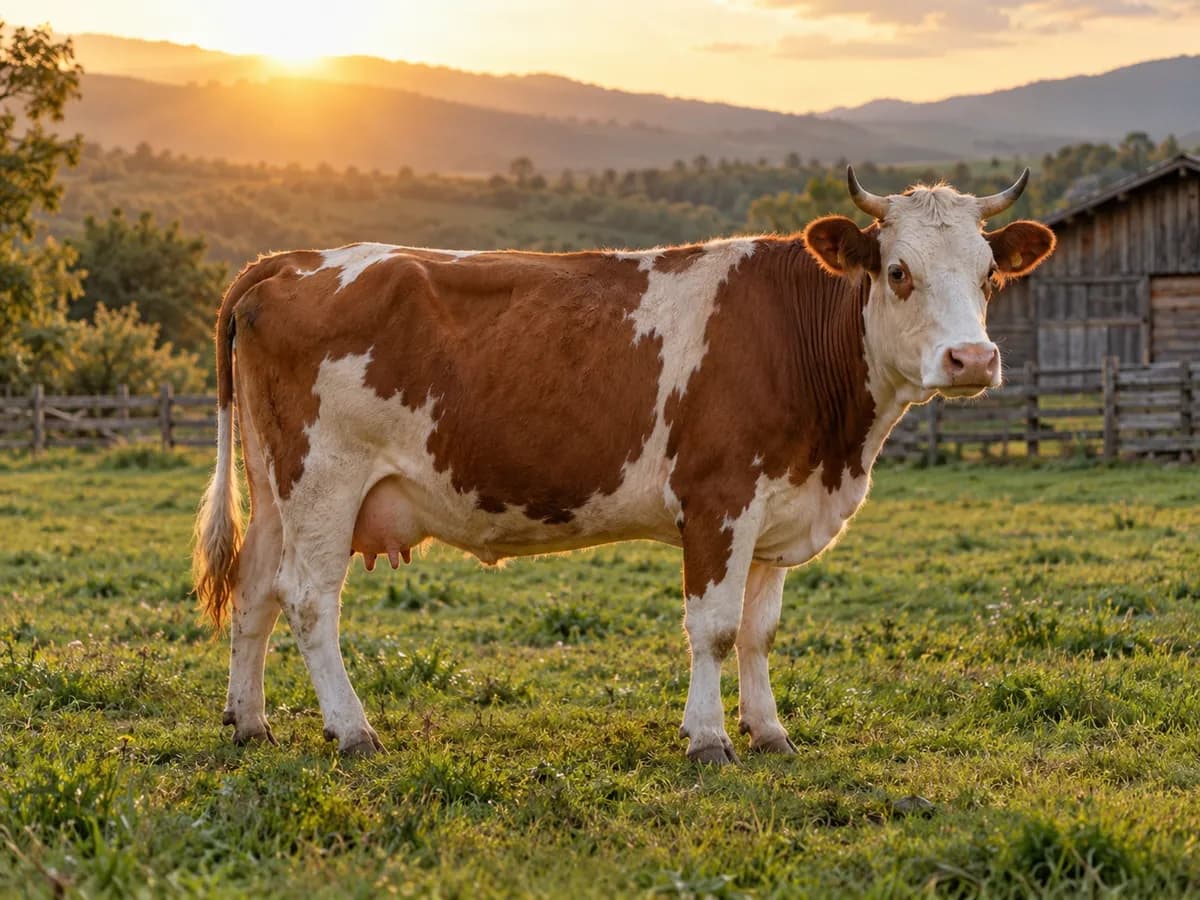
- Classe
- Mammifère
- Groupe
- Bovins
L'essentiel des soins
Les bases des soins pour Vaches.
- Housing and spaceDry, well-ventilated barn: Build-up of damp and ammonia can harm respiratory health.
- Feeding routineThe basis of a cattle diet is forage: pasture, hay, silage and straw.
- WaterCattle drink a lot, and needs rise markedly in dairy cows and in hot weather.
- Daily careObserve the animals every day: changes in appetite, rumination, movement and behaviour are early warning signs.
En détail
En bref
- Cattle are ruminants; forage such as grass and hay is the basis of their diet.
- Feed changes should be spread over several days; sudden changes can upset digestion.
- Clean water must always be available; a dairy cow can drink tens of litres a day.
- Housing should be dry, well ventilated and cleanly bedded; shade and cooling are essential in hot weather.
- In Türkiye, ear-tagging and registering cattle is a legal requirement.
Cattle are ruminants whose four-compartment stomach lets them digest grass. Because they are herd animals, they become stressed when left alone; a familiar routine, calm handling and a predictable daily schedule support both their welfare and their productivity.
Housing and space
- Dry, well-ventilated barn: Build-up of damp and ammonia can harm respiratory health. Good ventilation matters even in cold weather.
- Clean bedding: Dry bedding such as straw or wood shavings helps animals lie comfortably and keeps their feet healthy. Wet, dirty bedding should be replaced regularly.
- Enough space: Every animal needs room to lie down and stand up easily and to reach feed and water without crowding.
- Pasture and exercise: Where possible, access to pasture or an exercise yard supports movement and natural behaviour.
Feeding routine
The basis of a cattle diet is forage: pasture, hay, silage and straw. Depending on needs (milk yield, growth, pregnancy), concentrates and mineral supplements are added. It is best to work with an animal nutritionist or an experienced adviser to match the ration to the animal's age, weight and production stage.
Water
Cattle drink a lot, and needs rise markedly in dairy cows and in hot weather. Check troughs every day, keep them clean and protect them from freezing in winter.
Daily care
- Observe the animals every day: changes in appetite, rumination, movement and behaviour are early warning signs.
- Regular hoof checks and trimming by a professional when needed help prevent lameness.
- Regular cleaning of the barn and feeders matters for both animal and human health.
Behaviour and social needs
Cattle form a social ranking within the herd. New animals should be introduced gradually. Calm handling without shouting reduces fear and the risk of injury.
Seasonal care
Hot weather can be harder on cattle than cold. Provide shade, good ventilation and plenty of water. In winter, they need a dry area sheltered from wind and water that does not freeze.
Legal requirements (Türkiye)
In Türkiye, cattle must be identified with ear tags and registered in the Ministry of Agriculture and Forestry's registration system. Movements such as births, sales and transport must be reported. Ask your provincial or district agriculture directorate for the current rules.
Bon à savoir
Les points les plus importants.
- Change feed slowlyThe microbes in the rumen need time to adapt to a new feed. Spread changes in feed type or the amount of concentrate over several days.
- Health programmeSet up a regular health programme — vaccinations, parasite control and what to watch for — with a local veterinarian. Contact your vet whenever something seems out of the ordinary.
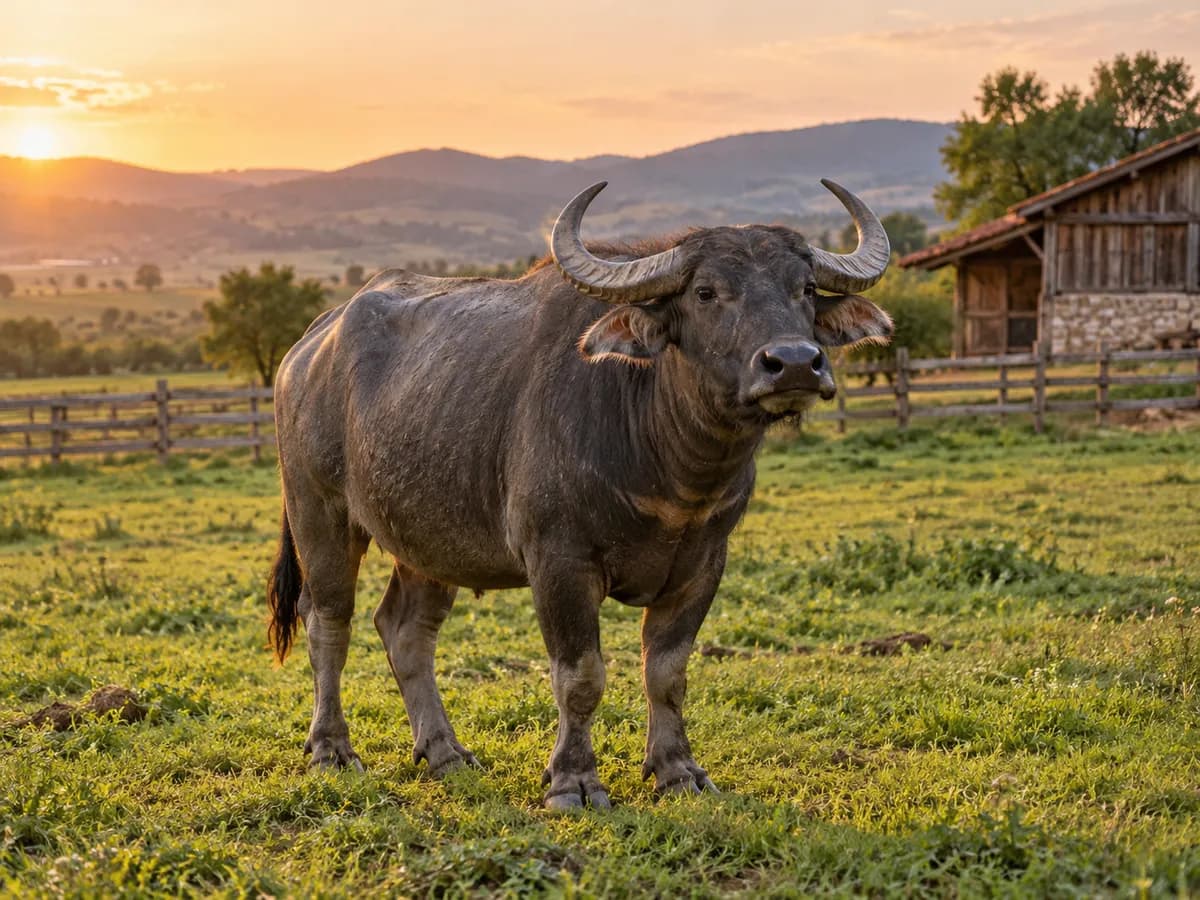
Animaux similaires
D'autres animaux du même groupe.
Pour un avenir meilleur
Respect des animaux, une agriculture plus durable.
Des soins attentifs au bien-être des animaux de ferme, c'est un meilleur avenir pour les animaux, les humains et la nature.
- Soutenir le bien-être animal
- Encourager une production durable
- Vivre en harmonie avec la nature
- Partager le savoir