
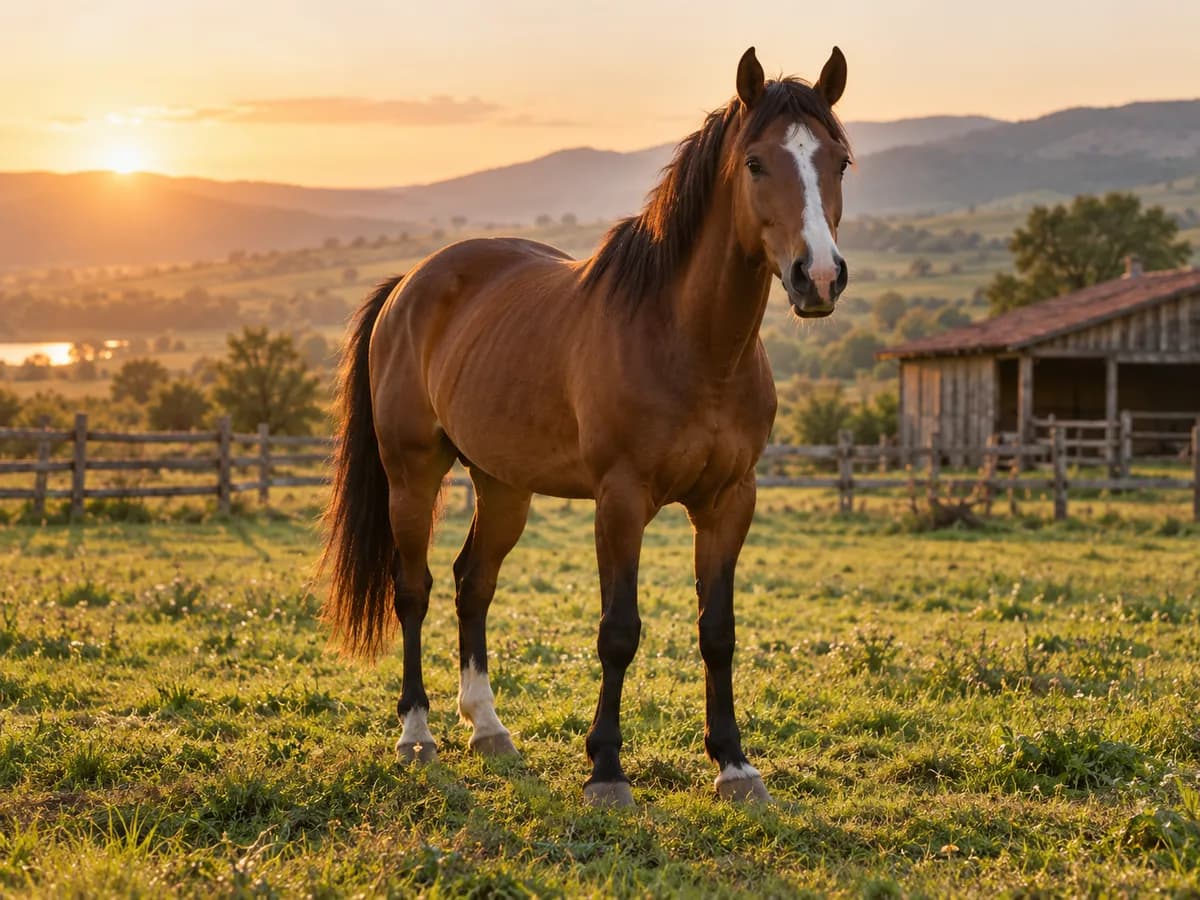
Horse care
Horses evolved to spend most of the day grazing; they live in herds and need to move. Constant forage, plenty of water, room to move, companionship and regular farrier care are the basis of good horse care.
- Classe
- Mammifère
- Groupe
- Chevaux et ânes
L'essentiel des soins
Les bases des soins pour Chevaux.
- Housing and spacePaddock and pasture: Horses need an area where they can move freely and graze every day.
- Feeding routineThe basis of a horse's diet is forage: pasture and quality hay.
- WaterHorses drink a lot of water, and more in hot weather and when working.
- Daily careGrooming: Regular brushing keeps skin and coat clean and helps build a bond with the horse.
En détail
En bref
- A horse's digestive system is built for little and often; forage should be the main food.
- Horses are social animals; keeping them alone causes stress.
- Daily turnout and grazing matter.
- Hooves need regular care from a farrier.
- Clean water must always be available.
In the wild, horses are herd animals that spend most of the day grazing and walking. Because their stomachs are small and their digestive system is used to a constant flow of fibre, they need to eat little and often. A routine that respects these natural needs supports both their health and their behaviour.
Housing and space
- Paddock and pasture: Horses need an area where they can move freely and graze every day. Long periods confined in a small stable can lead to behaviour problems.
- Stable or shelter: It should be dry, well ventilated, cleanly bedded and large enough for the horse to turn around and lie down. In the field, a run-in shelter from rain, wind and sun is helpful.
- Safe fencing: Avoid fencing that can cause injuries, such as wire mesh and barbed wire.
Feeding routine
The basis of a horse's diet is forage: pasture and quality hay. Forage should be spread through the day as much as possible. Concentrates can be added depending on the horse's workload, given in small amounts split into several meals. Feed changes should be made gradually over several days.
Water
Horses drink a lot of water, and more in hot weather and when working. Provide constant access to clean water and make sure it does not freeze in winter.
Daily care
- Grooming: Regular brushing keeps skin and coat clean and helps build a bond with the horse.
- Hooves: Pick out the hooves daily and have them seen by a farrier at regular intervals (usually every 6–8 weeks).
- Daily checks: Watch for changes in appetite, droppings, movement and behaviour.
Behaviour and social needs
Horses are herd animals and need other horses (or at least a suitable companion such as a donkey) to feel safe. As prey animals, they may startle at sudden movements and noises; calm, consistent handling builds trust.
Seasonal care
Provide shade and plenty of water in summer and a wind-sheltered area in winter. Clipped or thin horses may need rugs in the cold.
Bon à savoir
Les points les plus importants.
- Dust and mouldDo not feed dusty or mouldy hay. Good-quality, cleanly stored feed matters for both digestion and breathing.
- Health programmeSet up a regular programme for vaccinations, parasite control and dental checks with your veterinarian. Contact your vet without delay whenever something seems out of the ordinary.
Animaux similaires
D'autres animaux du même groupe.
Pour un avenir meilleur
Respect des animaux, une agriculture plus durable.
Des soins attentifs au bien-être des animaux de ferme, c'est un meilleur avenir pour les animaux, les humains et la nature.
- Soutenir le bien-être animal
- Encourager une production durable
- Vivre en harmonie avec la nature
- Partager le savoir