
- Length
- 1.5–2.8 m
- Weight
- 80–600 kg
- Lifespan in the wild
- 20–30 years
- Conservation status (IUCN)
- Least concern (LC)
Figures are approximate for adults and vary by sex, subspecies and population.
At a glance
The key facts about Brown bears.
- Where does it live?Brown bears live in the forests, mountains and tundra of North America, Europe and Asia.
- What does it eat?It is an omnivore whose diet changes with the seasons.
- Behaviour and social lifeApart from mothers with cubs, brown bears mostly live alone.
- CubsCubs are born in the den during winter, usually 1–3 at a time.
In depth
In short
- The brown bear is the most widely distributed bear species.
- In Türkiye it lives in the forested mountains of the Black Sea region and eastern Anatolia.
- It is an omnivore: it eats plants, fruit, roots, insects, fish and meat.
- It spends the winter in a den in a state similar to hibernation.
- The IUCN lists it as Least Concern globally.
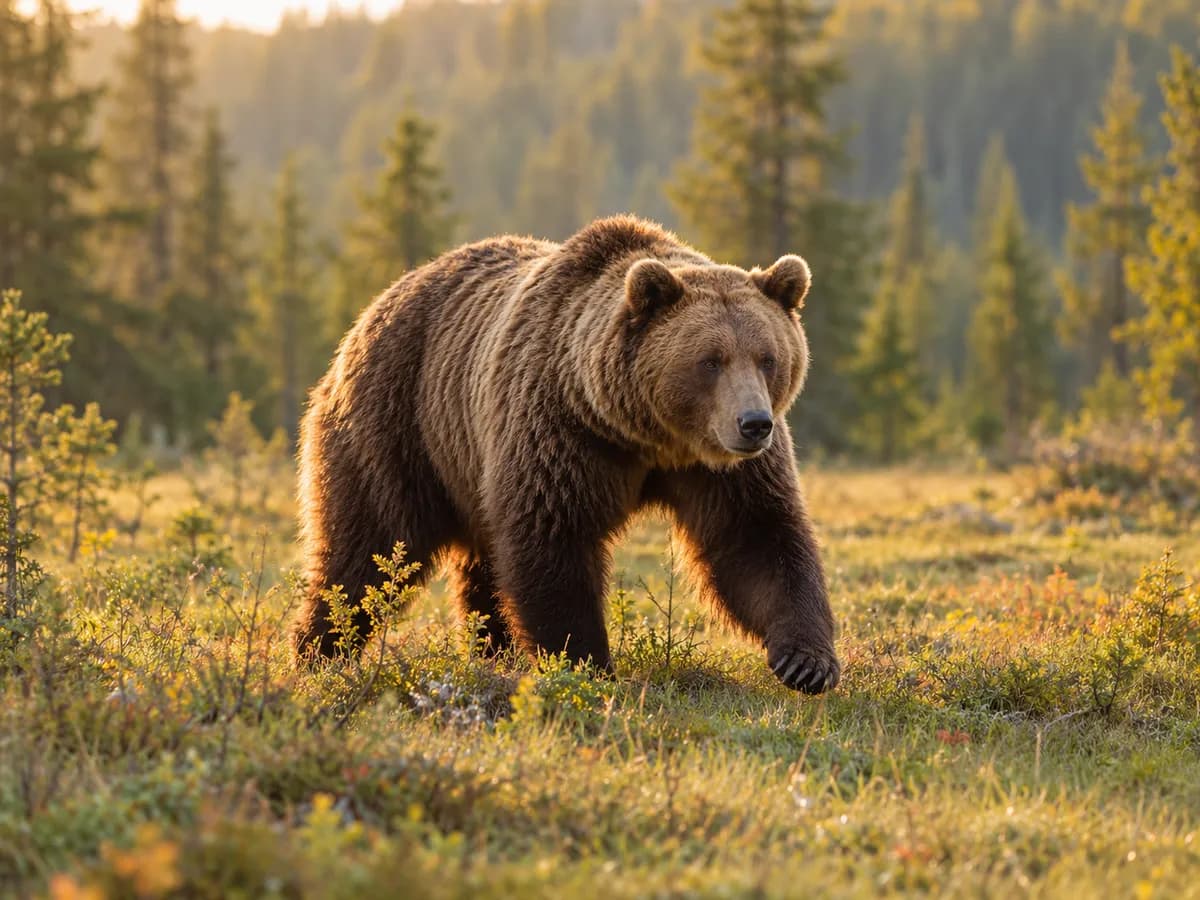
The brown bear (Ursus arctos) is recognisable by the muscular hump on its shoulders and its thick fur. Its coat can range from light blond to dark brown. North America's "grizzly" and Alaska's large Kodiak bears are subspecies of this species.
Where does it live?
Brown bears live in the forests, mountains and tundra of North America, Europe and Asia. In Türkiye they are found especially in the forested mountains of the Black Sea region and eastern Anatolia.
What does it eat?
It is an omnivore whose diet changes with the seasons. It eats grass, roots, fruit, nuts, acorns, insects, honey and fish; when it gets the chance it also hunts small and large mammals or scavenges. In some regions brown bears are famous for catching salmon in rivers.
Behaviour and social life
Apart from mothers with cubs, brown bears mostly live alone. In autumn they eat a great deal to store fat for winter. They spend the winter resting in a den, often one they dig themselves, with a lowered body temperature and metabolism.
Cubs
Cubs are born in the den during winter, usually 1–3 at a time. They are very small at birth and grow on their mother's milk in the den. Cubs stay with their mother for 2–3 years.
Conservation status
The brown bear is listed as Least Concern (LC) globally on the IUCN Red List. However, some regional populations are small and isolated. Habitat loss, conflict with people and illegal hunting are the main problems.
Fun facts
- Brown bears can run surprisingly fast over short distances.
- Their sense of smell is extremely keen.
- The shoulder hump is made of powerful muscles they use for digging.
Similar animals
Other animals in the same group.
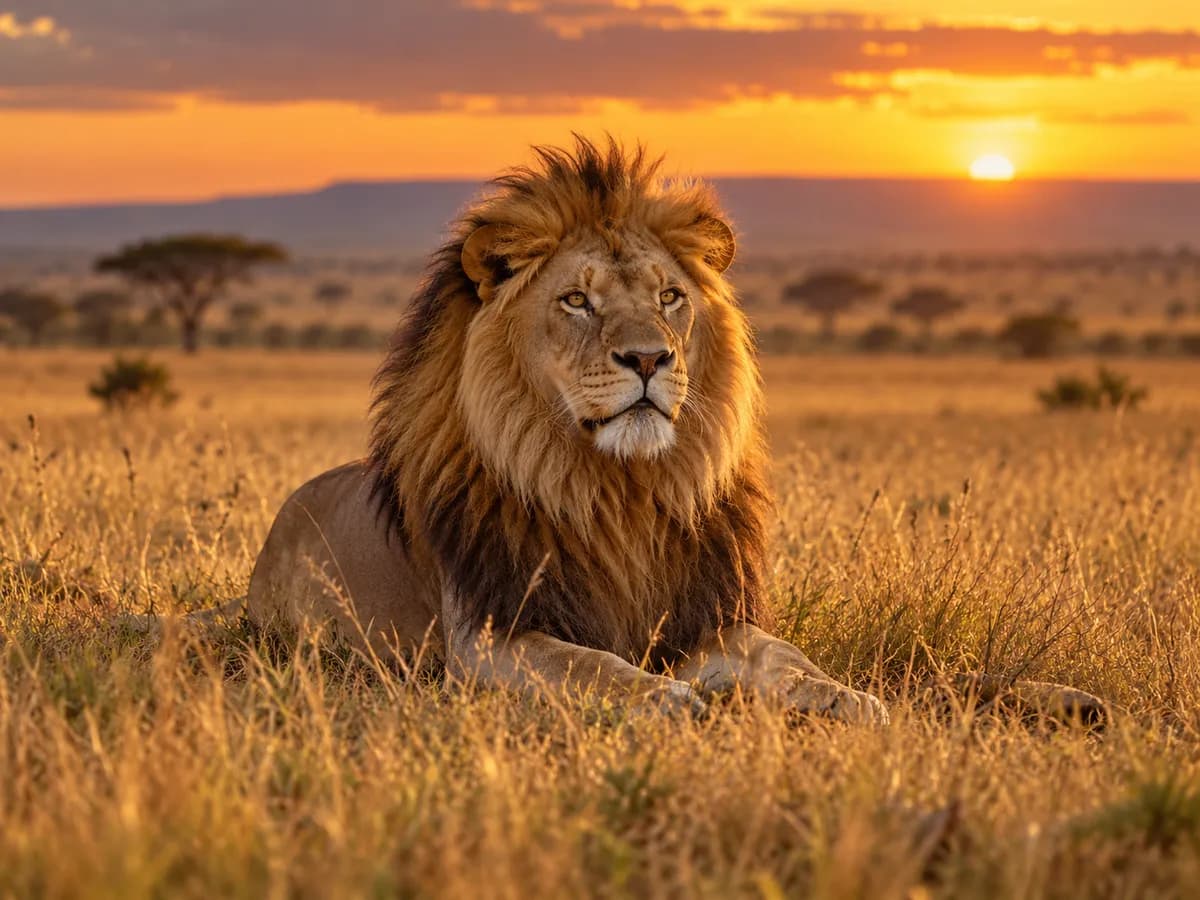 LionThe only big cat that lives in groups, the lion is the symbol of the African savanna. It spends much of the day resting, while hunting is mostly done by the females working together.Explore
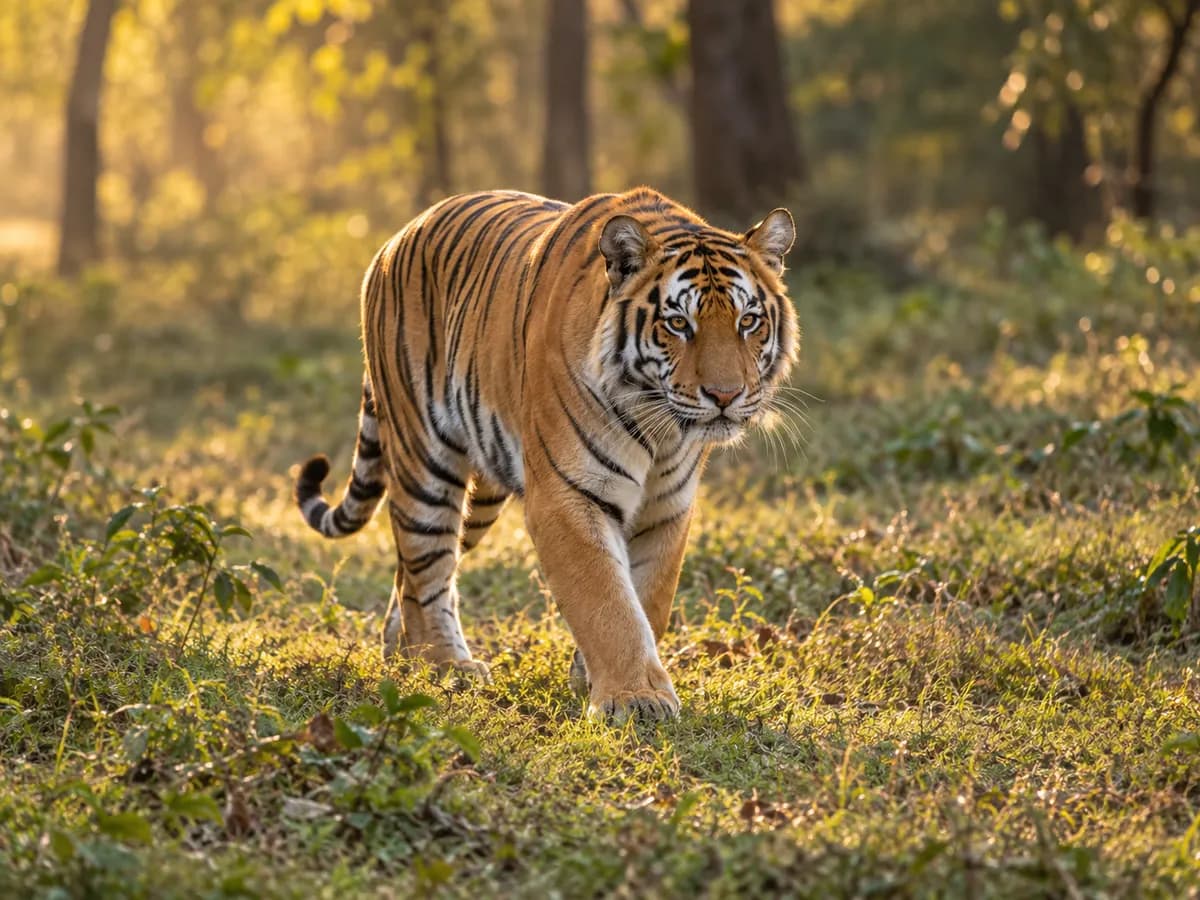 TigerThe largest of all cats, the tiger is known for its striped coat and solitary life. It lives in habitats from Asian forests to mangrove swamps, but it is endangered.Explore
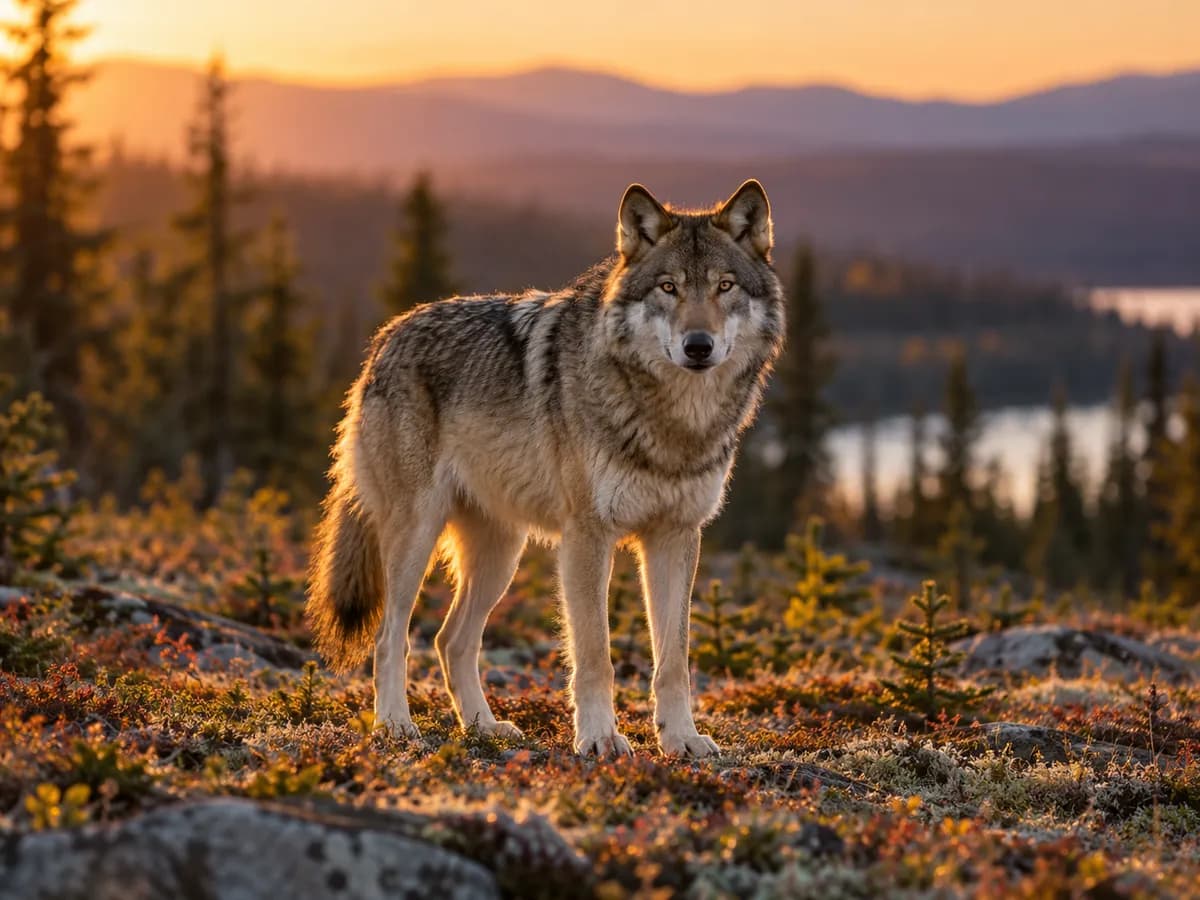 WolfThe ancestor of the domestic dog, the wolf is a highly intelligent predator that lives with strong family bonds. It lives across much of the Northern Hemisphere, including Türkiye.Explore
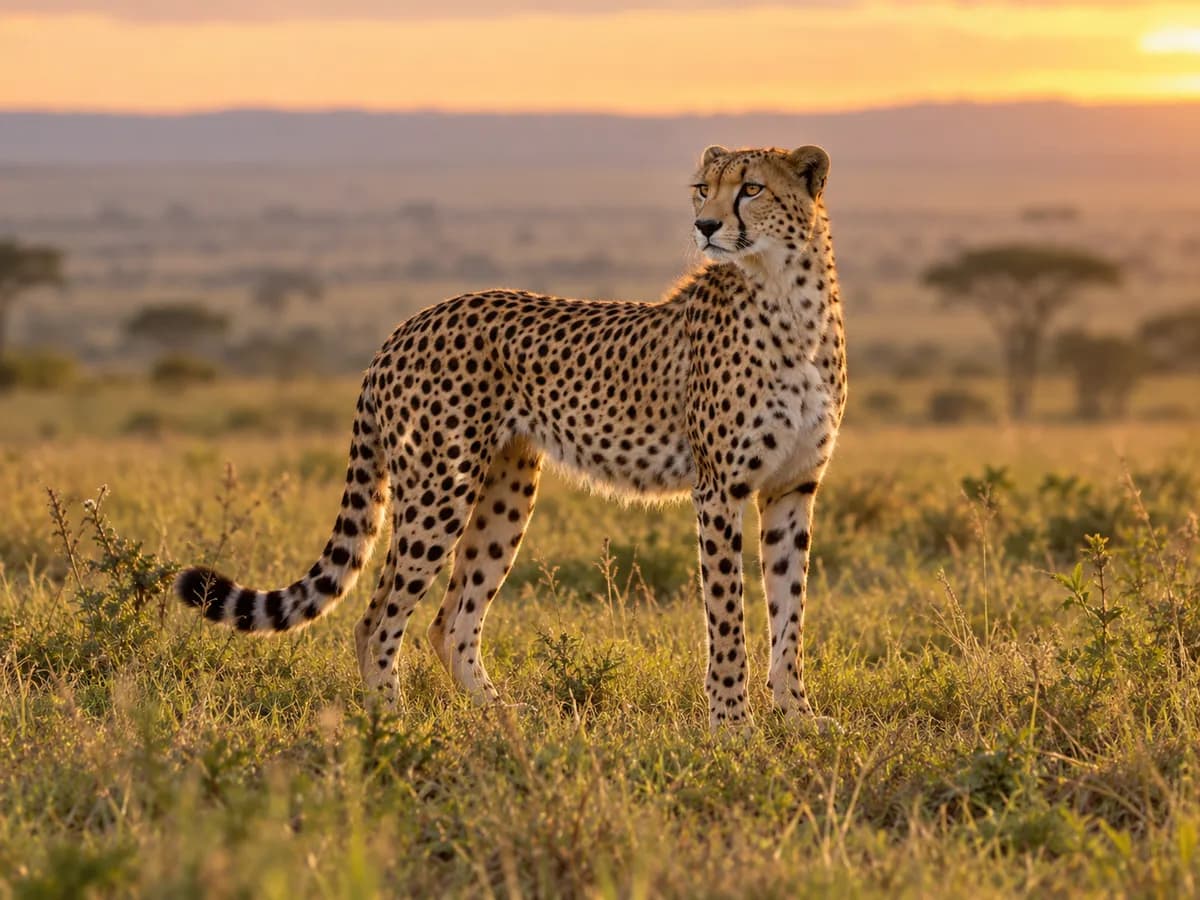 CheetahThe fastest land animal, the cheetah can reach more than 100 kilometres per hour over short distances. Its slim build and the "tear marks" on its face set it apart from other big cats.Explore
Respect for nature, stronger tomorrows
Protecting wildlife is everyone's responsibility.
If you find an injured or young wild animal, don't touch it; inform your local wildlife authority. More knowledge, more awareness.
- Respect natural habitats
- Watch wild animals from afar
- Leave no litter in nature
- Support a sustainable future