
- Typical lifespan
- 10–15 years
- Social needs
- Should live with at least one companion of its kind
- Active hours
- Active by day
- Experience level
- Needs some experience
Values are typical ranges and vary with breed, husbandry and the individual animal.
Quick care summary
The care essentials for Lovebirds.
- Nature and behaviorEnergetic, curious, playful and full of personality.
- Living spaceA cage wide enough for them to open their wings, with horizontal bars; natural perches of different thicknesses, swings and plenty of chew toys.
- Feeding routineA good-quality pellet or seed mix, supplemented every day with fresh vegetables and greens.
- Care notesReplace chew toys regularly and watch out for cables outside the cage.
In depth
In short
- They are very social and need to live with a partner or a very attentive person.
- They love to chew, so plenty of chew toys are essential.
- They need daily flying time out of the cage in a safe room.
- They can be determined and sometimes jealous.
- They can live 10–15 years.
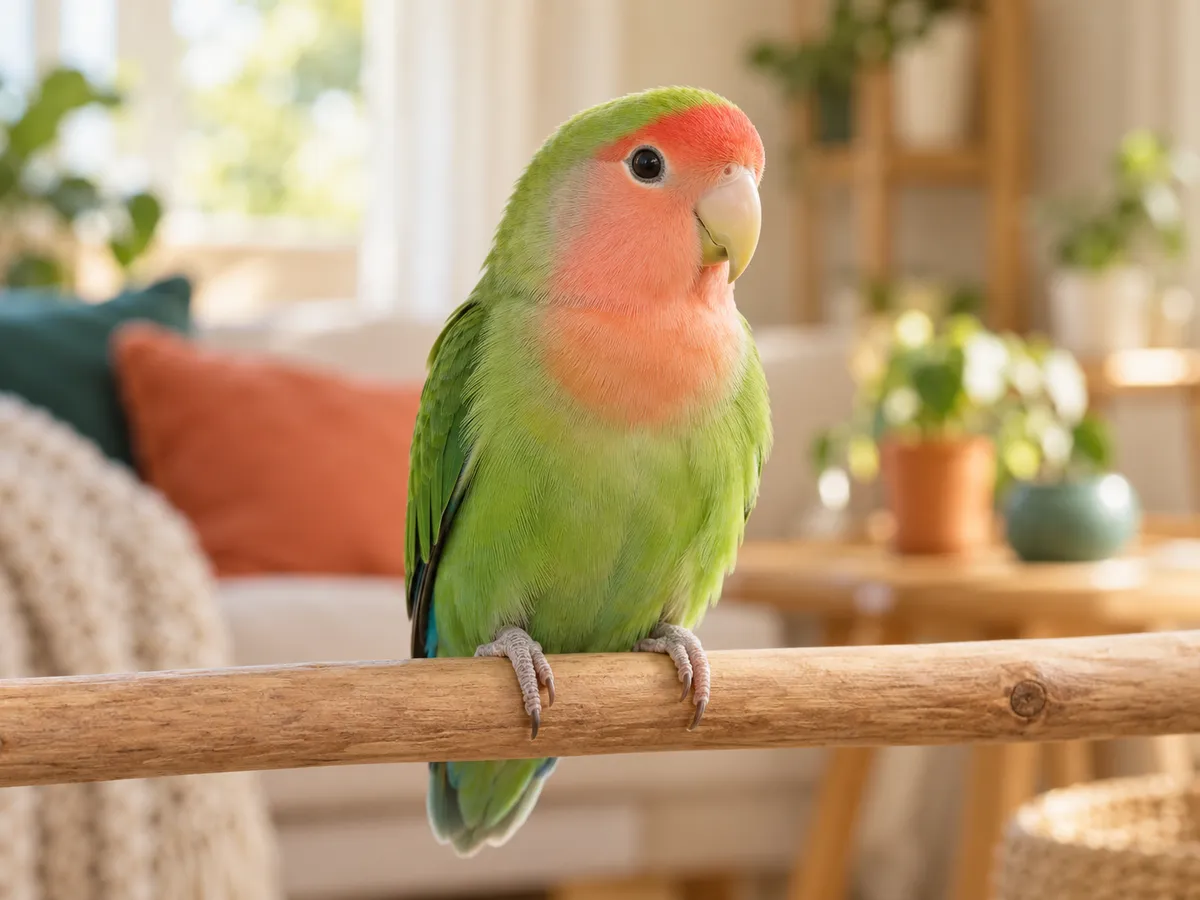
Lovebirds (Agapornis species) are small parrots from Africa. Their name comes from the close bond they form with their partners.
Nature and behavior
Energetic, curious, playful and full of personality. They bond strongly with their partners or people and can become possessive. If kept singly, they need long periods of attention and interaction every day.
Living space
A cage wide enough for them to open their wings, with horizontal bars; natural perches of different thicknesses, swings and plenty of chew toys. Supervised flying time every day in a safe room with windows and doors closed.
Feeding routine
A good-quality pellet or seed mix, supplemented every day with fresh vegetables and greens. Offer clean water and a shallow dish for bathing.
Care notes
- Replace chew toys regularly and watch out for cables outside the cage.
- If introducing more than one bird, do it gradually and under supervision.
Good to know
The most important points.
- When to contact a vetBirds can hide discomfort. If you notice changes in appetite, activity or behavior, contact a veterinarian experienced with birds.
Similar animals
Other animals in the same group.
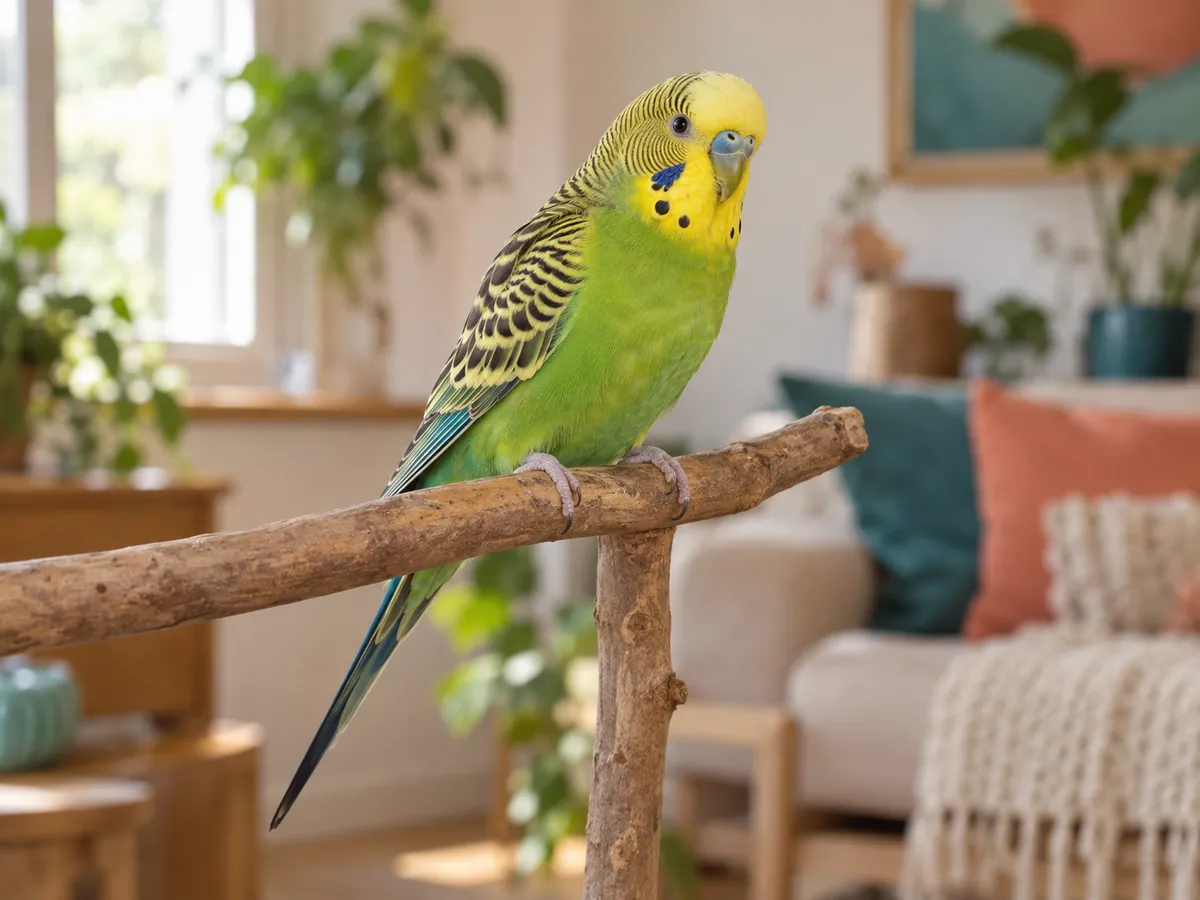 BudgerigarCheerful, chatty and wired to live in a flock, budgies are at their best with a companion, safe daily flight and a varied diet.Explore
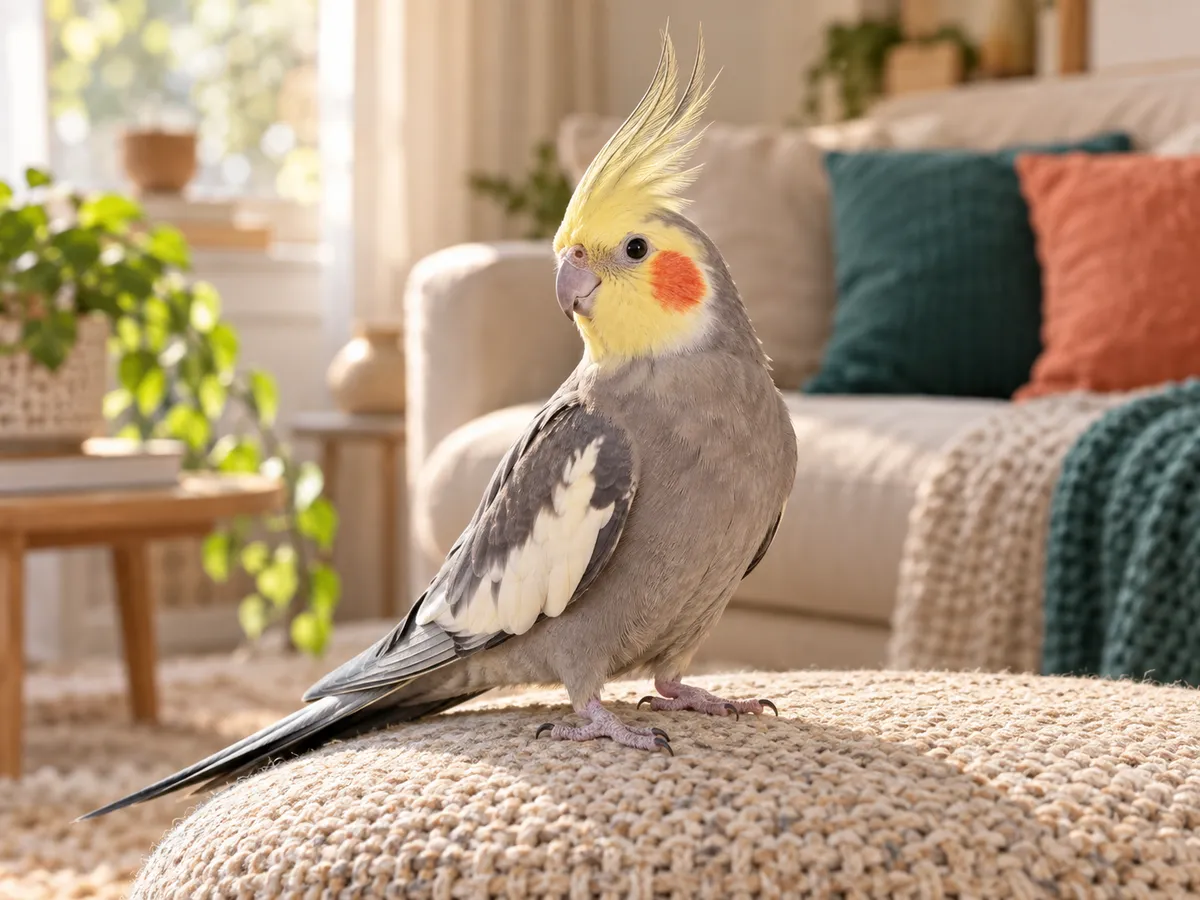 CockatielCockatiels show their feelings with their crests, love to whistle and bond closely with their people. These long-lived companions need social time, safe flight and a calm night routine.Explore
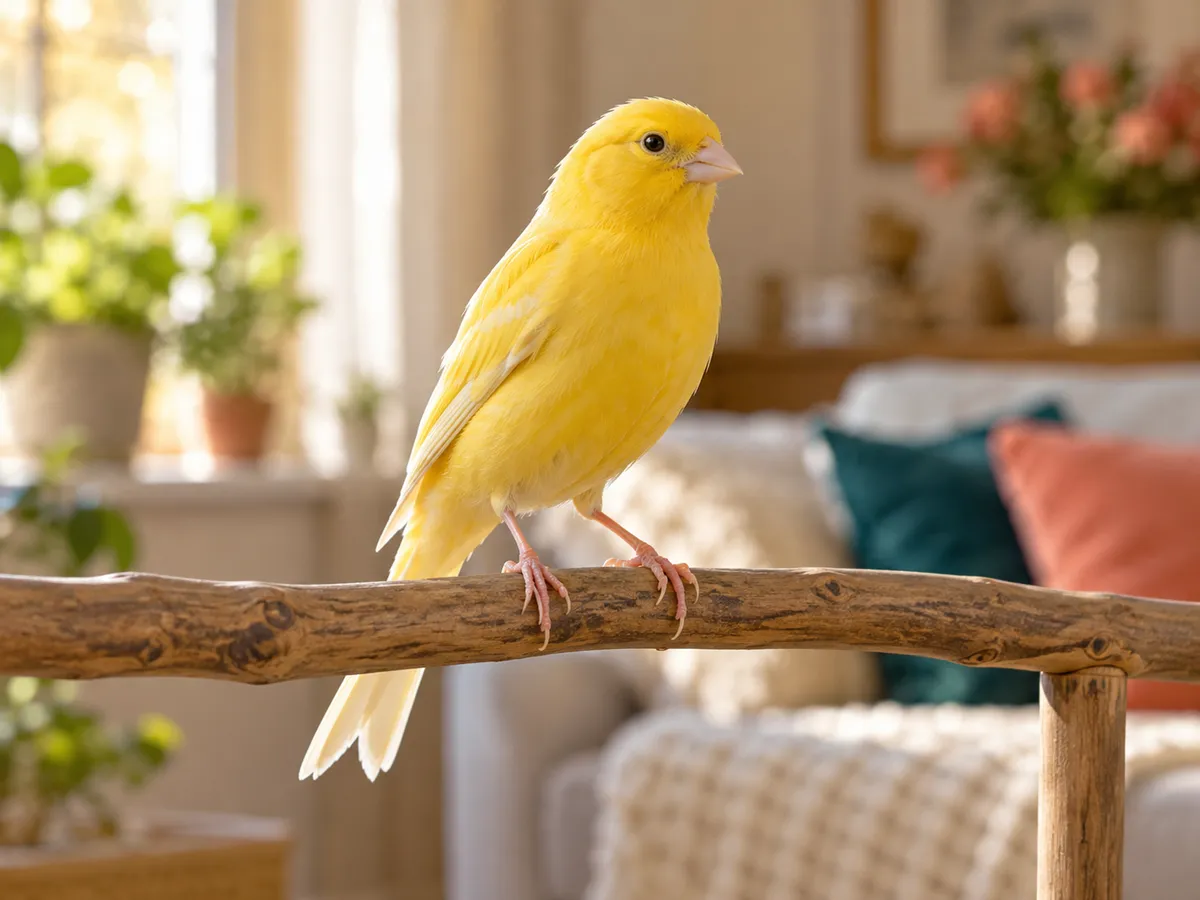 CanaryCanaries fill the home with song. They are elegant birds best enjoyed by watching and listening rather than handling, and they need room to fly.Explore
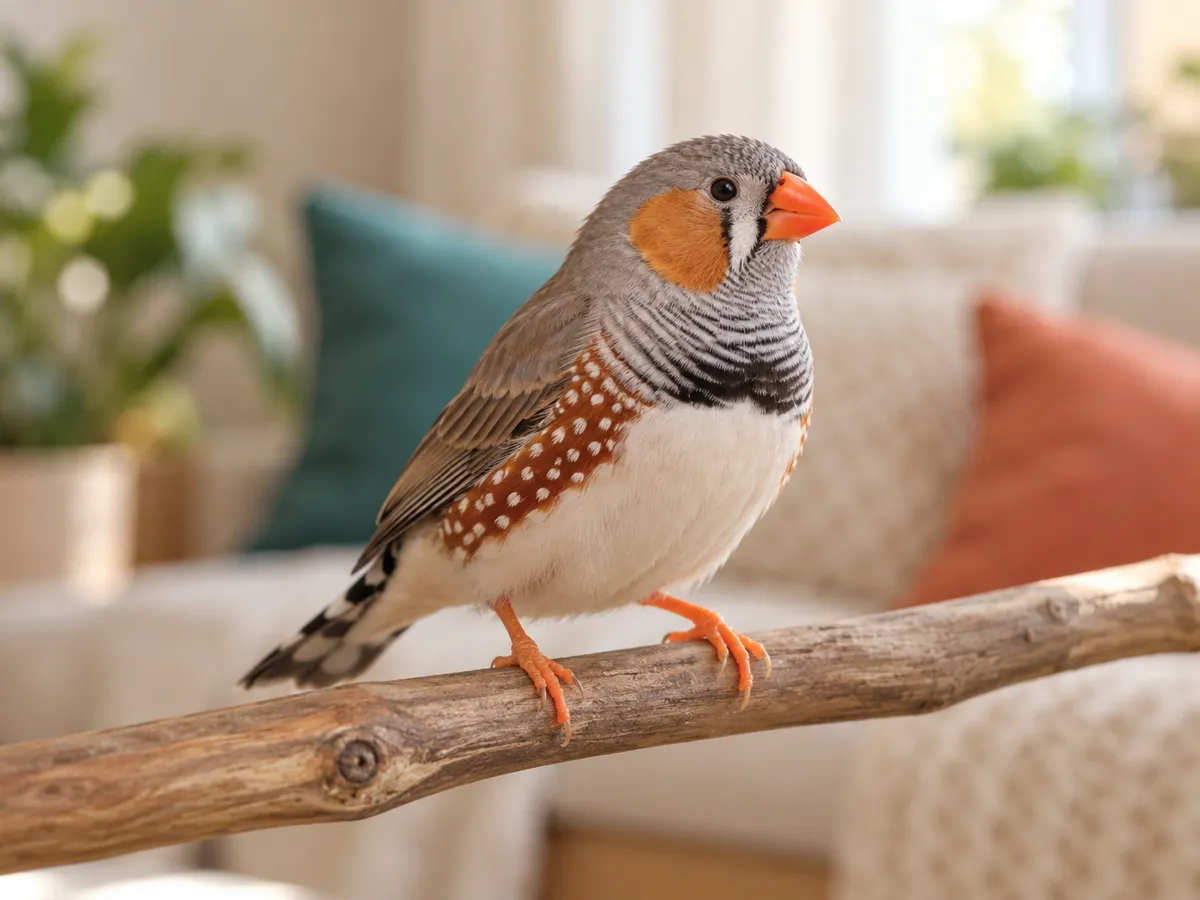 FinchWith cheerful chirping and a busy flock life, zebra finches are small birds that are happiest with their own kind in a large space where they can fly.Explore
Happier together
Create a free profile for your companion.
Enter the date of birth or an estimated age to see its life stage, weight history and matching guides in one place.
- Life-stage tracking
- Weight history
- Guides for its species
- Free account