

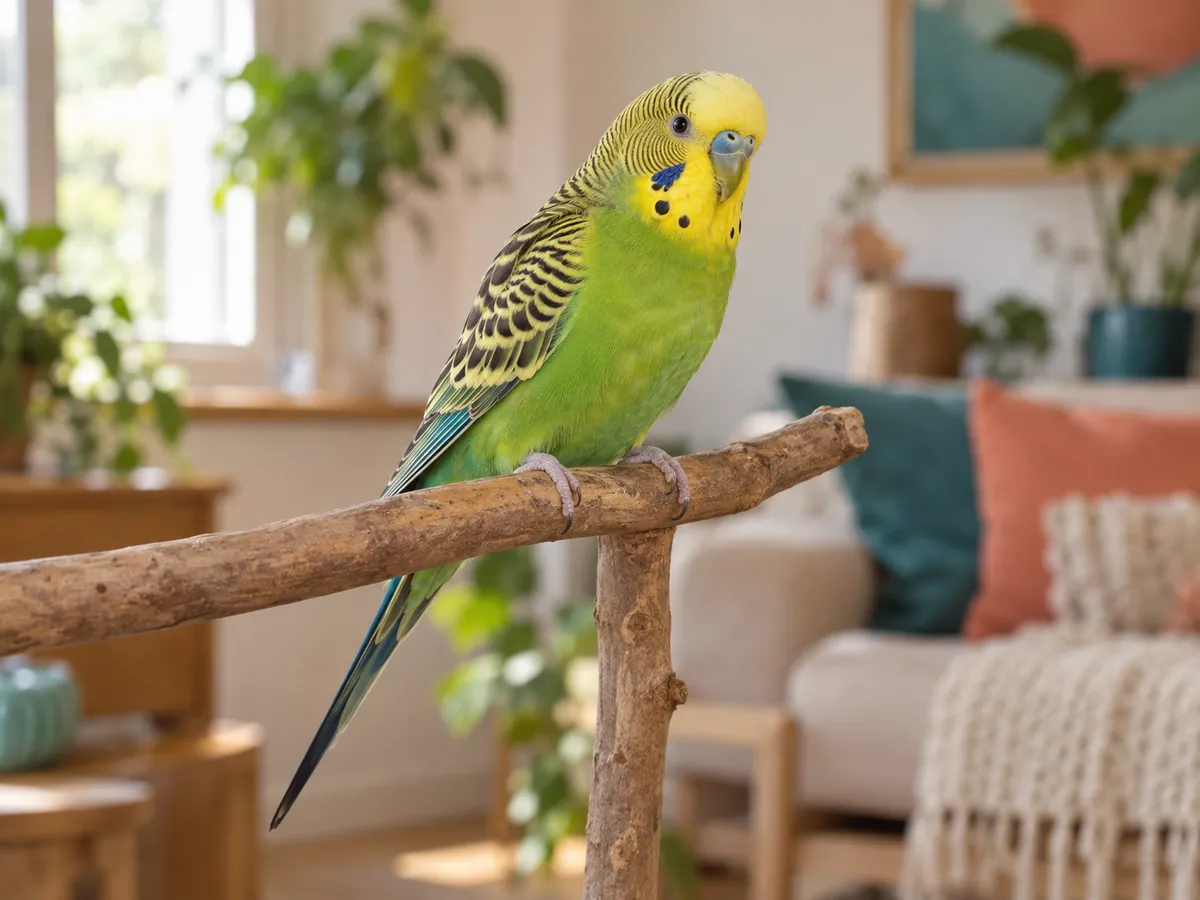
- Typical lifespan
- 5–12 years
- Social needs
- Should live in a group
- Active hours
- Active by day
- Experience level
- Suitable for beginners
Values are typical ranges and vary with breed, husbandry and the individual animal.
Quick care summary
The care essentials for Budgerigars.
- Social lifeBudgies are flock birds and do not like to live alone.
- CageWide enough to spread the wings fully, with horizontal bars and natural-branch perches.
- Daily flightFlying time outside the cage every day in a bird-safe room.
- FeedingA varied diet that is not only seed, and fresh water every day.
In depth
In short
- Budgies are flock birds; living with at least one of their own kind is recommended.
- They need time outside the cage every day to fly in a safe room.
- Cage width matters more than height; the bird must be able to flap its wings.
- The diet should not be seed alone; add fresh vegetables for variety.
- At night they want 10–12 hours of dark, quiet sleep.
Budgerigars are small parrots that live in large flocks on the open plains of Australia. Their natural life is built on company, flight and constant foraging. When these needs are met at home, they are extremely playful and communicative birds.
What is life with a budgie like?
Budgies chirp, play, preen and interact with each other throughout the day. Some can learn to mimic words and sounds, but not every bird talks. Building trust takes time and patience: let the bird approach you at its own pace.
Social life
A budgie living alone can become lonely when its owner is away for most of the day. Keeping them in pairs is usually recommended. If you do not want breeding, plan the birds' sexes in advance.
Cage and flight
- Cage: Choose a cage wide enough for the bird to fully open its wings and fly short distances, with horizontal bars.
- Perches: Natural branch perches of different thicknesses and materials are better for foot health.
- Daily flight: Give daily time out of the cage in a room with windows closed, curtains drawn, and mirrors and open water made safe.
- Enrichment: Chewable toys, swings and foraging games; rotate toys regularly.
Feeding routine
A seed-only diet is not balanced. A good-quality seed mix or pellet should be complemented with fresh vegetables and greens offered every day. Budgies can take time to accept new foods, so be patient and keep offering them. Fresh water should be changed every day.
Frequently asked questions
Do budgies talk?
Some budgies, especially males, learn to mimic words and sounds. But not every bird talks, and that does not mean it is unhappy.
Is wing clipping necessary?
Flying is one of a budgie's core behaviors. If you are considering wing clipping, discuss the pros and cons with a veterinarian experienced with birds.
Where should the cage go?
Close to family life but away from draughts, direct sunlight and kitchen fumes.
Good to know
The most important points.
- Sleep mattersBudgies benefit from 10–12 hours of uninterrupted sleep at night. Keeping the cage in a quiet room or covering it lightly at night can help.
- When to contact a vetBirds hide discomfort very well. If you notice anything unusual in appetite, activity or behavior, contact a veterinarian experienced with birds without delay.
Life stages
Approximate age ranges for Budgerigar and the priorities of each stage.

Similar animals
Other animals in the same group.
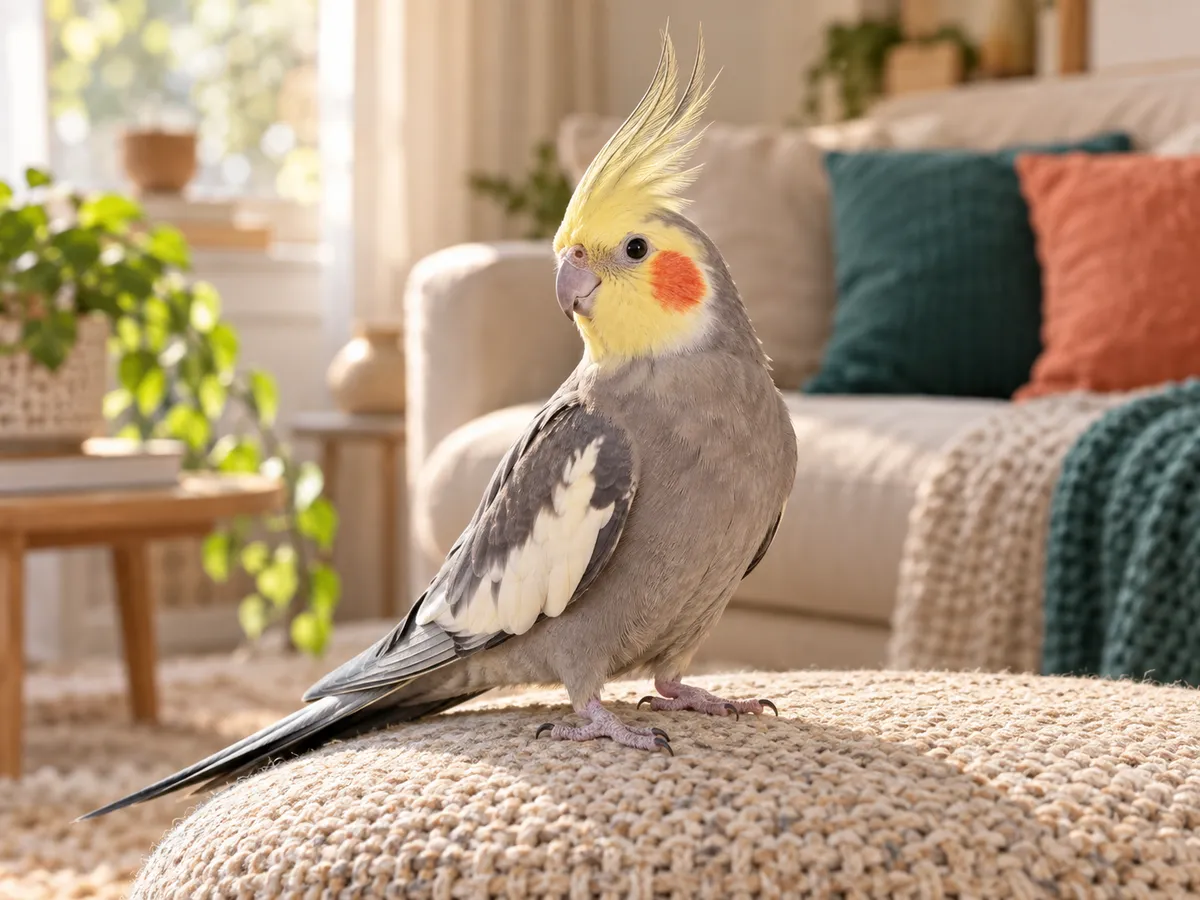 CockatielCockatiels show their feelings with their crests, love to whistle and bond closely with their people. These long-lived companions need social time, safe flight and a calm night routine.Explore
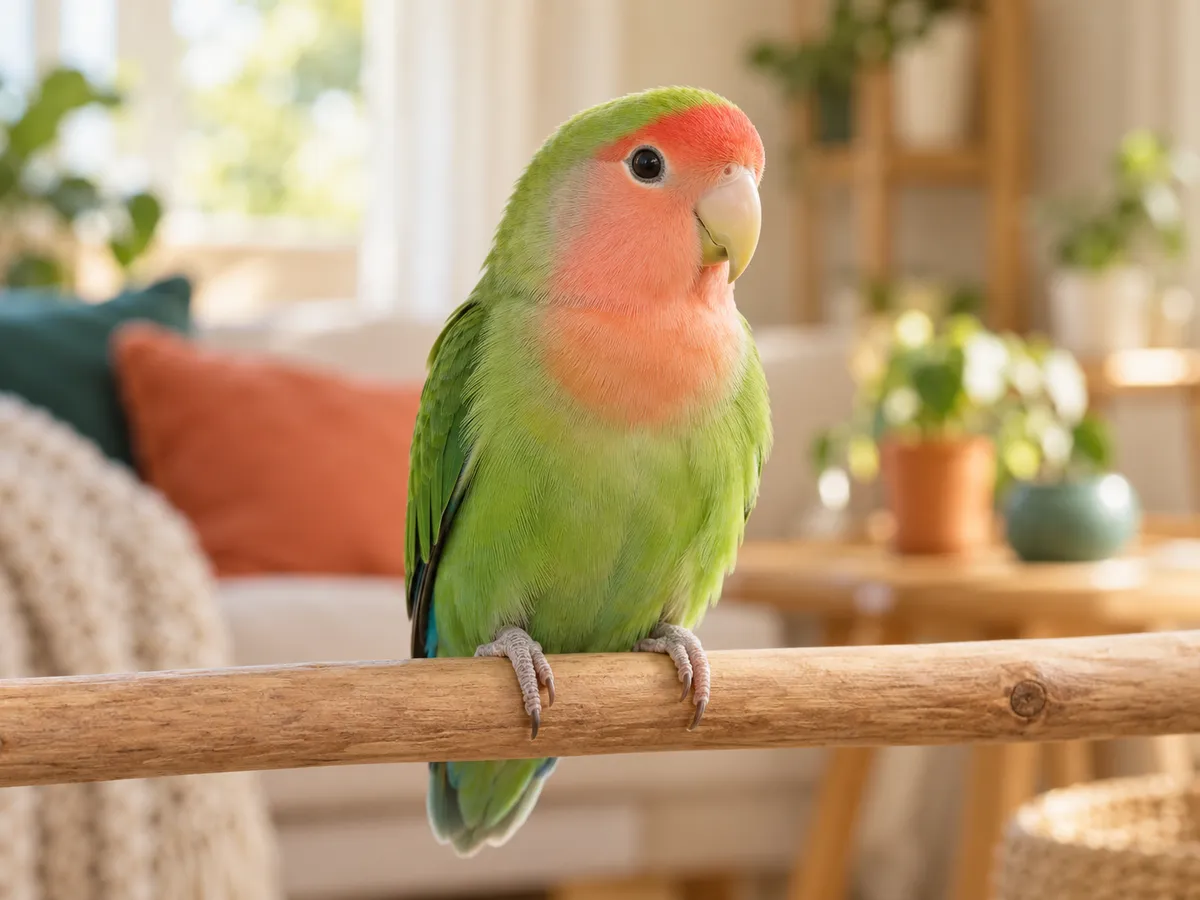 LovebirdSmall but bold, colourful and energetic, lovebirds (Agapornis) are deeply attached to their partners and people and need plenty of play and activity.Explore
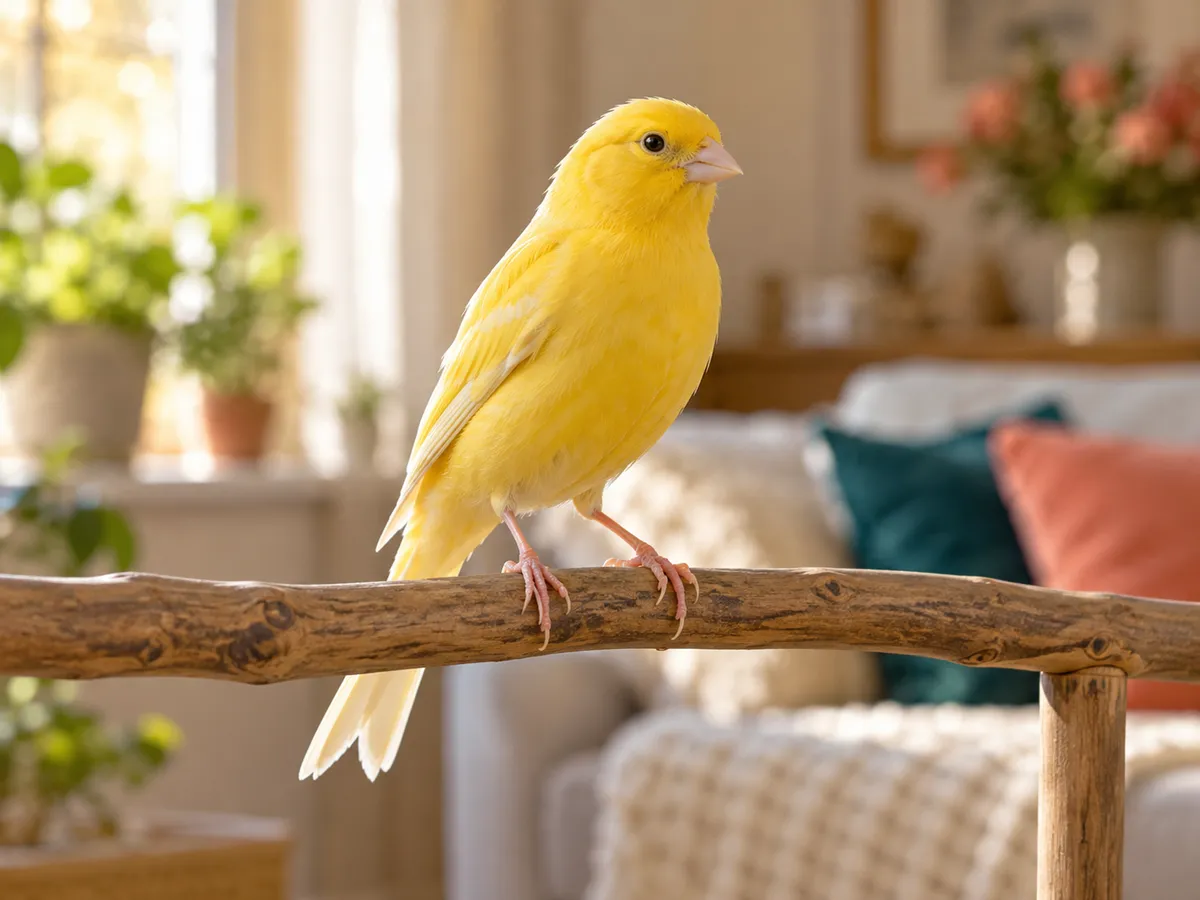 CanaryCanaries fill the home with song. They are elegant birds best enjoyed by watching and listening rather than handling, and they need room to fly.Explore
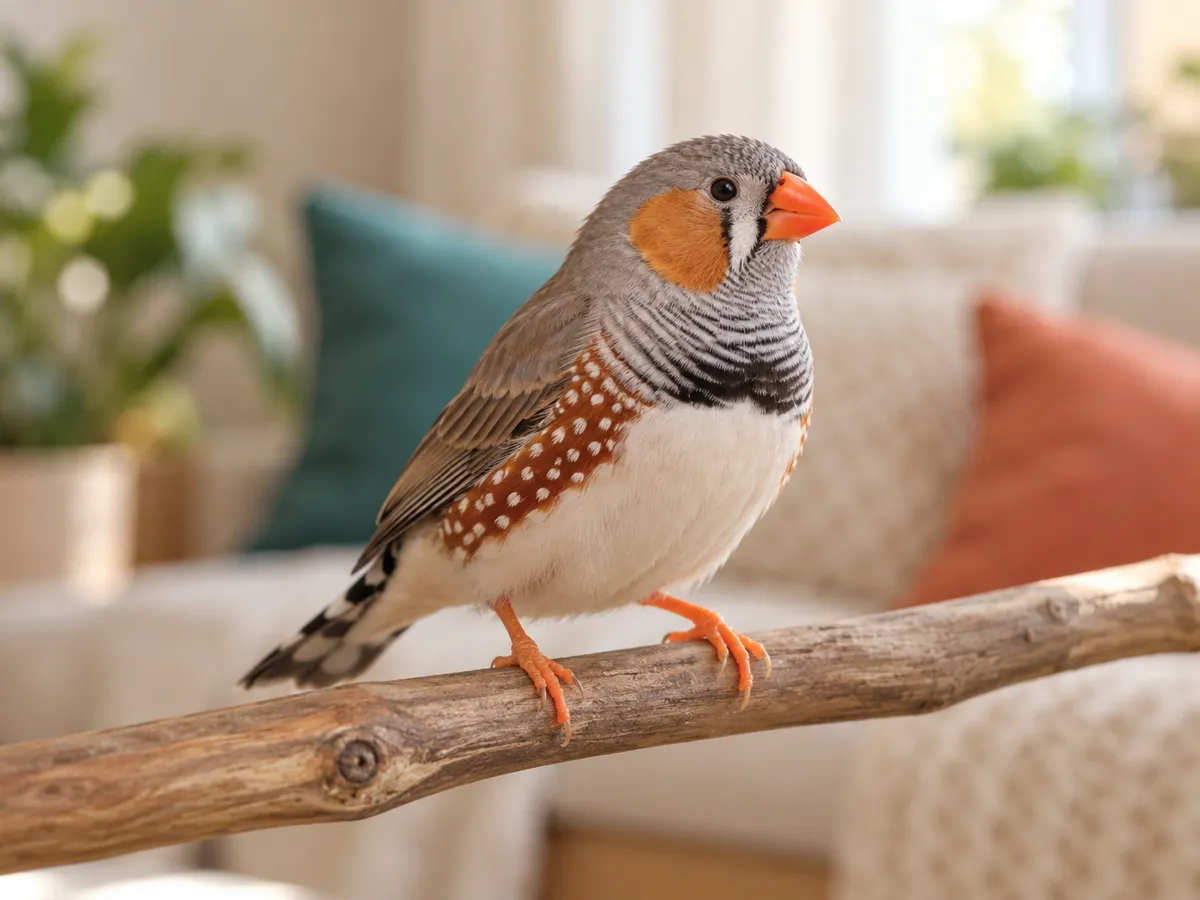 FinchWith cheerful chirping and a busy flock life, zebra finches are small birds that are happiest with their own kind in a large space where they can fly.Explore
Happier together
Create a free profile for your companion.
Enter the date of birth or an estimated age to see its life stage, weight history and matching guides in one place.
- Life-stage tracking
- Weight history
- Guides for its species
- Free account