

- Typical lifespan
- 15–20 years
- Social needs
- Should live with at least one companion of its kind
- Active hours
- Active by day
- Experience level
- Needs some experience
Values are typical ranges and vary with breed, husbandry and the individual animal.
Quick care summary
The care essentials for Cockatiels.
- Social lifeA bird that bonds with its people and needs attention and daily interaction.
- Flight and playA spacious cage, safe flying time every day and enrichment.
- Night routineA dark, quiet night; a dim light can help against night frights.
- FeedingA varied diet that is not only seed, and fresh water.
In depth
In short
- Cockatiels can live 15–20 years, sometimes longer; they are a long-term commitment.
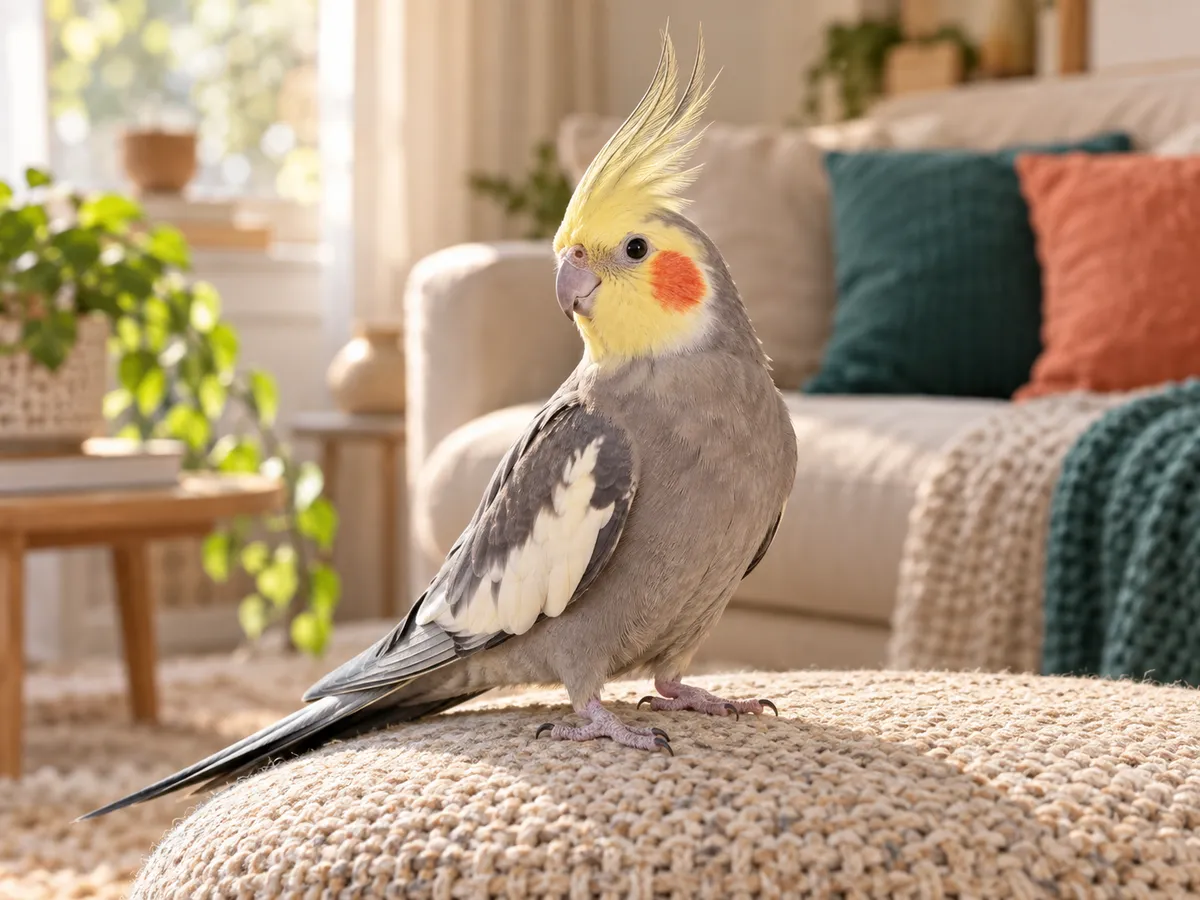
- The crest is an important clue for reading their mood.
- They are very social and want daily interaction and, ideally, a companion of their own kind.
- They can be prone to sudden night frights; a dim night light can help.
- The diet should be varied with fresh vegetables alongside pellets or a seed mix.
Cockatiels are the smallest members of the cockatoo family and come from Australia. With their gentle nature, melodic whistles and expressive crests, they are among the world's most popular pet birds.
What is life with a cockatiel like?
Cockatiels enjoy following their people around, sitting on a shoulder and trading whistles all day. The crest is a good mood indicator: an upright, raised crest can signal excitement or alertness, a relaxed crest tilted back suggests calm, and a crest held flat and tight against the head can signal unease.
Social life
These birds do not like being lonely. If they will be alone at home for long hours, a companion of their own kind can be a good idea. If you keep one bird, spending time together, talking and playing every day is essential.
Cage, flight and enrichment
- Choose a cage wide enough for the long tail and wings to open comfortably.
- Allow daily time to fly and roam outside the cage in a safe room.
- Offer chewable toys, foraging games and a variety of perches.
Night routine
Cockatiels can be startled in the dark by a sudden noise or shadow and thrash around the cage. Keeping the cage in a quiet room and leaving a dim night light on can help reduce this risk. In general they need 10–12 hours of rest at night.
Feeding routine
A good-quality pellet or seed mix can be the base, but the diet should be complemented with fresh vegetables and greens every day. A seed-only diet is not balanced. Fresh water should be changed daily.
Frequently asked questions
Do cockatiels talk?
Some learn a few words, but most are far better at whistling and copying melodies.
Are males or females tamer?
Every bird is an individual. Males usually whistle and "sing" more; females can be just as affectionate.
Can a cockatiel live with a budgie?
Because of differences in size and temperament, separate cages with supervised time together are usually recommended.
Good to know
The most important points.
- Feather dustCockatiels produce a fine "feather dust" to protect their feathers. You may notice dust at home; ventilating and cleaning the room regularly helps.
- When to contact a vetBirds can hide discomfort. If you notice an unusual change in appetite, activity or behavior, contact a veterinarian experienced with birds.
Life stages
Approximate age ranges for Cockatiel and the priorities of each stage.


Similar animals
Other animals in the same group.
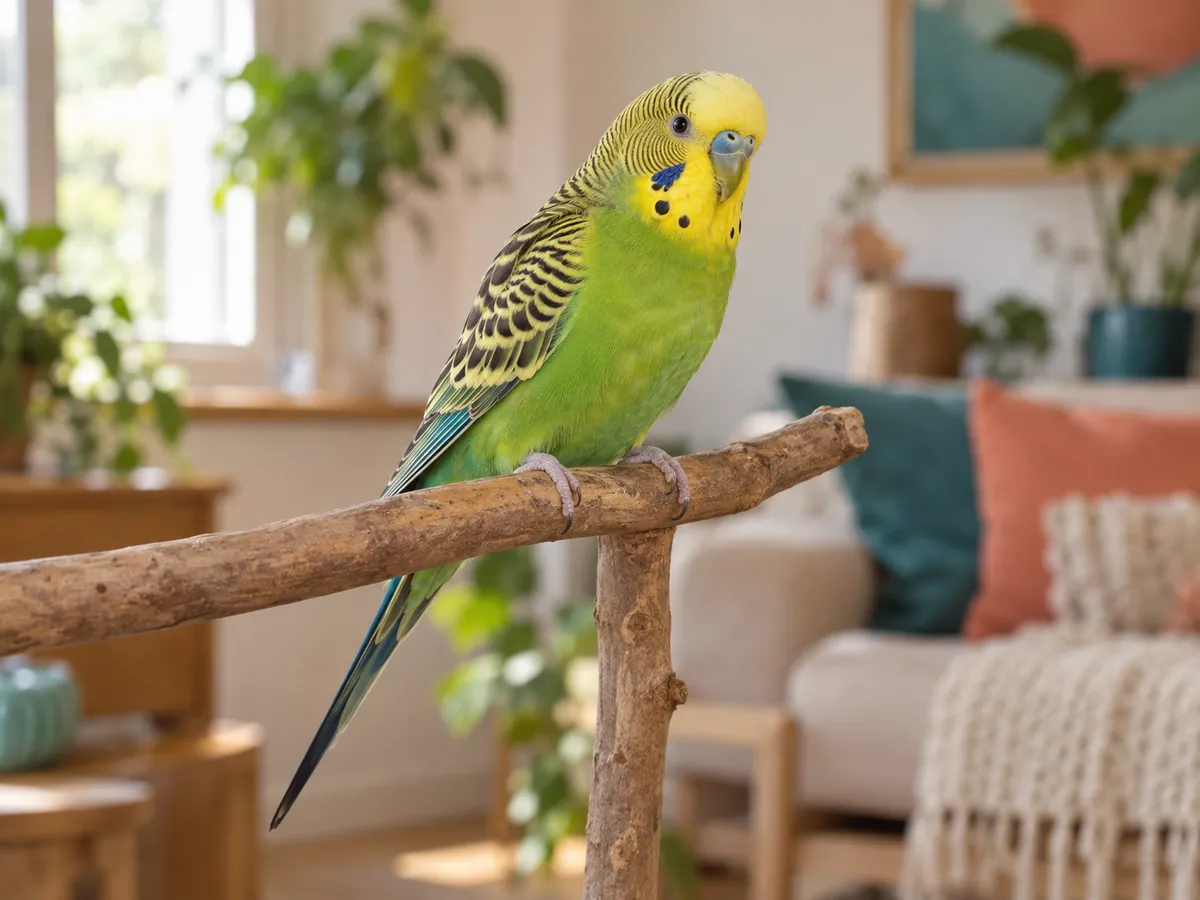 BudgerigarCheerful, chatty and wired to live in a flock, budgies are at their best with a companion, safe daily flight and a varied diet.Explore
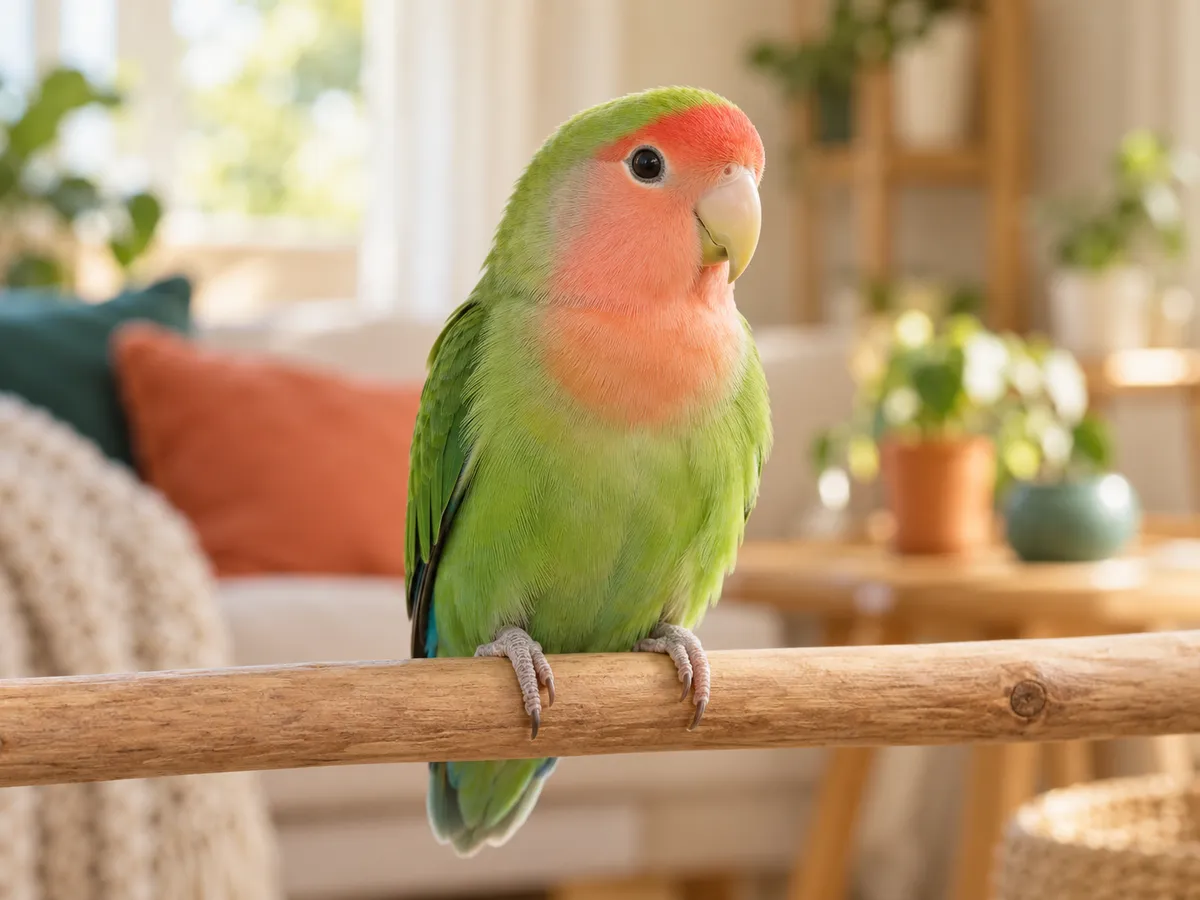 LovebirdSmall but bold, colourful and energetic, lovebirds (Agapornis) are deeply attached to their partners and people and need plenty of play and activity.Explore
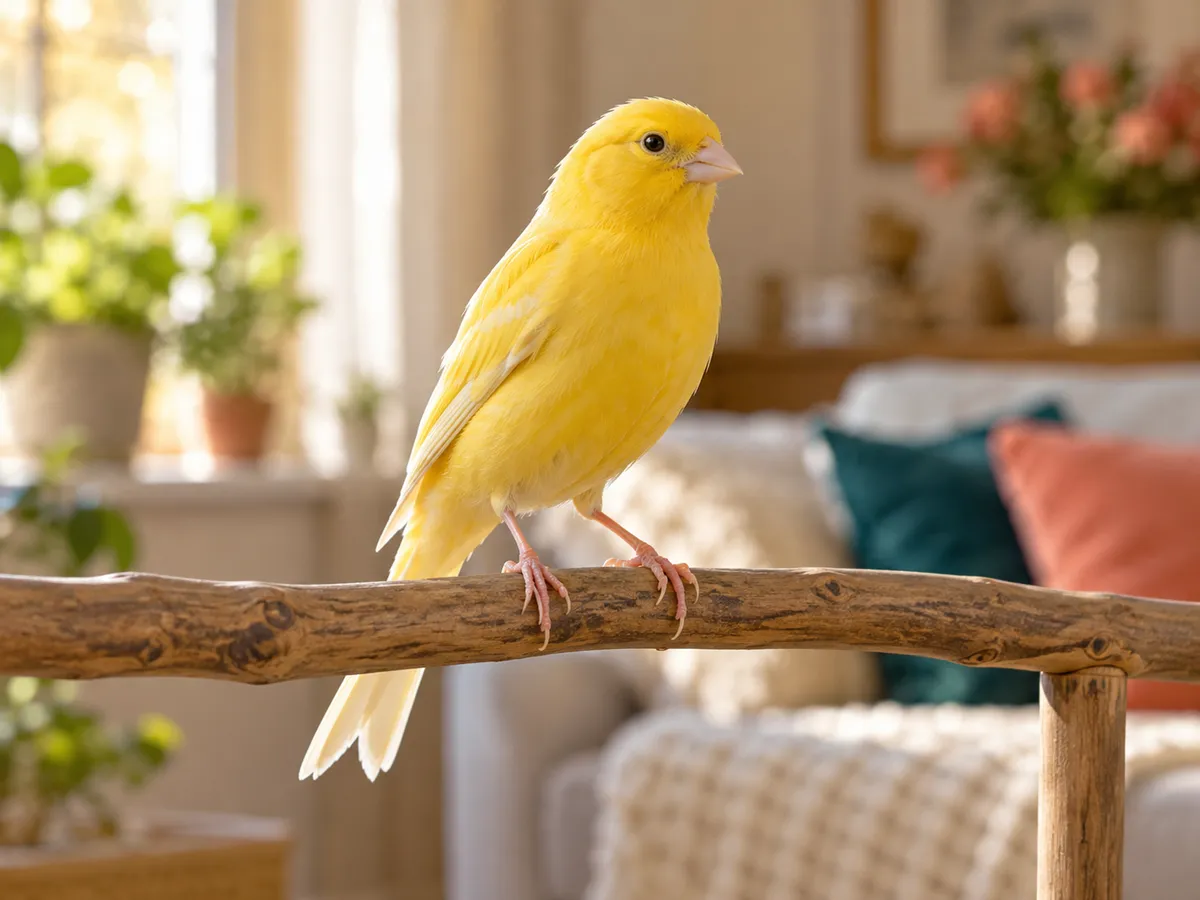 CanaryCanaries fill the home with song. They are elegant birds best enjoyed by watching and listening rather than handling, and they need room to fly.Explore
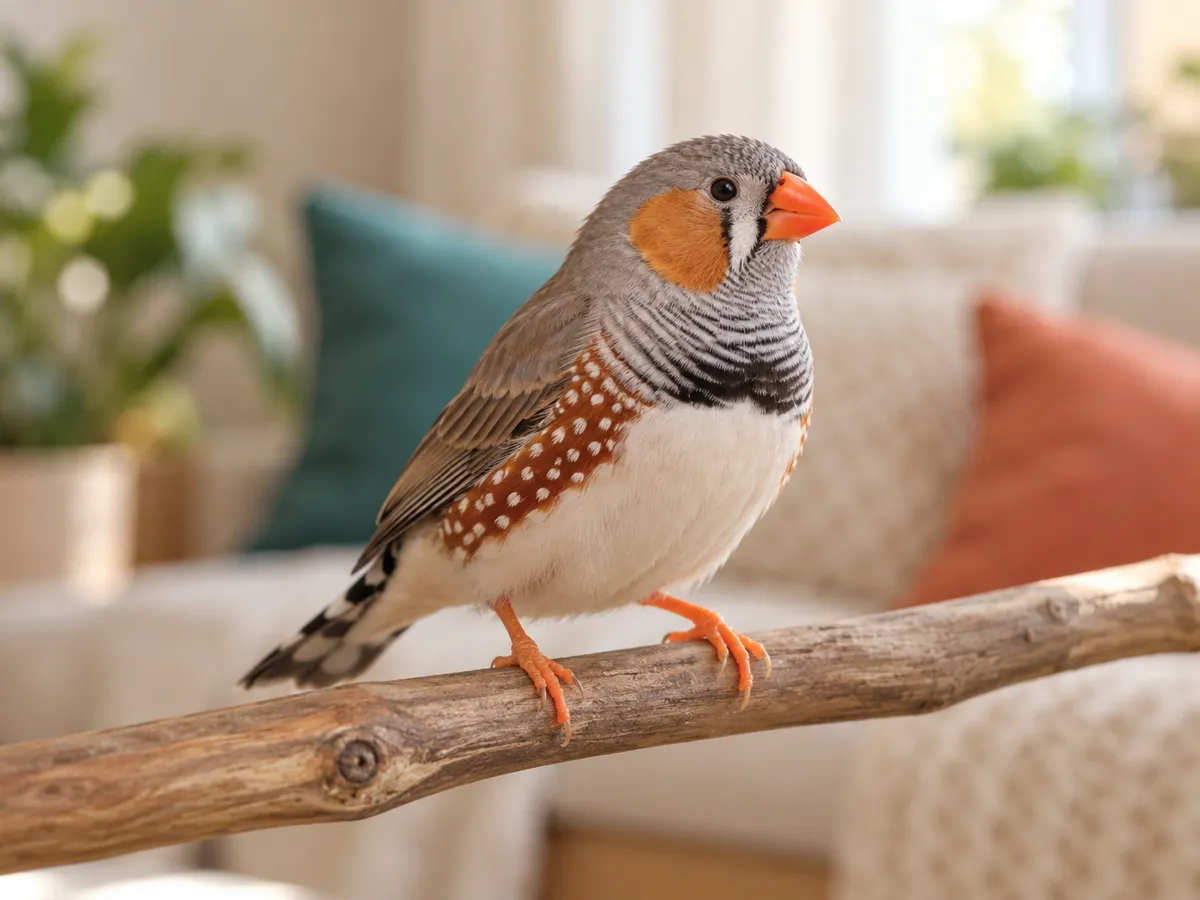 FinchWith cheerful chirping and a busy flock life, zebra finches are small birds that are happiest with their own kind in a large space where they can fly.Explore
Happier together
Create a free profile for your companion.
Enter the date of birth or an estimated age to see its life stage, weight history and matching guides in one place.
- Life-stage tracking
- Weight history
- Guides for its species
- Free account