

Guinea pigs
Chatty, social and fond of routine, guinea pigs make delightful companions when they have friends of their own kind, plenty of hay and a roomy space. Their need for vitamin C in the diet is a detail every owner should know.
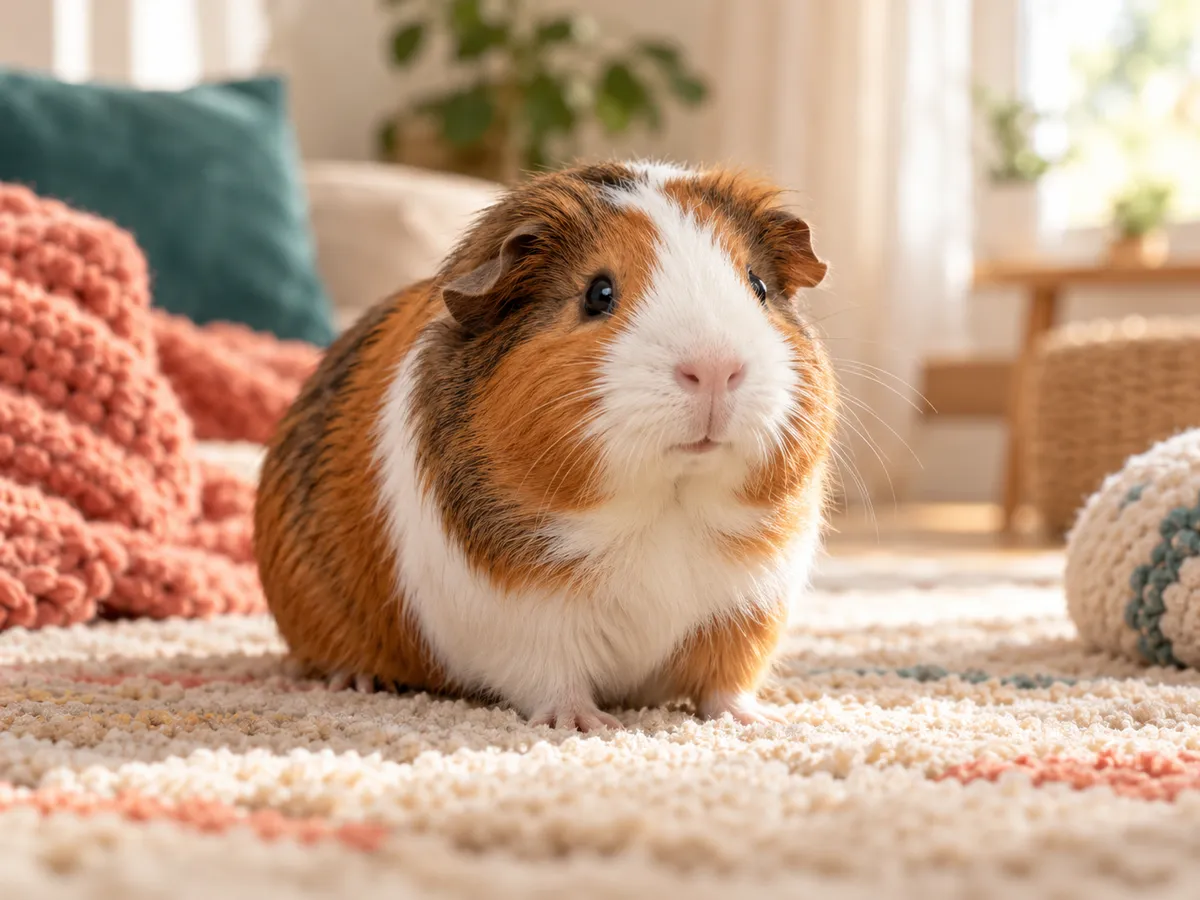
- Typical lifespan
- 5–8 years
- Social needs
- Should live in a group
- Active hours
- Active at dawn and dusk
- Experience level
- Suitable for beginners
Values are typical ranges and vary with breed, husbandry and the individual animal.
Quick care summary
The care essentials for Guinea pigs.
- HayAlways plenty and fresh; essential for digestion and wearing the teeth down.
- Vitamin CA variety of fresh vegetables every day; guinea pig pellets (rabbit food is not suitable).
- Social lifeGuinea pigs are herd animals and should live with their own kind.
- Living spacePlenty of floor space, hideouts and clean, dry bedding.
In depth
In short
- Guinea pigs are herd animals; living with at least one companion of their own kind is recommended.
- Unlimited hay is the foundation of their diet; their teeth grow throughout life.
- They cannot make vitamin C in their bodies, so they must get it from their diet.
- They need a large, flat space with hiding places.
- They communicate a lot with sounds, and over time you will learn their "language".
Guinea pigs (cavies) are social rodents originally from South America. With their sounds, little jumps and curiosity, they can bring real joy to a home. In a well-arranged environment they are calm, gentle and used to their people.
What is life with guinea pigs like?
Guinea pigs alternate between short naps and feeding periods throughout the day. Answering a familiar sound, such as the fridge door, with a high-pitched whistle is typical behavior. Being naturally timid, they are bothered by sudden movements and noise.
Social life
Guinea pigs are not suited to living alone. Living with at least one compatible companion is very important for their welfare. Plan the sex and breeding status of guinea pigs that will live together with your veterinarian.
Feeding routine
- Hay: Always plentiful and fresh. It is the key food for digestion and natural tooth wear.
- Fresh vegetables: A variety every day, especially those rich in vitamin C.
- Guinea pig pellets: Made for guinea pigs, in measured amounts. Rabbit food does not meet their needs.
- Water: Always clean and available.
Living space
Guinea pigs run and roam rather than jump and climb, so they need floor space, not height. A large area with a flat, soft floor and a separate hiding place for each guinea pig is ideal. Time to roam freely in a safe space during the day does them a lot of good.
Coat and nail care
Short-haired guinea pigs need little grooming; long-haired types need regular brushing. Nails can grow quickly and should be checked regularly.
Frequently asked questions
Can guinea pigs and rabbits live together?
It is generally not recommended. The two species have different dietary, communication and social needs; each lives better with a companion of its own kind.
How long do guinea pigs live?
Typically 5–8 years; good care has a positive effect on lifespan.
Why is my guinea pig whistling?
This high-pitched sound usually signals excitement or the expectation of food. Guinea pigs also purr, rumble and make other sounds, each with its own meaning.
Good to know
The most important points.
- Why vitamin C mattersLike humans, guinea pigs cannot produce vitamin C in their own bodies. Their daily diet needs to be planned to cover this need. Ask your veterinarian whether a supplement is needed.
- When to contact a vetGuinea pigs can hide discomfort. If you notice that one is eating less, losing weight or behaving differently than usual, contact a veterinarian experienced with exotic pets without delay.
Life stages
Approximate age ranges for Guinea pig and the priorities of each stage.


Similar animals
Other animals in the same group.
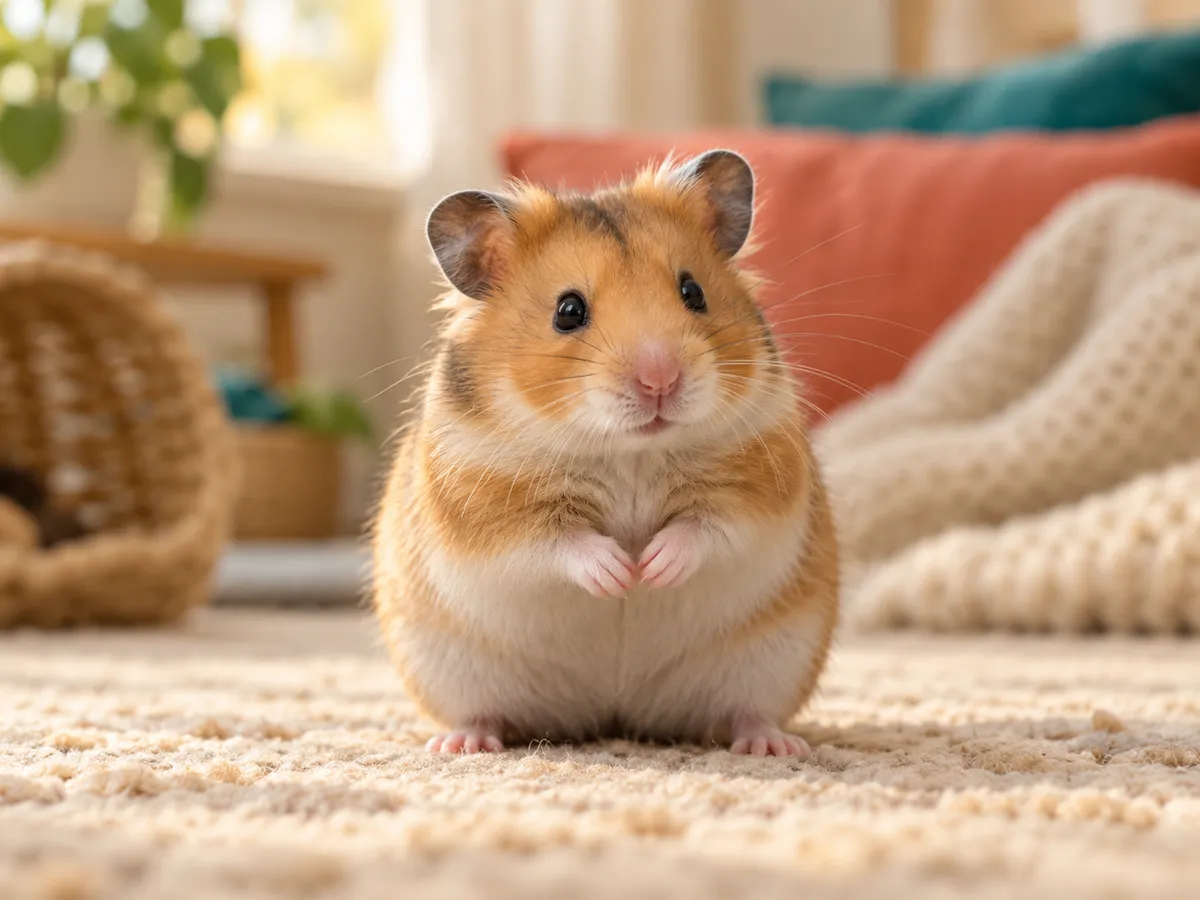 HamsterSmall animals with big needs: hamsters want to dig tunnels in deep bedding, run in a roomy space and explore at night. A well-built habitat is half of good hamster care.Explore
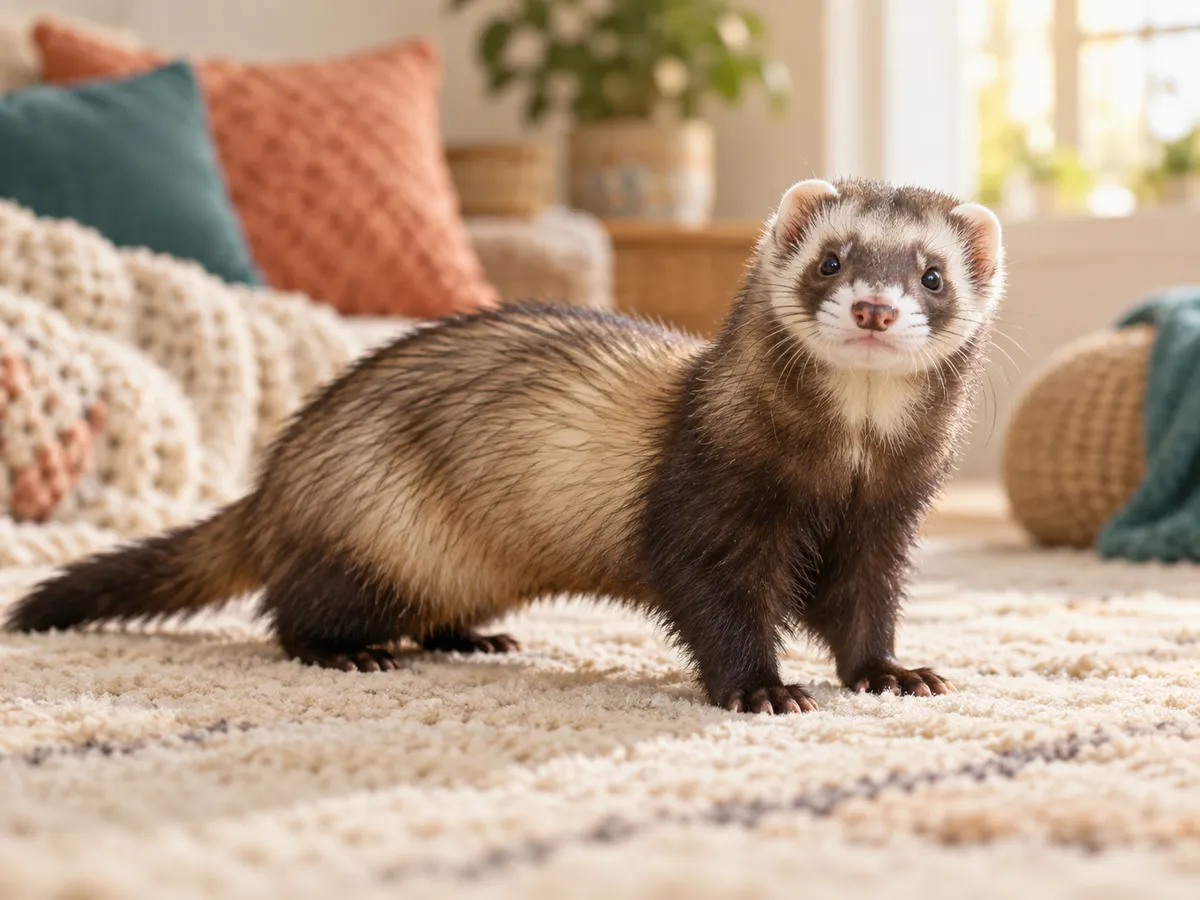 FerretCurious, playful and endlessly exploratory, ferrets need experience but give a lot back. A safe home, a carnivorous diet and plenty of play are their basic needs.Explore
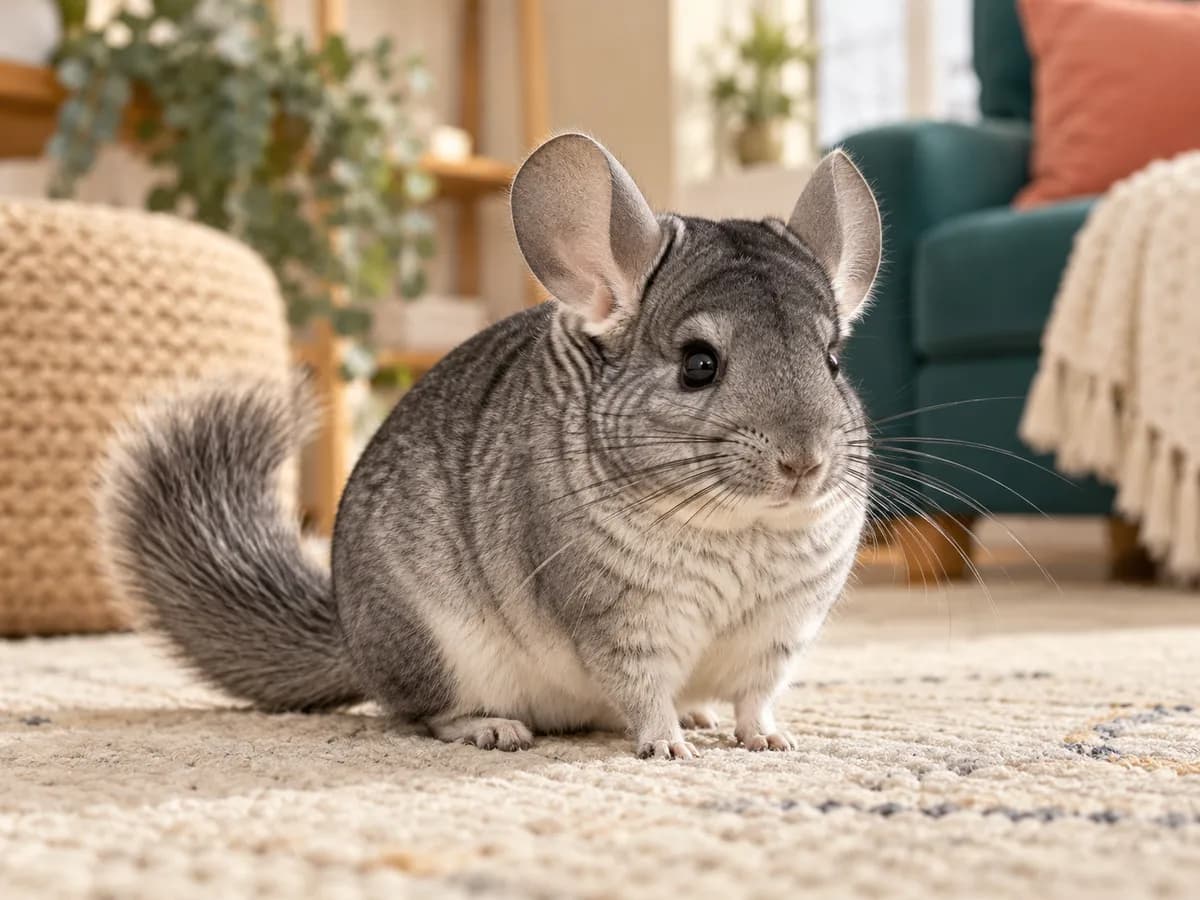 ChinchillaWith one of the densest coats in the world, chinchillas come from the cool, dry Andes. Dust baths, a cool home and plenty of hay are their basic needs.Explore
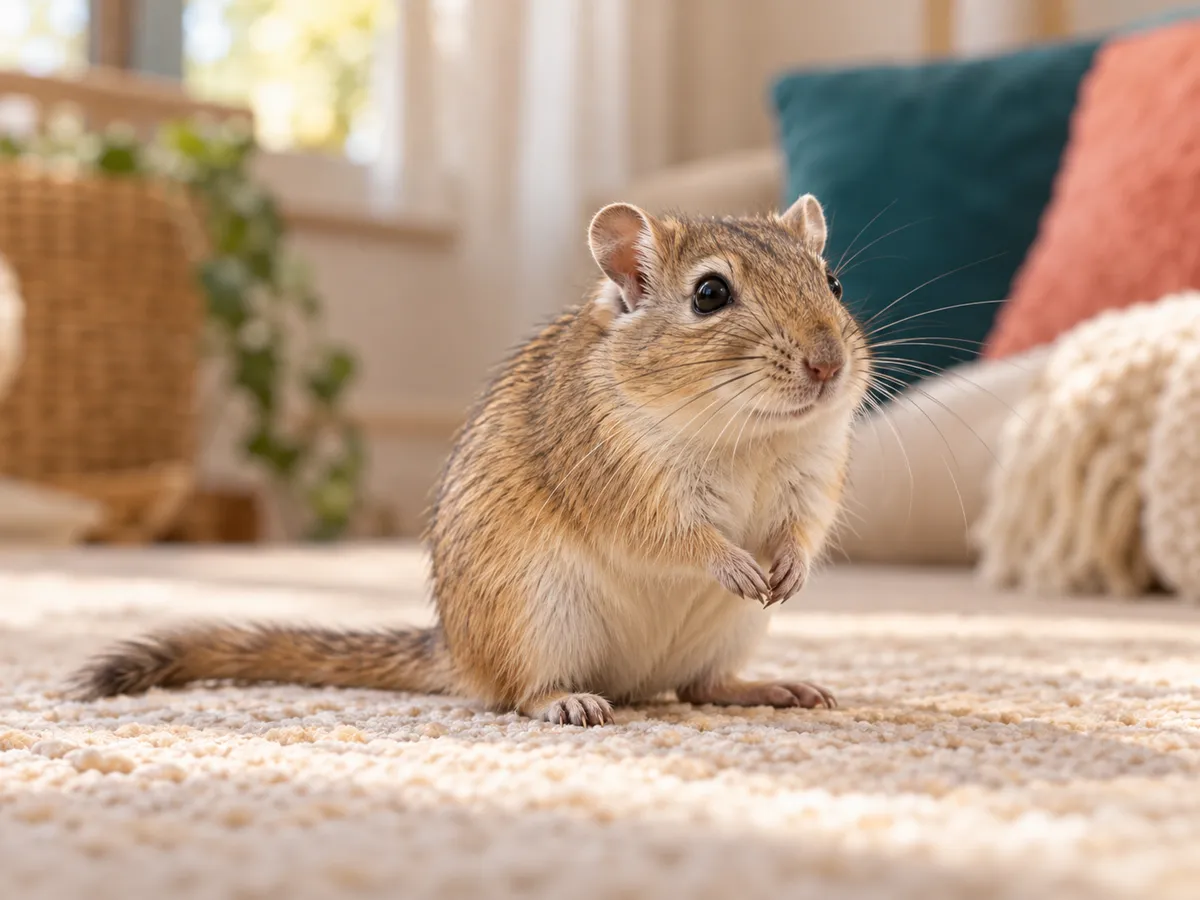 GerbilCurious, active by day and passionate diggers, gerbils are happiest with companions in deep bedding where they can build tunnels.Explore
Happier together
Create a free profile for your companion.
Enter the date of birth or an estimated age to see its life stage, weight history and matching guides in one place.
- Life-stage tracking
- Weight history
- Guides for its species
- Free account