

Pet rats
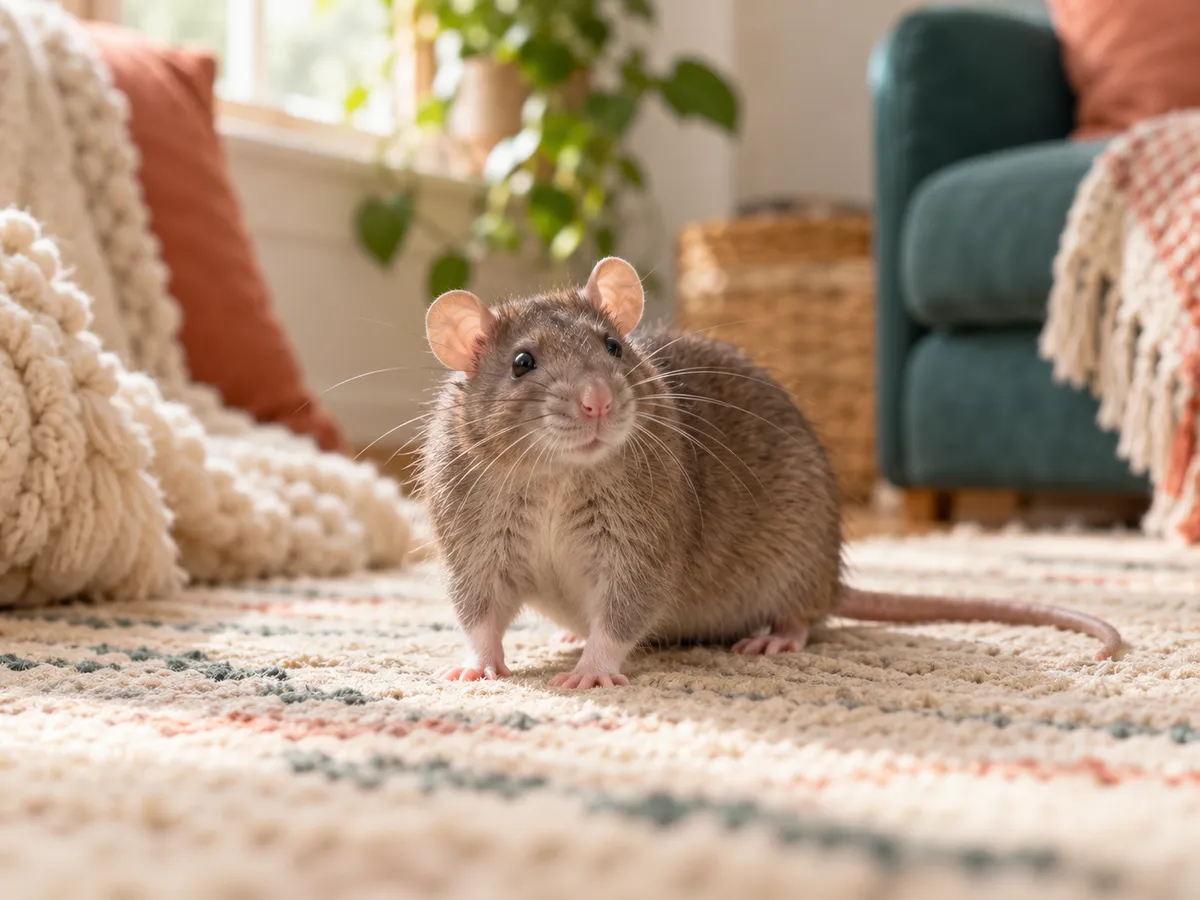
Clever, sociable and affectionate, pet rats are surprising companions that can learn their names, do tricks and form strong bonds with their people.
- Typical lifespan
- 2–3 years
- Social needs
- Should live in a group
- Active hours
- Active at dawn and dusk
- Experience level
- Suitable for beginners
Values are typical ranges and vary with breed, husbandry and the individual animal.
Quick care summary
The care essentials for Pet rats.
- Nature and behaviorCurious, playful and sociable.
- Living spaceA large, multi-level cage they can climb, enriched with hammocks, hiding places, tunnels and chew materials.
- Feeding routineA balanced block or pellet made for rats, plus small daily amounts of suitable fresh vegetables and fruit.
- Care notesIntroduce new rats gradually and under supervision.
In depth
In short
- Rats are very social and should live with at least one same-sex companion.
- They are clever; games and simple training make them happy.
- They need a large, multi-level cage and time out of the cage every day.
- Their lifespan is typically 2–3 years.
- With the right taming they love being handled.
Pet ("fancy") rats are domesticated from the brown rat and bred in many colours and patterns. Contrary to prejudice, they are clean, intelligent and affectionate animals.
Nature and behavior
Curious, playful and sociable. With their own kind they groom, play and sleep together; life becomes poorer for a rat kept alone. They bond strongly with their people and can learn to come to their name and do simple tricks.
Living space
A large, multi-level cage they can climb, enriched with hammocks, hiding places, tunnels and chew materials. Supervised time out of the cage in a safe room every day is very important.
Feeding routine
A balanced block or pellet made for rats, plus small daily amounts of suitable fresh vegetables and fruit. Clean water must always be available. Food puzzles and foraging games provide mental activity.
Care notes
- Introduce new rats gradually and under supervision.
- Keep the cage away from draughts and direct sunlight, and avoid dusty bedding.
Good to know
The most important points.
- When to contact a vetChanges can become important quickly in rats. If you notice anything different about appetite, breathing or activity, contact a veterinarian experienced with exotic pets.
Similar animals
Other animals in the same group.
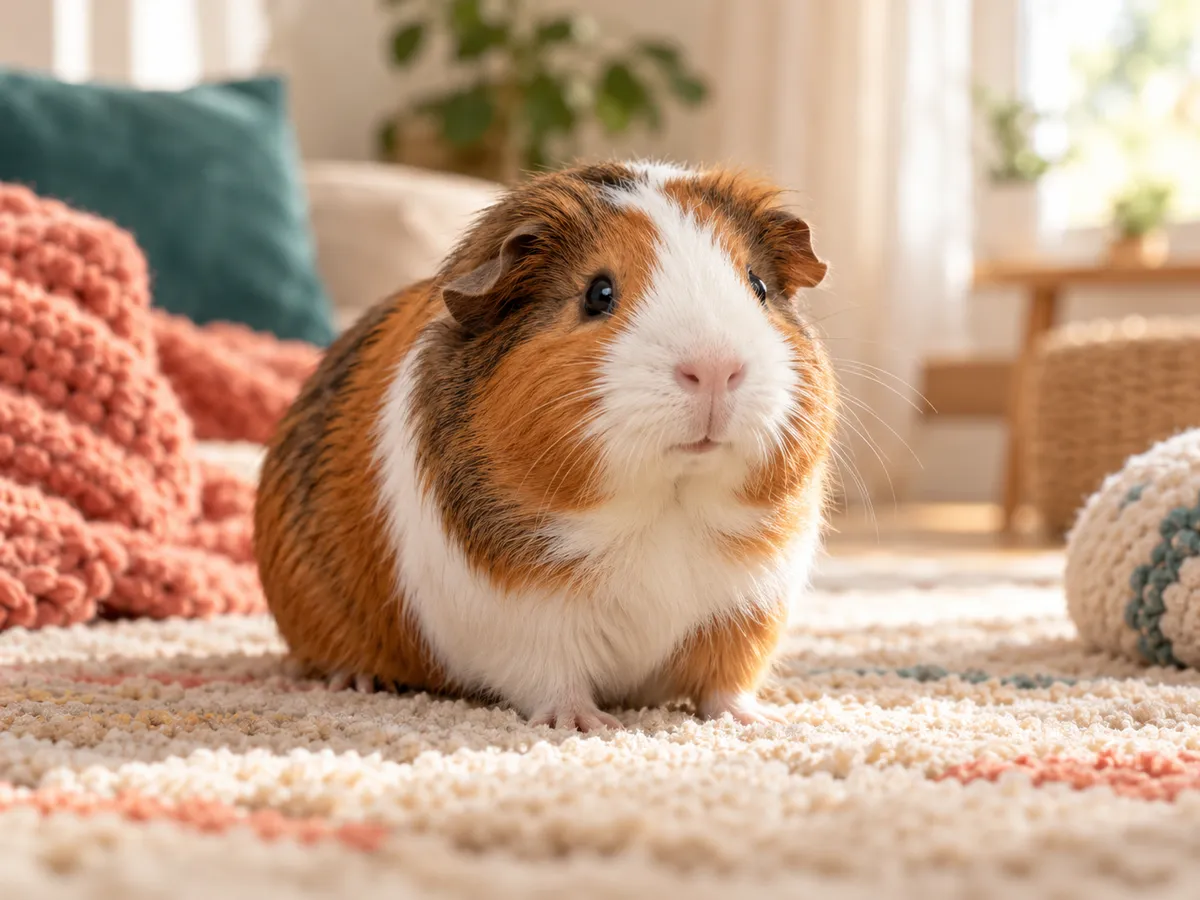 Guinea pigChatty, social and fond of routine, guinea pigs make delightful companions when they have friends of their own kind, plenty of hay and a roomy space. Their need for vitamin C in the diet is a detail every owner should know.Explore
 HamsterSmall animals with big needs: hamsters want to dig tunnels in deep bedding, run in a roomy space and explore at night. A well-built habitat is half of good hamster care.Explore
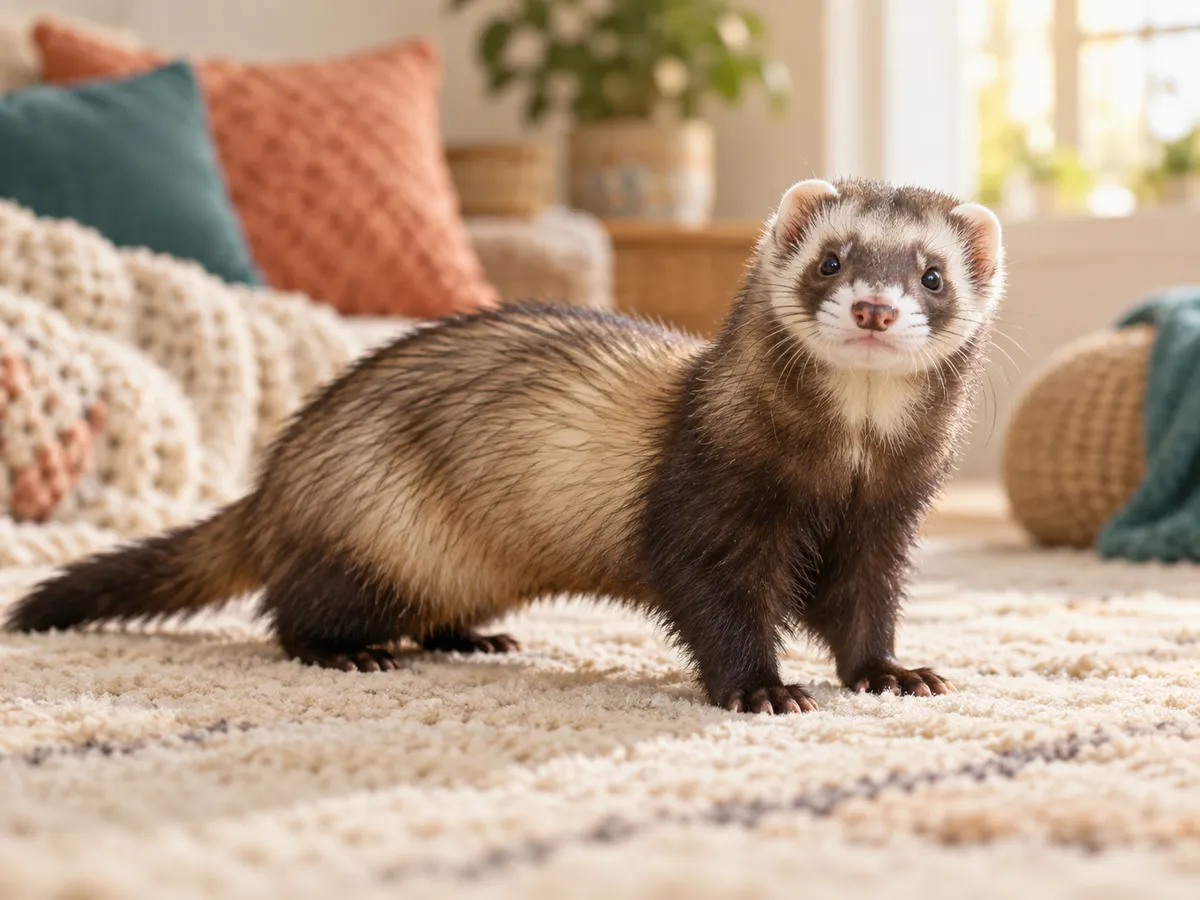 FerretCurious, playful and endlessly exploratory, ferrets need experience but give a lot back. A safe home, a carnivorous diet and plenty of play are their basic needs.Explore
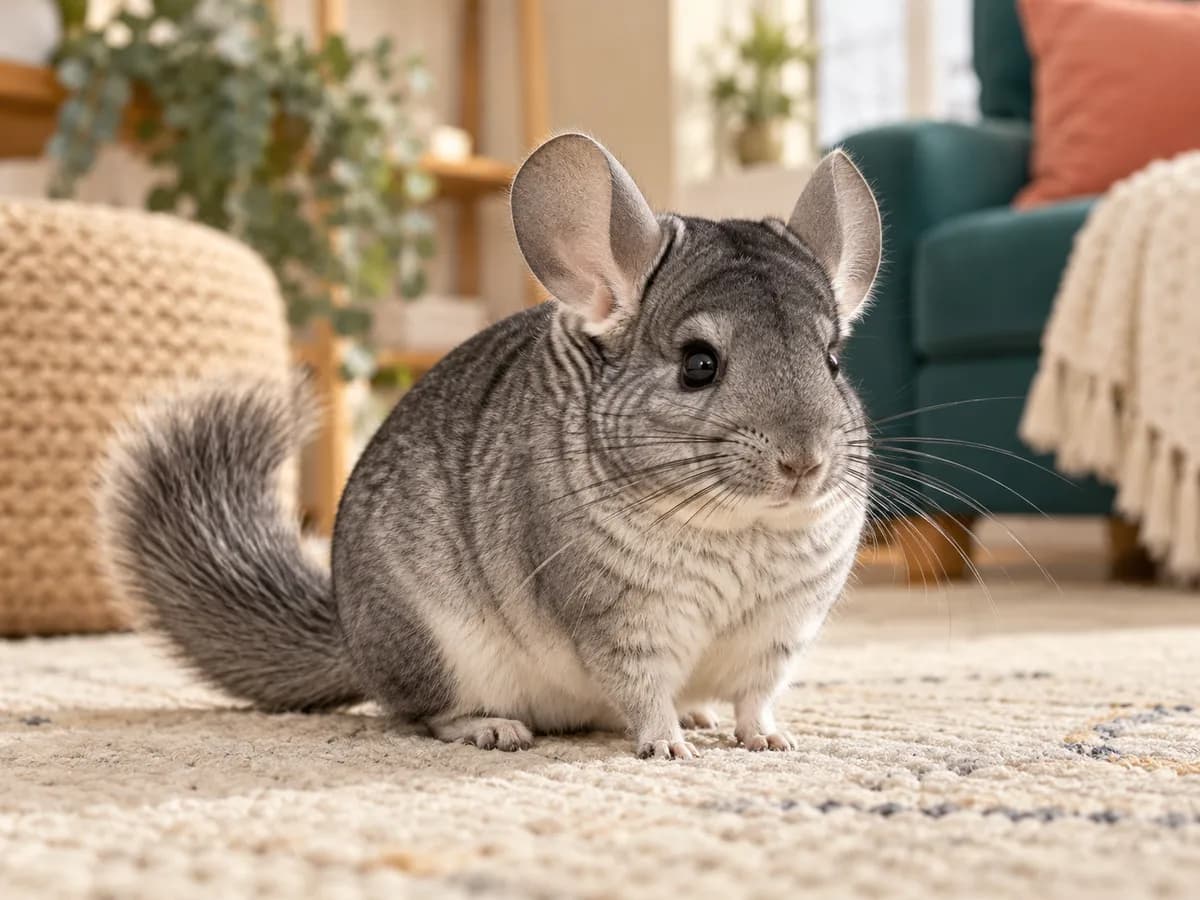 ChinchillaWith one of the densest coats in the world, chinchillas come from the cool, dry Andes. Dust baths, a cool home and plenty of hay are their basic needs.Explore
Happier together
Create a free profile for your companion.
Enter the date of birth or an estimated age to see its life stage, weight history and matching guides in one place.
- Life-stage tracking
- Weight history
- Guides for its species
- Free account