
- Typical lifespan
- 10–15 years
- Social needs
- Bonds closely with its human family
- Active hours
- Active by day
- Experience level
- Needs some experience
Values are typical ranges and vary with breed, husbandry and the individual animal.
Quick care summary
The care essentials for Dogs.
- ExerciseLeash walks, safe off-leash running and play, adjusted to age, breed and fitness.
- FeedingA complete, balanced food suited to age and activity, in measured portions.
- Resting placeA quiet, comfortable bed of its own, especially important for puppies and seniors.
- Care routineCoat, nail and dental care plus regular vet check-ups.
In depth
In short
- Dogs are social animals; spending most of the day alone is hard for them.
- Daily walking and play needs vary widely with breed, age and the individual dog.
- Short, consistent, reward-based training sessions give the most lasting results.
- Adjust feeding to age, size and activity, and check body condition regularly.
- Regular veterinary check-ups are the most reliable way to catch problems early.
Dogs have lived alongside people for thousands of years, and that long partnership has made them remarkably good at reading our faces, tone of voice and daily routines. Living with a dog means offering a safe home, a predictable day, enough exercise and clear communication. In return, most dogs form a deep bond with their family.
What is life with a dog like?
A dog's day usually revolves around a few fixed points: waking up and a toilet trip, meals, walks, play and long rest breaks. An adult dog spends a large part of the day sleeping or resting; that is not laziness but part of a healthy rhythm.
Breed differences are striking. Breeds developed for work, such as herding and gun dogs, often need more mental and physical activity. Small breeds can be more energetic than people expect. Still, every dog is an individual; breed is only a starting clue.
Daily needs
- Exercise: On-lead walks, off-lead running in safe areas, and play. Duration and intensity should suit the dog's age, breed and fitness.
- Mental activity: Sniff walks, food puzzles and short training games. Using the nose both tires and calms a dog.
- Company: Dogs should be taught gradually to spend time alone. If your dog is alone for long hours, plan a visitor or dog walker during the day.
- Rest: A quiet, comfortable bed of their own, which matters especially for puppies and older dogs.
Feeding routine
A food labelled "complete and balanced" for your dog's age and size is a good starting point. The portion guide on the pack is only a guide; your dog's body condition is what really counts. If you can feel the ribs with light pressure and see a waist from above, you are usually on the right track.
Change foods gradually over several days and always keep fresh water available. Some human foods can be dangerous for dogs, so check with your veterinarian before sharing food from your plate.
Training and communication
Dogs learn best when a reward immediately follows the right behavior. Short (5–10 minute), fun and consistent sessions work better than long, tiring ones. Punishment-based methods can cause fear and loss of trust and are not recommended.
Coat, nail and dental care
Depending on coat type, brushing ranges from once a week to every day. If nails "click" on the floor, they may need trimming. Getting your dog used to having paws, ears and mouth handled from an early age makes home care and vet visits much easier.
A regular relationship with your vet
Regular check-ups matter even for a dog that looks healthy. Agree a preventive care plan (vaccinations, parasite protection and so on) with your veterinarian based on your dog's lifestyle.
Frequently asked questions
How much should my dog walk each day?
There is no single right amount. Energetic and working breeds often want several long activities a day, while some small or older dogs are happy with shorter, more frequent walks. A dog that settles and rests after a walk is a good sign.
Can dogs be left alone?
With gradual training they can learn to stay alone for short periods. But dogs are social animals, and being alone for long hours every day is not appropriate.
Which breed is right for me?
The size of your home, your daily time, your activity level and how much time you can give to grooming are the most important criteria. The energy and care scales on our breed pages can help you decide.
Good to know
The most important points.
- Small but effectiveIf everyone at home uses the same cue words, your dog will learn much faster. Choose words like "sit", "come" and "leave it" together.
- When to contact a vetIf you notice an unusual change in your dog's appetite, energy, behavior or toilet habits, contact your veterinarian without waiting. In an emergency, go to the nearest veterinary clinic.
Life stages
Approximate age ranges for Dog and the priorities of each stage.


Dog breeds
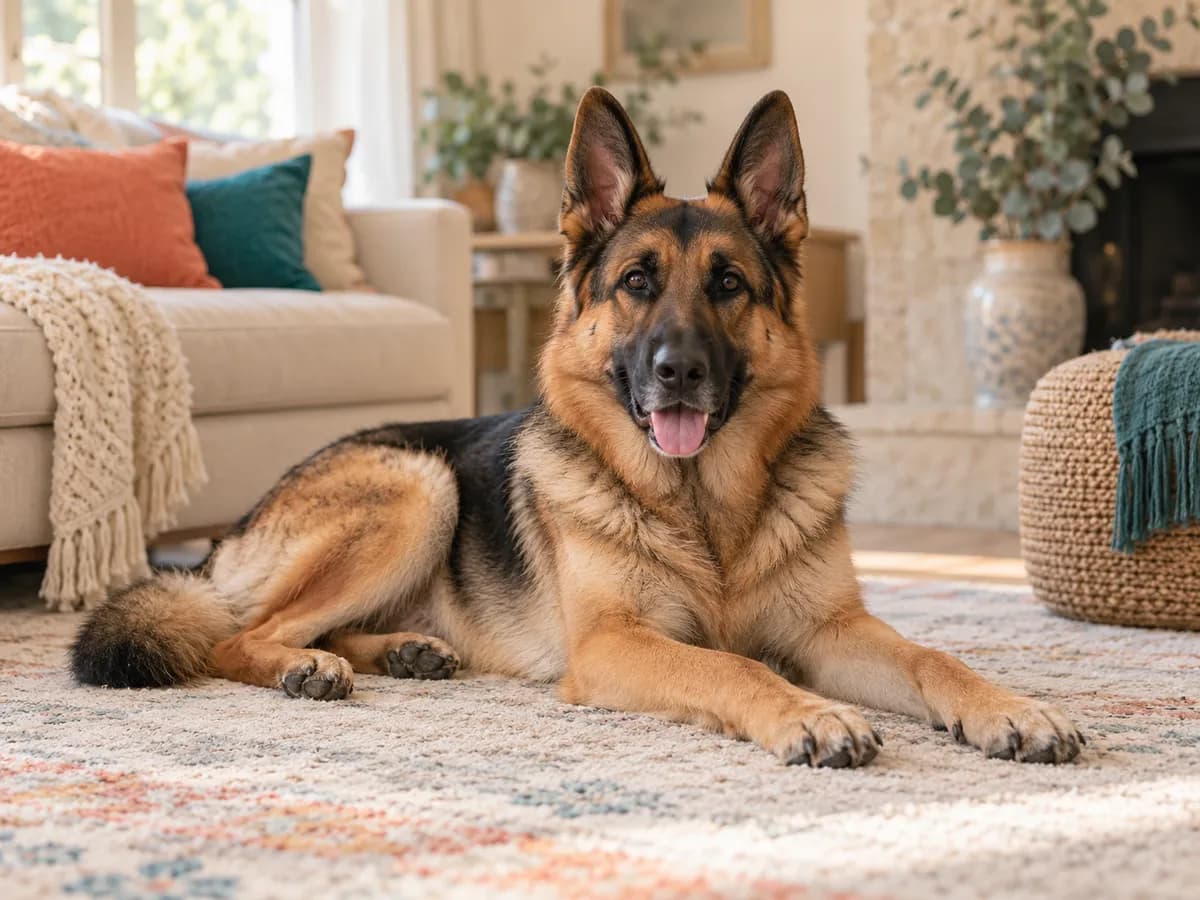
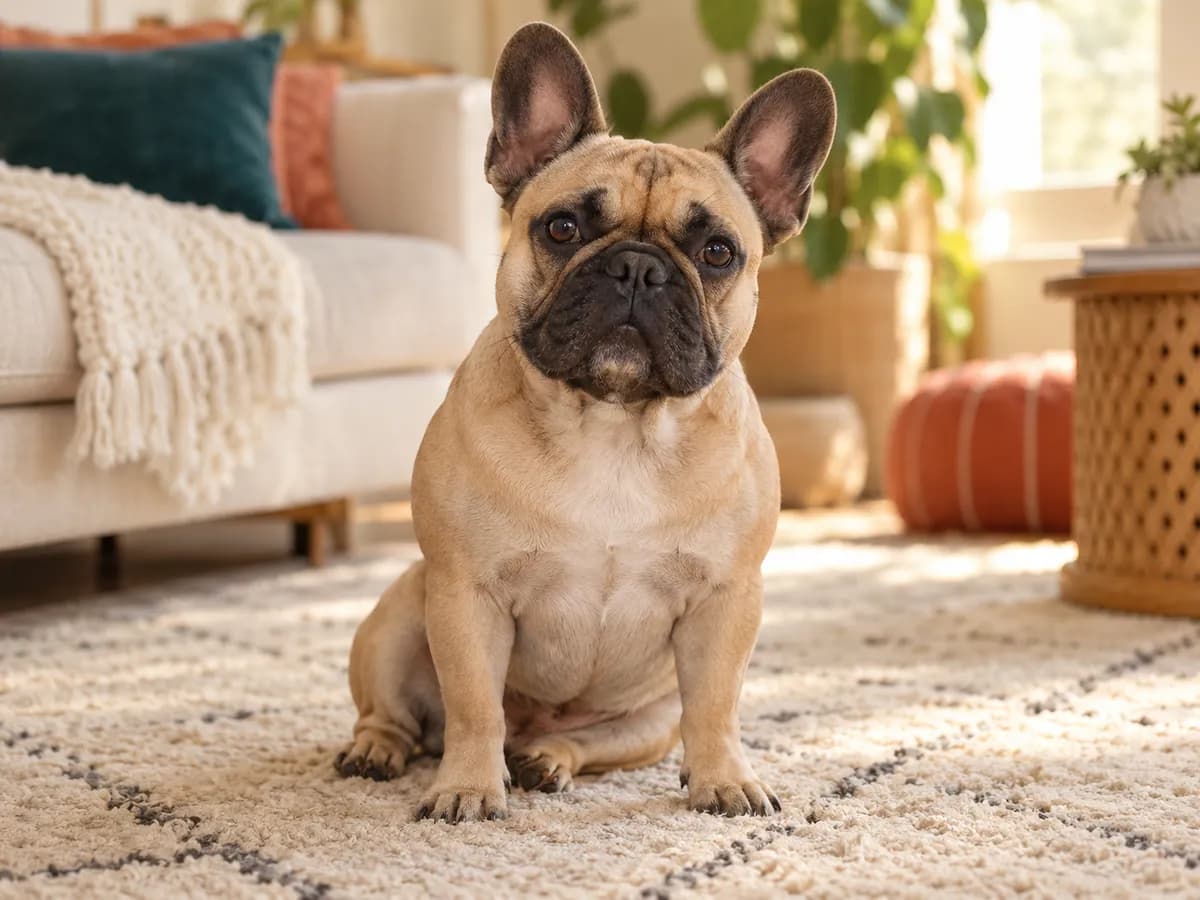
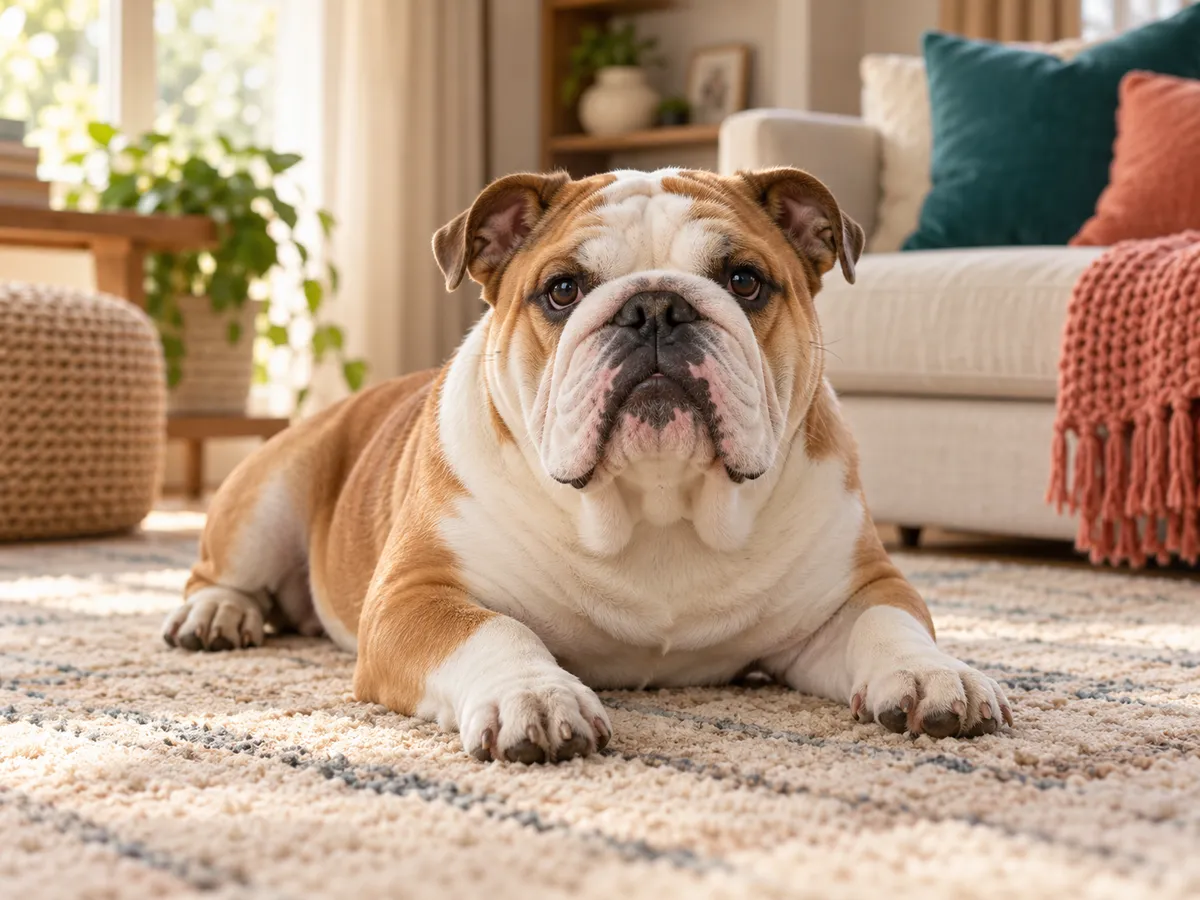
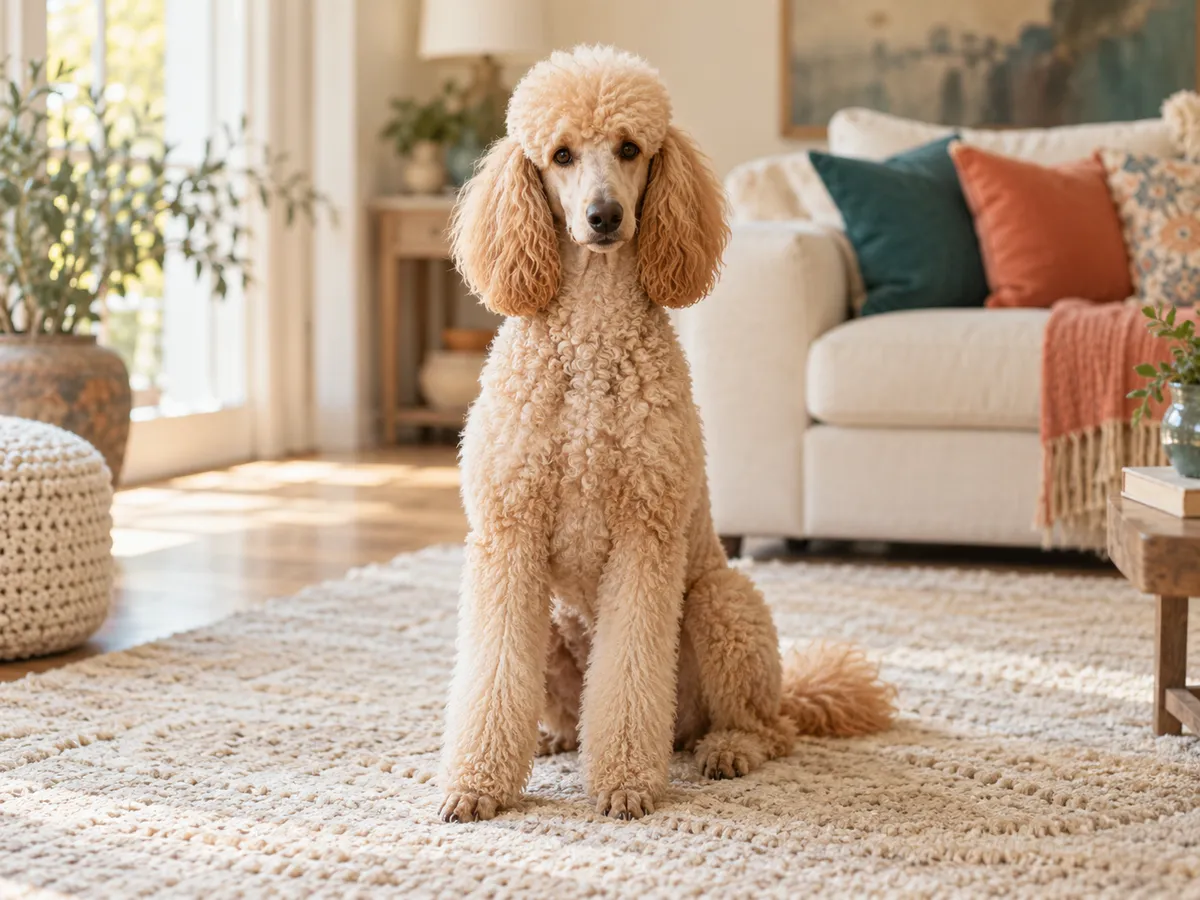
Size, energy and care needs of popular breeds.
Happier together
Create a free profile for your companion.
Enter the date of birth or an estimated age to see its life stage, weight history and matching guides in one place.
- Life-stage tracking
- Weight history
- Guides for its species
- Free account