

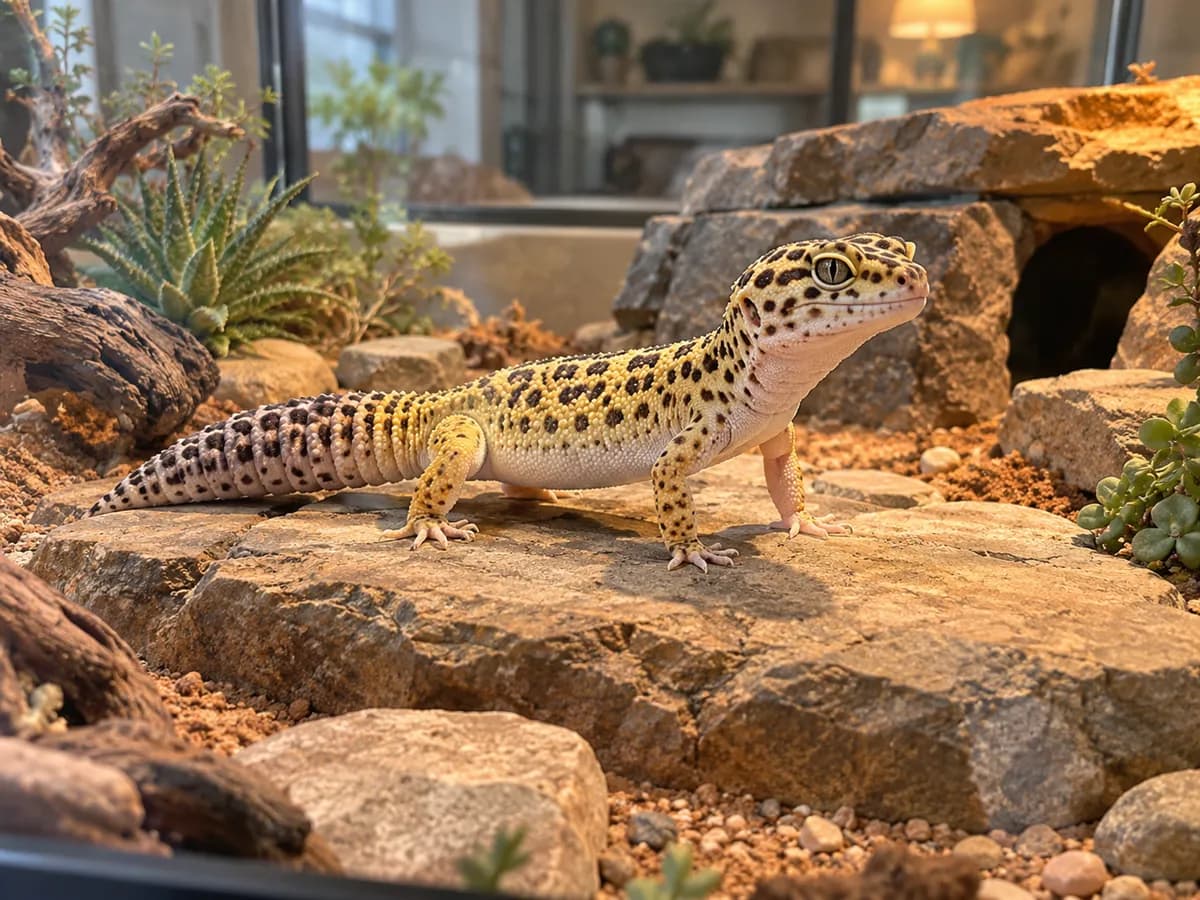
- Typical lifespan
- 10–20 years
- Social needs
- Prefers to live alone
- Active hours
- Active at dawn and dusk
- Experience level
- Suitable for beginners
Values are typical ranges and vary with breed, husbandry and the individual animal.
Quick care summary
The care essentials for Leopard geckos.
- HeatA thermostat-controlled heat source on one side; measure both warm and cool ends.
- HidesAt least three: one warm, one cool and a slightly damp humid hide.
- LightA clear day–night cycle; discuss low-level UVB with an expert.
- FeedingEats insects; agree insect size and supplements with your vet.
In depth
In short
- Leopard geckos are active at dusk and like to hide during the day.
- The vivarium needs separate hides: warm, cool and humid.
- The heat source must always be controlled by a thermostat.
- They eat insects, which are usually dusted with calcium.
- Never hold them by the tail; they can drop it when they feel threatened.
Leopard geckos (Eublepharis macularius) come from the rocky, semi-arid regions of South Asia. Unlike many geckos they have movable eyelids and cannot climb walls. Their calm nature and relatively manageable care make them popular with people who want to get to know reptiles.
Setting up the vivarium
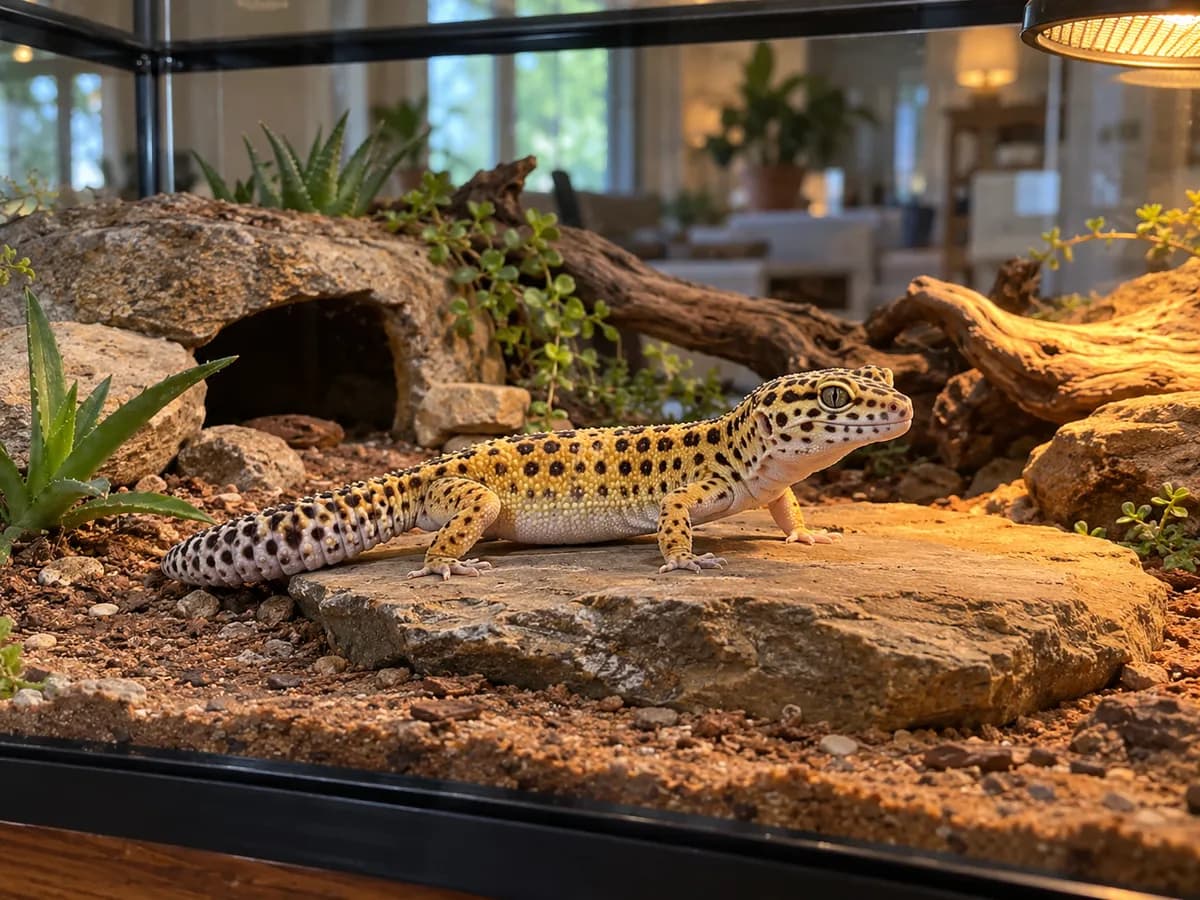
- Size: An adult leopard gecko needs a vivarium with plenty of floor space and clearly separate warm and cool areas.
- Heat: The heat source should be at one side and must be connected to a thermostat. Measure temperatures on the warm and cool sides regularly with a digital thermometer.
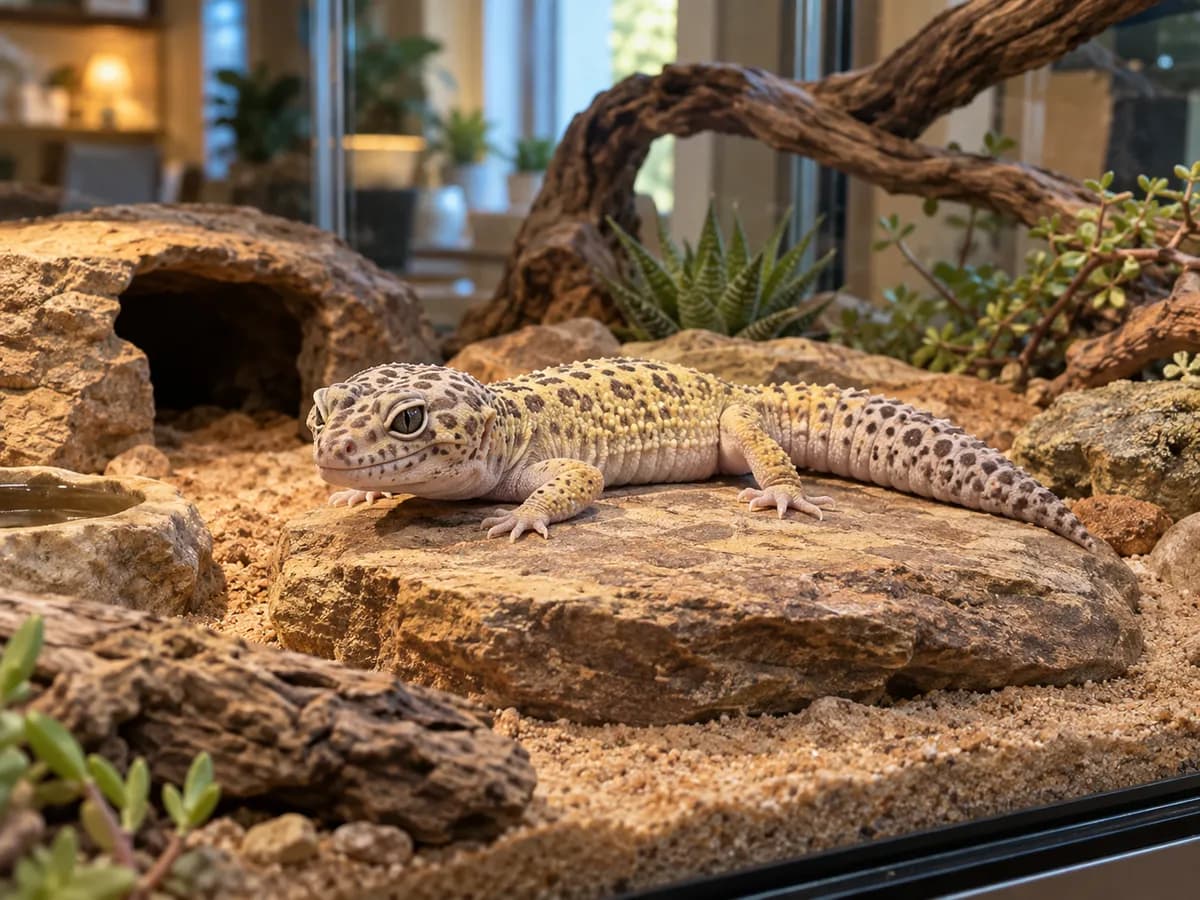
- Hides: At least three: one on the warm side, one on the cool side and a slightly moist "humid hide". The humid hide helps with shedding.
- Light: Keep a clear day–night cycle. Many experts also recommend low-level UVB; review your setup with a specialist.
- Substrate: Choose a floor that is easy to clean and reduces the risk of swallowing; discuss options with your veterinarian.
Feeding routine
Leopard geckos are insectivores. Live insects should be sized to the animal and are usually dusted with calcium (and vitamins when needed). Juveniles eat more often, adults less often. Agree the supplement routine with your veterinarian. A shallow water dish should always be available in the vivarium.
Shedding
Geckos shed their skin regularly as they grow and usually eat the old skin. A good humid hide helps this go smoothly. If you notice pieces of skin left behind, especially on the toes or tail tip, contact your veterinarian.
Social structure
Leopard geckos are usually housed alone. In particular, two males must never be kept together.
Frequently asked questions
How long do leopard geckos live?
With good care, typically 10–20 years. They are a long-term commitment.
Heat lamp or heat mat?
Both are used. Whichever you choose, controlling it with a thermostat and measuring the temperature is essential.
Do leopard geckos like being handled?
Many get used to short, calm handling. Get yours used to it gently and at its own pace.
Good to know
The most important points.
- Tail droppingLeopard geckos can drop their tail when they feel threatened. Never pick them up by the tail; lift them calmly and low to the ground, supporting the body from below.
- When to contact a vetSigns of discomfort in reptiles can be noticed late. If you see a change in appetite, weight, tail thickness or activity, contact a veterinarian experienced with reptiles.
Life stages
Approximate age ranges for Leopard gecko and the priorities of each stage.

Similar animals
Other animals in the same group.
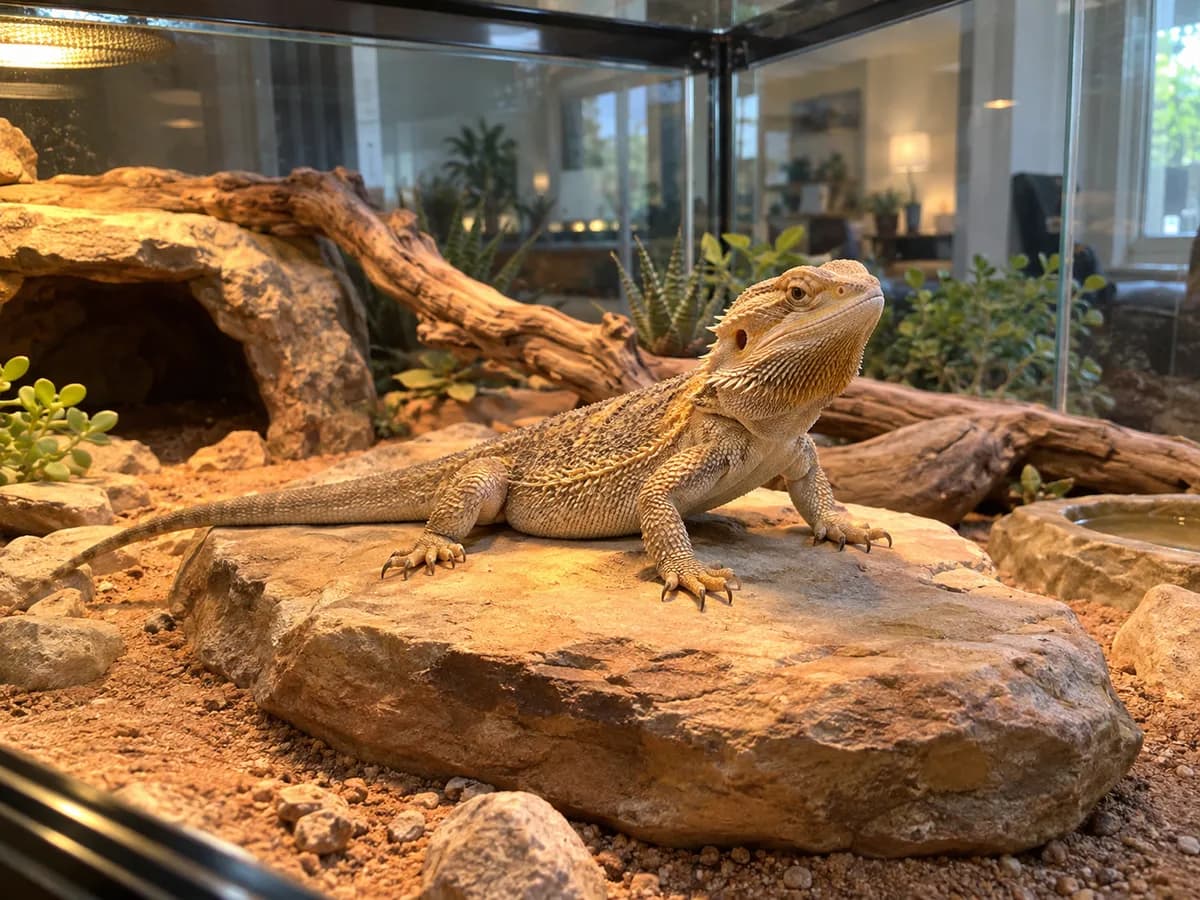 Bearded dragonCalm, curious and active by day, bearded dragons are delightful reptiles in a well-built vivarium. At the heart of their care are the right heat, the right UVB light and an age-appropriate diet.Explore
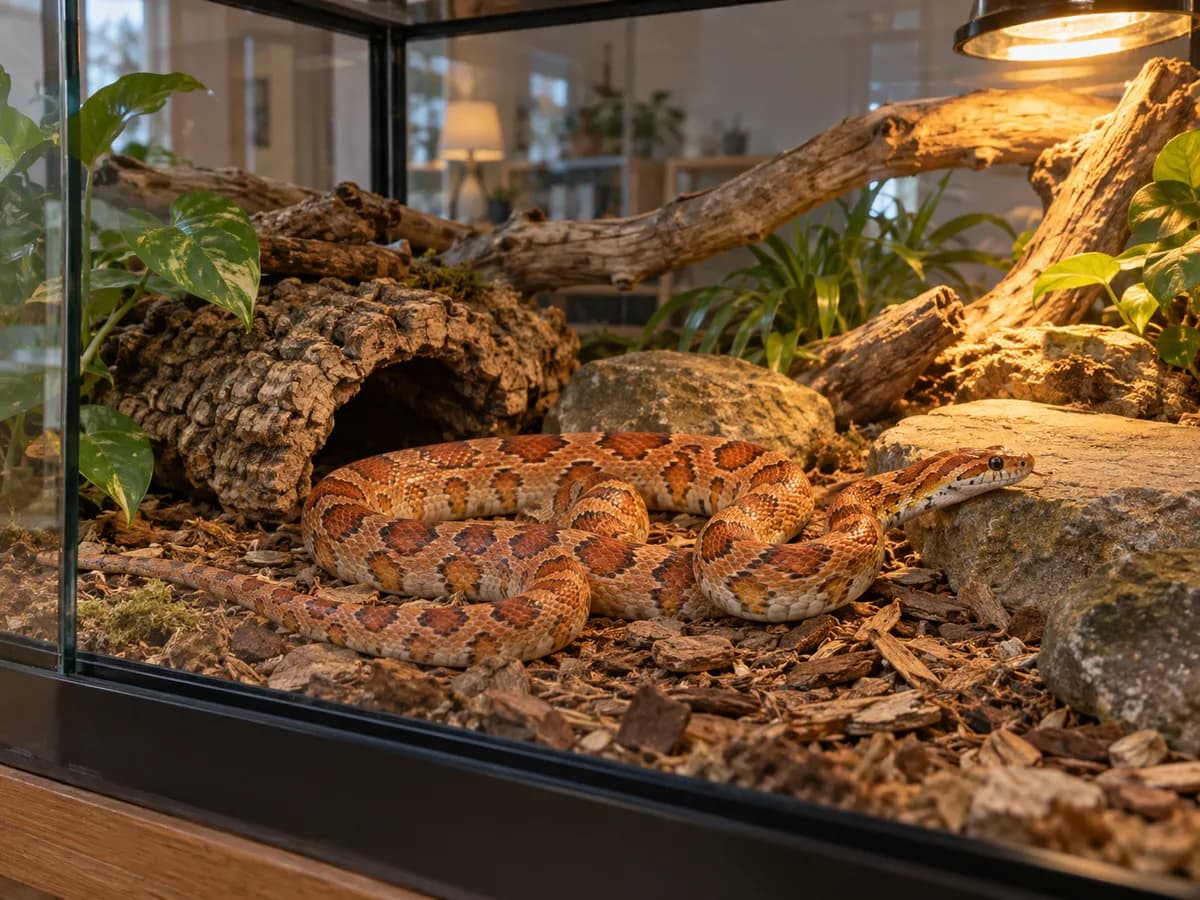 Corn snakeCalm and a manageable size, corn snakes are a popular reptile from North America. An escape-proof enclosure, the right temperature layout and regular but infrequent meals are their basic needs.Explore
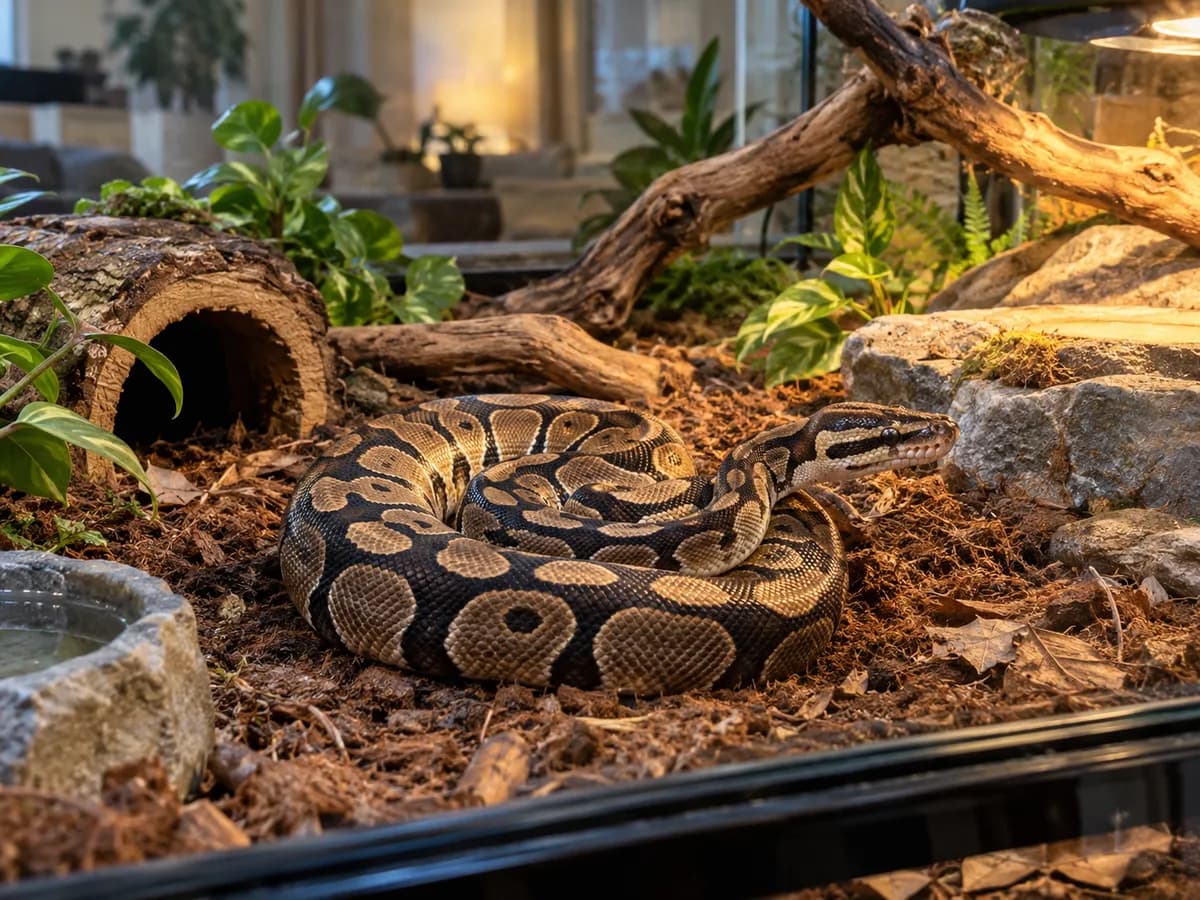 Ball pythonNative to West and Central Africa, ball pythons are known for their calm temperament and their habit of curling into a ball when threatened. They need snug hides, steady heat and humidity, and a patient feeding routine.Explore
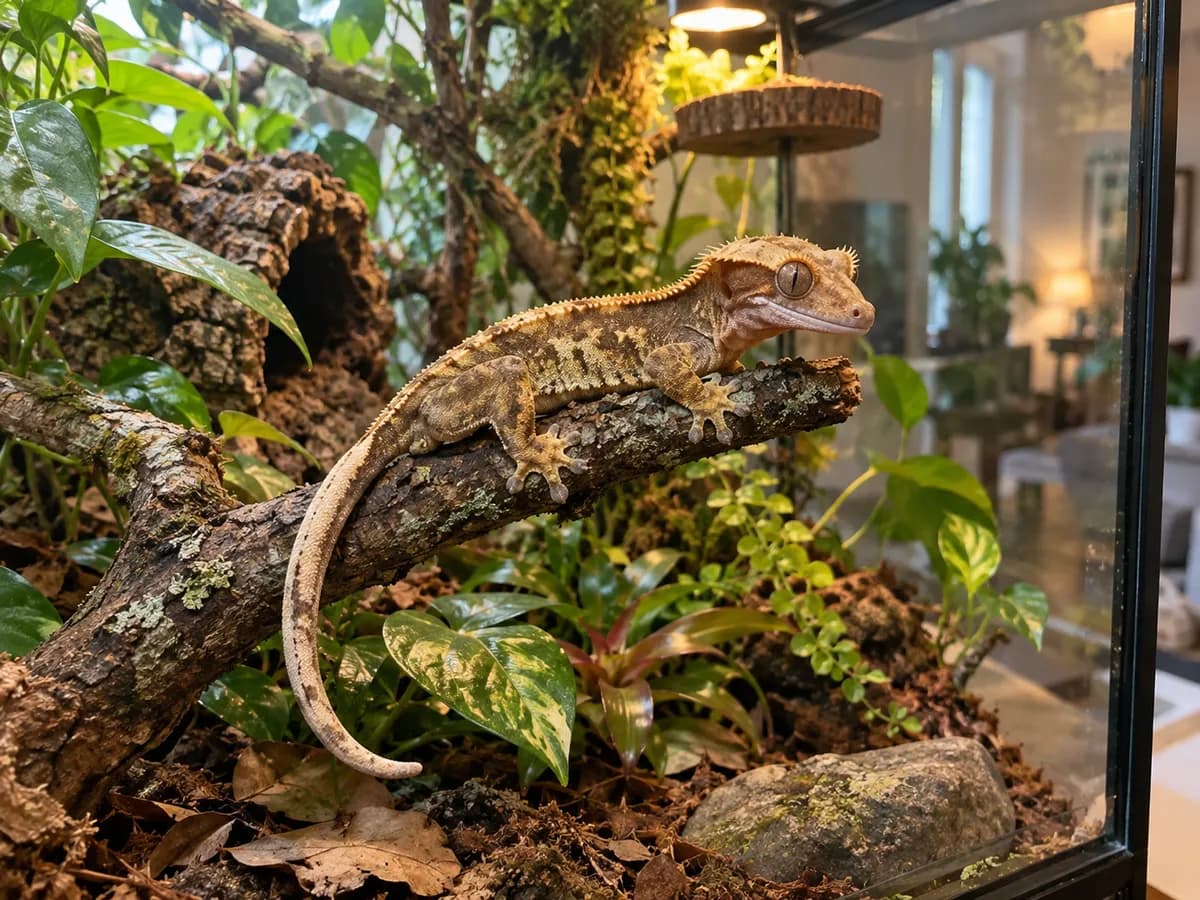 Crested geckoFrom the rainforests of New Caledonia, crested geckos are recognized by the eyelash-like crests above their eyes. They need a tall, planted enclosure, mild temperatures and a regular humidity routine.Explore
Happier together
Create a free profile for your companion.
Enter the date of birth or an estimated age to see its life stage, weight history and matching guides in one place.
- Life-stage tracking
- Weight history
- Guides for its species
- Free account