

Duck care
Ducks are cheerful, hardy birds strongly tied to water. Clean water deep enough to dunk their heads, a dry and secure shelter and feed suited to waterfowl are the basics of duck care.
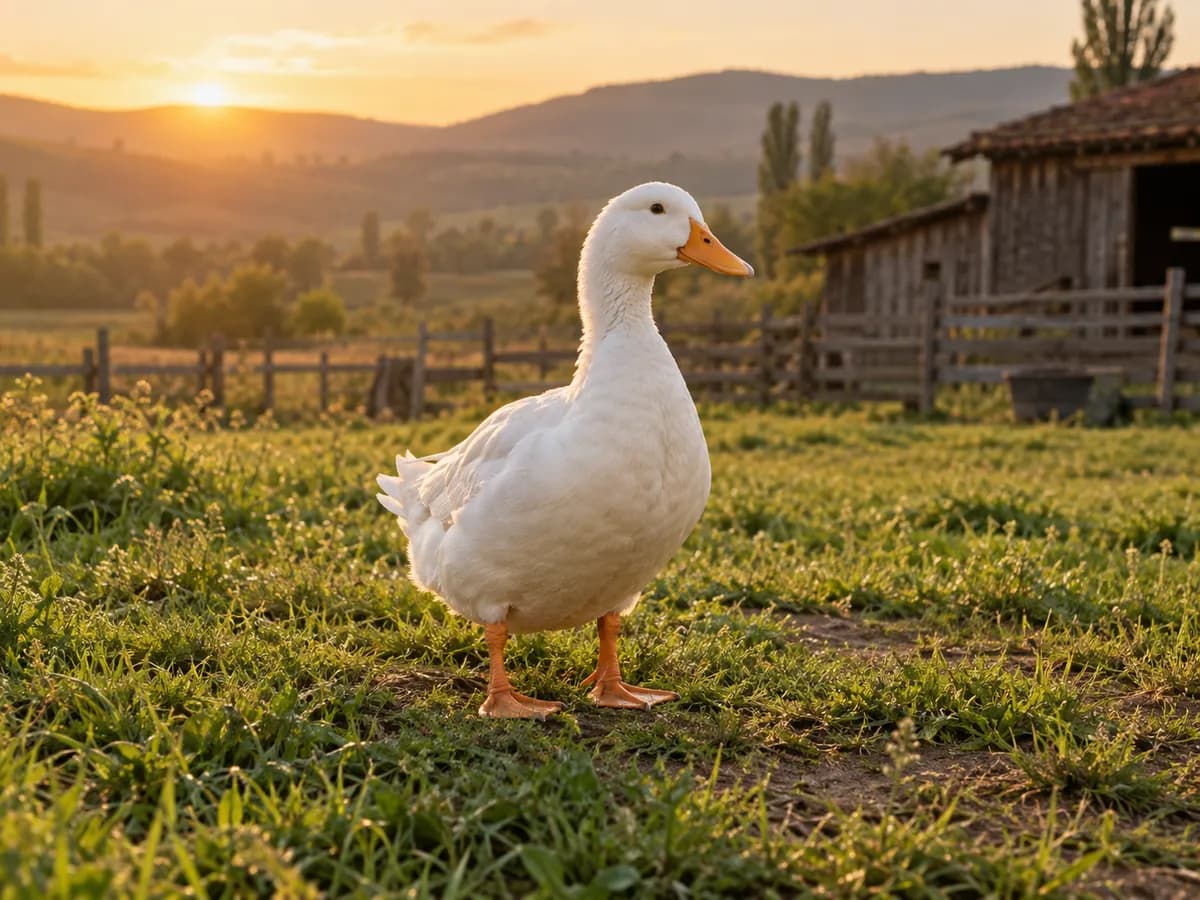
- Class
- Bird
- Group
- Poultry
Quick care summary
The care essentials for Ducks.
- Housing and spaceDry shelter: Ducks do not perch; they spend the night on the ground.
- Feeding routineDucklings: Ducklings have different needs from chicks; use a starter suitable for ducks.
- WaterDucks dirty their water quickly.
- Daily careChange bedding often; wet bedding sets the stage for foot problems.
In depth
In short
- Ducks must be able to dip their heads and bills fully in water.
- They do not perch; they sleep on dry bedding on the ground.
- They make water very dirty, so containers need frequent cleaning.
- Ducklings should be fed a starter suitable for ducks.
- They should be shut in a predator-proof shelter at night.
Ducks are waterfowl kept for eggs, meat and slug control in gardens. They are hardier and usually calmer than chickens, but their water needs shape the care routine.
Housing and space
- Dry shelter: Ducks do not perch; they spend the night on the ground. The house should be dry, well ventilated and deeply bedded with dry material.
- Predator protection: A secure house that can be closed at night is essential.
- Water area: A pond for swimming is ideal but not essential; at the very least they need a container deep enough to dunk their whole head. This matters for cleaning their eyes and nostrils.
- Mud management: The ground around water containers quickly turns to mud; move containers regularly or prepare a well-drained base.
Feeding routine
- Ducklings: Ducklings have different needs from chicks; use a starter suitable for ducks.
- Adults: Balanced waterfowl feed, and layer-type feed for laying ducks.
- Foraging: Ducks love to graze and pick up insects and slugs.
- Feed with water: Ducks need to drink while swallowing, so there must always be water near the feeder.
Water
Ducks dirty their water quickly. Change drinking water every day, several times a day if needed, and change bathing water regularly too.
Daily care
- Change bedding often; wet bedding sets the stage for foot problems.
- Collect eggs daily; ducks often lay early in the morning.
- Check the ducks daily for movement and behaviour.
Behaviour and social needs
Ducks live in flocks and should not be kept alone. The ratio of drakes to ducks should not be too high, or females can be harmed.
Seasonal care
Ducks are fairly cold-hardy, but make sure their water does not freeze. Provide shade and cool water in summer.
Good to know
The most important points.
- Health programmeAsk a local veterinarian about vaccinations and parasite control. Get help without delay if something seems out of the ordinary.
Similar animals
Other animals in the same group.
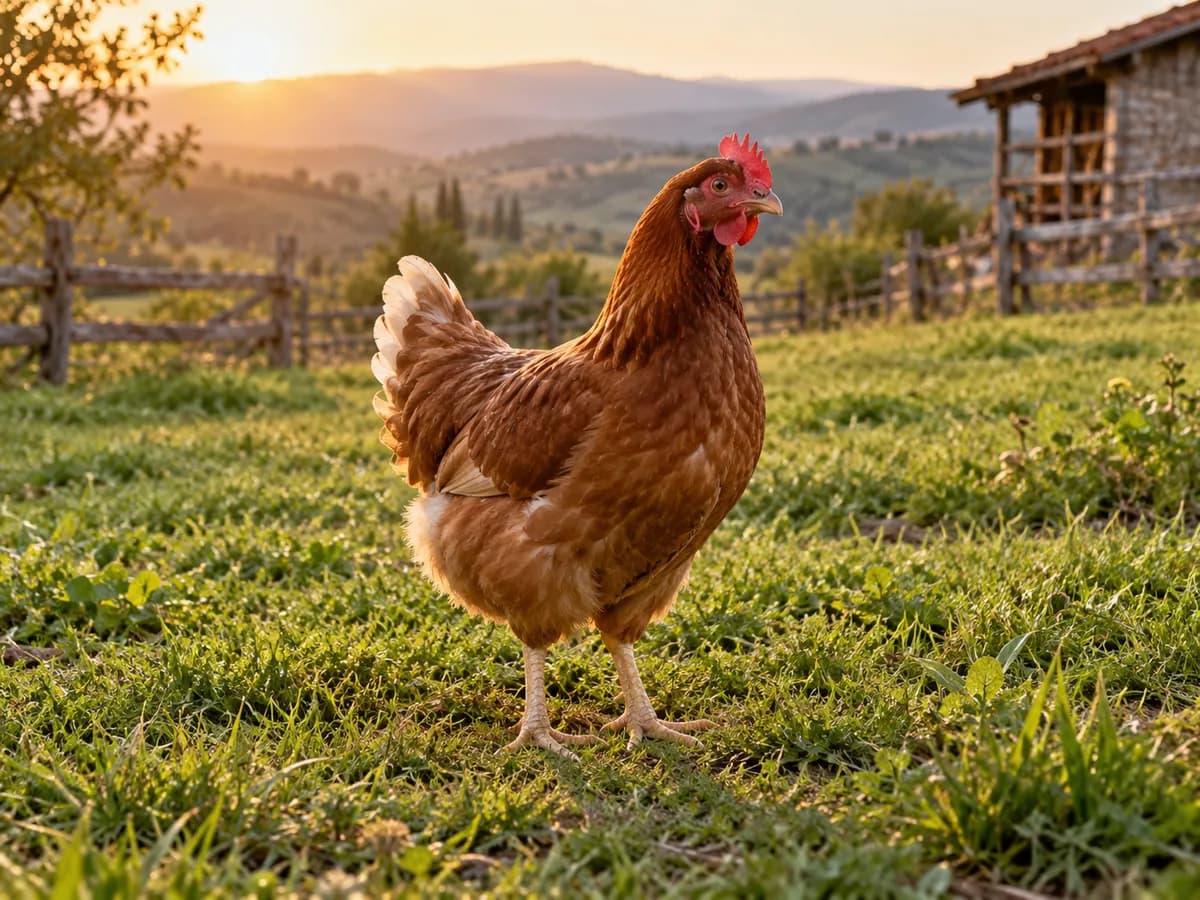 ChickenChickens are social, curious birds of habit. A predator-proof coop, perches and nest boxes, balanced feed, clean water and a place to dust-bathe are the foundations of happy, productive hens.Explore
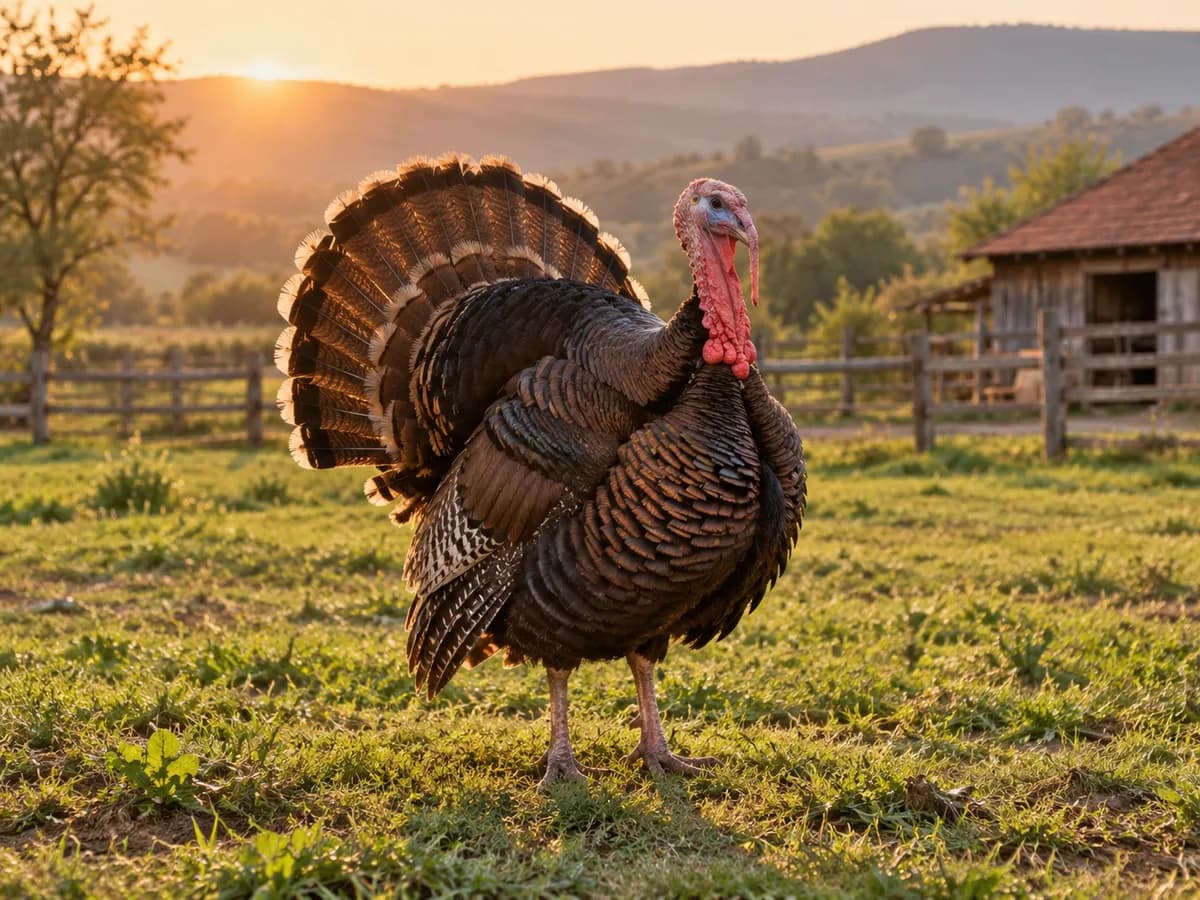 TurkeyTurkeys are large, curious and surprisingly social birds. They need more space than chickens, higher and sturdier perches and, especially when young, more protein.Explore
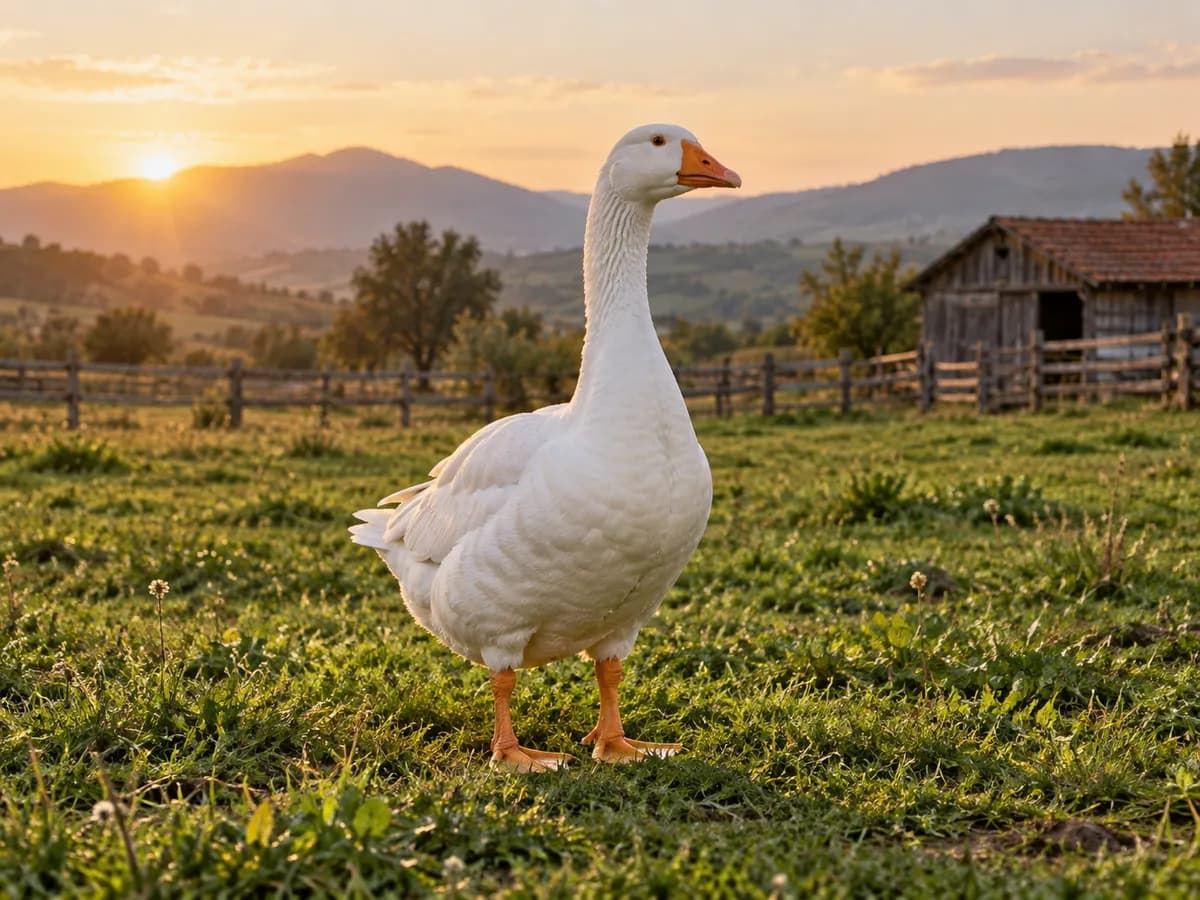 GooseGeese are long-lived, intelligent birds with a strong flock instinct. They get most of their food by grazing and are known for acting as guards, announcing strangers loudly.Explore
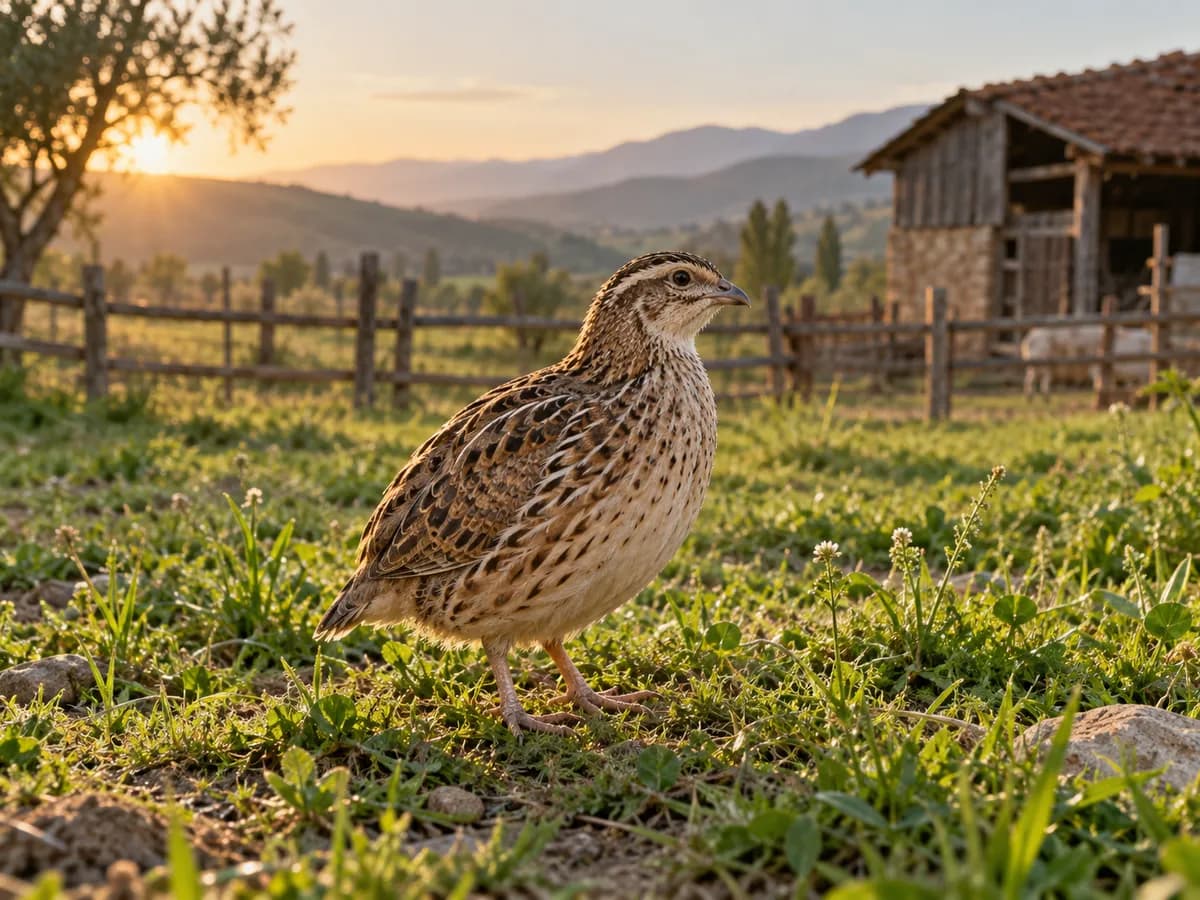 QuailQuail are small, quiet birds that need little space. High-protein feed, a place to dust-bathe and a low or soft cage roof — because they flush straight up when startled — are the key points of their care.Explore
For a better tomorrow
Respect for animals, more sustainable farming.
Mindful care that protects the welfare of farm animals means a better future for animals, people and nature.
- Support animal welfare
- Encourage sustainable farming
- Live in harmony with nature
- Share what you know