

Pet mice
Small, curious and agile, pet mice are fascinating companions to watch when they have the right social setup, climbing spaces and plenty of nesting material.
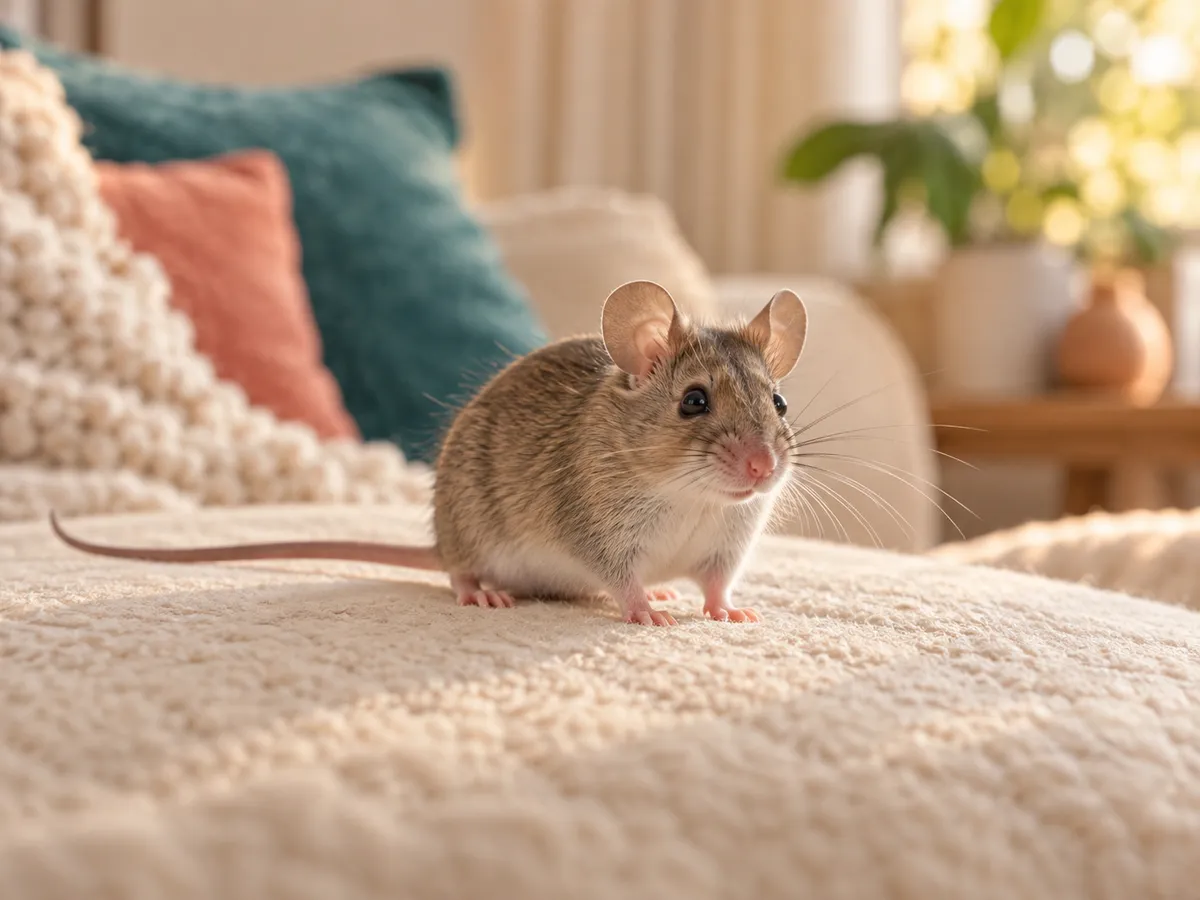
- Typical lifespan
- 1–3 years
- Social needs
- Should live in a group
- Active hours
- Active at night
- Experience level
- Suitable for beginners
Values are typical ranges and vary with breed, husbandry and the individual animal.
Quick care summary
The care essentials for Pet mice.
In depth
In short
- Female mice usually live happily in groups; males often can't be kept together.
- They are active at night and at dusk.
- They need climbing spaces, nesting material and a solid-surface wheel.
- Their lives are short, typically 1–3 years.
- With gentle, patient taming they can learn to be handled.
Pet ("fancy") mice are small rodents selectively bred from the house mouse and come in many colours and coat types.
Nature and behavior
Curious, agile and social. Females usually live harmoniously in small groups. Adult males may fight, so they often need to be kept apart; plan the social setup and prevention of breeding with a veterinarian.
Living space
An escape-proof, well-ventilated, multi-level home is ideal. Add plenty of nesting material (such as unscented paper), hiding places, climbing ropes and a solid-surface wheel. Because males scent-mark, regular cleaning is important.
Feeding routine
A balanced mix or pellet made for mice, plus small amounts of suitable fresh vegetables. Clean water must always be available.
Care notes
- Keep mice close to the floor when handling; falls can be dangerous.
- Don't wake them during the day; evenings are better for interaction.
Good to know
The most important points.
- When to contact a vetBecause their lives are short, changes can become important quickly. If you notice changes in appetite, activity or appearance, contact a veterinarian experienced with exotic pets.
Similar animals
Other animals in the same group.
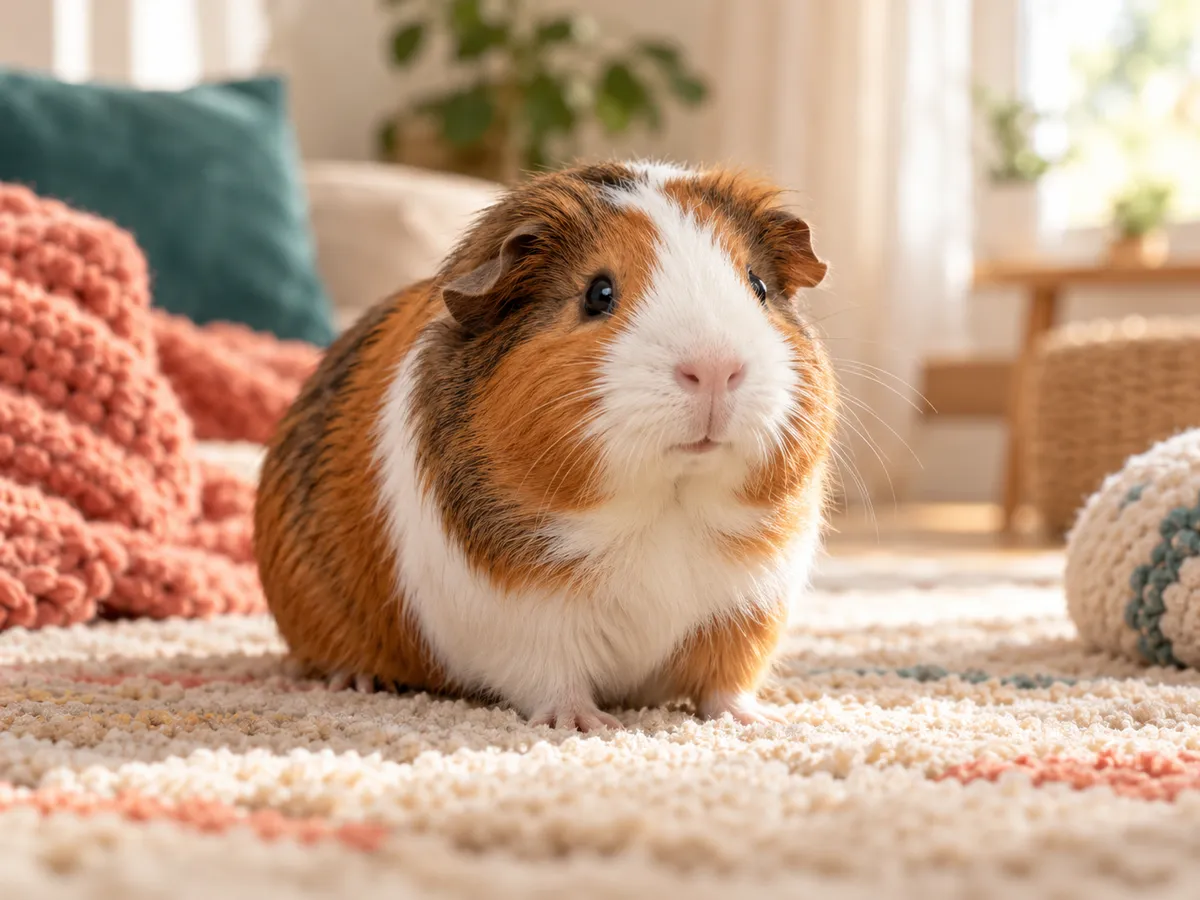 Guinea pigChatty, social and fond of routine, guinea pigs make delightful companions when they have friends of their own kind, plenty of hay and a roomy space. Their need for vitamin C in the diet is a detail every owner should know.Explore
 HamsterSmall animals with big needs: hamsters want to dig tunnels in deep bedding, run in a roomy space and explore at night. A well-built habitat is half of good hamster care.Explore
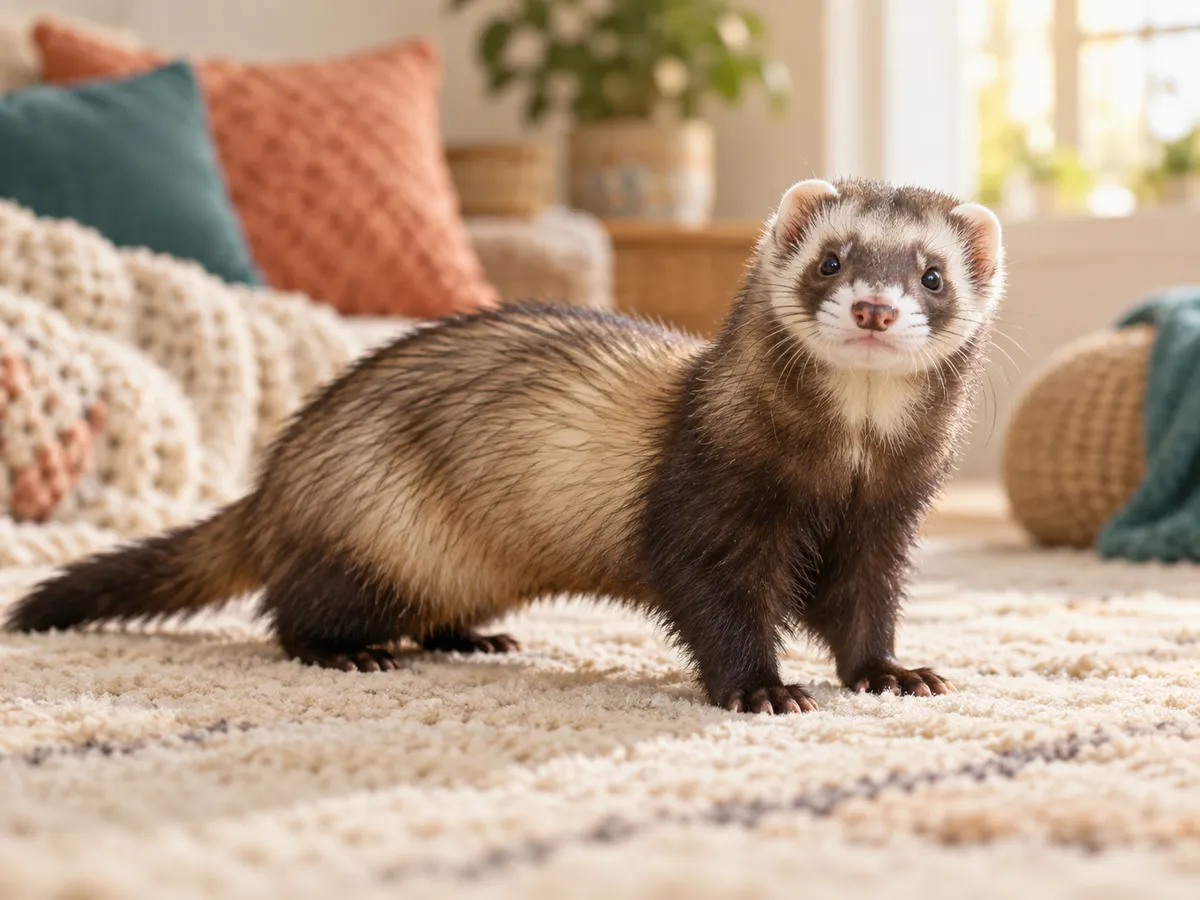 FerretCurious, playful and endlessly exploratory, ferrets need experience but give a lot back. A safe home, a carnivorous diet and plenty of play are their basic needs.Explore
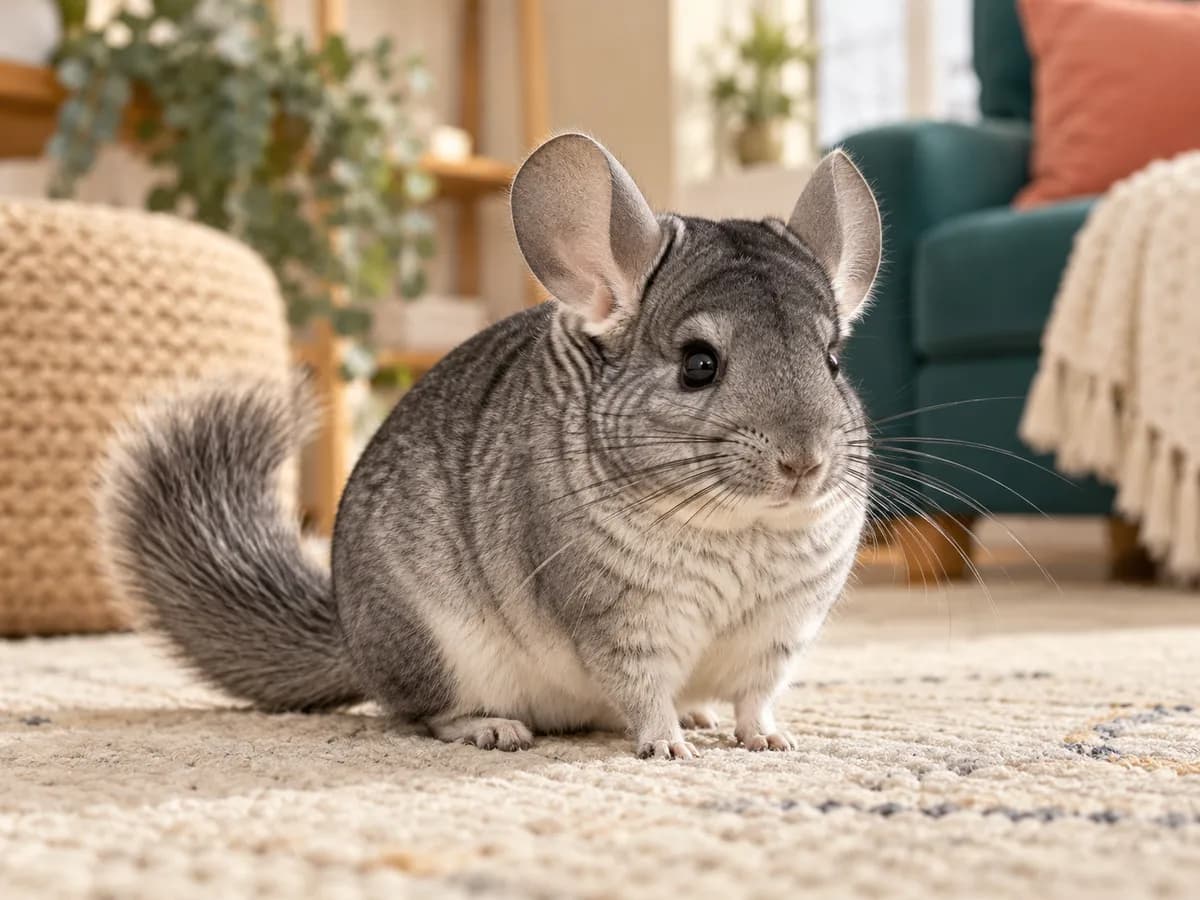 ChinchillaWith one of the densest coats in the world, chinchillas come from the cool, dry Andes. Dust baths, a cool home and plenty of hay are their basic needs.Explore
Happier together
Create a free profile for your companion.
Enter the date of birth or an estimated age to see its life stage, weight history and matching guides in one place.
- Life-stage tracking
- Weight history
- Guides for its species
- Free account