

- Height
- 1.1–1.5 m
- Weight
- 2–4 kg
- Lifespan in the wild
- 30–40 years
- Conservation status (IUCN)
- Least concern (LC)
Figures are approximate for adults and vary by sex, subspecies and population.
At a glance
The key facts about Greater flamingos.
- Where does it live?It lives in shallow salt lakes, lagoons and deltas in Africa, southern Europe, the Middle East and South Asia.
- What does it eat?It puts its head upside down in the water and uses sieve-like structures in its beak to filter small crustaceans, algae and other tiny organisms.
- Behaviour and social lifeFlamingos are very social birds that live in colonies of thousands or even tens of thousands.
- ChicksPairs lay a single egg on a cone-shaped nest built of mud.
In depth
In short
- The greater flamingo is the largest and most widespread flamingo species.
- It gets its pink colour from pigments in the small organisms it eats.
- It feeds with its head upside down, filtering water through its beak.
- In Türkiye, Lake Tuz and the Gediz Delta are important sites.
- The IUCN lists it as Least Concern.
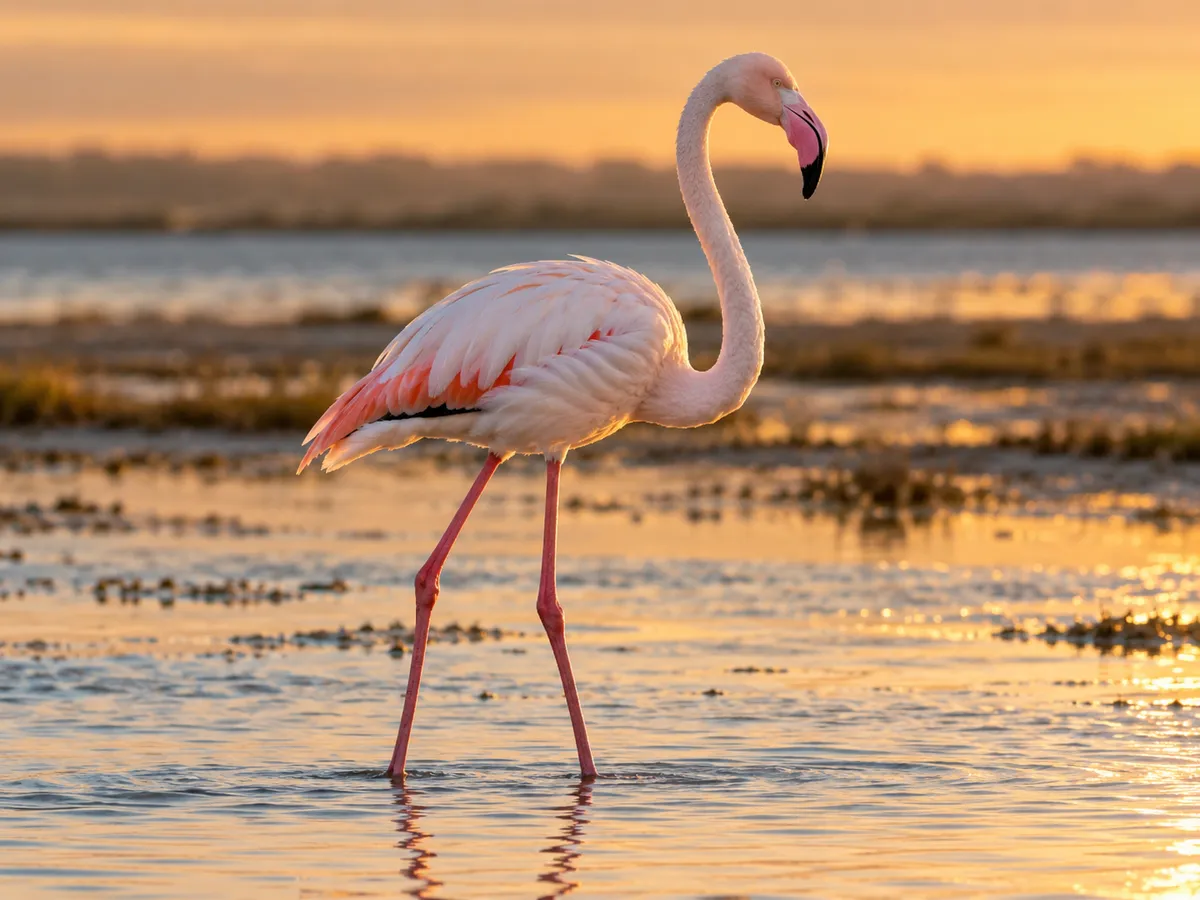
The greater flamingo (Phoenicopterus roseus) is the largest and most widespread of the living flamingos. It is easy to recognise by its long neck and legs, pink-and-white feathers and beak that bends downward in the middle.
Where does it live?
It lives in shallow salt lakes, lagoons and deltas in Africa, southern Europe, the Middle East and South Asia. In Türkiye, Lake Tuz is one of the world's most important flamingo breeding sites; the Gediz Delta and other wetlands are also places where flamingos are often seen.
What does it eat?
It puts its head upside down in the water and uses sieve-like structures in its beak to filter small crustaceans, algae and other tiny organisms. The pink colour of its feathers comes from pigments called carotenoids in this food.
Behaviour and social life
Flamingos are very social birds that live in colonies of thousands or even tens of thousands. They find mates through synchronised group "dances". They often rest standing on one leg.
Chicks
Pairs lay a single egg on a cone-shaped nest built of mud. Both parents incubate and feed the chick with a special secretion called crop milk. Chicks are born with grey down; the pink colour develops over the years.
Conservation status
The greater flamingo is listed as Least Concern (LC) on the IUCN Red List. However, the small number of breeding sites, drained wetlands, changing water levels and disturbance can affect some regional populations.
Fun facts
- Flamingos use their beaks upside down while feeding.
- Standing on one leg is thought to save energy and body heat.
- Young flamingos can stay grey for years before their feathers turn pink.
Similar animals
Other animals in the same group.
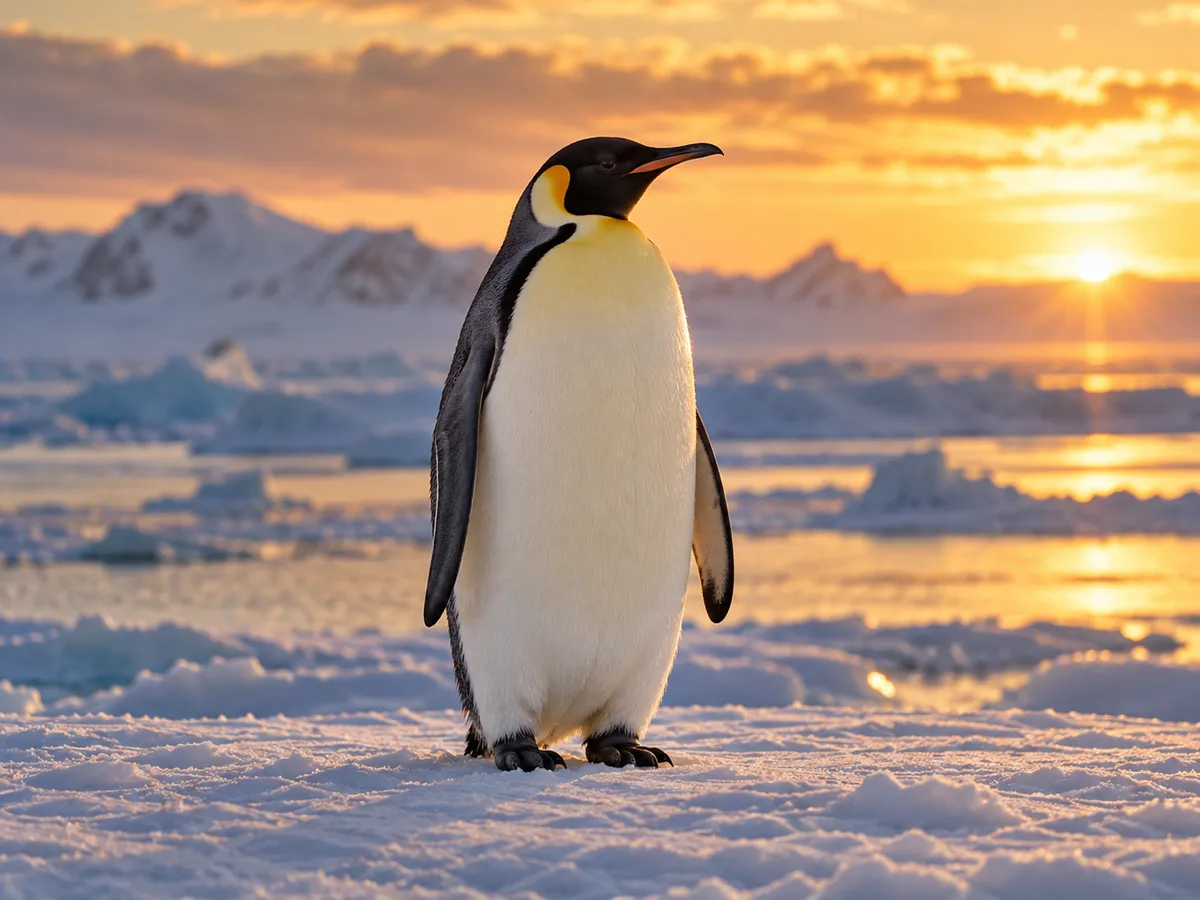 Emperor penguinThe largest of all penguins, the emperor penguin breeds in the harshest conditions of the Antarctic winter. Males protect the egg in freezing cold by carrying it on their feet for months.Explore
 Bald eagleKnown for its white head and yellow beak, the bald eagle is the emblem bird of North America. Once close to disappearing, it is one of the best-known conservation success stories.Explore
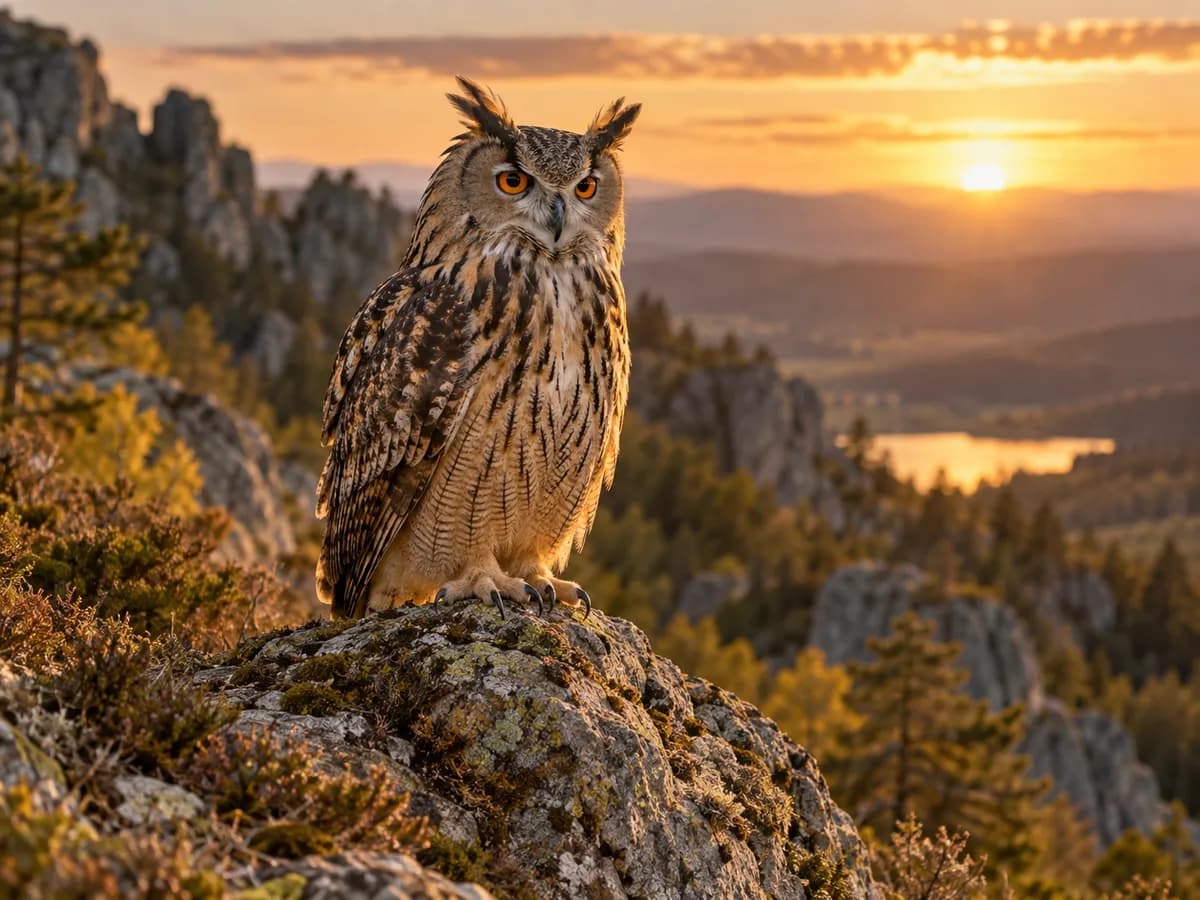 Eurasian eagle-owlOne of the world's largest owls, the Eurasian eagle-owl is known for its orange eyes and ear-like tufts. It lives in rocky and mountainous areas of Türkiye.Explore
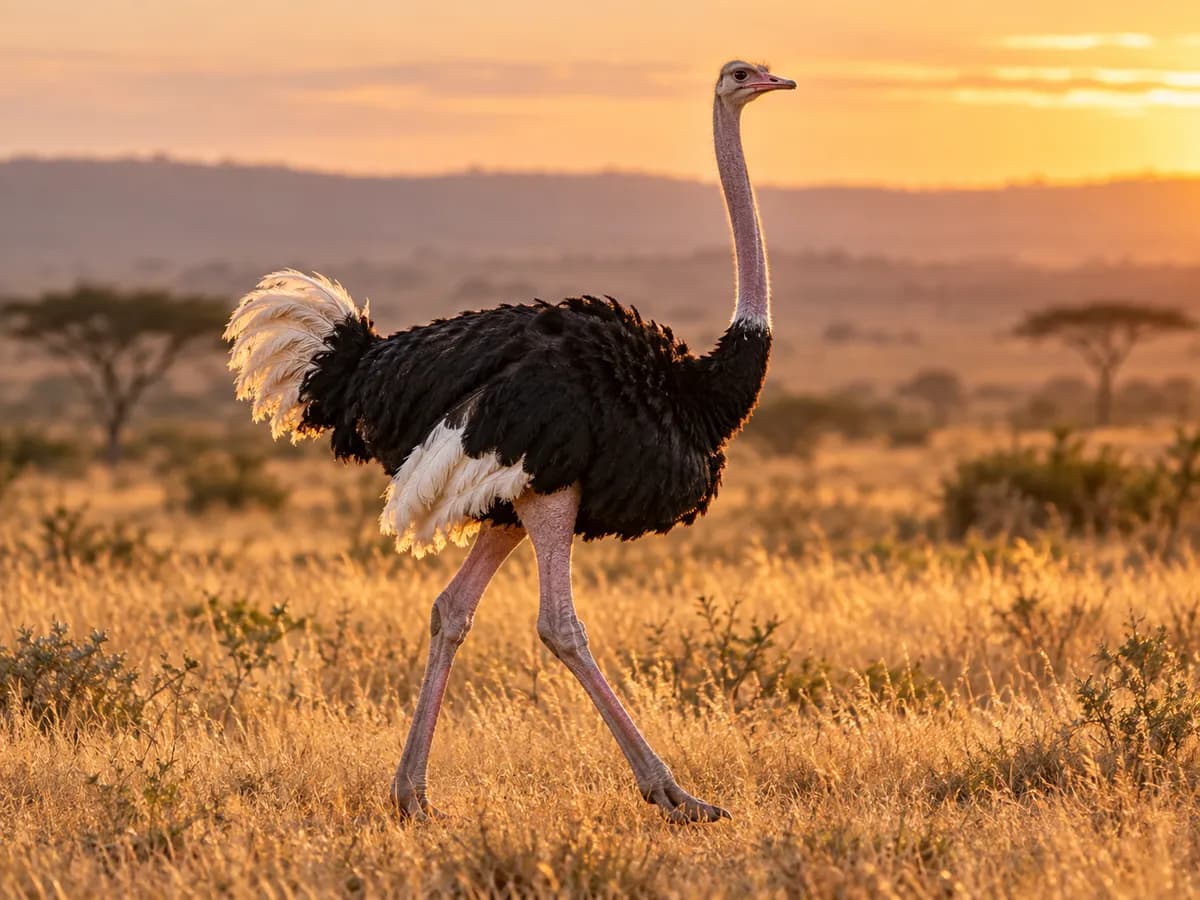 OstrichThe largest living bird, the ostrich cannot fly but runs very fast on its powerful legs. It lives in Africa's savannas and semi-deserts and lays the largest egg of any bird.Explore
Respect for nature, stronger tomorrows
Protecting wildlife is everyone's responsibility.
If you find an injured or young wild animal, don't touch it; inform your local wildlife authority. More knowledge, more awareness.
- Respect natural habitats
- Watch wild animals from afar
- Leave no litter in nature
- Support a sustainable future