


- Wingspan
- 1.8–2.3 m
- Weight
- 3–6.5 kg
- Lifespan in the wild
- 20–30 years
- Conservation status (IUCN)
- Least concern (LC)
Figures are approximate for adults and vary by sex, subspecies and population.
At a glance
The key facts about Bald eagles.
- Where does it live?It lives in North America, from Alaska and Canada to northern Mexico.
- What does it eat?Its main food is fish, which it snatches from the water's surface with its talons.
- Behaviour and social lifeBald eagles usually stay with the same mate for many years.
- ChicksThe female usually lays 1–3 eggs, and both parents incubate them and feed the chicks.
In depth
In short
- The bald eagle lives only in North America and is the national bird of the USA.
- Its white head feathers appear with maturity at around 4–5 years old.
- Its main food is fish.
- It builds some of the largest nests of any bird.
- Its numbers recovered after the pesticide DDT was banned and the species was protected.
The bald eagle (Haliaeetus leucocephalus) is a large bird of prey easily recognised by its white head and tail, dark brown body and big yellow beak. Despite its name, its head is not bald; in older English "bald" also meant "white".
Where does it live?
It lives in North America, from Alaska and Canada to northern Mexico. It usually prefers wooded areas near large lakes, rivers and coasts, and needs big trees for nesting.
What does it eat?
Its main food is fish, which it snatches from the water's surface with its talons. It also eats waterbirds, small mammals and carrion. Sometimes it steals fish caught by other birds.
Behaviour and social life
Bald eagles usually stay with the same mate for many years. Pairs build huge nests and add to them every year. In winter, large numbers of eagles can gather near open water where fish are available.
Chicks
The female usually lays 1–3 eggs, and both parents incubate them and feed the chicks. Young eagles are dark brown; the white head and tail feathers appear with maturity.
Conservation status
The bald eagle is listed as Least Concern (LC) on the IUCN Red List. In the mid-20th century the pesticide DDT thinned eggshells and severely reduced breeding, bringing the species close to disappearing in many areas. After DDT was banned and the eagle was legally protected, populations recovered strongly.
Fun facts
- Bald eagle nests are among the largest known bird nests; some weigh more than a tonne.
- Its sharp eyes can spot fish from a great distance.
- The powerful "eagle scream" in films often belongs to another bird; the bald eagle's call is thinner and more twittering.
Similar animals
Other animals in the same group.
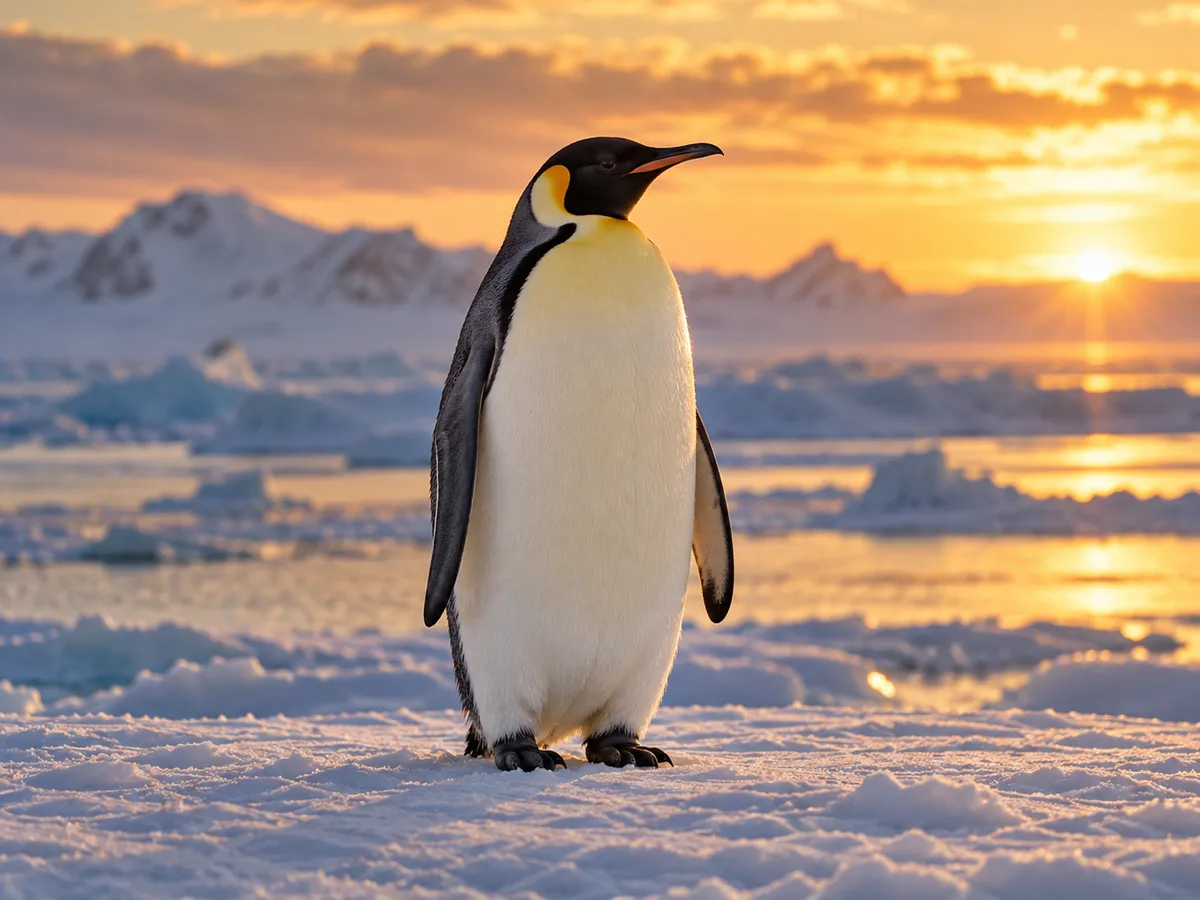 Emperor penguinThe largest of all penguins, the emperor penguin breeds in the harshest conditions of the Antarctic winter. Males protect the egg in freezing cold by carrying it on their feet for months.Explore
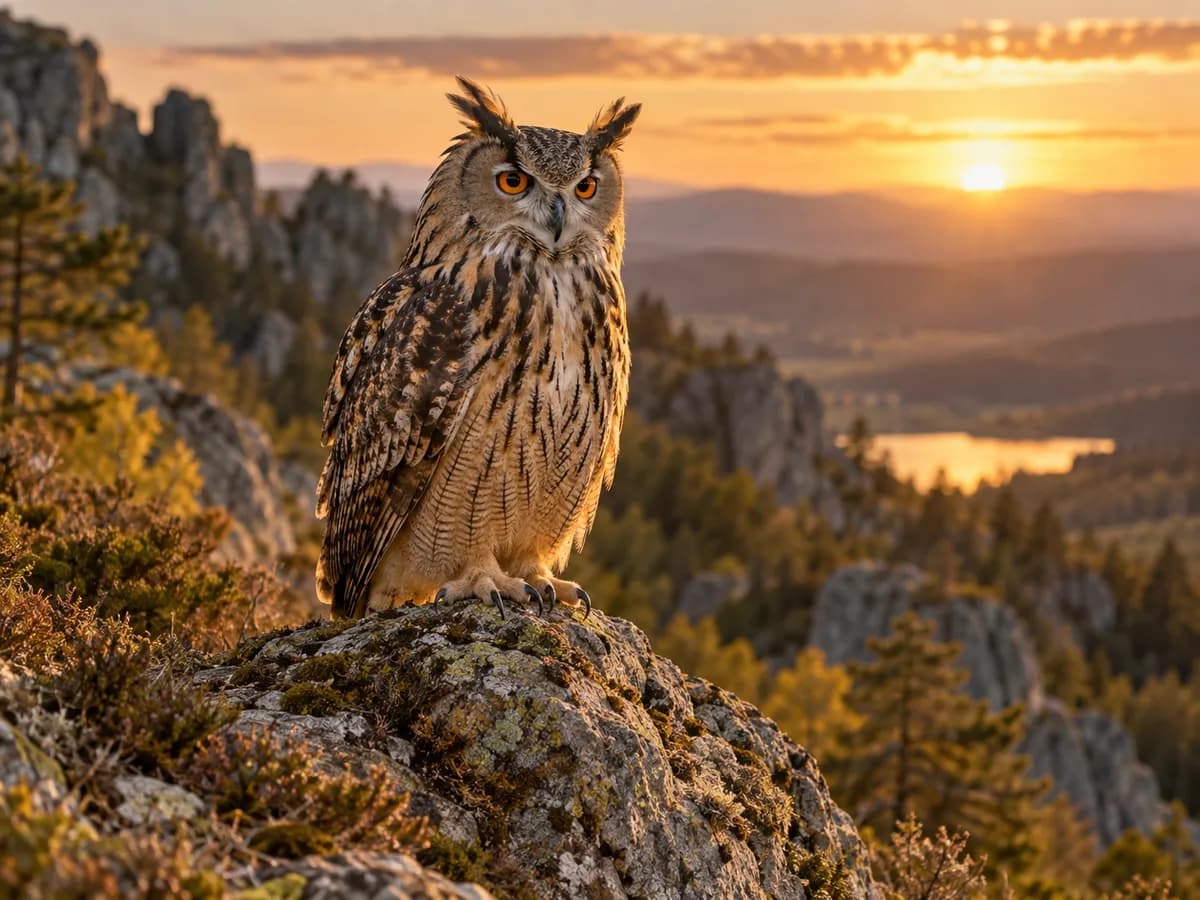 Eurasian eagle-owlOne of the world's largest owls, the Eurasian eagle-owl is known for its orange eyes and ear-like tufts. It lives in rocky and mountainous areas of Türkiye.Explore
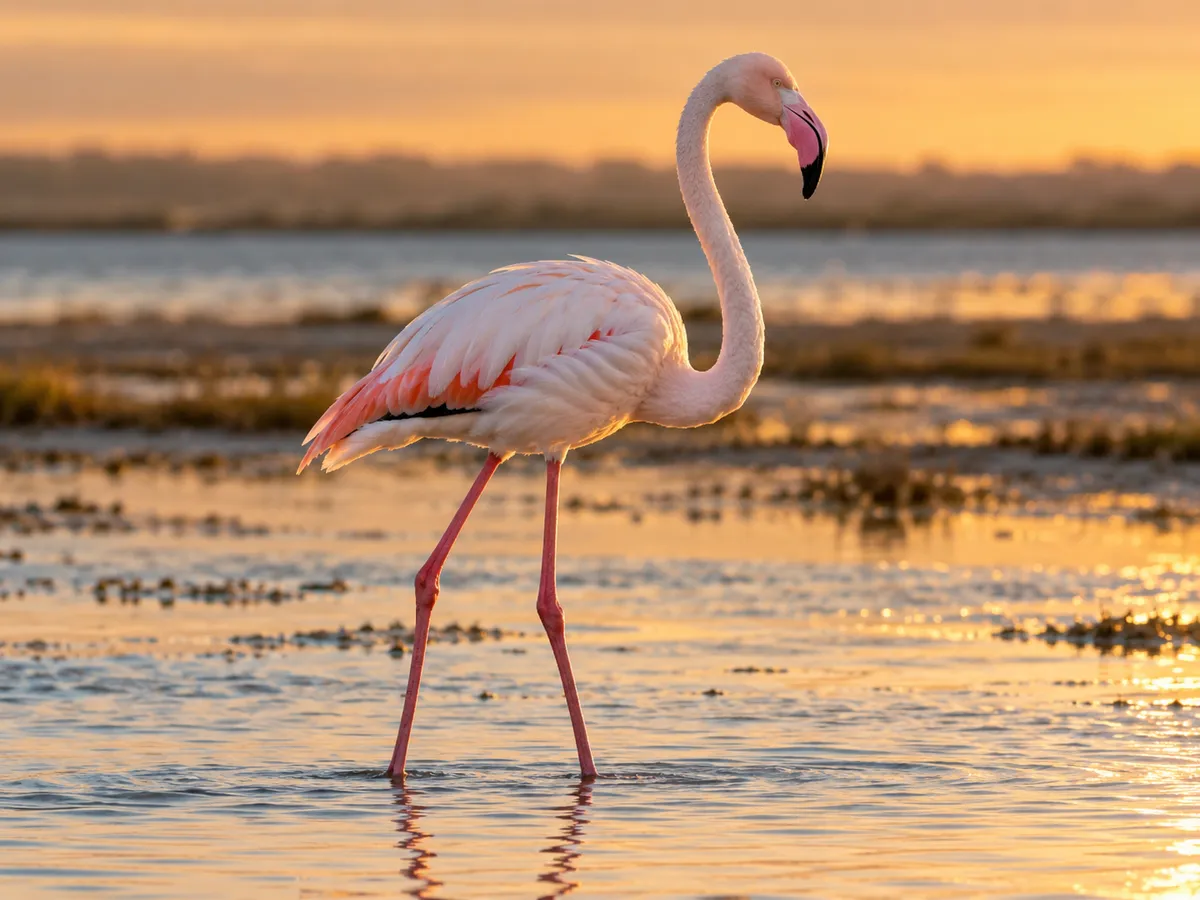 Greater flamingoWith pink feathers, long legs and a bent beak, the greater flamingo is the most striking bird of shallow salt lakes. Türkiye's Lake Tuz is one of the world's important flamingo breeding sites.Explore
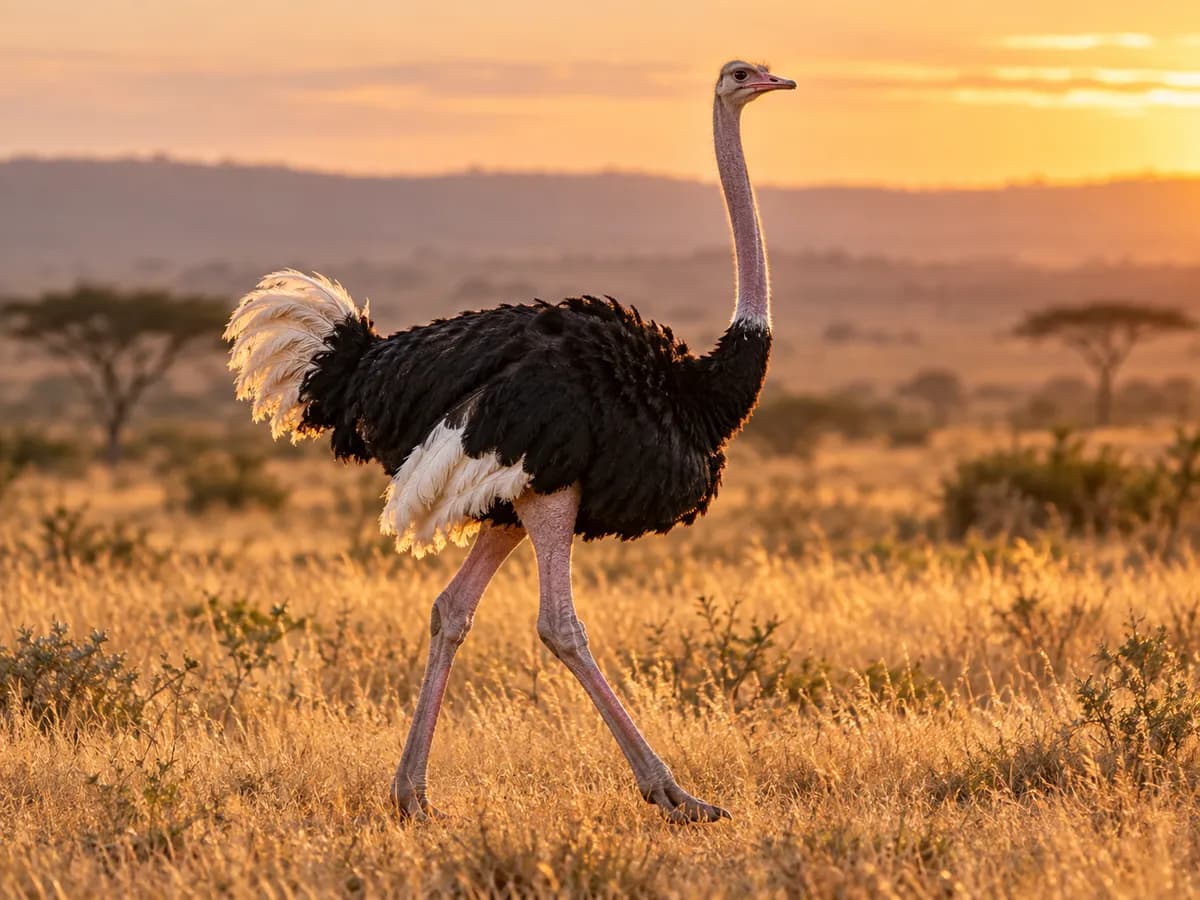 OstrichThe largest living bird, the ostrich cannot fly but runs very fast on its powerful legs. It lives in Africa's savannas and semi-deserts and lays the largest egg of any bird.Explore
Respect for nature, stronger tomorrows
Protecting wildlife is everyone's responsibility.
If you find an injured or young wild animal, don't touch it; inform your local wildlife authority. More knowledge, more awareness.
- Respect natural habitats
- Watch wild animals from afar
- Leave no litter in nature
- Support a sustainable future