

- Length
- 1.1–1.9 m
- Weight
- 45–120 kg
- Lifespan in the wild
- 12–15 years
- Conservation status (IUCN)
- Near threatened (NT)
Figures are approximate for adults and vary by sex, subspecies and population.
At a glance
The key facts about Jaguars.
- Where does it live?It lives in Central and South America, from Mexico to northern Argentina.
- What does it eat?It is a carnivore that can eat more than 80 different prey species, including peccaries, capybaras, deer, caimans, turtles and fish.
- Behaviour and social lifeJaguars live alone and hold large territories.
- CubsAfter a pregnancy of about three and a half months, the female usually has 1–4 cubs.
In depth
In short
- The jaguar is the largest cat in the Americas.
- Its powerful bite can even pierce a turtle's shell.
- It is an excellent swimmer and prefers habitats near water.
- The rosettes on its coat have small spots inside them.
- The IUCN lists it as Near Threatened; deforestation is the biggest threat.
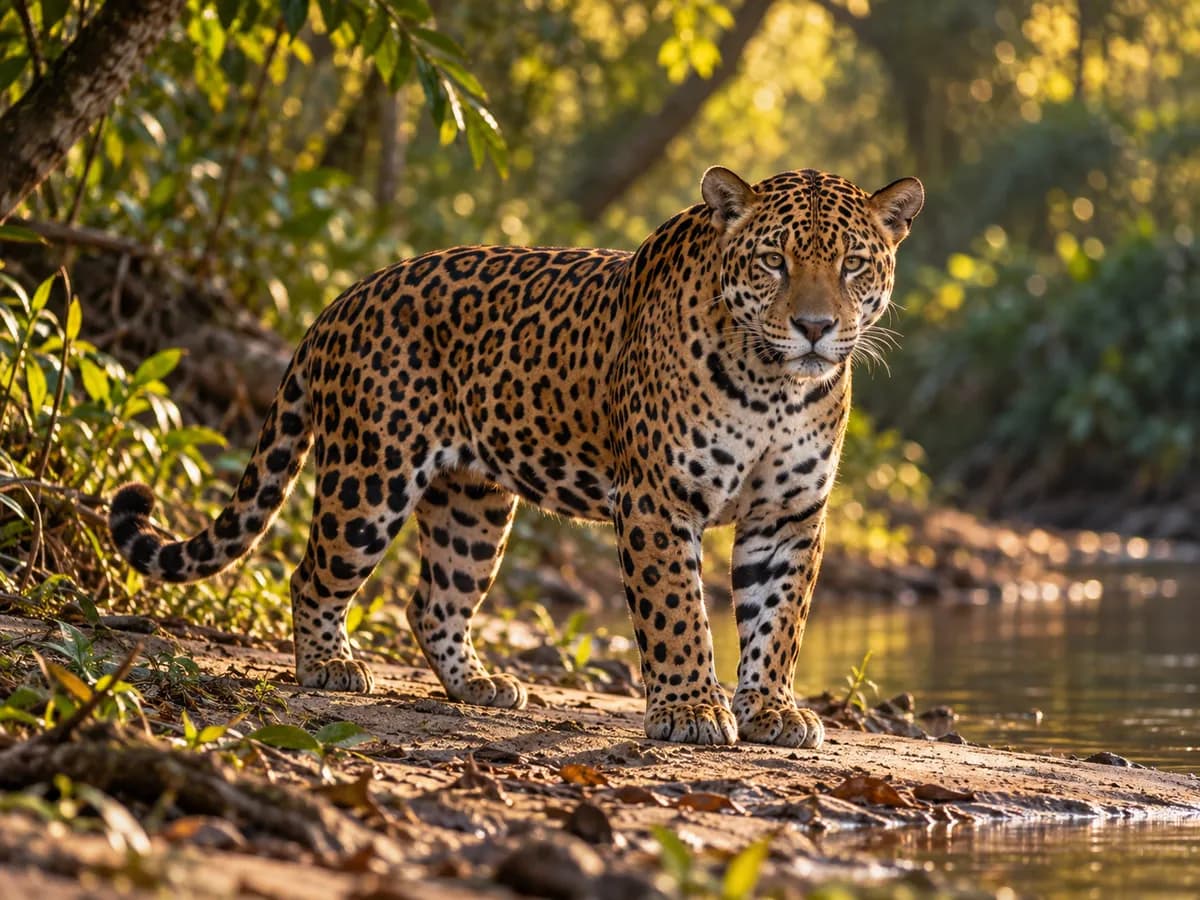
The jaguar (Panthera onca) is the only Panthera species in the Americas and the continent's largest cat. It resembles the leopard but is bigger and stockier. Most of the rosettes on its coat have small black spots in the centre, an easy way to tell it from a leopard.
Where does it live?
It lives in Central and South America, from Mexico to northern Argentina. The largest populations are in the Amazon basin and Brazil's Pantanal wetlands. It prefers rainforests and wetlands near water.
What does it eat?
It is a carnivore that can eat more than 80 different prey species, including peccaries, capybaras, deer, caimans, turtles and fish. It often kills with a powerful bite aimed at the skull.
Behaviour and social life
Jaguars live alone and hold large territories. They can be active by day and night. Unlike most cats, they love water, swim very well and hunt in water.
Cubs
After a pregnancy of about three and a half months, the female usually has 1–4 cubs. The cubs stay with their mother for about two years.
Conservation status
The jaguar is listed as Near Threatened (NT) on the IUCN Red List. Fragmented habitat from deforestation and land clearing, conflict with ranchers and illegal hunting are the main threats.
Fun facts
- The name "jaguar" is thought to come from a South American Indigenous language.
- Entirely black jaguars also exist and are also popularly called "black panthers".
- Jaguars can roar; their call sounds like a repeated, cough-like grunt.
Similar animals
Other animals in the same group.
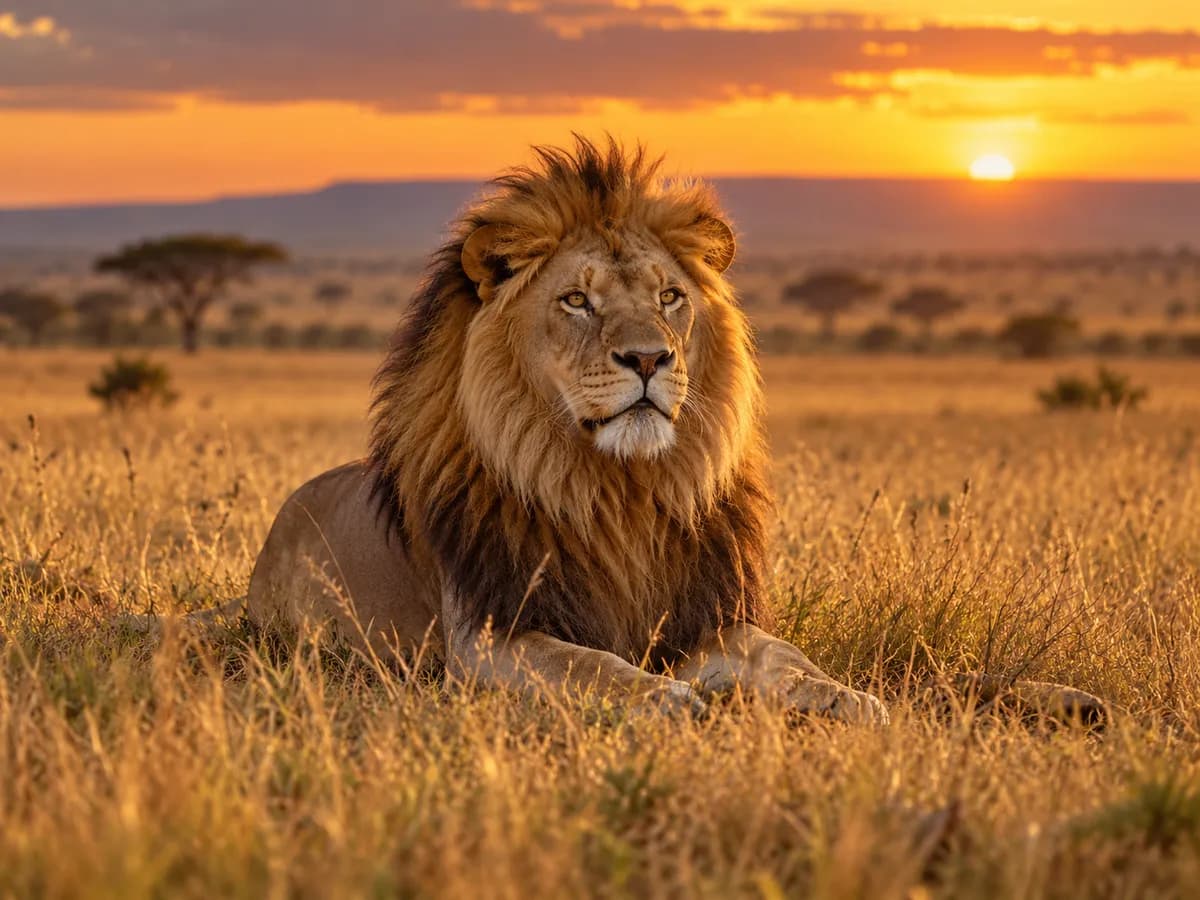 LionThe only big cat that lives in groups, the lion is the symbol of the African savanna. It spends much of the day resting, while hunting is mostly done by the females working together.Explore
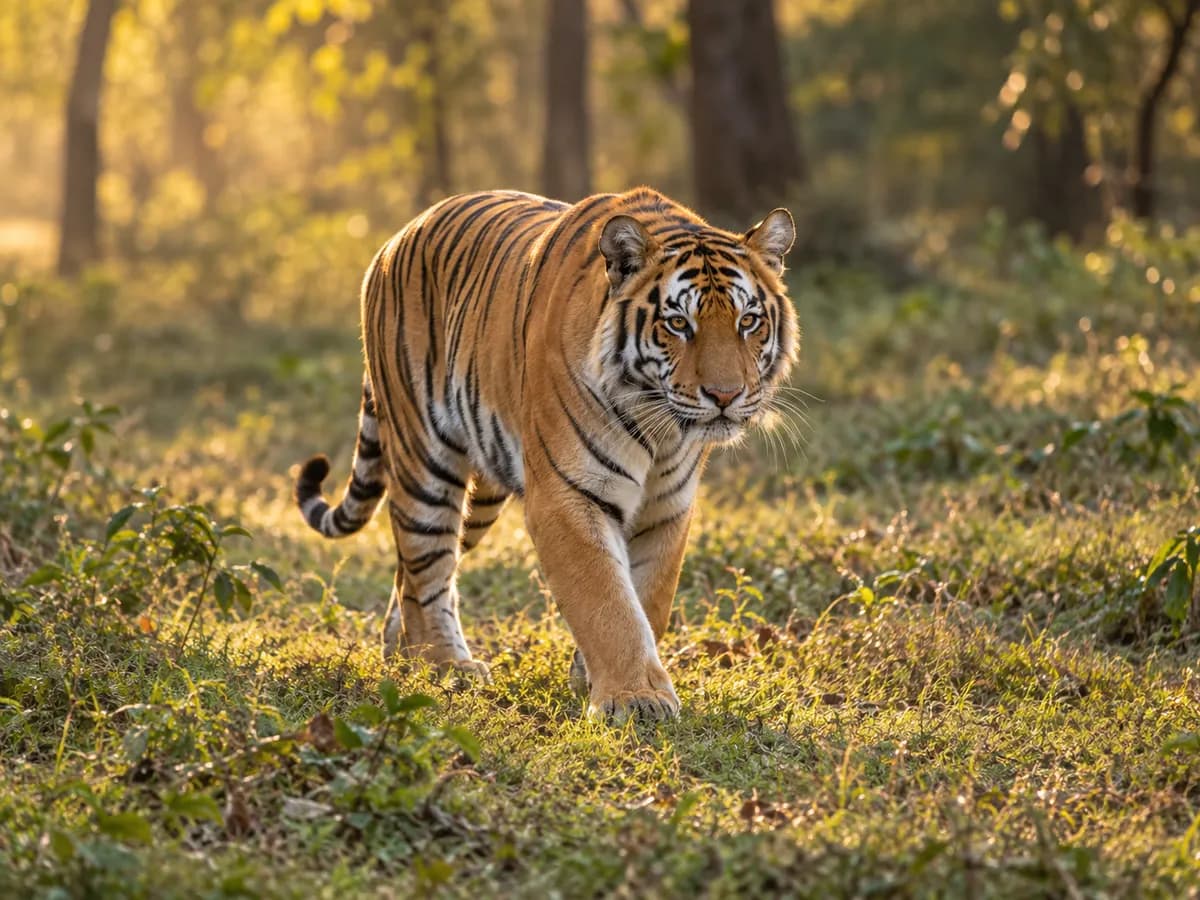 TigerThe largest of all cats, the tiger is known for its striped coat and solitary life. It lives in habitats from Asian forests to mangrove swamps, but it is endangered.Explore
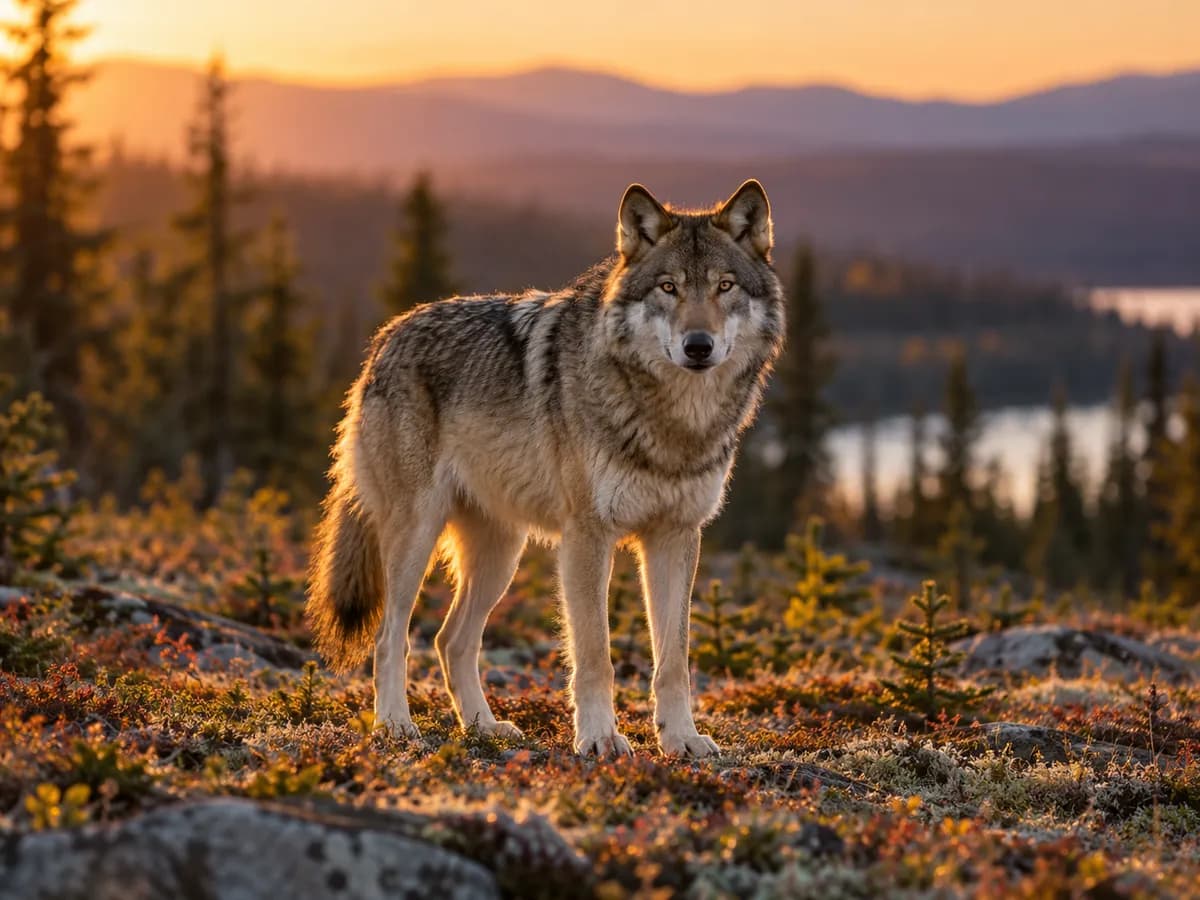 WolfThe ancestor of the domestic dog, the wolf is a highly intelligent predator that lives with strong family bonds. It lives across much of the Northern Hemisphere, including Türkiye.Explore
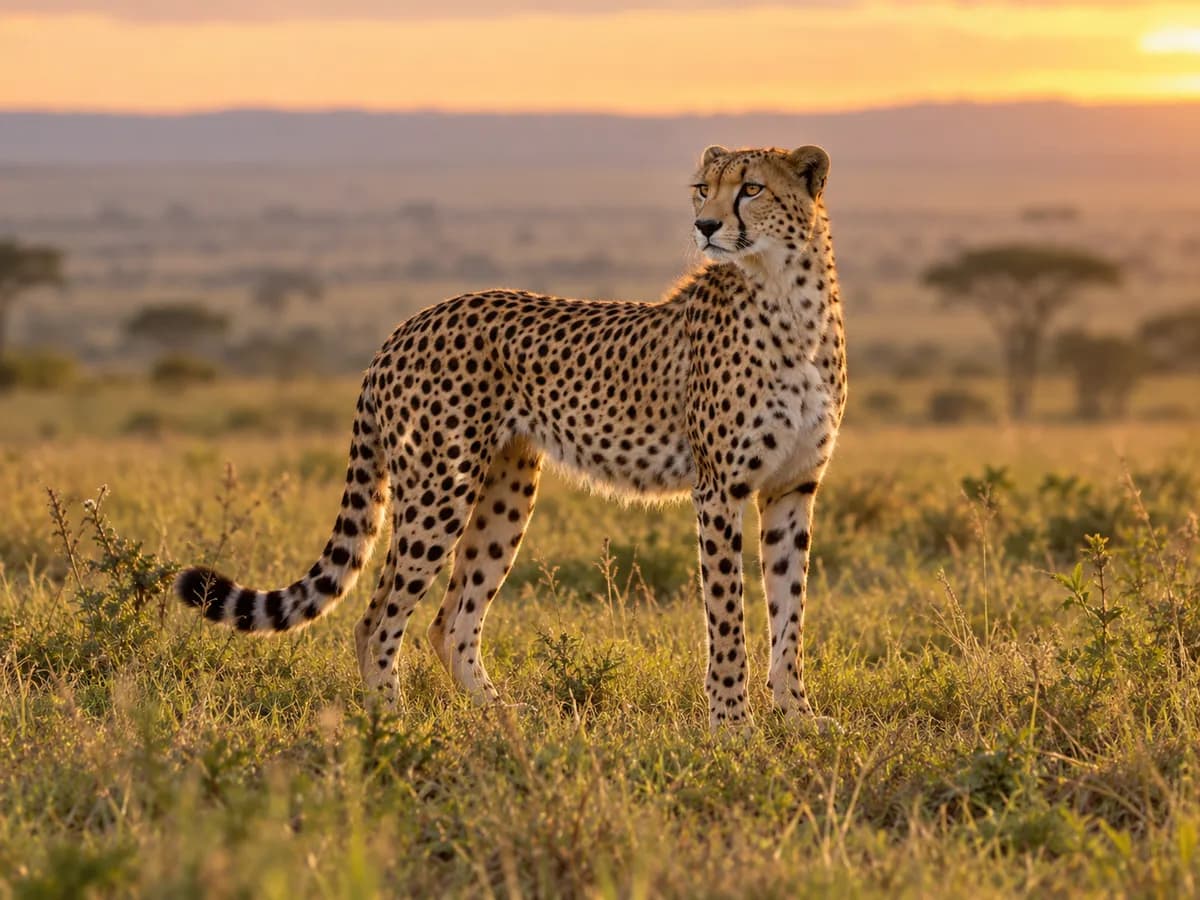 CheetahThe fastest land animal, the cheetah can reach more than 100 kilometres per hour over short distances. Its slim build and the "tear marks" on its face set it apart from other big cats.Explore
Respect for nature, stronger tomorrows
Protecting wildlife is everyone's responsibility.
If you find an injured or young wild animal, don't touch it; inform your local wildlife authority. More knowledge, more awareness.
- Respect natural habitats
- Watch wild animals from afar
- Leave no litter in nature
- Support a sustainable future