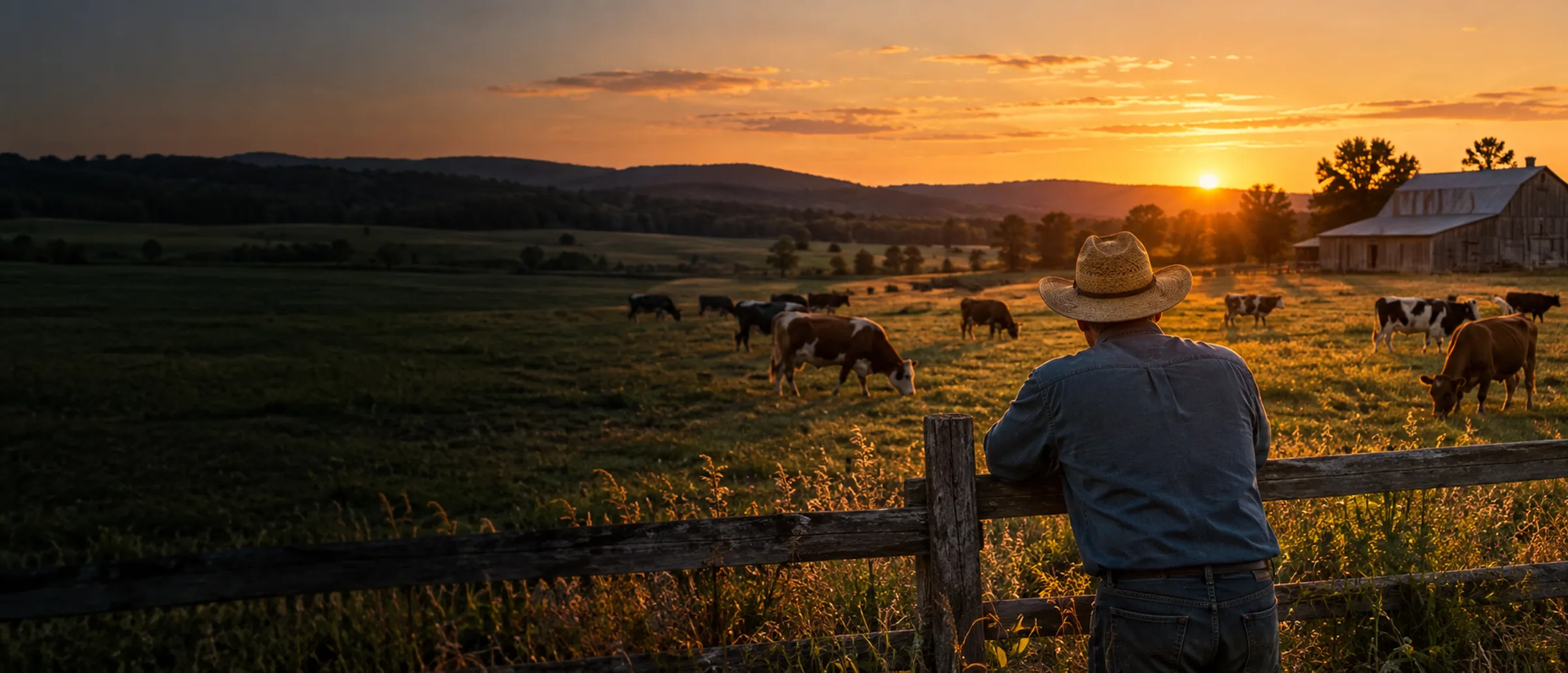

Goose care
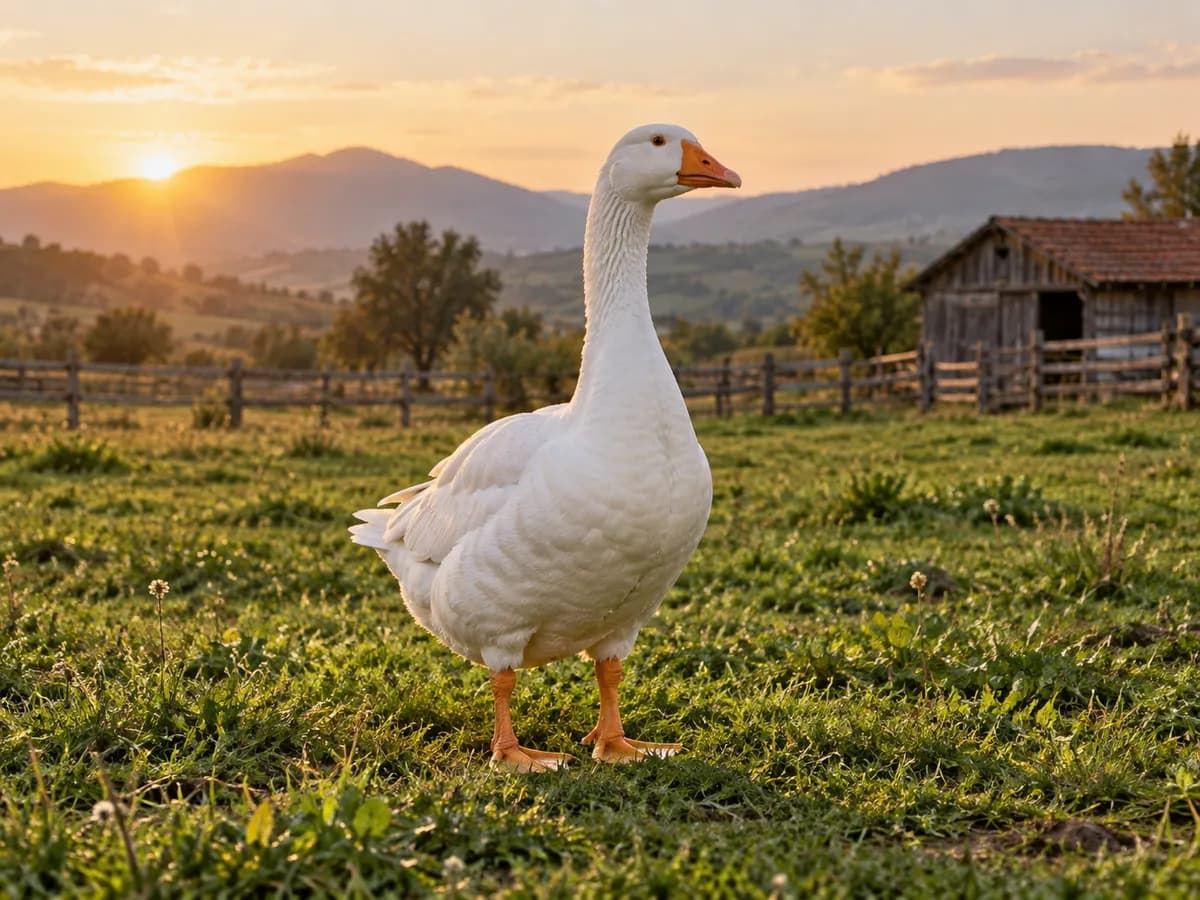
Geese are long-lived, intelligent birds with a strong flock instinct. They get most of their food by grazing and are known for acting as guards, announcing strangers loudly.
- Class
- Bird
- Group
- Poultry
Quick care summary
The care essentials for Geese.
In depth
In short
- Geese are grazing birds; good pasture is the basis of their diet.
- They need water to dunk their heads and bathe.
- They are loud, alert birds that defend their territory.
- They live a long time and can become attached to their keepers.
- They should be shut in a predator-proof shelter at night.
Geese are large waterfowl kept for thousands of years for meat, eggs, feathers and guarding. They have strong family and flock bonds; pairs often stay together for a long time. Their habit of calling loudly when they notice strangers has earned them the reputation of "farm guards".
Housing and space
- Pasture: Geese eat a lot of grass and need a large fenced area to graze.
- Shelter: They do not perch; they sleep on dry bedding on the ground. The house should be airy, dry and closable against predators.
- Water: A pond for swimming is ideal; at the very least they need a container deep enough to dunk their heads and bathe.
Feeding routine
- Grazing: Fresh grass makes up most of a goose's diet.
- Supplementary feed: When pasture is short, in winter and during the laying season, balanced poultry feed can be given.
- Goslings: Use a waterfowl starter for goslings and give them access to short, fresh grass.
- Grit: Geese eating grain can be given fine grit.
Water
Clean drinking water must always be available. Like ducks, geese dirty their water quickly, so clean containers often.
Daily care
- Check geese daily for movement, appetite and behaviour.
- Keep bedding dry and refresh it regularly.
- To prevent overgrazing, you can divide the pasture and rotate between sections.
Behaviour and social needs
Geese live in flocks and should not be kept alone. In the breeding season, ganders may be aggressive while protecting nests and mates; take care during this time and supervise children.
Seasonal care
Geese are cold-hardy, but make sure their water does not freeze. Provide shade and plenty of water in summer.
Good to know
The most important points.
- Health programmeAsk a local veterinarian about vaccinations and parasite control. Get help without delay if something seems out of the ordinary.
Similar animals
Other animals in the same group.
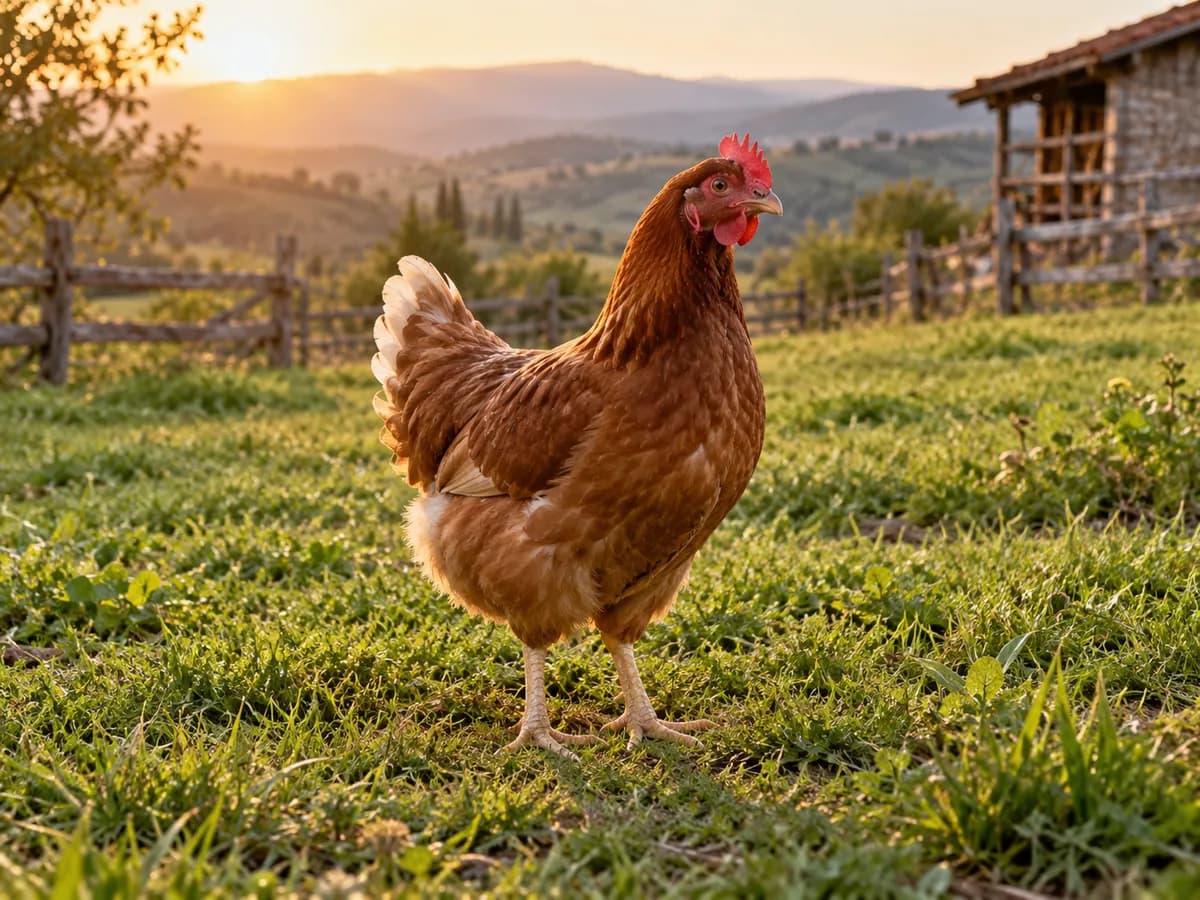 ChickenChickens are social, curious birds of habit. A predator-proof coop, perches and nest boxes, balanced feed, clean water and a place to dust-bathe are the foundations of happy, productive hens.Explore
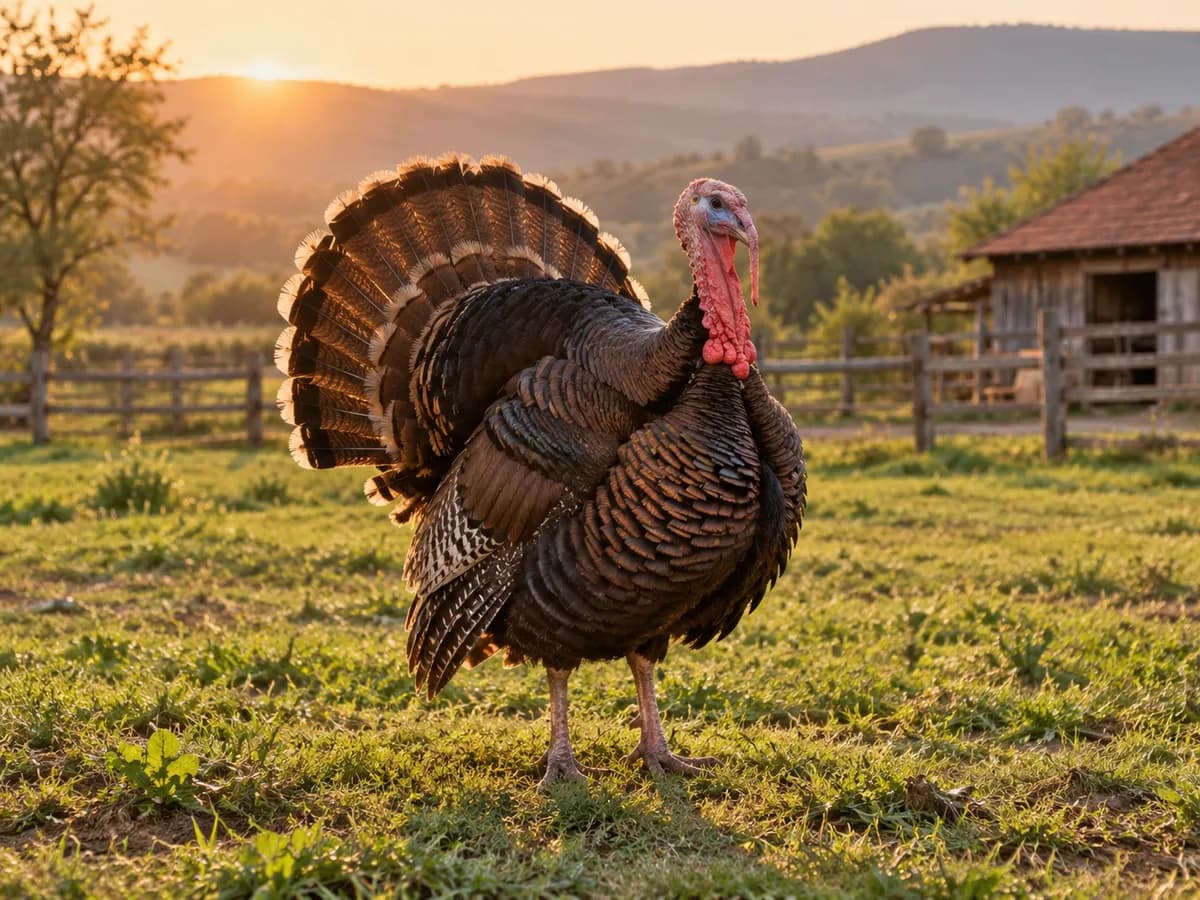 TurkeyTurkeys are large, curious and surprisingly social birds. They need more space than chickens, higher and sturdier perches and, especially when young, more protein.Explore
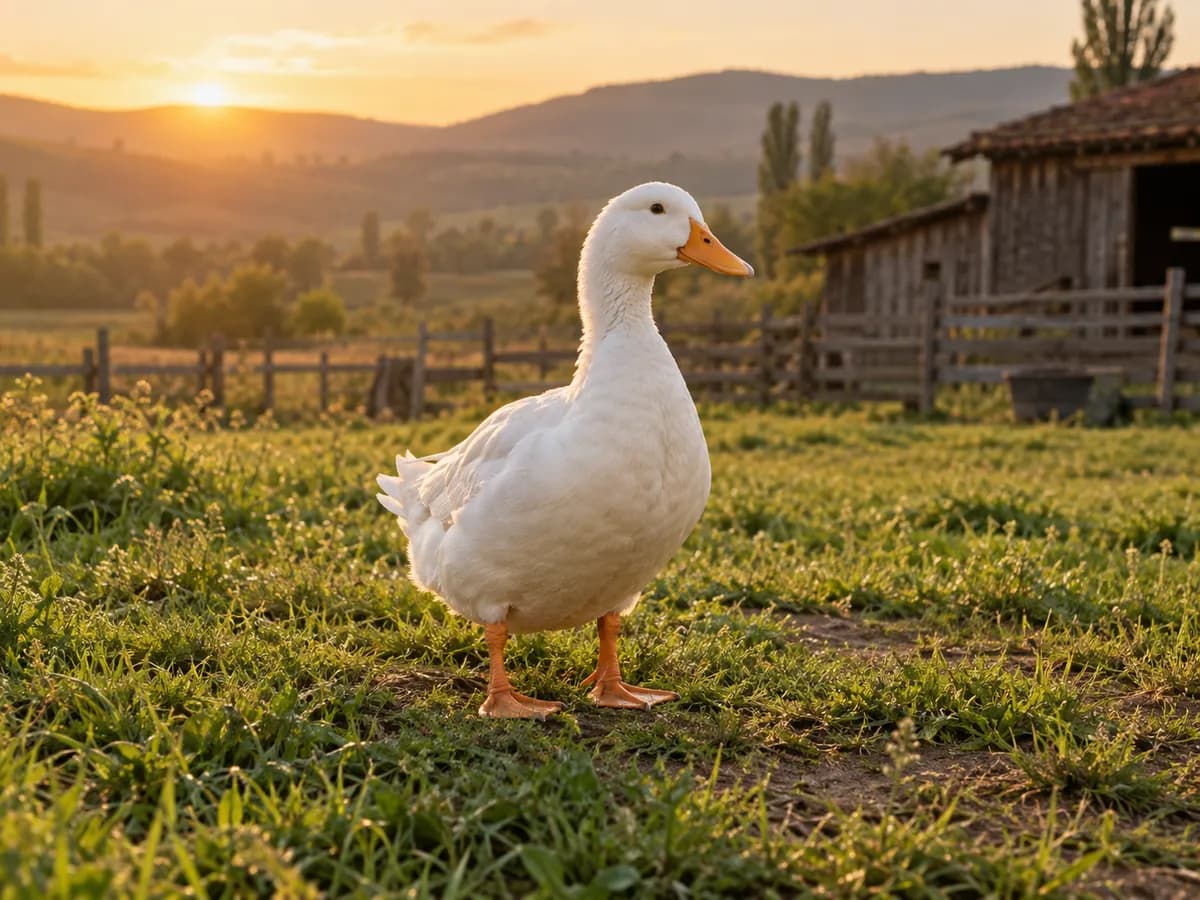 DuckDucks are cheerful, hardy birds strongly tied to water. Clean water deep enough to dunk their heads, a dry and secure shelter and feed suited to waterfowl are the basics of duck care.Explore
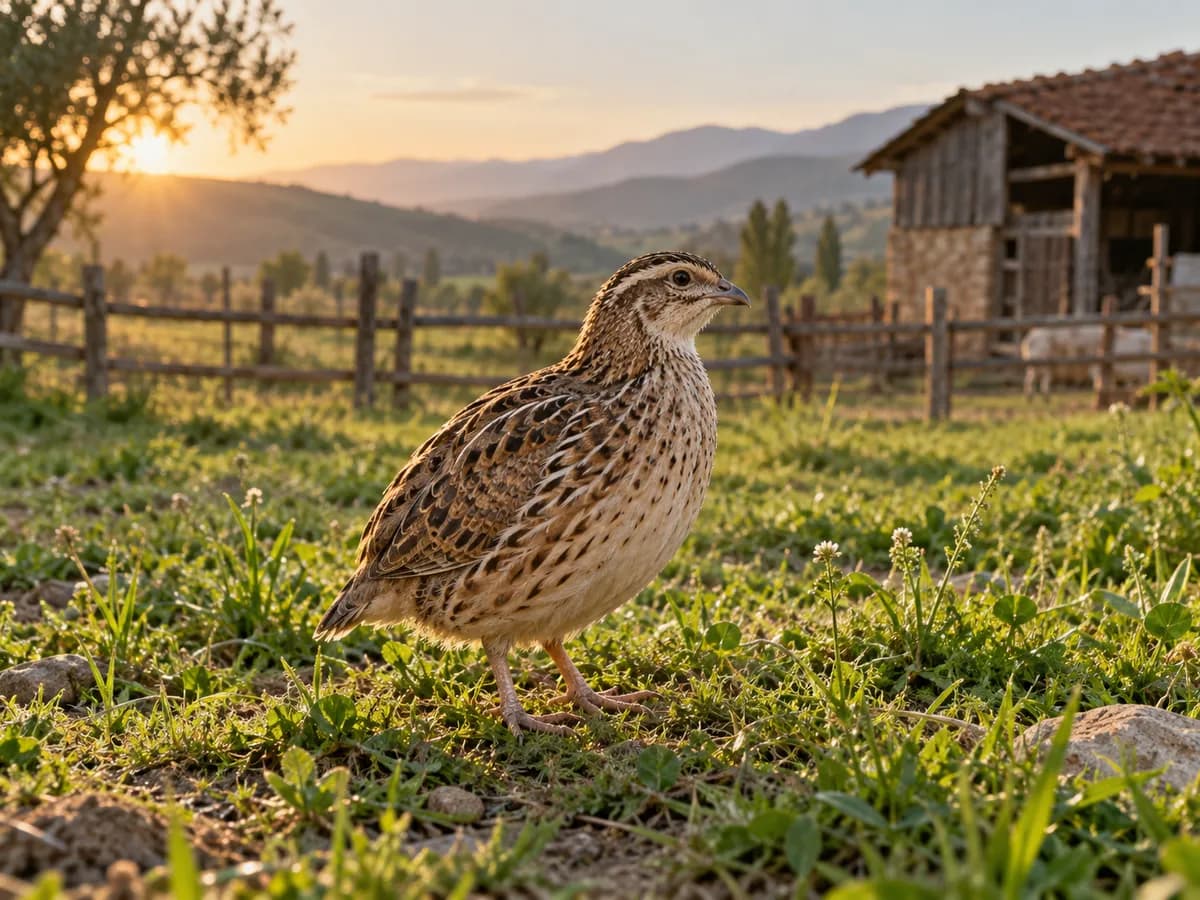 QuailQuail are small, quiet birds that need little space. High-protein feed, a place to dust-bathe and a low or soft cage roof — because they flush straight up when startled — are the key points of their care.Explore
For a better tomorrow
Respect for animals, more sustainable farming.
Mindful care that protects the welfare of farm animals means a better future for animals, people and nature.
- Support animal welfare
- Encourage sustainable farming
- Live in harmony with nature
- Share what you know