
Turkey care
Turkeys are large, curious and surprisingly social birds. They need more space than chickens, higher and sturdier perches and, especially when young, more protein.
- Class
- Bird
- Group
- Poultry
Quick care summary
The care essentials for Turkeys.
- Housing and spacePlenty of space: Turkeys are big birds and need much more room than chickens, both indoors and outdoors.
- Feeding routinePoults: Young turkeys have high protein needs and should be fed a turkey starter.
- WaterClean water must always be available.
- Daily careCheck turkeys every day for appetite, movement and behaviour.
In depth
In short
- Turkeys need more space and sturdier perches than chickens.
- Young turkeys (poults) should be fed a high-protein turkey starter.
- They are social birds and get used to people easily.
- They are sensitive to heat; shade and plenty of water are essential.
- Ask an expert before keeping them in the same area as chickens.
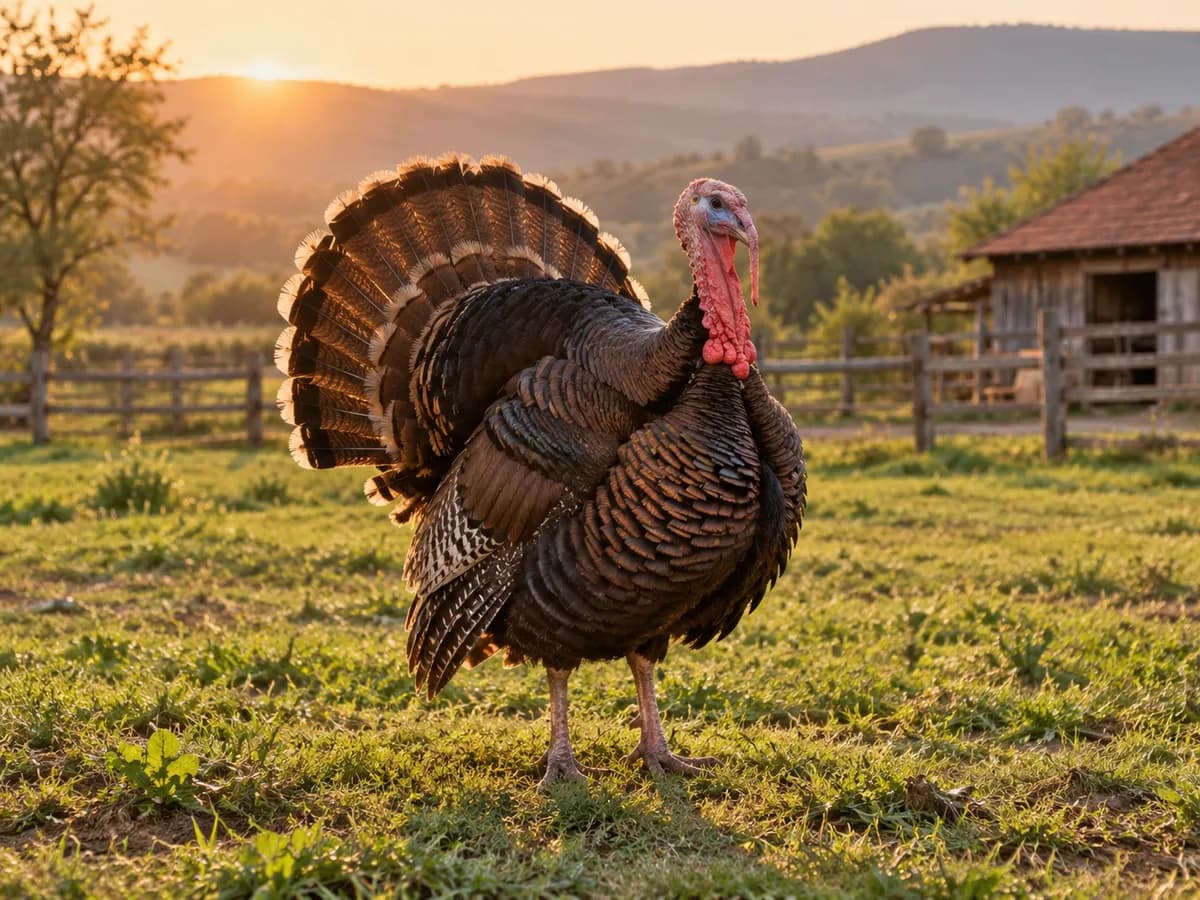
Turkeys are large domestic birds originally from North America. Curious and social, they easily get used to their keepers and may follow them around. Males display by fanning their tail feathers and gobbling.
Housing and space
- Plenty of space: Turkeys are big birds and need much more room than chickens, both indoors and outdoors.
- Sturdy perches: Provide wide perches that can take their weight and are not too high off the ground.
- Predator protection: Close the house securely, especially for young birds and at night.
- Clean, dry bedding: Keep bedding dry and refresh it regularly.
Feeding routine
- Poults: Young turkeys have high protein needs and should be fed a turkey starter. Chick starter is not always enough.
- Adults: Balanced turkey feed can be supplemented with grazing and greens.
- Grit: Turkeys eating whole grains can be given fine grit.
Water
Clean water must always be available. Drinkers for poults should be shallow so they cannot fall in and get soaked.
Daily care
- Check turkeys every day for appetite, movement and behaviour.
- Keep drinkers and feeders clean.
- Keep bedding dry and clean it regularly.
Behaviour and social needs
Turkeys live in flocks with a ranking. Males can be aggressive towards each other in the breeding season. Enough space and things to do reduce tension.
Seasonal care
Turkeys are sensitive to heat; provide shade, ventilation and cool water in summer. Poults need a sheltered, heated area in their first weeks.
Good to know
The most important points.
- Health programmeTurkeys can differ from chickens in their susceptibility to some diseases. Ask a local veterinarian before keeping turkeys with chickens, and about vaccinations and parasite control. Get help without delay if something seems out of the ordinary.
Similar animals
Other animals in the same group.
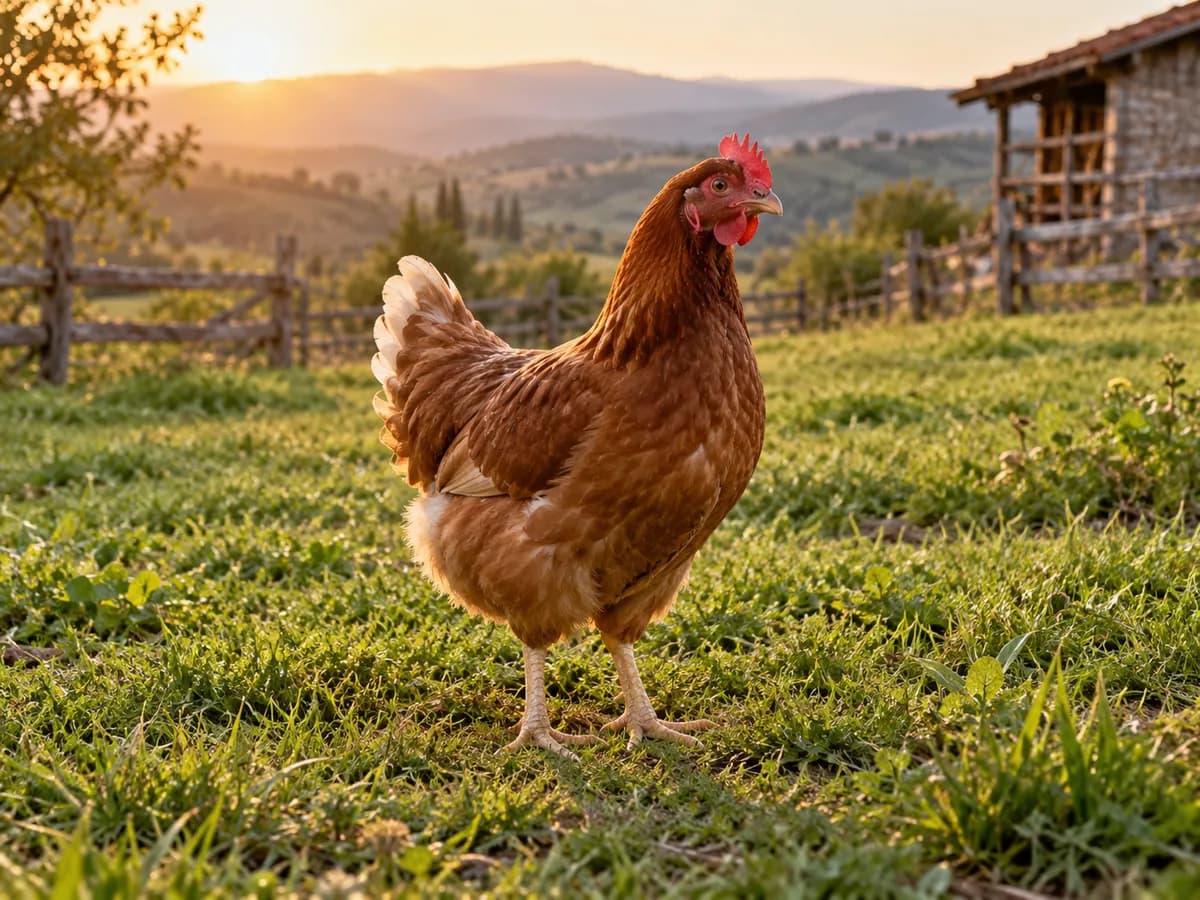 ChickenChickens are social, curious birds of habit. A predator-proof coop, perches and nest boxes, balanced feed, clean water and a place to dust-bathe are the foundations of happy, productive hens.Explore
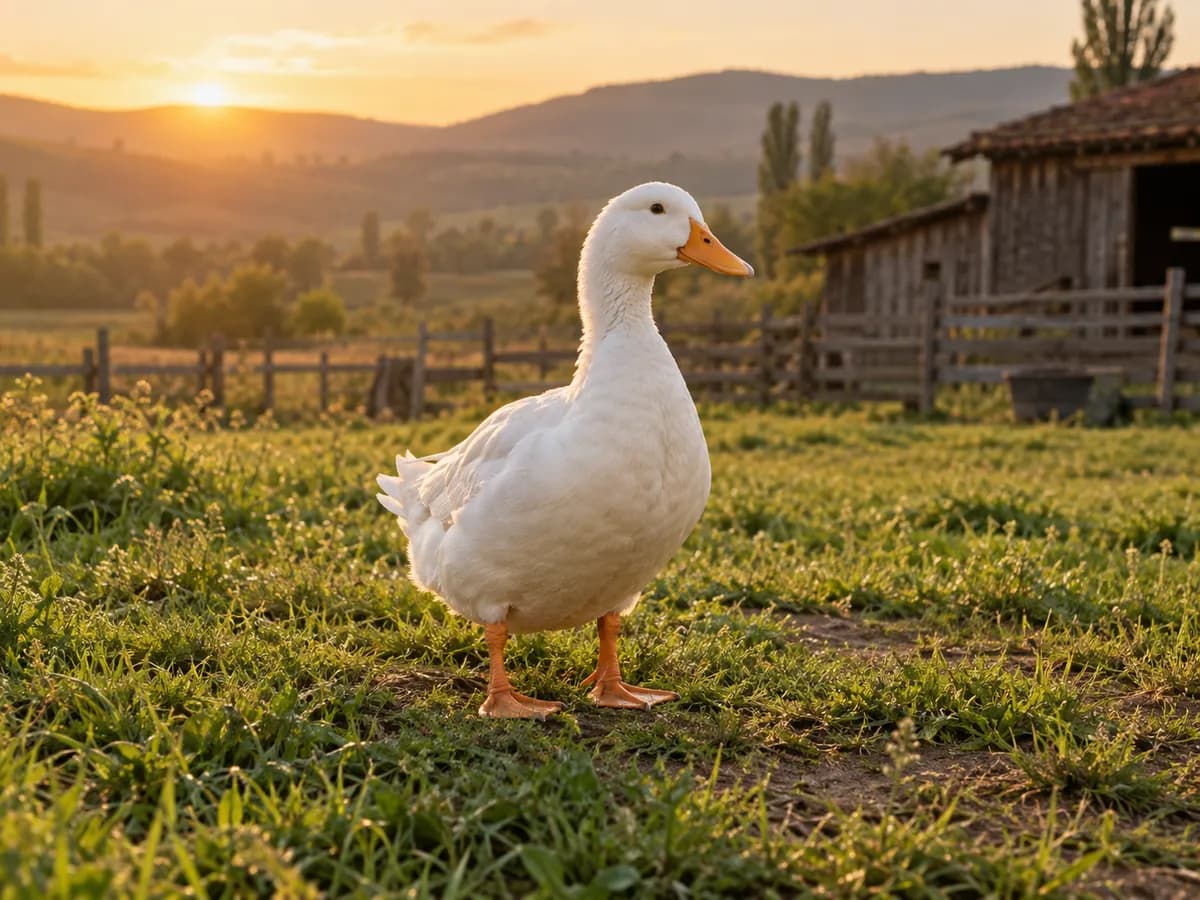 DuckDucks are cheerful, hardy birds strongly tied to water. Clean water deep enough to dunk their heads, a dry and secure shelter and feed suited to waterfowl are the basics of duck care.Explore
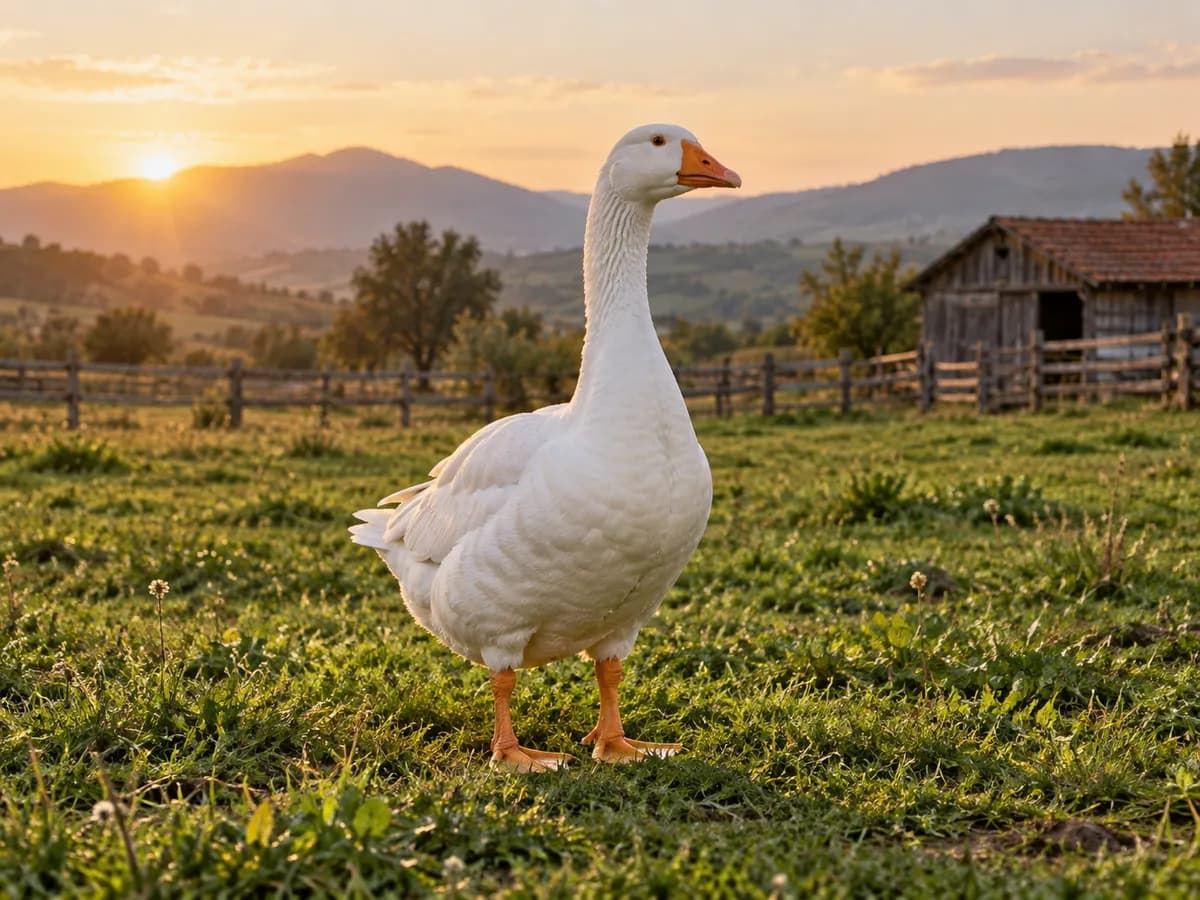 GooseGeese are long-lived, intelligent birds with a strong flock instinct. They get most of their food by grazing and are known for acting as guards, announcing strangers loudly.Explore
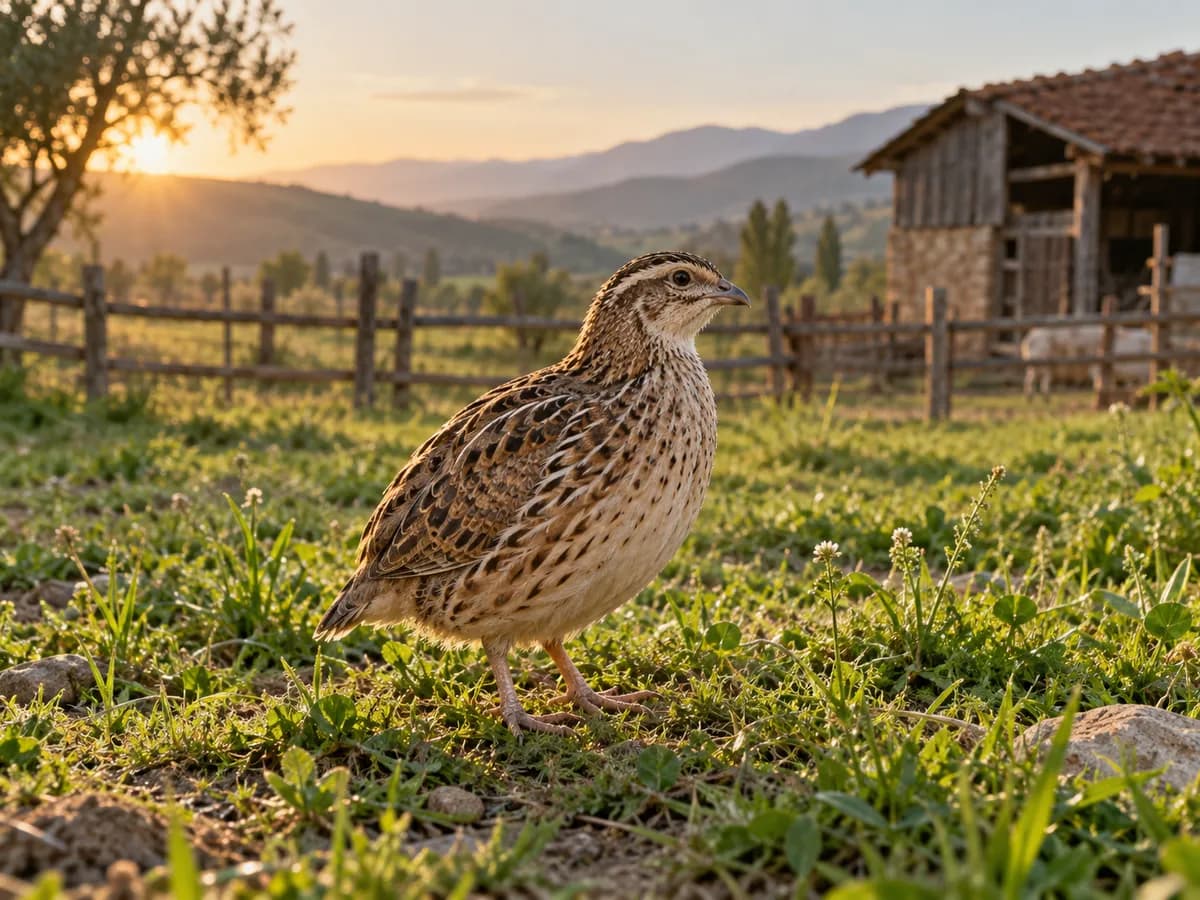 QuailQuail are small, quiet birds that need little space. High-protein feed, a place to dust-bathe and a low or soft cage roof — because they flush straight up when startled — are the key points of their care.Explore
For a better tomorrow
Respect for animals, more sustainable farming.
Mindful care that protects the welfare of farm animals means a better future for animals, people and nature.
- Support animal welfare
- Encourage sustainable farming
- Live in harmony with nature
- Share what you know