

Chinchillas
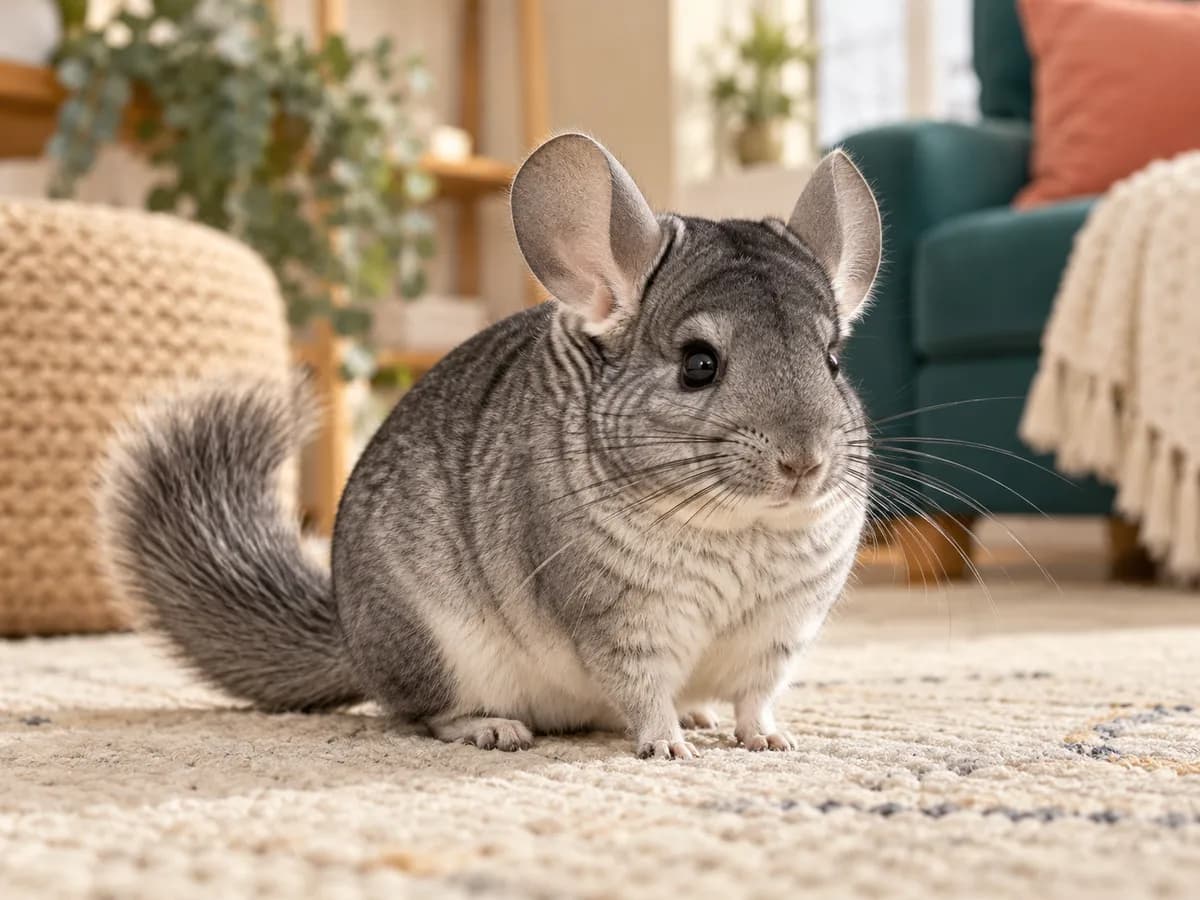
With one of the densest coats in the world, chinchillas come from the cool, dry Andes. Dust baths, a cool home and plenty of hay are their basic needs.
- Typical lifespan
- 10–20 years
- Social needs
- Should live with at least one companion of its kind
- Active hours
- Active at dawn and dusk
- Experience level
- Needs some experience
Values are typical ranges and vary with breed, husbandry and the individual animal.
Quick care summary
The care essentials for Chinchillas.
- Nature and behaviorCurious, lively and social, they benefit from living with a compatible companion.
- Living spaceThey need a tall, multi-level, spacious cage where they can jump and climb.
- Feeding routineUnlimited good-quality hay, a measured amount of chinchilla pellets and clean water make up the basic diet.
- Care notesDust bath: A short dust bath with chinchilla sand several times a week.
In depth
In short
- Chinchillas keep clean with a special-sand "dust bath", not water.
- They are very sensitive to heat and need a cool, well-ventilated environment.
- They love jumping and climbing; a tall, multi-level home is ideal.
- Hay is the foundation of their diet; their teeth grow throughout life.
- They can live 10–20 years, so they are a long-term commitment.
Chinchillas are rodents from the high-altitude, cool and dry regions of the Andes in South America. They are most active at dusk and usually rest during the day.
Nature and behavior
Curious, lively and social, they benefit from living with a compatible companion. Rather than being picked up, they prefer to approach on their own terms in a place they trust. It's important not to squeeze them when handling; their fur can come out when they are frightened.
Living space
They need a tall, multi-level, spacious cage where they can jump and climb. Sturdy ramps and shelves with solid floors are best. It is very important that the room is cool, dry and out of direct sunlight.
Feeding routine
Unlimited good-quality hay, a measured amount of chinchilla pellets and clean water make up the basic diet. Sugary and fatty treats are not suitable. Offer safe wooden toys for chewing.
Care notes
- Dust bath: A short dust bath with chinchilla sand several times a week. They must not be bathed in water.
- Keeping cool: Make sure the room stays cool in hot weather.
- Time out: Supervised roaming in a chinchilla-proofed room.
Good to know
The most important points.
- When to contact a vetChinchillas can hide discomfort. If you notice changes in appetite, droppings or activity, contact a veterinarian experienced with exotic pets.
Similar animals
Other animals in the same group.
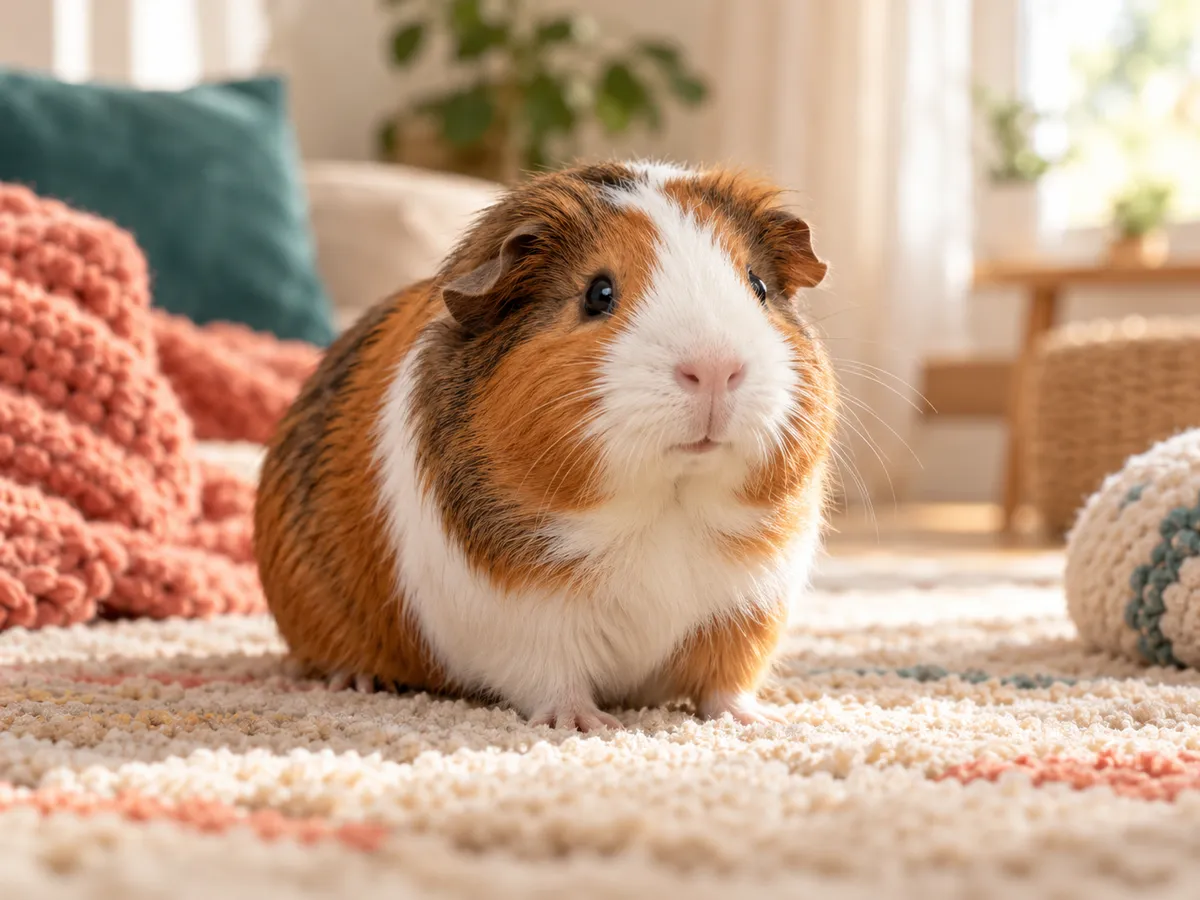 Guinea pigChatty, social and fond of routine, guinea pigs make delightful companions when they have friends of their own kind, plenty of hay and a roomy space. Their need for vitamin C in the diet is a detail every owner should know.Explore
 HamsterSmall animals with big needs: hamsters want to dig tunnels in deep bedding, run in a roomy space and explore at night. A well-built habitat is half of good hamster care.Explore
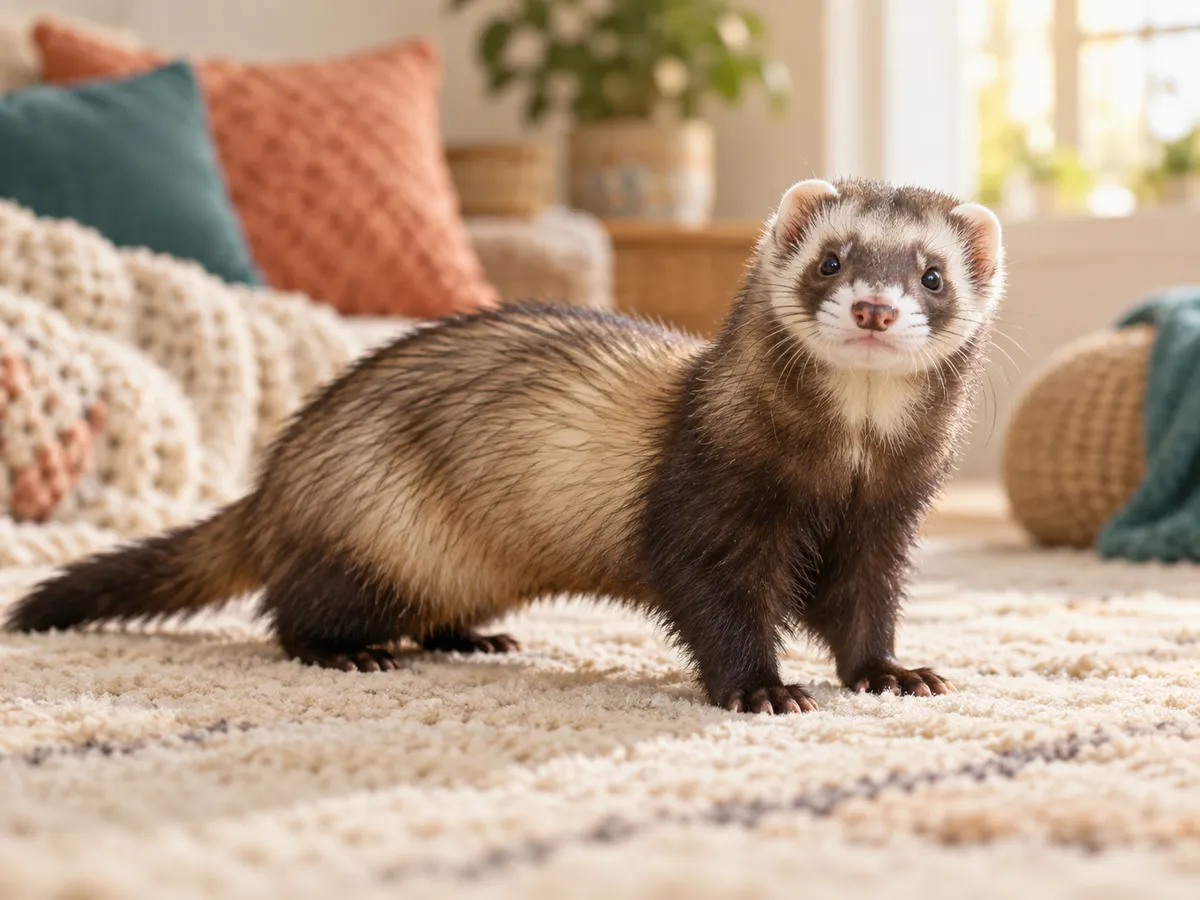 FerretCurious, playful and endlessly exploratory, ferrets need experience but give a lot back. A safe home, a carnivorous diet and plenty of play are their basic needs.Explore
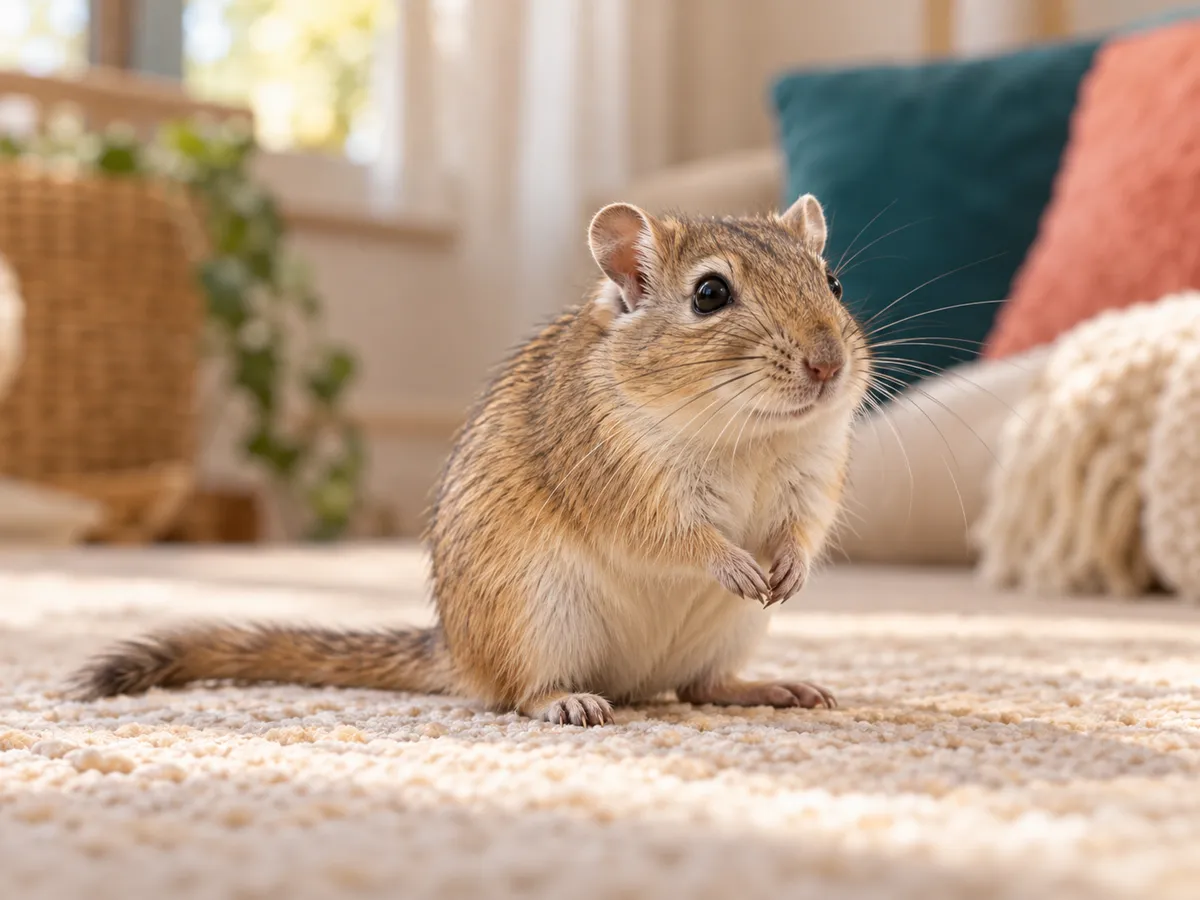 GerbilCurious, active by day and passionate diggers, gerbils are happiest with companions in deep bedding where they can build tunnels.Explore
Happier together
Create a free profile for your companion.
Enter the date of birth or an estimated age to see its life stage, weight history and matching guides in one place.
- Life-stage tracking
- Weight history
- Guides for its species
- Free account