

- Length
- 1.1–1.5 m
- Weight
- 21–72 kg
- Lifespan in the wild
- 10–12 years
- Conservation status (IUCN)
- Vulnerable (VU)
Figures are approximate for adults and vary by sex, subspecies and population.
At a glance
The key facts about Cheetahs.
- Where does it live?Most cheetahs live in the open savannas and grasslands of eastern and southern Africa.
- What does it eat?It is a carnivore that feeds on small and medium antelopes such as gazelles and impalas, as well as hares and birds.
- Behaviour and social lifeFemales usually live alone apart from their cubs.
- CubsAfter a pregnancy of about three months, a female has on average 3–5 cubs.
In depth
In short
- The cheetah is the fastest animal on land.
- It can hold its top speed only over a short distance.
- It mostly hunts by day, which reduces encounters with lions and leopards that hunt at night.
- Unlike other big cats, it cannot roar; instead it makes chirping sounds.
- The IUCN lists the cheetah as Vulnerable; habitat loss and conflict with people are the main threats.
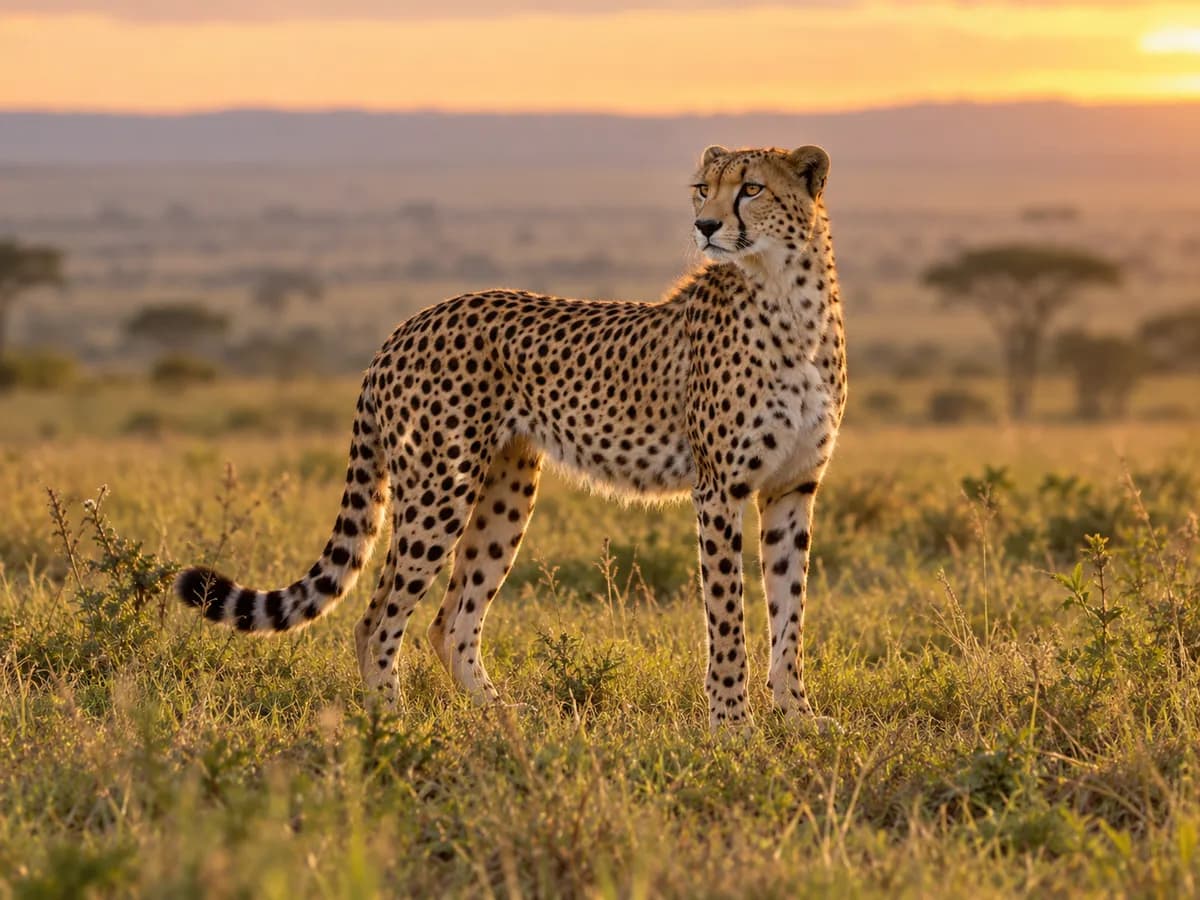
The cheetah (Acinonyx jubatus) is a slender, long-legged cat built for speed. The black "tear marks" running from the inner corners of its eyes to its mouth are thought to reduce the sun's glare and help it see prey.
Where does it live?
Most cheetahs live in the open savannas and grasslands of eastern and southern Africa. A very small population, the Asiatic cheetah, struggles to survive in Iran.
What does it eat?
It is a carnivore that feeds on small and medium antelopes such as gazelles and impalas, as well as hares and birds. It stalks close to its prey and then launches a short, very fast chase that usually ends within a few hundred metres.
Behaviour and social life
Females usually live alone apart from their cubs. Males often form small groups called coalitions, usually with their brothers. Cheetahs typically hunt by day, which lowers the risk of meeting lions and hyenas that are active at night. Even so, they often lose their kills to stronger predators.
Cubs
After a pregnancy of about three months, a female has on average 3–5 cubs. The long grey fur on the cubs' backs is thought to help protect them from predators. Cub mortality is high.
Conservation status
The cheetah is listed as Vulnerable (VU) on the IUCN Red List. Because cheetahs need very large areas, they are hit hard by fragmented habitat. Conflict with farmers and the illegal pet trade are also serious threats.
Fun facts
- A cheetah's claws are only partly retractable, which helps it grip the ground while running.
- Its long tail helps it balance during sharp turns.
- Cheetahs cannot roar, but they can purr.
Similar animals
Other animals in the same group.
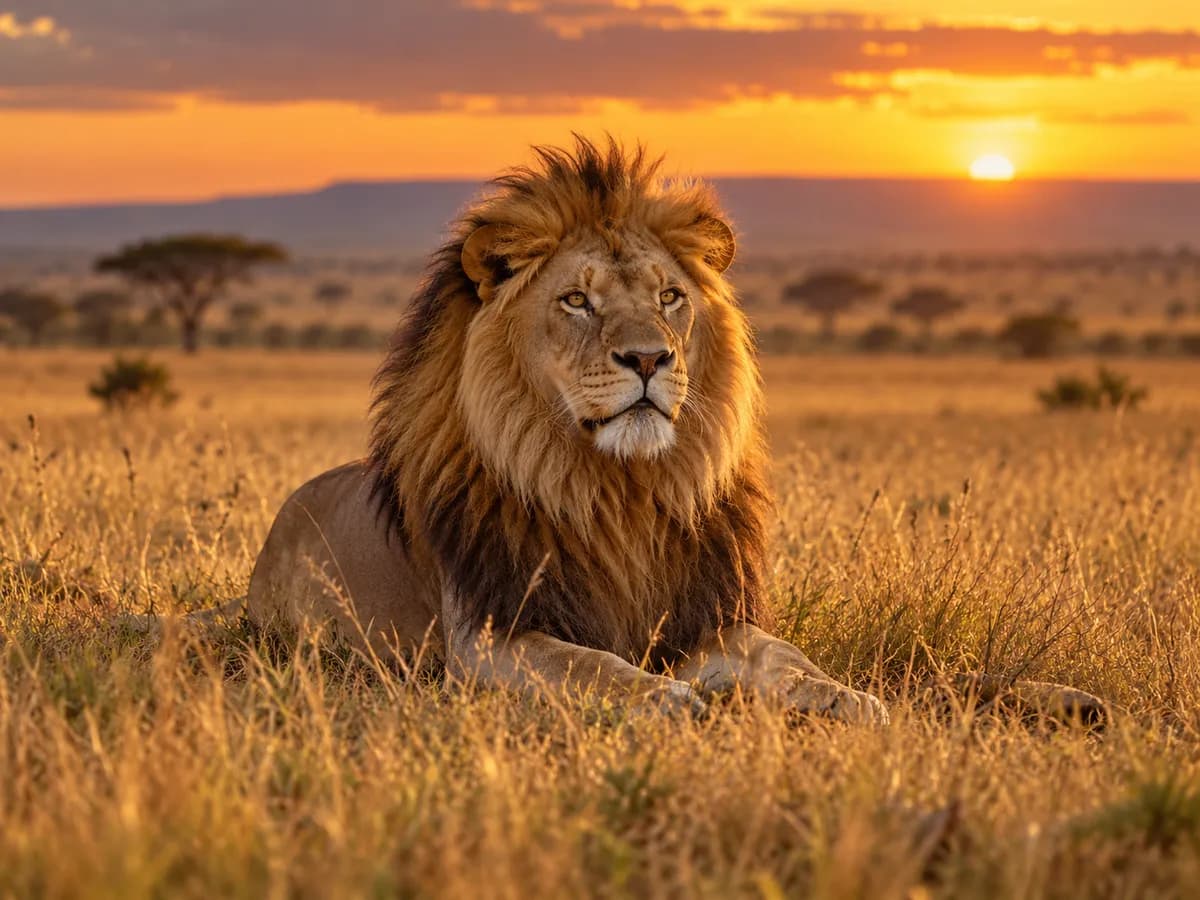 LionThe only big cat that lives in groups, the lion is the symbol of the African savanna. It spends much of the day resting, while hunting is mostly done by the females working together.Explore
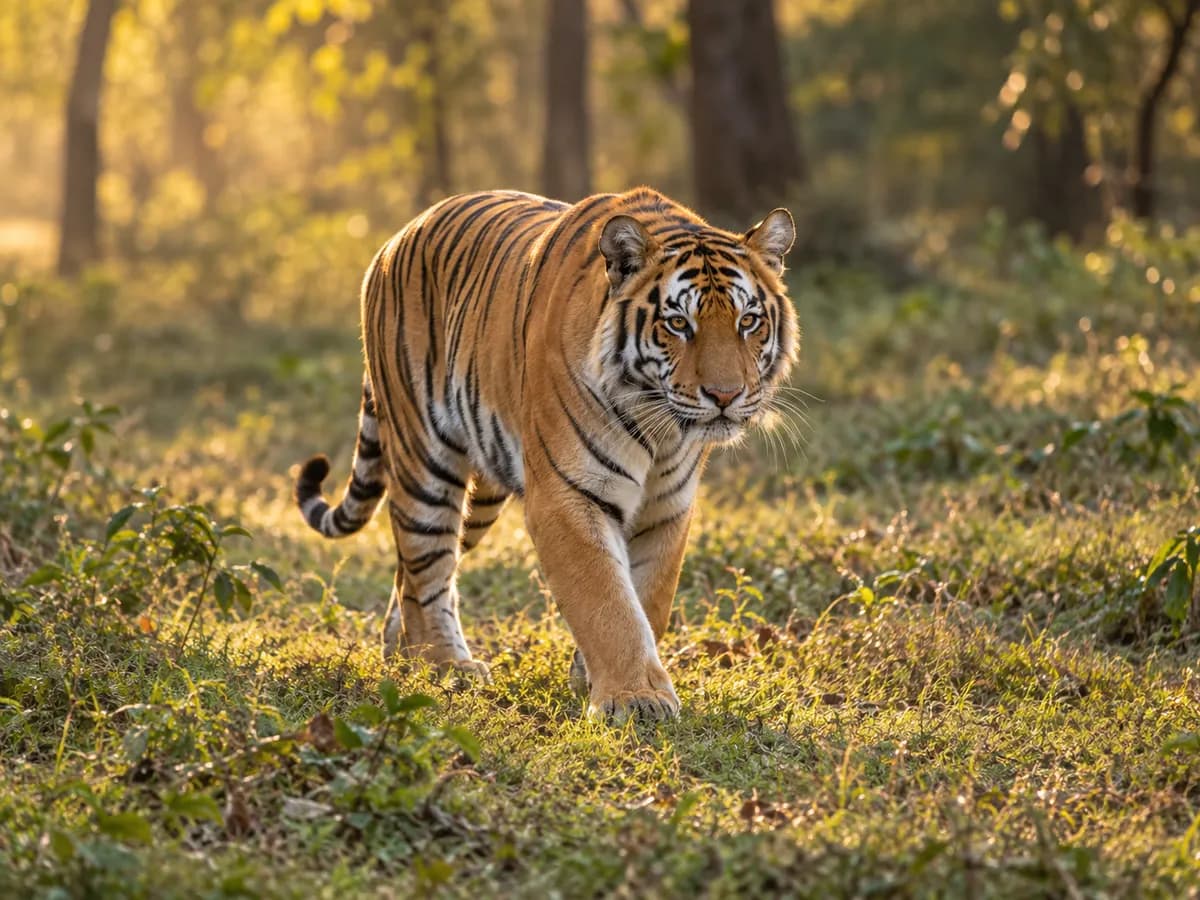 TigerThe largest of all cats, the tiger is known for its striped coat and solitary life. It lives in habitats from Asian forests to mangrove swamps, but it is endangered.Explore
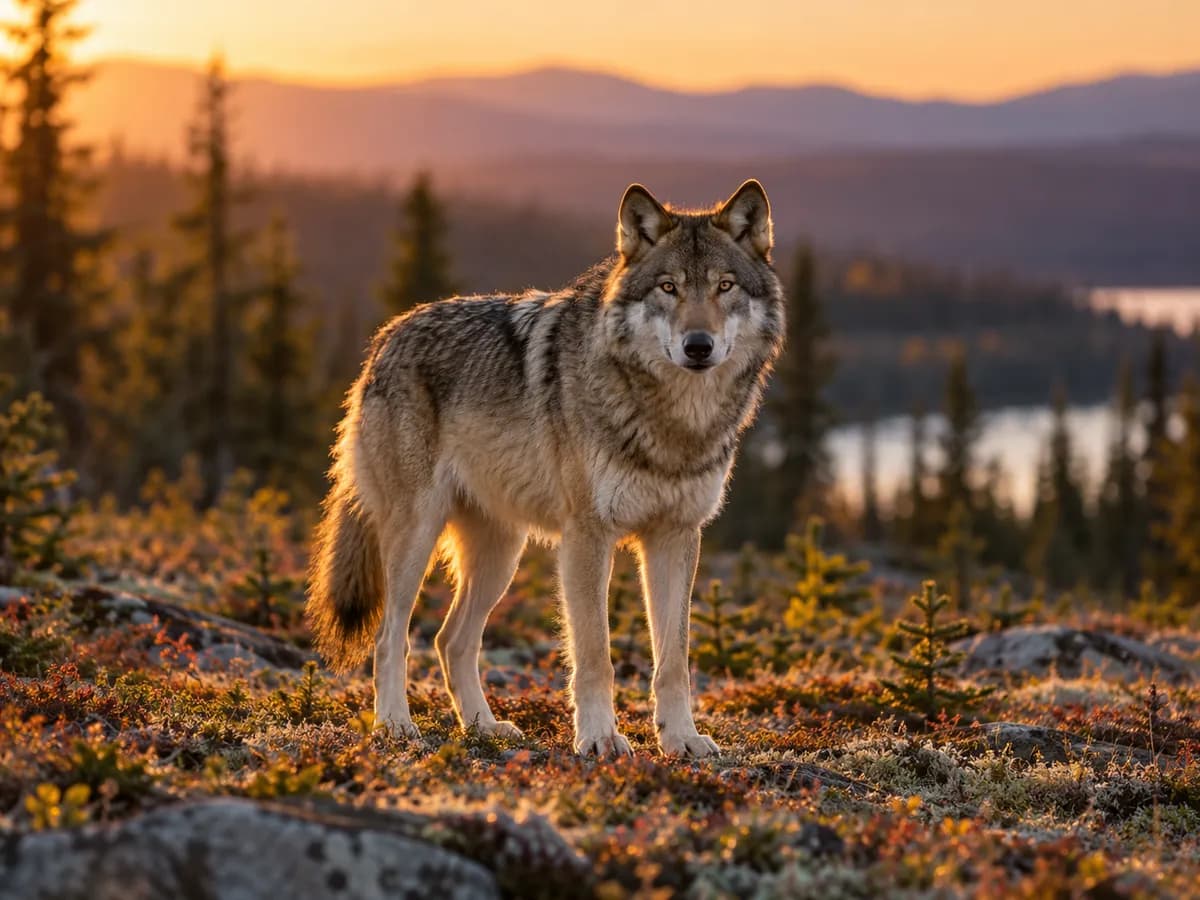 WolfThe ancestor of the domestic dog, the wolf is a highly intelligent predator that lives with strong family bonds. It lives across much of the Northern Hemisphere, including Türkiye.Explore
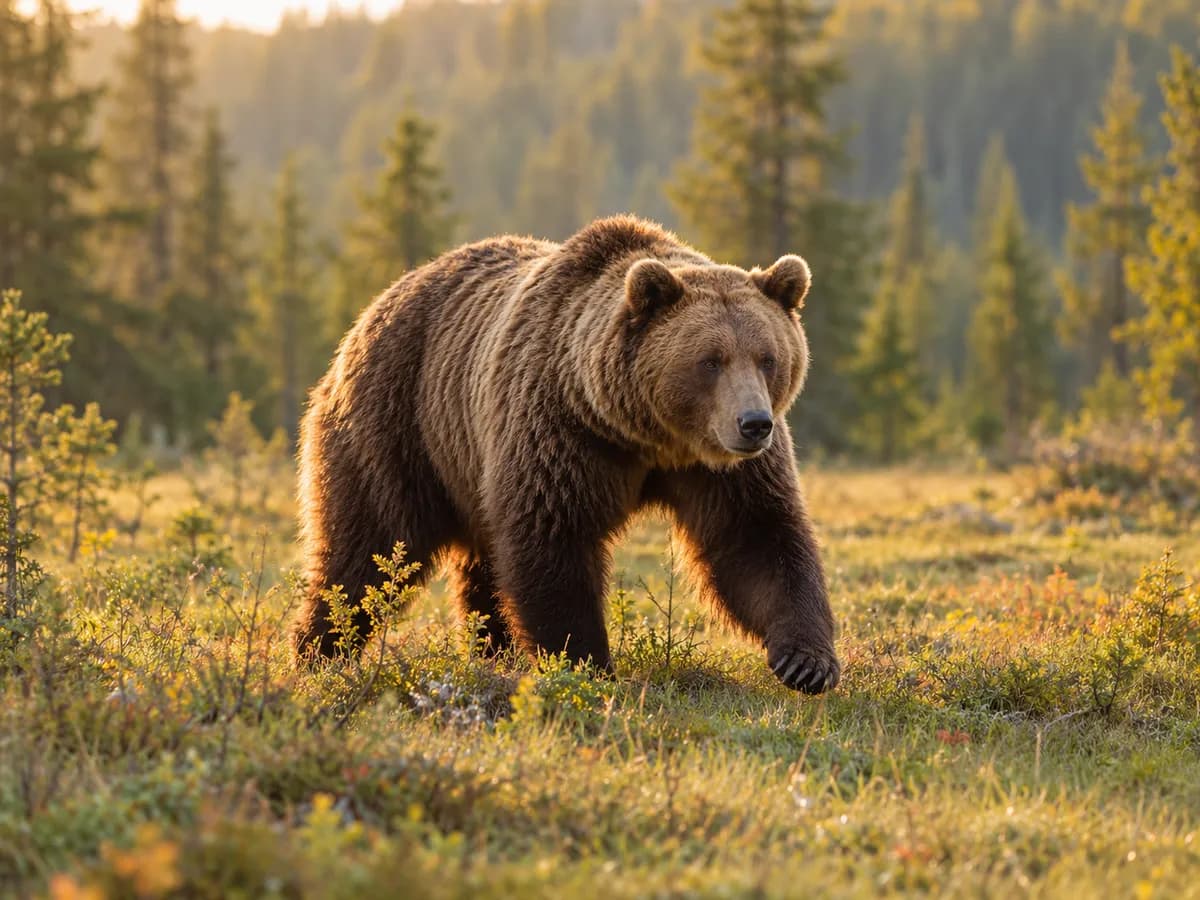 Brown bearThe world's most widespread bear, the brown bear also lives in Türkiye's mountain forests. Despite its powerful look, it is an omnivore whose diet includes a lot of plants, fruit and roots.Explore
Respect for nature, stronger tomorrows
Protecting wildlife is everyone's responsibility.
If you find an injured or young wild animal, don't touch it; inform your local wildlife authority. More knowledge, more awareness.
- Respect natural habitats
- Watch wild animals from afar
- Leave no litter in nature
- Support a sustainable future