

- Length
- 45–90 cm
- Weight
- 3–14 kg
- Lifespan in the wild
- 2–5 years
- Conservation status (IUCN)
- Least concern (LC)
Figures are approximate for adults and vary by sex, subspecies and population.
At a glance
The key facts about Red foxes.
- Where does it live?It lives across much of the Northern Hemisphere: Europe, Asia, North America and North Africa.
- What does it eat?It is an omnivore.
- Behaviour and social lifeFoxes usually hunt alone but live as pairs and families during the breeding season.
- CubsIn spring, the female usually gives birth to 4–6 cubs in a den.
In depth
In short
- The red fox is one of the world's most widespread carnivores.
- It lives in almost every region of Türkiye.
- It is an omnivore that eats rodents, insects, fruit and carrion.
- It can locate prey under snow by sound and pounce on it from above.
- The IUCN lists it as Least Concern.
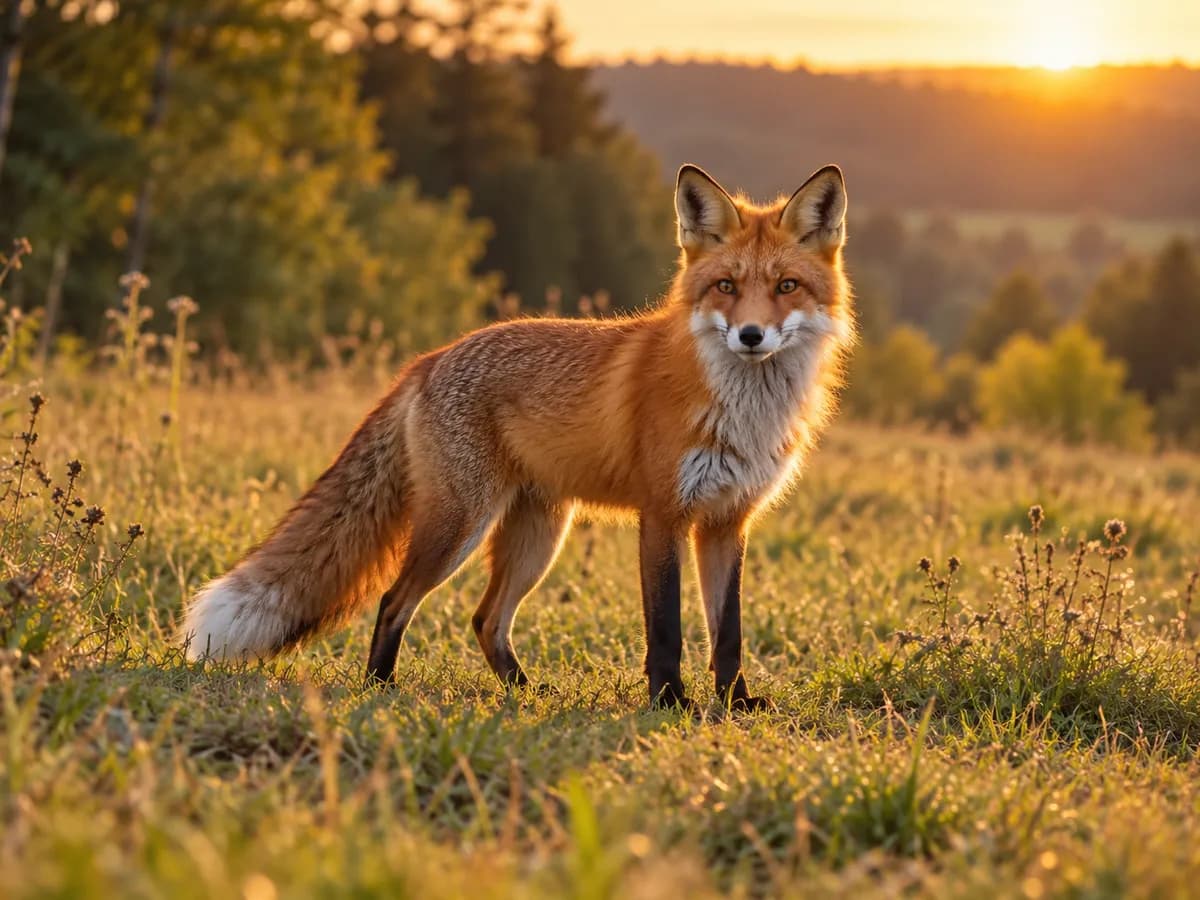
The red fox (Vulpes vulpes) is a member of the dog family known for its orange-red coat, bushy white-tipped tail and black "stockinged" legs. Coat colour varies by region, from pale yellow to deep red and even silver or black.
Where does it live?
It lives across much of the Northern Hemisphere: Europe, Asia, North America and North Africa. People also introduced it to Australia. It adapts to very different habitats, from forests and farmland to mountains and city parks. It is found almost everywhere in Türkiye.
What does it eat?
It is an omnivore. Small rodents such as mice and voles are its main prey; it also eats rabbits, birds, insects, earthworms, fruit and carrion. In towns it may also feed on rubbish and food scraps left by people.
Behaviour and social life
Foxes usually hunt alone but live as pairs and families during the breeding season. They are most active at dusk and at night. Their hearing is excellent: they can locate a mouse moving under snow or grass by sound and leap high to pounce on it.
Cubs
In spring, the female usually gives birth to 4–6 cubs in a den. Both parents help feed the cubs, and sometimes females from previous years help too.
Conservation status
The red fox is listed as Least Concern (LC) on the IUCN Red List. It is widespread and highly adaptable. In places where it was introduced, such as Australia, it is a serious threat to native wildlife.
Fun facts
- Foxes may use the Earth's magnetic field to aim their pounces; this is still being studied.
- In the cold, the tail is wrapped around the body like a blanket while sleeping.
- Urban foxes adapt to human routines and mostly move around at night.
Good to know
The most important points.
- Do not feed wild animalsDo not feed or try to touch foxes you see in town. Wild animals can carry diseases; if you are bitten or scratched, seek medical care immediately.
Similar animals
Other animals in the same group.
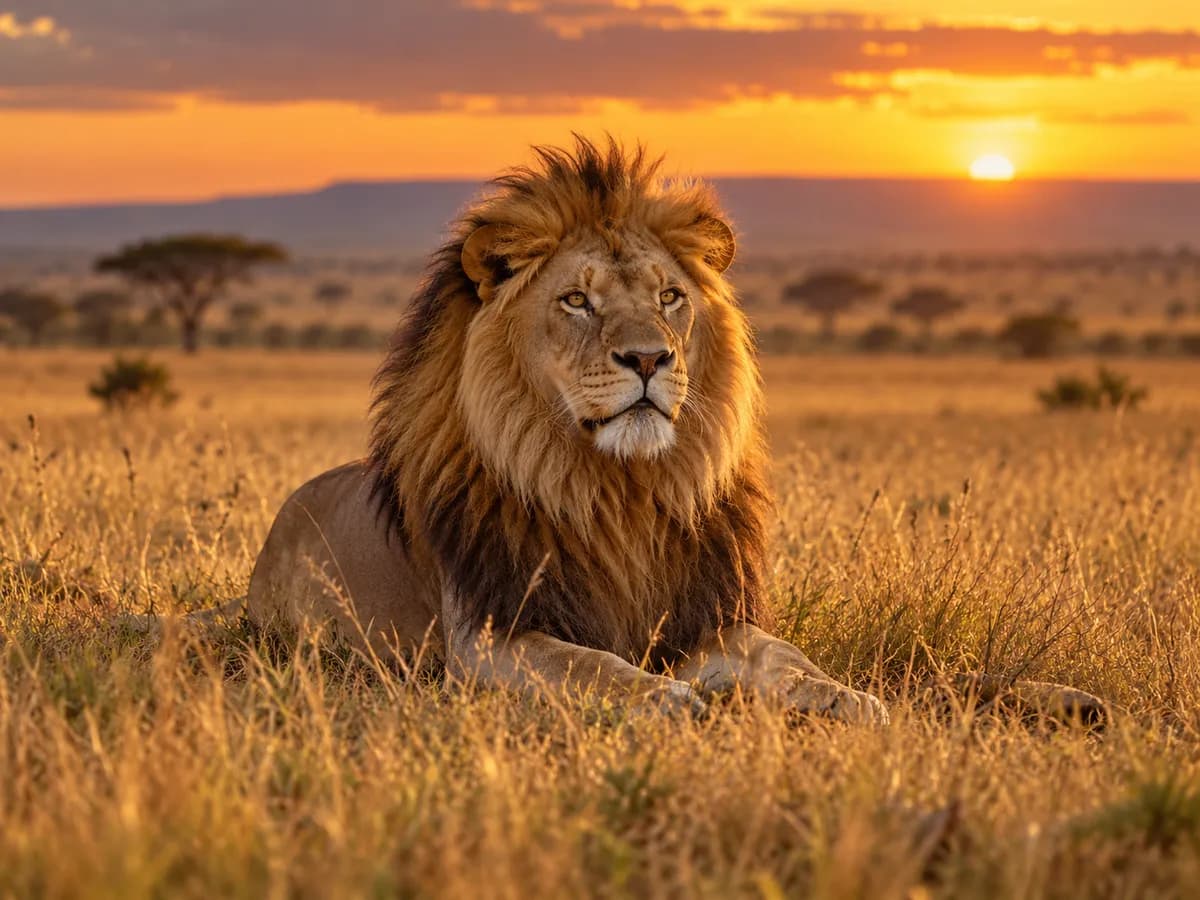 LionThe only big cat that lives in groups, the lion is the symbol of the African savanna. It spends much of the day resting, while hunting is mostly done by the females working together.Explore
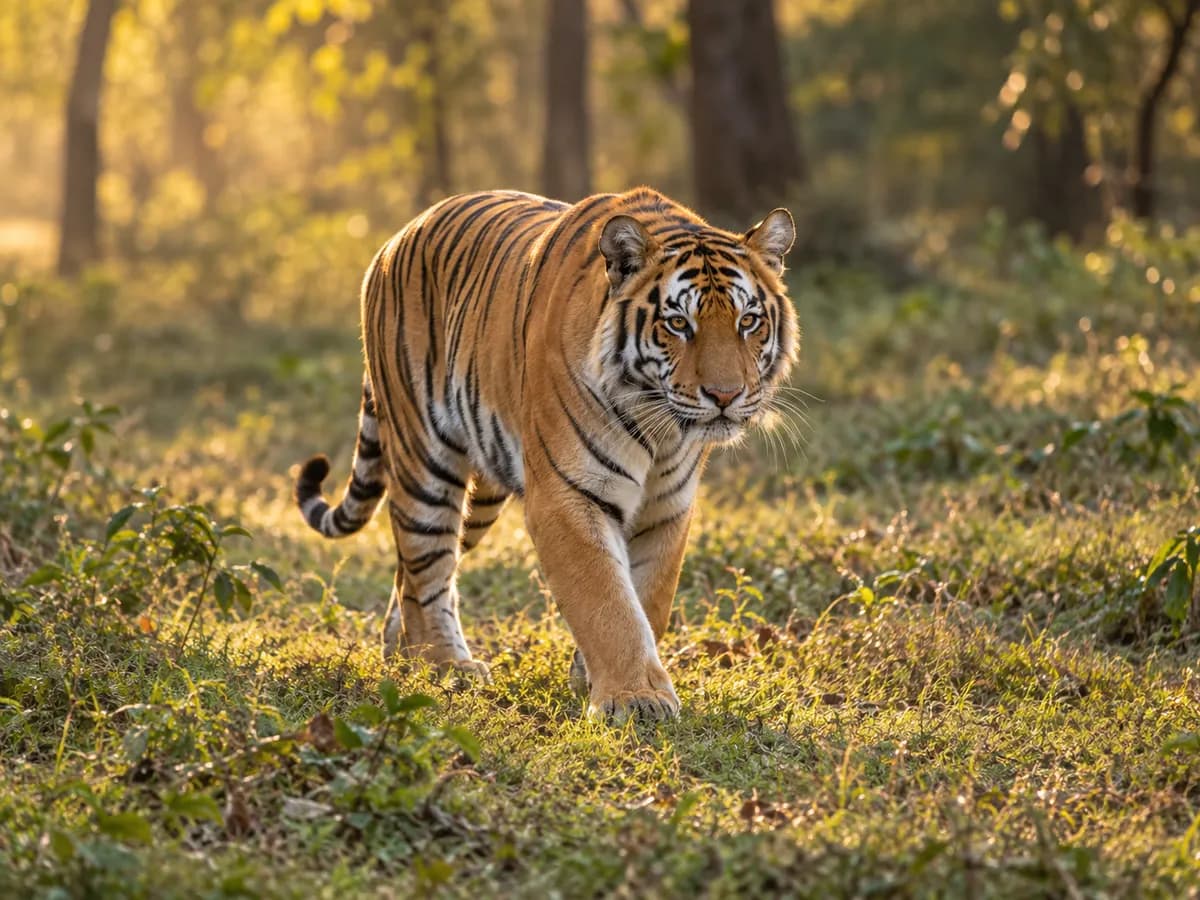 TigerThe largest of all cats, the tiger is known for its striped coat and solitary life. It lives in habitats from Asian forests to mangrove swamps, but it is endangered.Explore
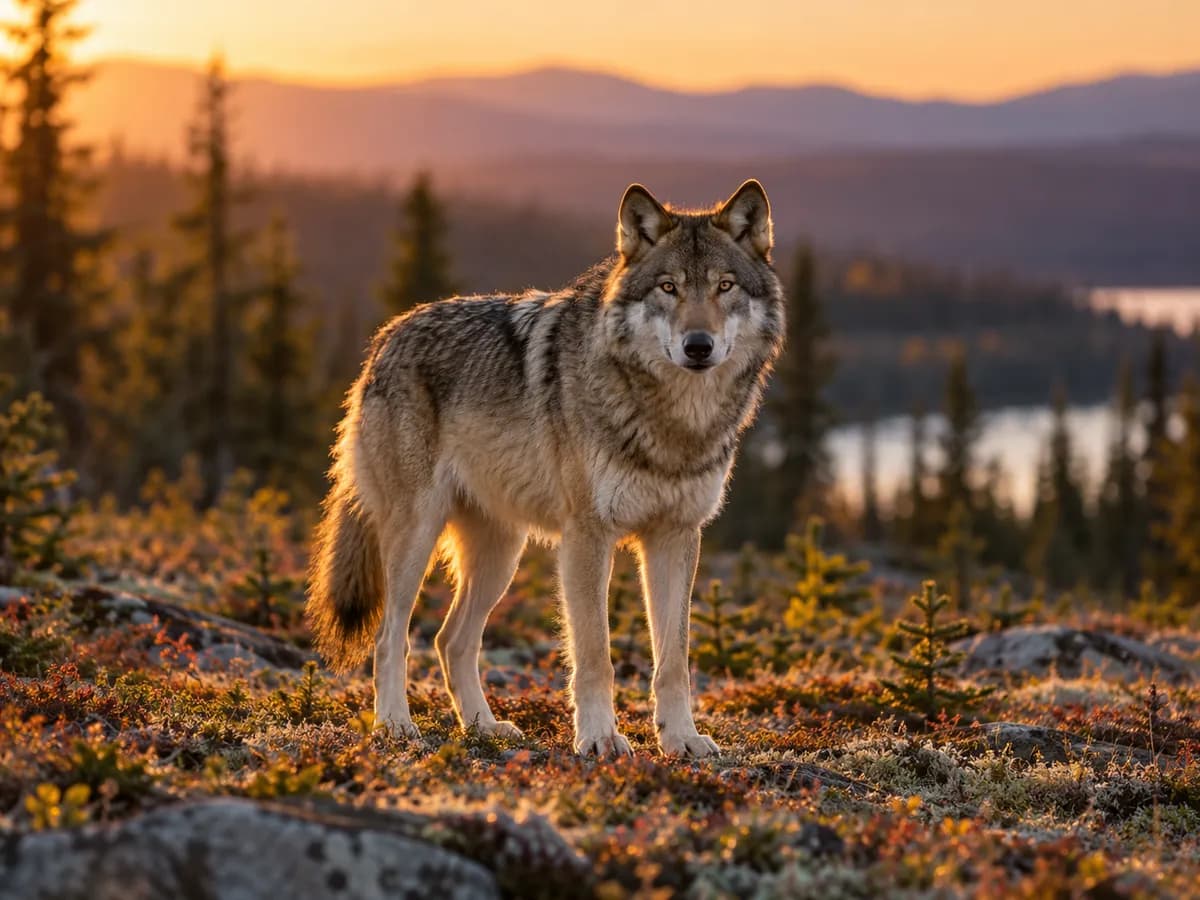 WolfThe ancestor of the domestic dog, the wolf is a highly intelligent predator that lives with strong family bonds. It lives across much of the Northern Hemisphere, including Türkiye.Explore
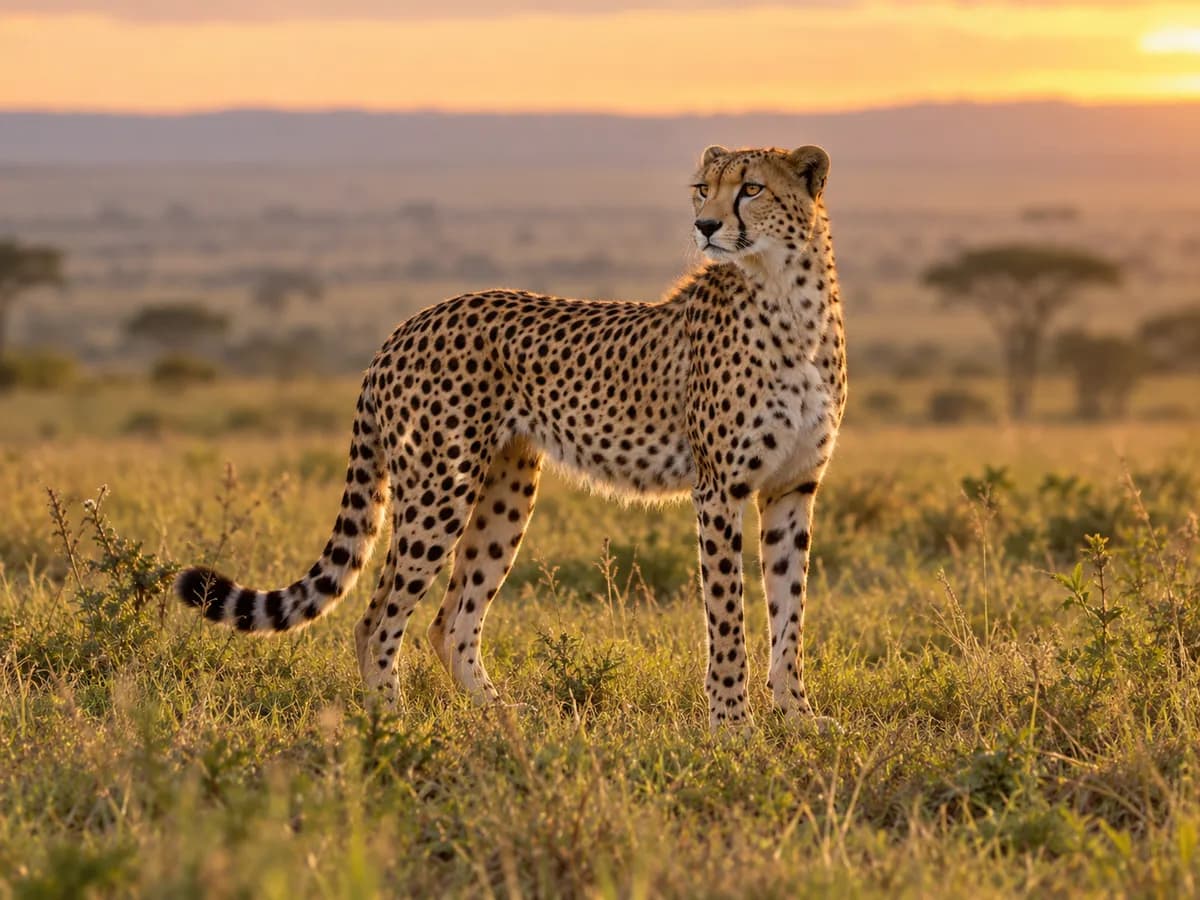 CheetahThe fastest land animal, the cheetah can reach more than 100 kilometres per hour over short distances. Its slim build and the "tear marks" on its face set it apart from other big cats.Explore
Respect for nature, stronger tomorrows
Protecting wildlife is everyone's responsibility.
If you find an injured or young wild animal, don't touch it; inform your local wildlife authority. More knowledge, more awareness.
- Respect natural habitats
- Watch wild animals from afar
- Leave no litter in nature
- Support a sustainable future