

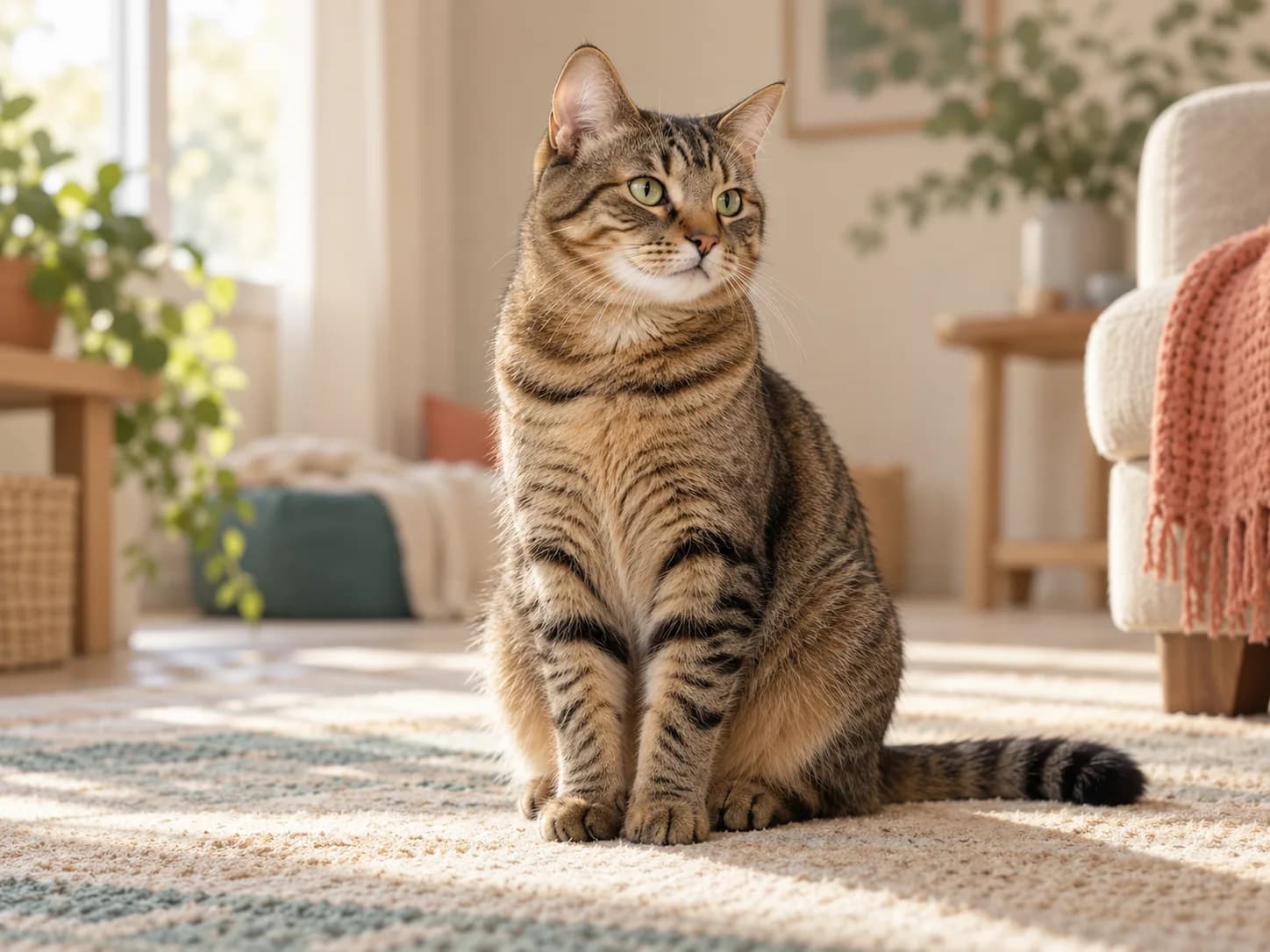
- Typical lifespan
- 12–18 years
- Social needs
- Bonds closely with its human family
- Active hours
- Active at dawn and dusk
- Experience level
- Suitable for beginners
Values are typical ranges and vary with breed, husbandry and the individual animal.
Quick care summary
The care essentials for Cats.
- Home set-upFood, water and litter box apart; high and hidden spots make a cat feel safe.
- FeedingA complete, balanced cat food; water a little away from the food bowl.
- PlayShort daily hunting games are good for body and mind.
- Care routineScratching surfaces, coat care and regular vet check-ups.
Everyday life guides
Our guides for a healthy, happy life with Cats.
In depth
In short
- A safe, predictable environment is a cat's most basic need.
- Food, water, litter, scratching and resting areas should be kept separate.
- Short daily hunting games are good for an indoor cat's body and mind.
- Cats dislike sudden change; introduce new things gradually.
- Cats can hide discomfort, so take small changes in behavior seriously.
Cats are small predators that can also be prey. This double nature explains much of their behavior: they want to keep an eye on their surroundings, rest in high and hidden places, and "hunt" at certain times of day. A cat whose needs are met adapts extremely well to home life.
What is life with a cat like?
Cats are most active at dawn and dusk. They sleep for long stretches during the day and burn energy in short, intense bursts of play. Most cats bond with their people, but on their own terms: letting the cat start the contact builds trust quickly.
Setting up your home for a cat
A good cat home is built on resources that are separate and plentiful:
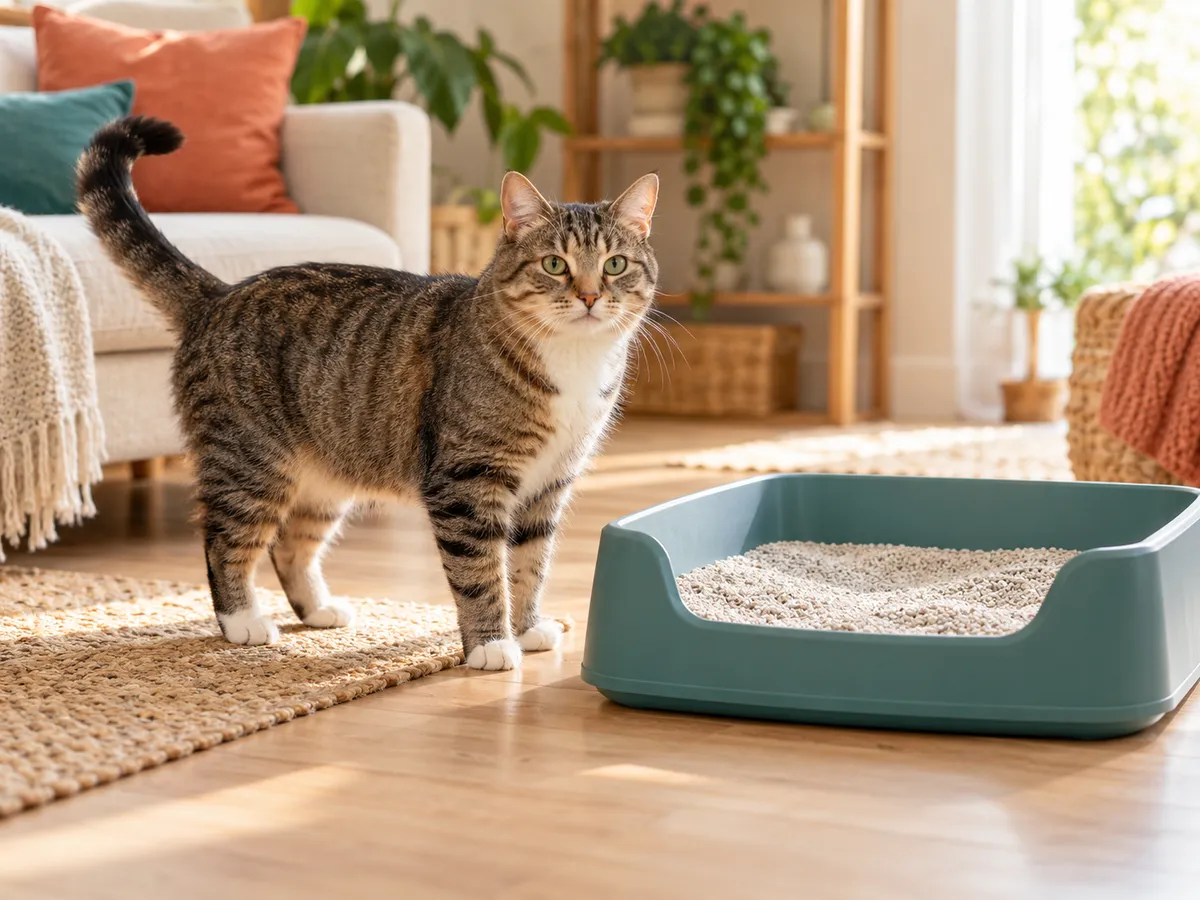
- Food and water should be away from each other and from the litter box. Many cats drink more from water placed a little away from their food bowl.
- Litter boxes belong in quiet, easy-to-reach spots. In multi-cat homes the usual advice is one more litter box than the number of cats.
- Scratching surfaces, both vertical and horizontal, should stand where the cat often passes.
- High and hidden spots: a shelf, a cat tree or a covered bed help a cat feel safe.
Play and the hunting cycle
When an indoor cat's hunting instinct is not met through play, it can turn into frustration or unwanted behavior. Several 5–10 minute play sessions a day are ideal. Move a wand toy like prey, let the cat catch it, and end the game with a small food reward; this "hunt–catch–eat" cycle leaves the cat satisfied.
Feeding routine
Cats are carnivores and their nutritional needs differ from those of dogs. Choose a "complete and balanced" cat food suited to your cat's age; dog food is not suitable for cats. Several small meals spread through the day are closer to a cat's natural eating pattern. Fresh, clean water should always be available.
Coat and grooming
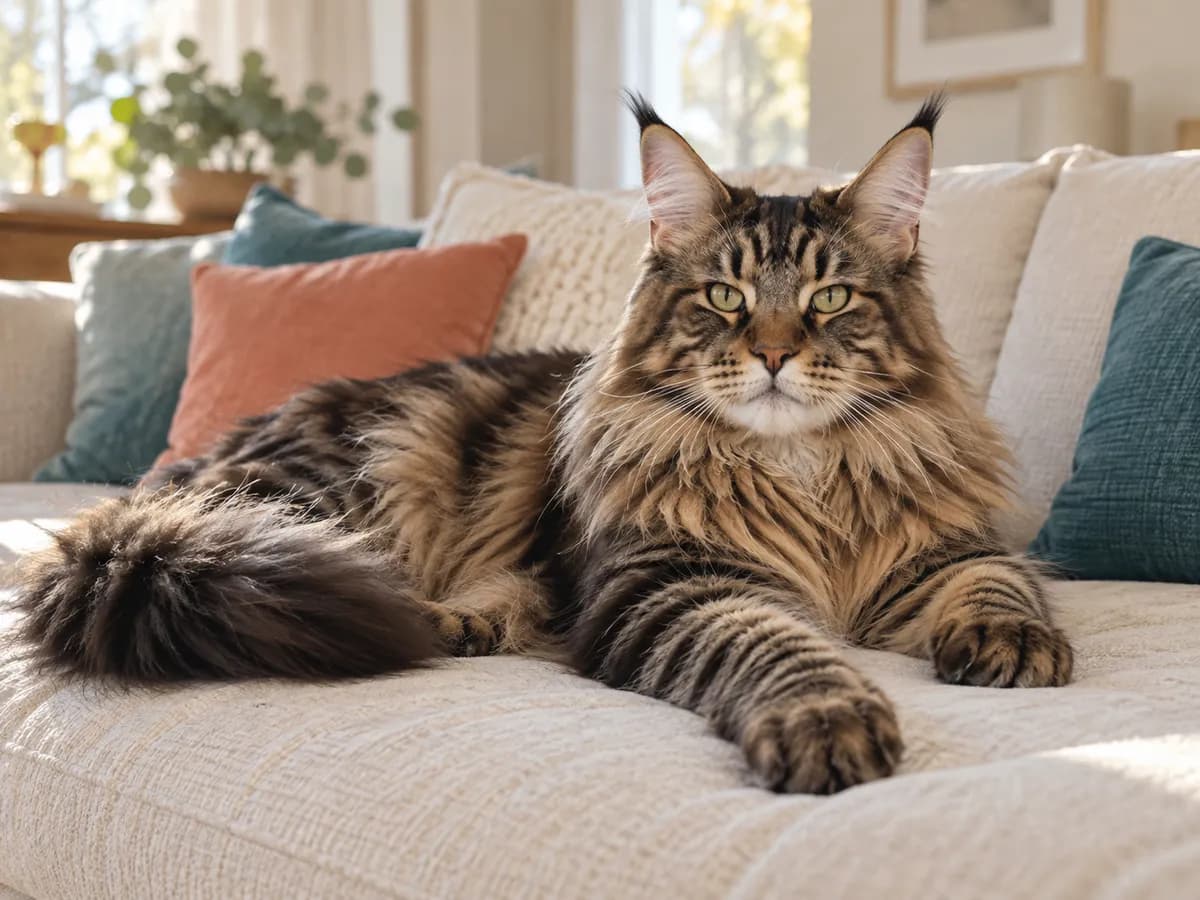
Short-haired cats mostly groom themselves; weekly brushing still reduces hairballs and strengthens your bond. Long-haired breeds need regular, often daily brushing.
A regular relationship with your vet
Cats are experts at hiding discomfort, so regular check-ups matter even for a cat that looks healthy. Agree a preventive care plan with your veterinarian based on whether your cat lives indoors or goes outside.
Frequently asked questions
Why does my cat scratch the furniture?
Scratching is a natural and necessary behavior for cats: it maintains claws, stretches the body and leaves scent marks. Offering a sturdy, tall enough scratching post in the right place is the most effective solution.
Can an indoor cat be happy without going outside?
Yes. With enough play, climbing and hiding places and stimulation such as a window view, indoor cats can live full and safe lives.
Is it better to have two cats or one?
It depends on the cat's personality. Littermates who know each other often get along well; bringing a new cat home requires a patient, gradual introduction.
Good to know
The most important points.
- Make changes slowlySpread changes to food, litter or home layout over several days. Cats can react to sudden change with stress.
- When to contact a vetContact your veterinarian if you notice a clear change in appetite, drinking, litter box use, hiding or grooming. If you think it may be an emergency, go to the nearest veterinary clinic without waiting.
Life stages
Approximate age ranges for Cat and the priorities of each stage.


Cat breeds
Size, energy and care needs of popular breeds.





Happier together
Create a free profile for your companion.
Enter the date of birth or an estimated age to see its life stage, weight history and matching guides in one place.
- Life-stage tracking
- Weight history
- Guides for its species
- Free account