
- Length
- 1–1.6 m
- Weight
- 25–70 kg
- Lifespan in the wild
- 6–13 years
- Conservation status (IUCN)
- Least concern (LC)
Figures are approximate for adults and vary by sex, subspecies and population.
At a glance
The key facts about Wolves.
- Where does it live?Wolves live in the forests, mountains, steppes and tundra of North America, Europe and Asia.
- What does it eat?Wolves are carnivores that hunt herbivores such as deer, roe deer, wild boar and wild goats.
- Behaviour and social lifeA wolf pack is usually a family: a breeding pair and their offspring of different ages.
- PupsIn spring, the female usually gives birth to 4–6 pups in a den.
In depth
In short
- Wolves usually live in packs made up of a breeding pair and their offspring.
- The domestic dog shares a common ancestor with the wolf.
- Howling helps pack members find each other and announce their territory.
- By hunting herbivores such as deer and wild boar, wolves help keep ecosystems in balance.
- The IUCN lists the wolf as Least Concern globally.
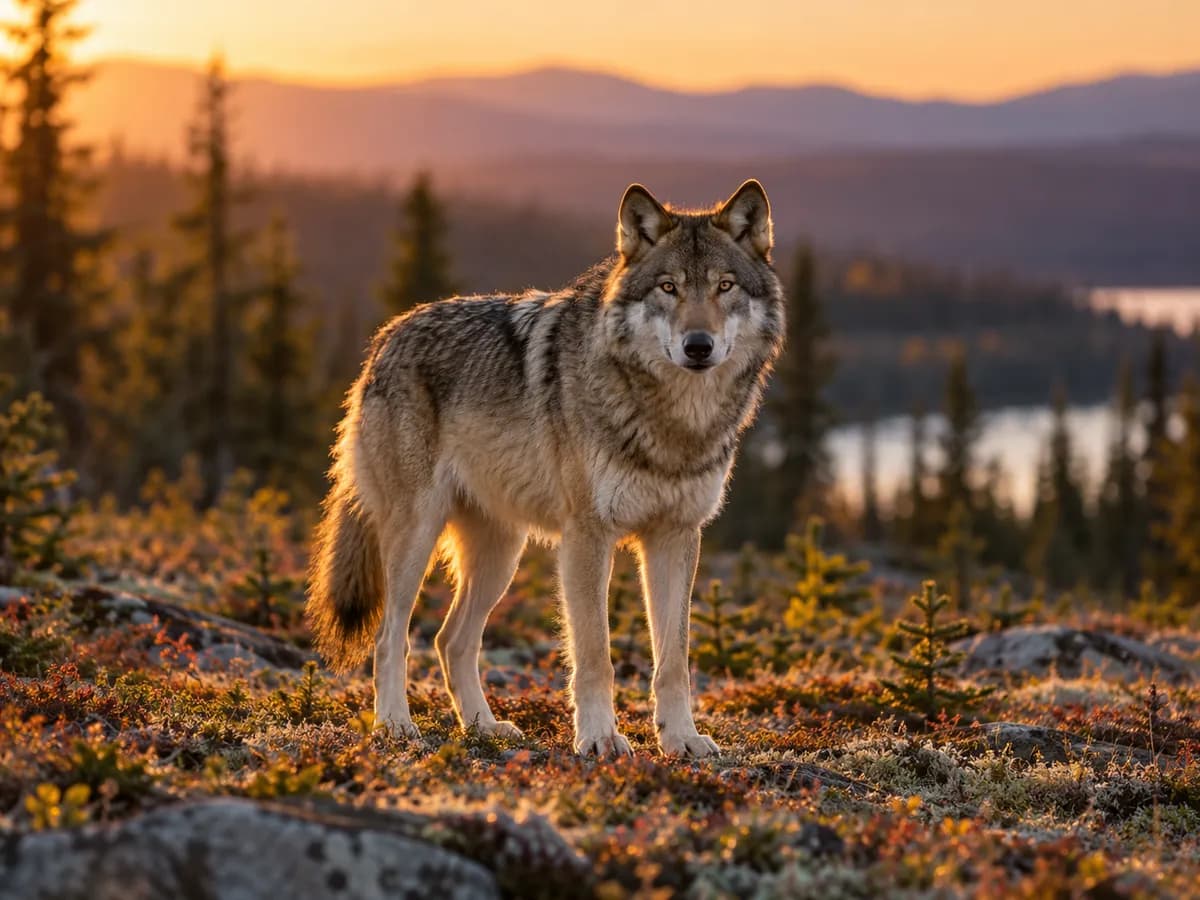
The wolf (Canis lupus) is the largest wild member of the dog family. Today's domestic dogs are thought to share a common ancestor with the wolf. Coat colour varies by region, from grey and brown to black and almost white.
Where does it live?
Wolves live in the forests, mountains, steppes and tundra of North America, Europe and Asia. In Türkiye they are found in many parts of Anatolia, especially in mountainous and forested areas. In recent years they have been spreading back into parts of Europe.
What does it eat?
Wolves are carnivores that hunt herbivores such as deer, roe deer, wild boar and wild goats. By cooperating as a pack, they can catch prey larger than themselves. Small mammals, carrion and sometimes fruit are also part of their diet.
Behaviour and social life
A wolf pack is usually a family: a breeding pair and their offspring of different ages. Young wolves leave when they mature to find their own mates and territories. Packs hold large territories and announce their borders to other packs by howling and scent marking.
Pups
In spring, the female usually gives birth to 4–6 pups in a den. Other pack members help feed and protect the pups.
Conservation status
The wolf is listed as Least Concern (LC) globally on the IUCN Red List, but some regional populations are small and under pressure. Conflict with people, illegal killing, road accidents and fragmented habitat are the main problems.
Fun facts
- Wolves are long-distance runners; they can cover dozens of kilometres a day while searching for prey.
- Howling is not "calling to the moon" but a way to communicate with the pack.
- By changing how prey animals behave, wolves can indirectly help vegetation recover.
Similar animals
Other animals in the same group.
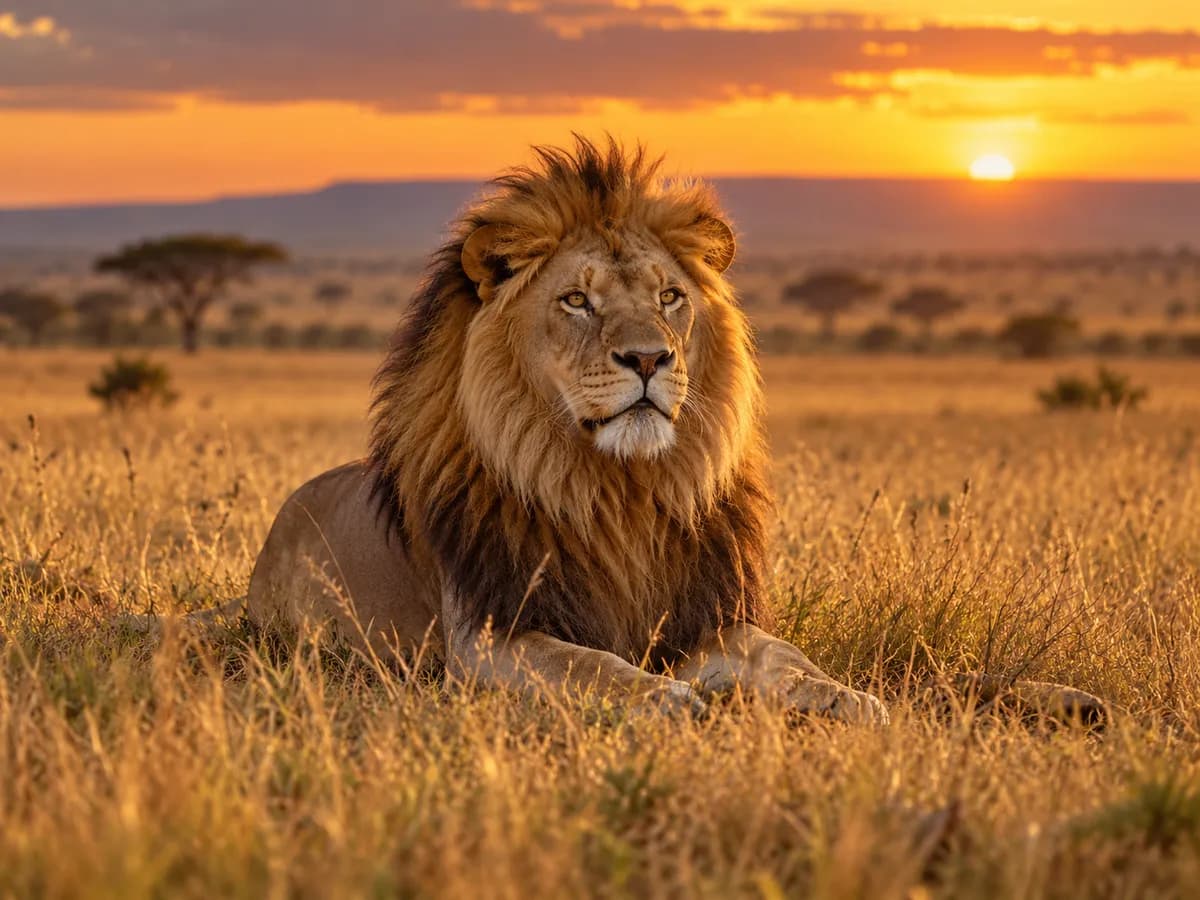 LionThe only big cat that lives in groups, the lion is the symbol of the African savanna. It spends much of the day resting, while hunting is mostly done by the females working together.Explore
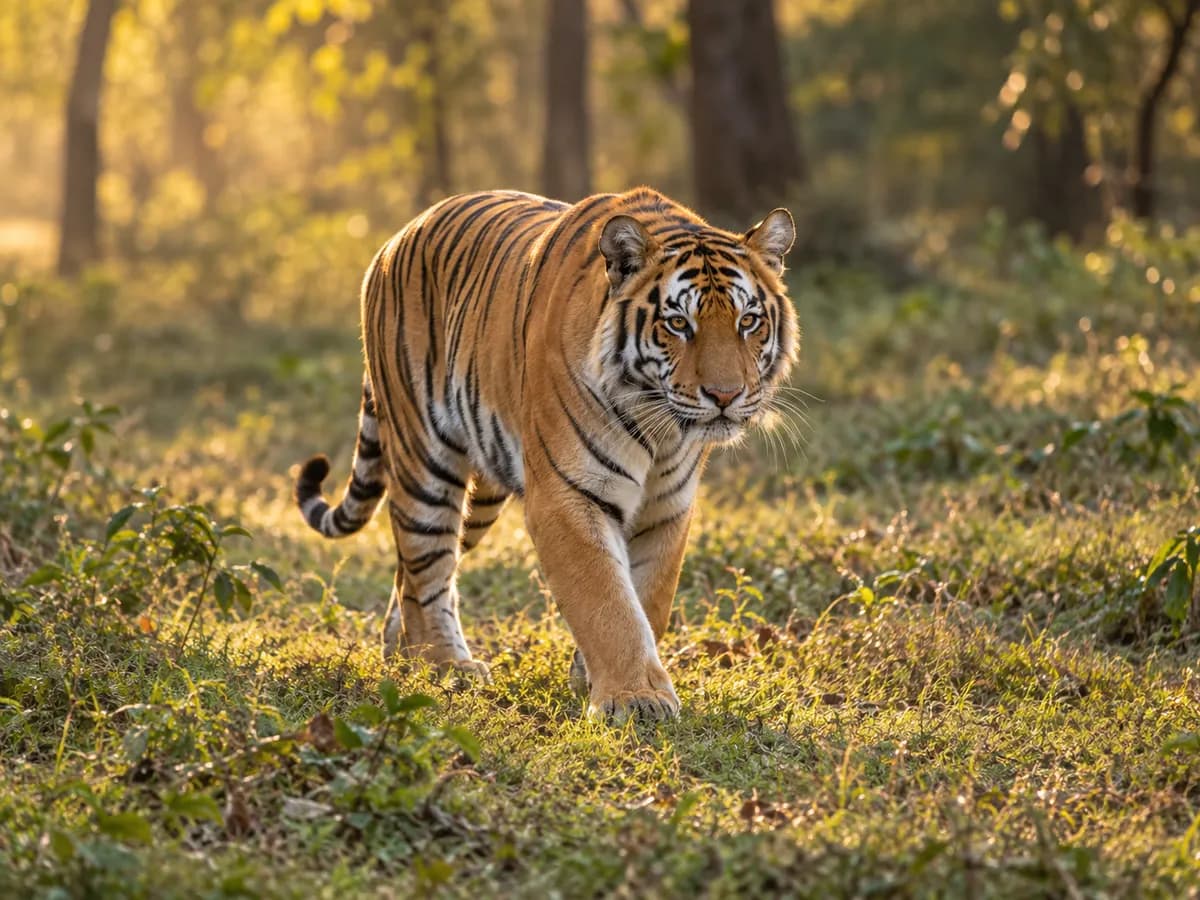 TigerThe largest of all cats, the tiger is known for its striped coat and solitary life. It lives in habitats from Asian forests to mangrove swamps, but it is endangered.Explore
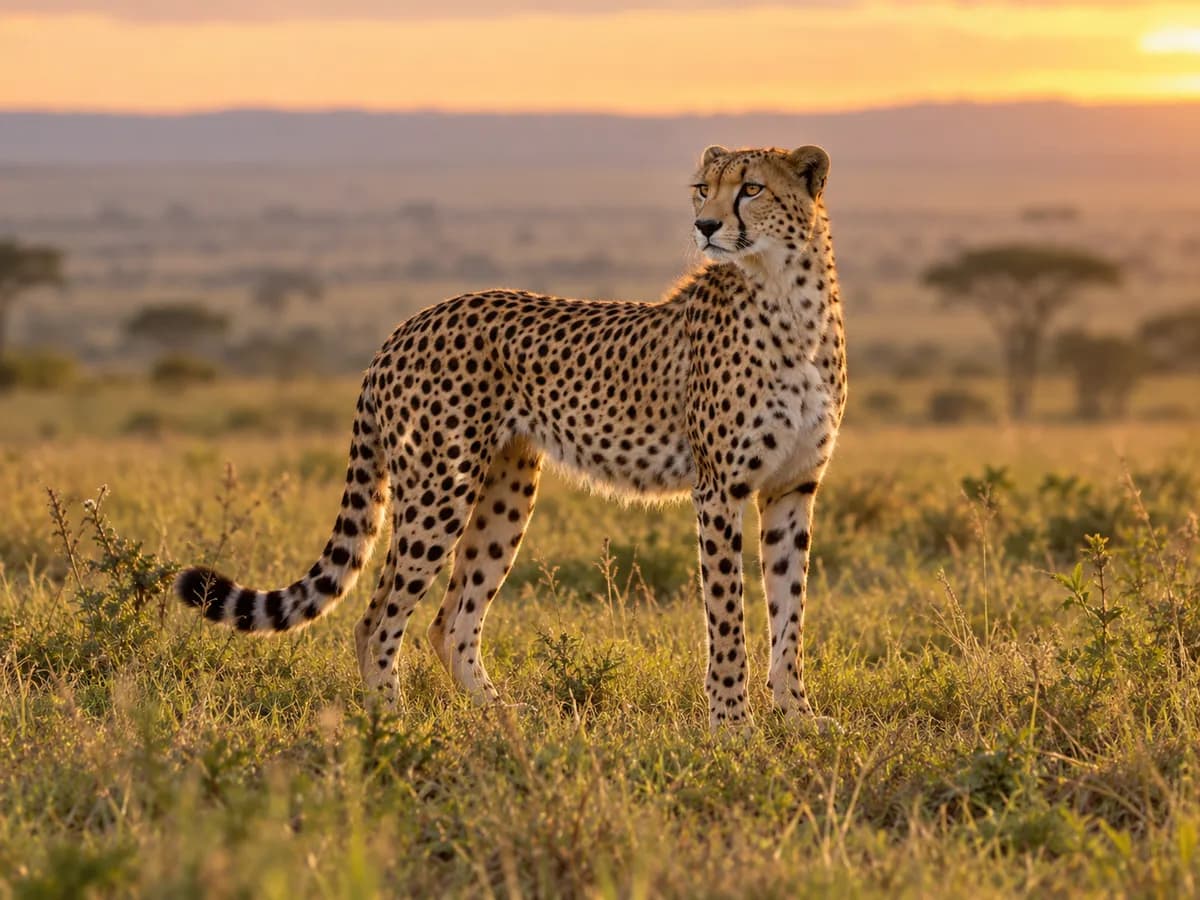 CheetahThe fastest land animal, the cheetah can reach more than 100 kilometres per hour over short distances. Its slim build and the "tear marks" on its face set it apart from other big cats.Explore
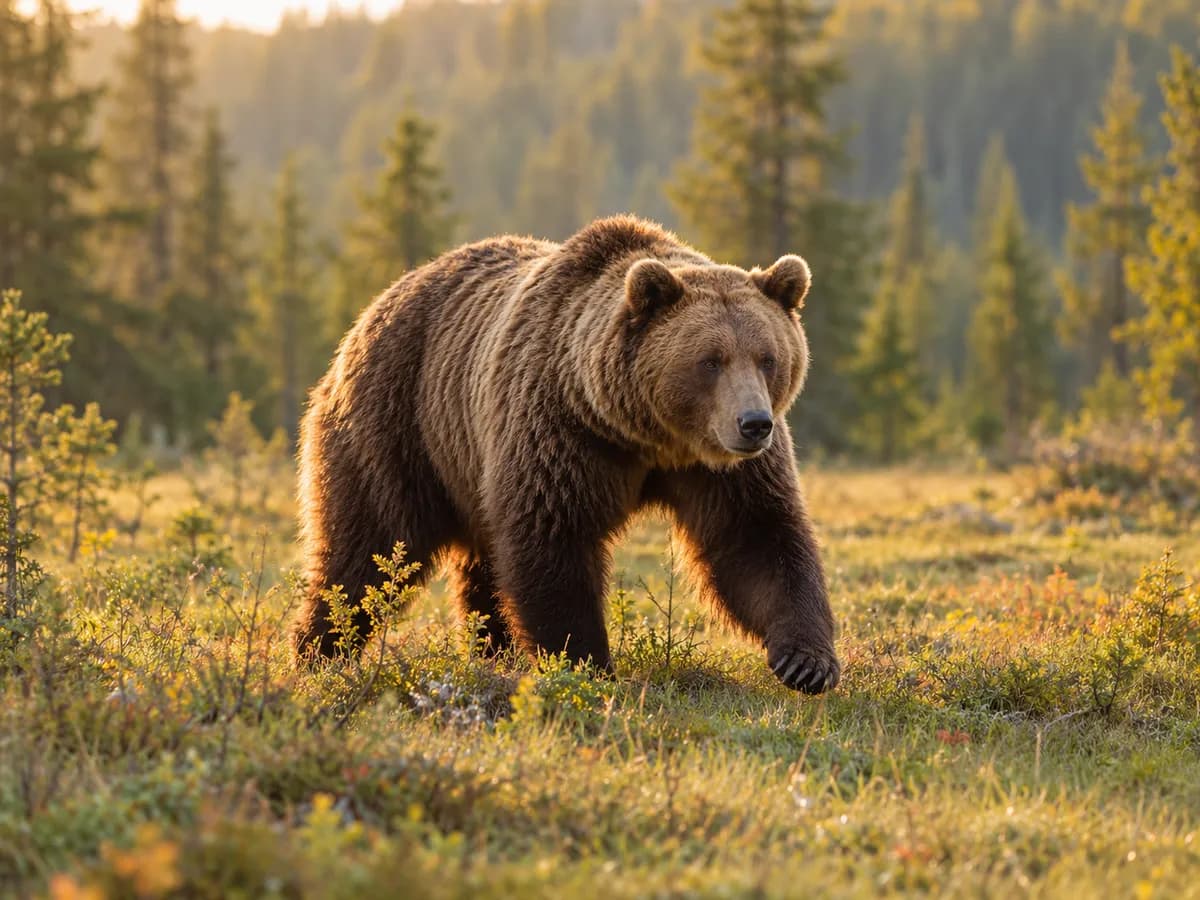 Brown bearThe world's most widespread bear, the brown bear also lives in Türkiye's mountain forests. Despite its powerful look, it is an omnivore whose diet includes a lot of plants, fruit and roots.Explore
Respect for nature, stronger tomorrows
Protecting wildlife is everyone's responsibility.
If you find an injured or young wild animal, don't touch it; inform your local wildlife authority. More knowledge, more awareness.
- Respect natural habitats
- Watch wild animals from afar
- Leave no litter in nature
- Support a sustainable future