Ferrets
Curious, playful and endlessly exploratory, ferrets need experience but give a lot back. A safe home, a carnivorous diet and plenty of play are their basic needs.

- Typical lifespan
- 6–10 years
- Social needs
- Should live in a group
- Active hours
- Active at dawn and dusk
- Experience level
- For experienced keepers
Values are typical ranges and vary with breed, husbandry and the individual animal.
Quick care summary
The care essentials for Ferrets.
- Social lifePlayful and curious; needs attention and often a playmate.
- FeedingAn obligate carnivore: a balanced ferret food based on animal protein.
- A safe homeClose off narrow gaps, cables and small objects that could be swallowed.
- RestA dark, cosy and quiet nest for its long hours of sleep.
In depth
In short
- Ferrets are carnivores and their diet should be planned accordingly.
- They sleep for much of the day and are very active when awake.
- They are social animals and are usually happier with other ferrets.
- Ferret-proofing the home is essential; they love squeezing into small gaps.
- In some countries and regions, keeping ferrets is subject to legal rules.
Domestic ferrets (Mustela furo) are playful, intelligent animals that have lived with people for thousands of years. Their needs differ from those of dogs or cats, so it is important to research carefully and plan your daily routine around them before adopting.
What is life with a ferret like?
Ferrets sleep for many hours a day; when awake they run, bounce, hide and want to explore everything. The sideways-hopping "war dance" they do when excited is typical play behavior. They have a natural musky scent that cannot be removed entirely.
Social life
Ferrets usually enjoy living with one or more of their own kind. If you keep a single ferret, you need to give it long periods of play and interaction every day.
Feeding routine
Ferrets are obligate carnivores: their diet is based on high-quality animal protein and fat. A balanced food made specifically for ferrets is a good start. Sugary and plant-heavy treats are not suitable. Discuss the feeding plan with your veterinarian, especially if you are considering options such as raw feeding.
Ferret-proofing your home
- Block small gaps such as the backs of cupboards and spaces under washing machines.
- Remove rubber, foam and small objects that could be chewed.
- Protect cables and watch out for reclining chair and sofa mechanisms.
- Supervise your ferret during play time.
Living space and rest
Ferrets need a spacious, multi-level enclosure, soft sleeping spots (hammocks, blankets) and a litter tray. They should have several hours of free play in a safe room every day. As they can be sensitive to heat, a cool, well-ventilated environment is best.
Frequently asked questions
Do ferrets use a litter tray?
Yes, most ferrets learn to use one. They usually prefer a corner, so placing the tray in that corner works well.
Do ferrets smell?
They have a natural musky scent. Clean bedding and litter reduce the smell, but frequent bathing is not recommended because it can dry out the skin.
Are ferrets suitable for beginners?
Ferrets need time, attention and changes at home. For people who do their research and are ready for the responsibility, they can be wonderful companions.
Good to know
The most important points.
- Legal statusKeeping ferrets may require a permit or may be banned in some countries, states or cities. Check the rules where you live before adopting.
- When to contact a vetFerrets' preventive care needs (such as vaccinations and parasite protection) can vary by region. Find a veterinarian experienced with exotic pets and plan regular check-ups. Contact your veterinarian if you notice changes in behavior or appetite.
Life stages
Approximate age ranges for Ferret and the priorities of each stage.


Similar animals
Other animals in the same group.
 Guinea pigChatty, social and fond of routine, guinea pigs make delightful companions when they have friends of their own kind, plenty of hay and a roomy space. Their need for vitamin C in the diet is a detail every owner should know.Explore
 HamsterSmall animals with big needs: hamsters want to dig tunnels in deep bedding, run in a roomy space and explore at night. A well-built habitat is half of good hamster care.Explore
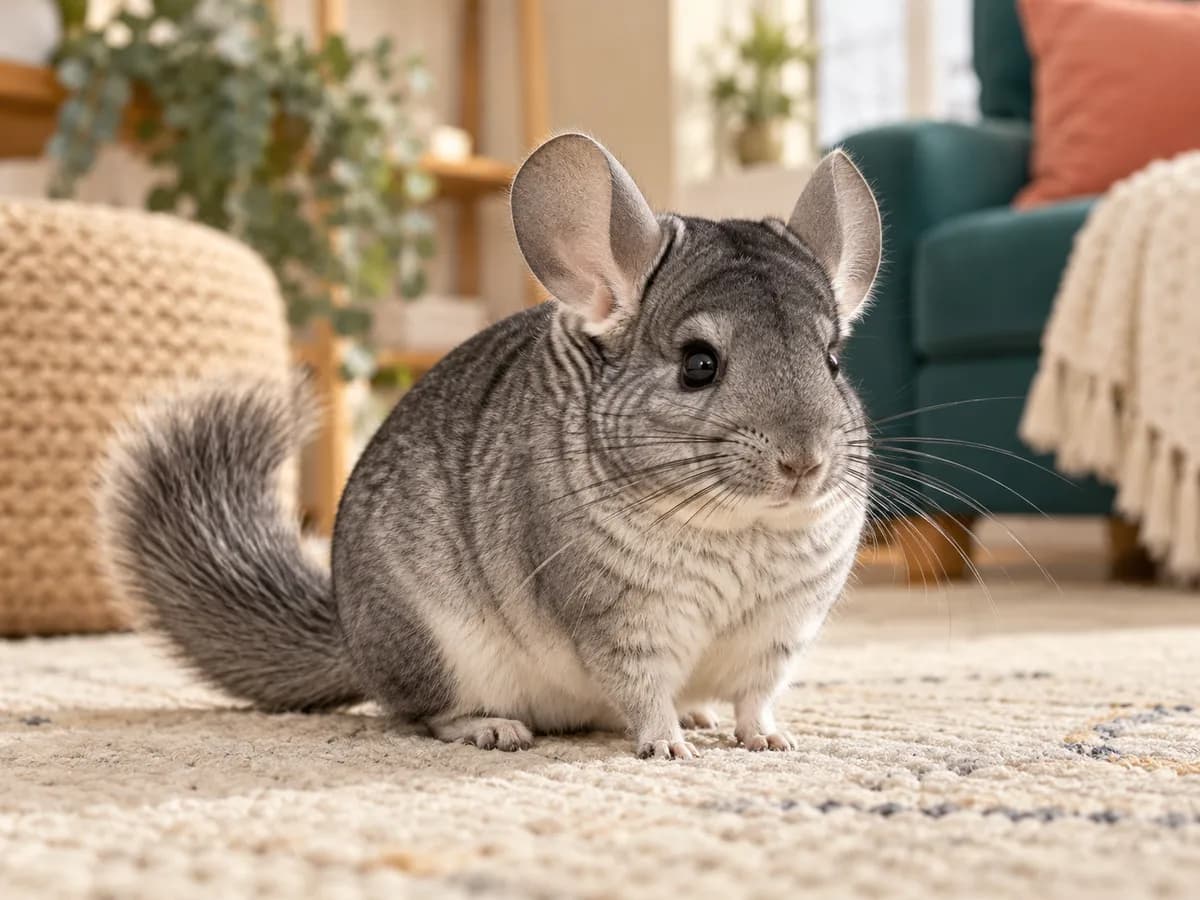 ChinchillaWith one of the densest coats in the world, chinchillas come from the cool, dry Andes. Dust baths, a cool home and plenty of hay are their basic needs.Explore
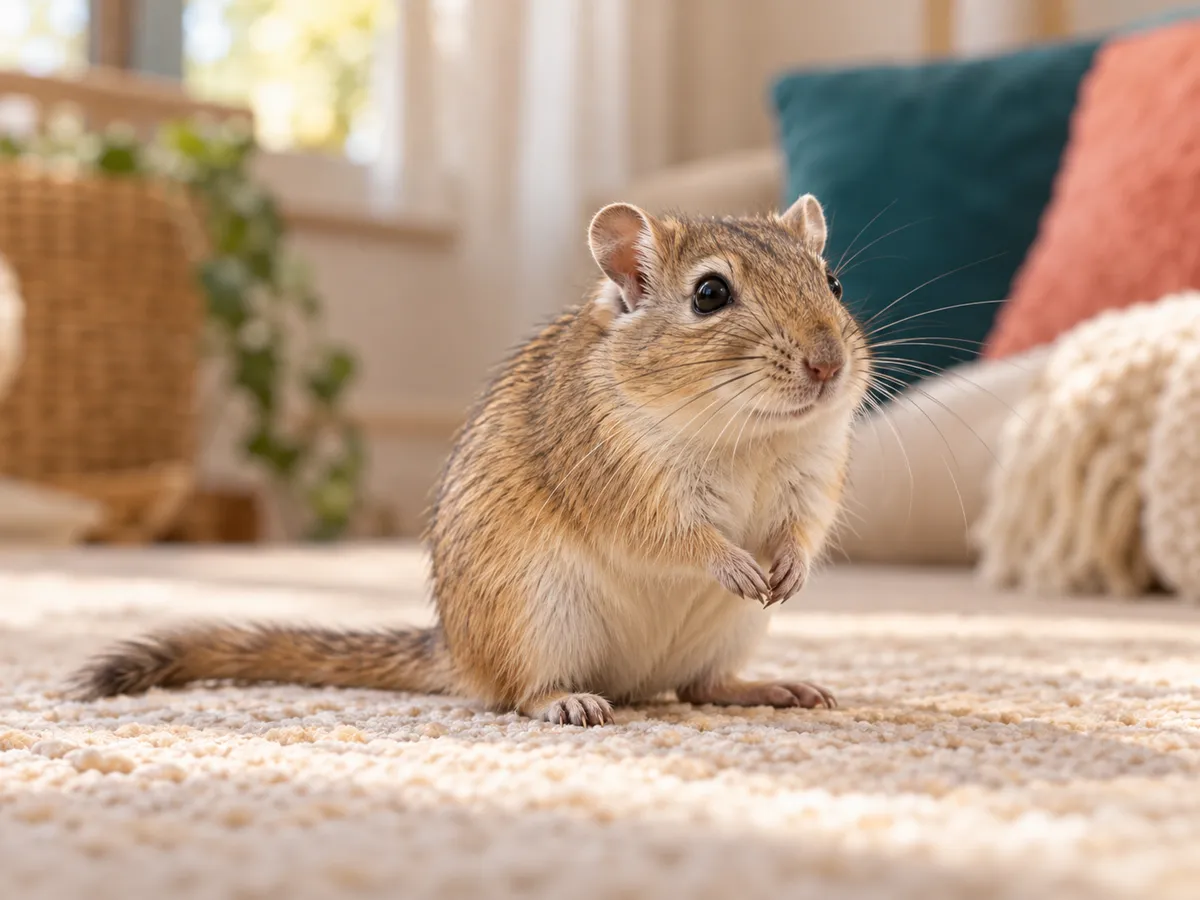 GerbilCurious, active by day and passionate diggers, gerbils are happiest with companions in deep bedding where they can build tunnels.Explore
Happier together
Create a free profile for your companion.
Enter the date of birth or an estimated age to see its life stage, weight history and matching guides in one place.
- Life-stage tracking
- Weight history
- Guides for its species
- Free account