
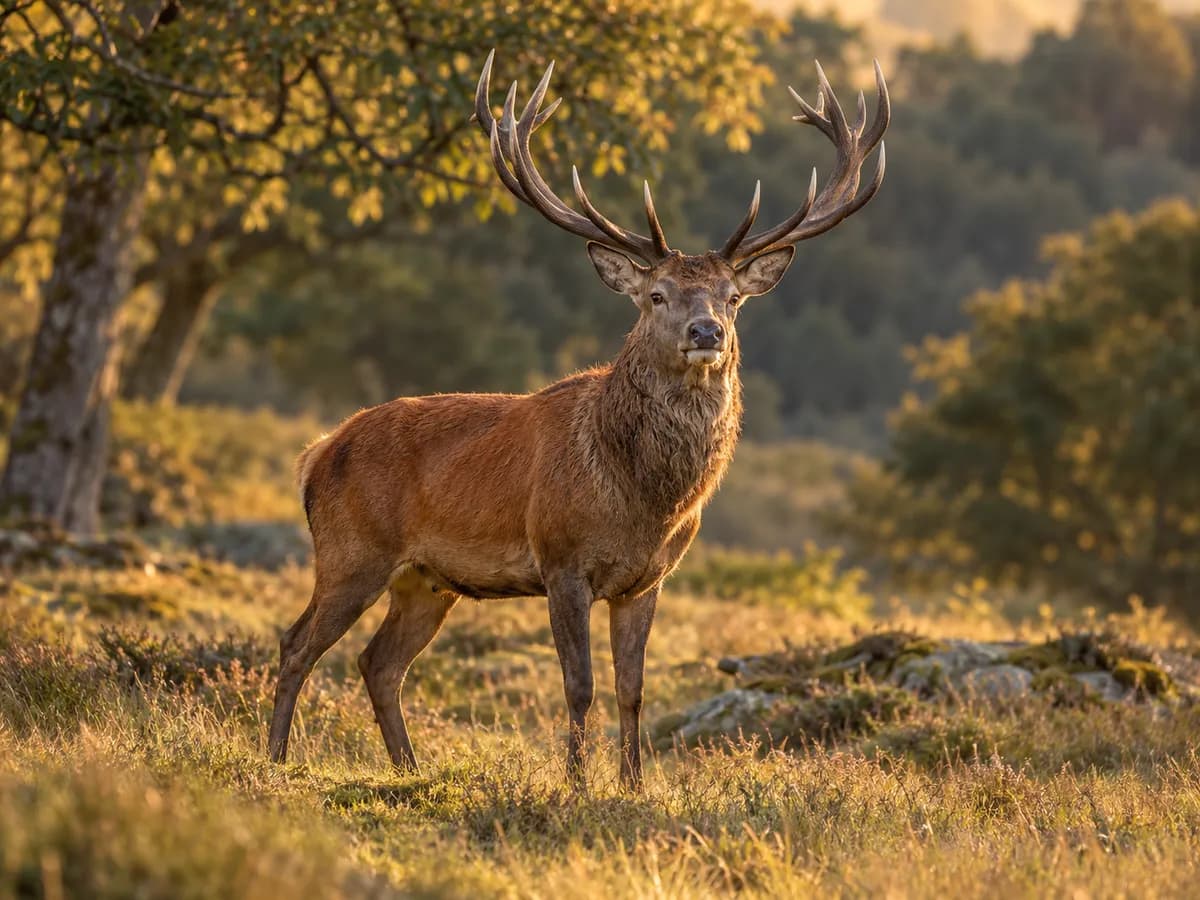
Red deer
Known for the impressive antlers of the stags and their powerful autumn roars, the red deer is one of Europe's largest deer. It also lives in the forests of northern Türkiye.
- Height
- 1–1.3 m
- Weight
- 80–240 kg
- Lifespan in the wild
- 12–15 years
- Conservation status (IUCN)
- Least concern (LC)
Figures are approximate for adults and vary by sex, subspecies and population.
At a glance
The key facts about Red deer.
- Where does it live?It lives across most of Europe, in western and central Asia and in North Africa's Atlas Mountains.
- What does it eat?It is a herbivore that eats grass, leaves, shoots, bark, fruit and acorns.
- Behaviour and social lifeFemales and their young live in herds apart from the males for most of the year.
- CalvesIn late spring or early summer, the female usually has a single calf.
In depth
In short
- The red deer is one of Europe's largest deer species.
- Stags shed their antlers and grow new ones every year.
- During the autumn rut, stags roar loudly.
- In Türkiye it is found in the forests of northern Anatolia and some other regions.
- The IUCN lists it as Least Concern globally.
The red deer (Cervus elaphus) is a large deer with a reddish-brown coat in summer and a darker, greyish-brown coat in winter. The branched antlers on the stags' heads fall off every spring and grow back over the summer.
Where does it live?
It lives across most of Europe, in western and central Asia and in North Africa's Atlas Mountains. It uses forests, woodland edges, mountain meadows and open ground. In Türkiye it is found especially in the forested mountains of northern Anatolia. People have introduced it to countries such as Argentina, New Zealand and Australia.
What does it eat?
It is a herbivore that eats grass, leaves, shoots, bark, fruit and acorns. In winter, when food is scarce, bark and twigs become more important.
Behaviour and social life
Females and their young live in herds apart from the males for most of the year. During the autumn rut, stags roar loudly to claim groups of females and fight each other with their antlers. How often and how powerfully a stag roars shows its condition to rivals and females.
Calves
In late spring or early summer, the female usually has a single calf. The white-spotted calf hides in tall grass for its first weeks, and its mother returns regularly to nurse it.
Conservation status
The red deer is listed as Least Concern (LC) globally on the IUCN Red List. Some regional populations, however, need protection because of habitat loss, illegal hunting and the isolation of small populations.
Fun facts
- Deer antlers are among the fastest-growing tissues in the animal kingdom.
- While growing, antlers are covered with furry skin called velvet.
- If you find a deer calf in the forest, do not touch it; its mother is usually nearby.
Similar animals
Other animals in the same group.
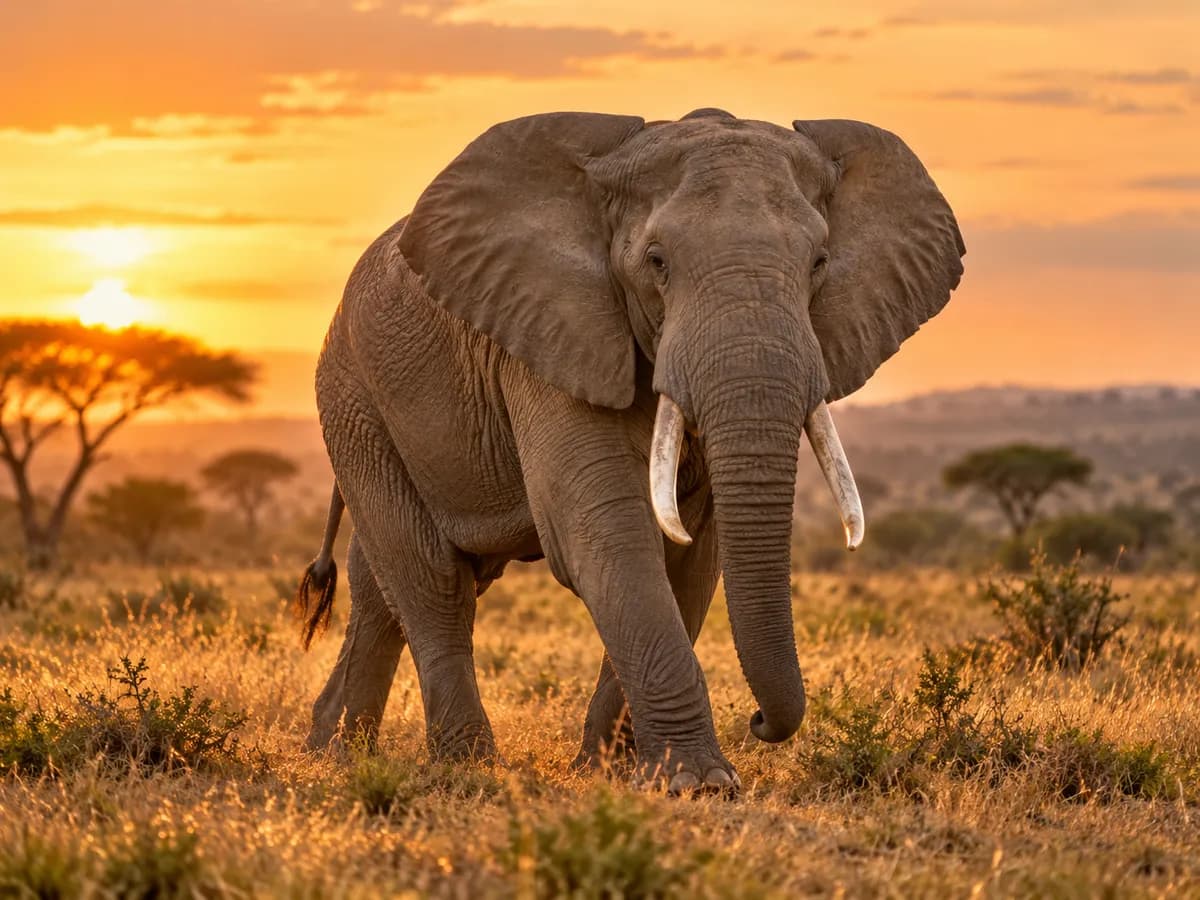 African elephantThe largest land animal, the African elephant is known for its powerful trunk, huge ears and complex family bonds. Elephants are "engineers" that shape the ecosystems they live in.Explore
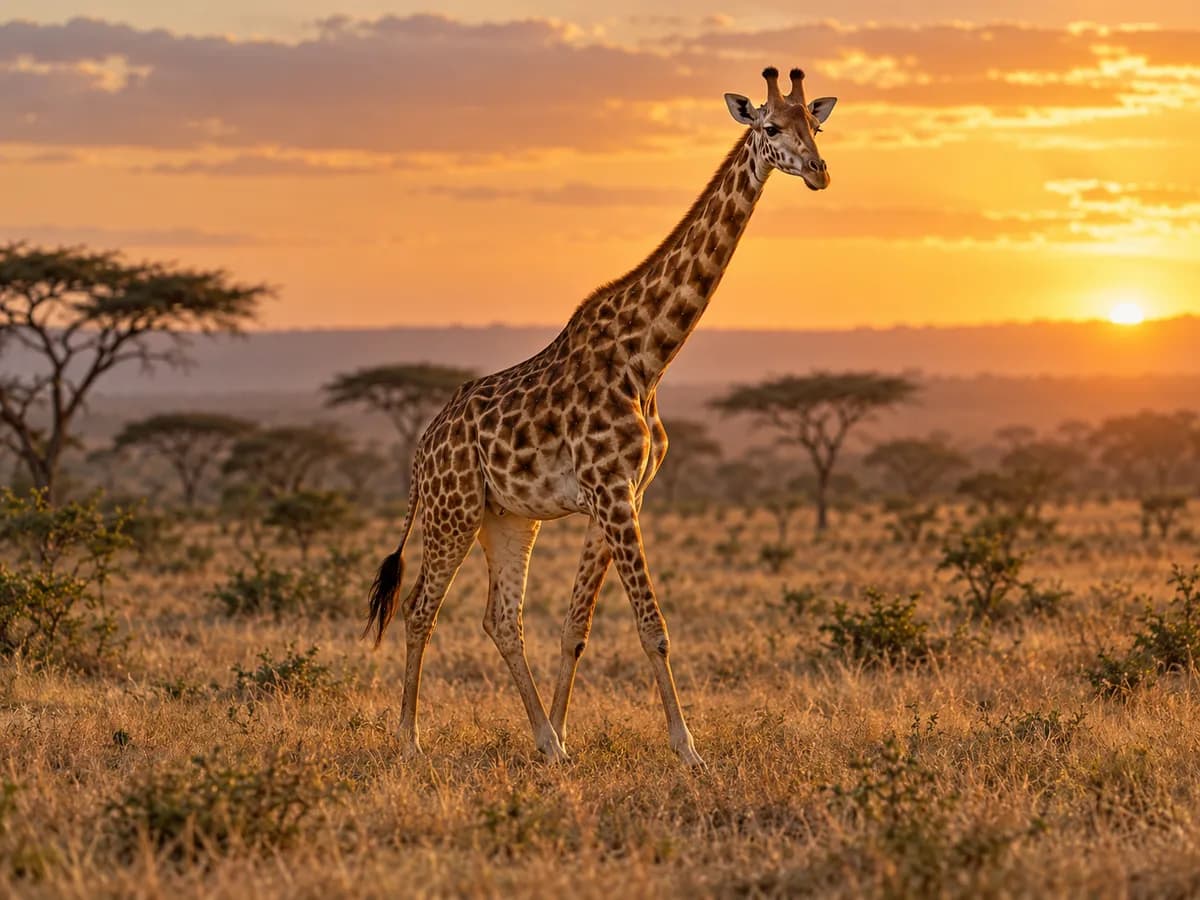 GiraffeThe tallest animal on Earth, the giraffe uses its long neck to reach leaves other herbivores cannot. These gentle giants of the African savanna are far more social than they seem.Explore
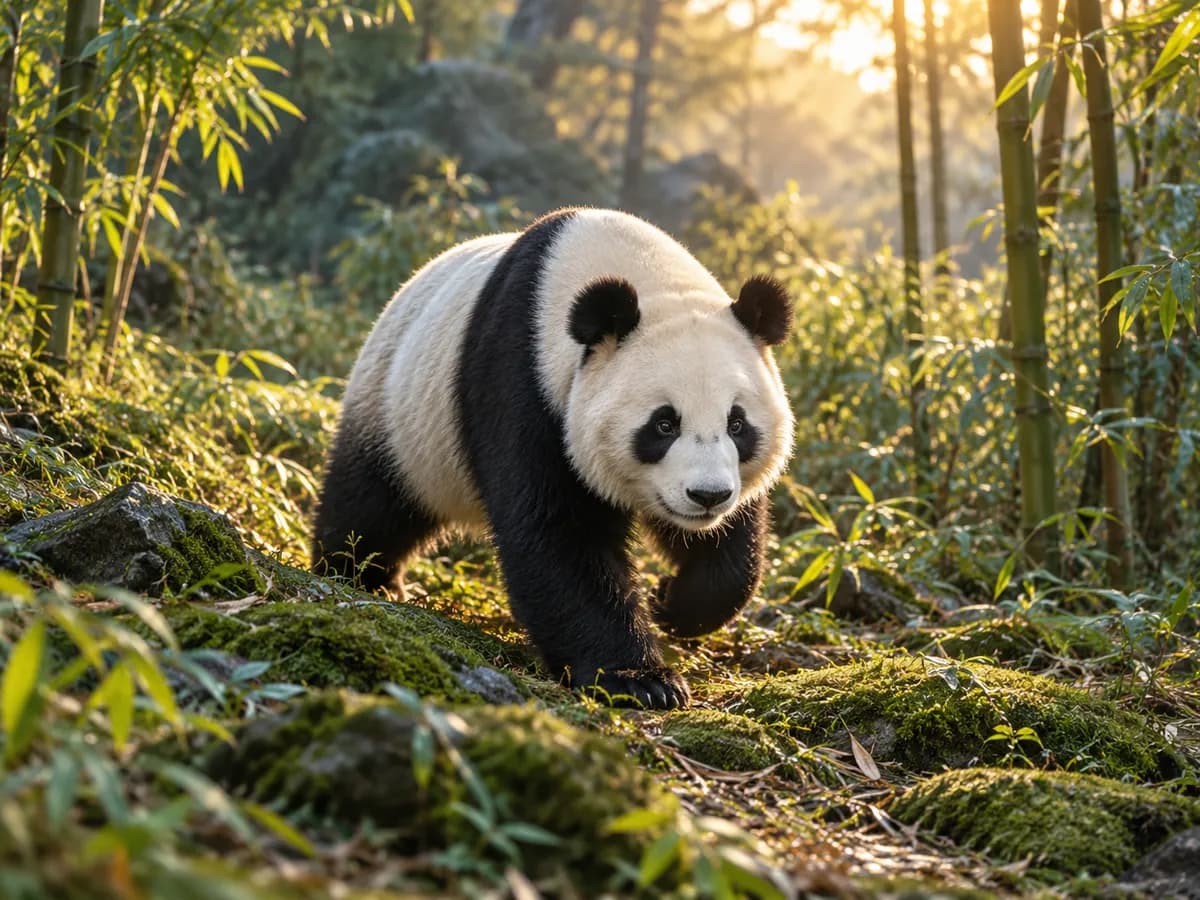 Giant pandaWith its black-and-white coat, the giant panda is one of the world's best-loved animals — a bear that lives almost entirely on bamboo. Thanks to conservation success, it is no longer classed as Endangered.Explore
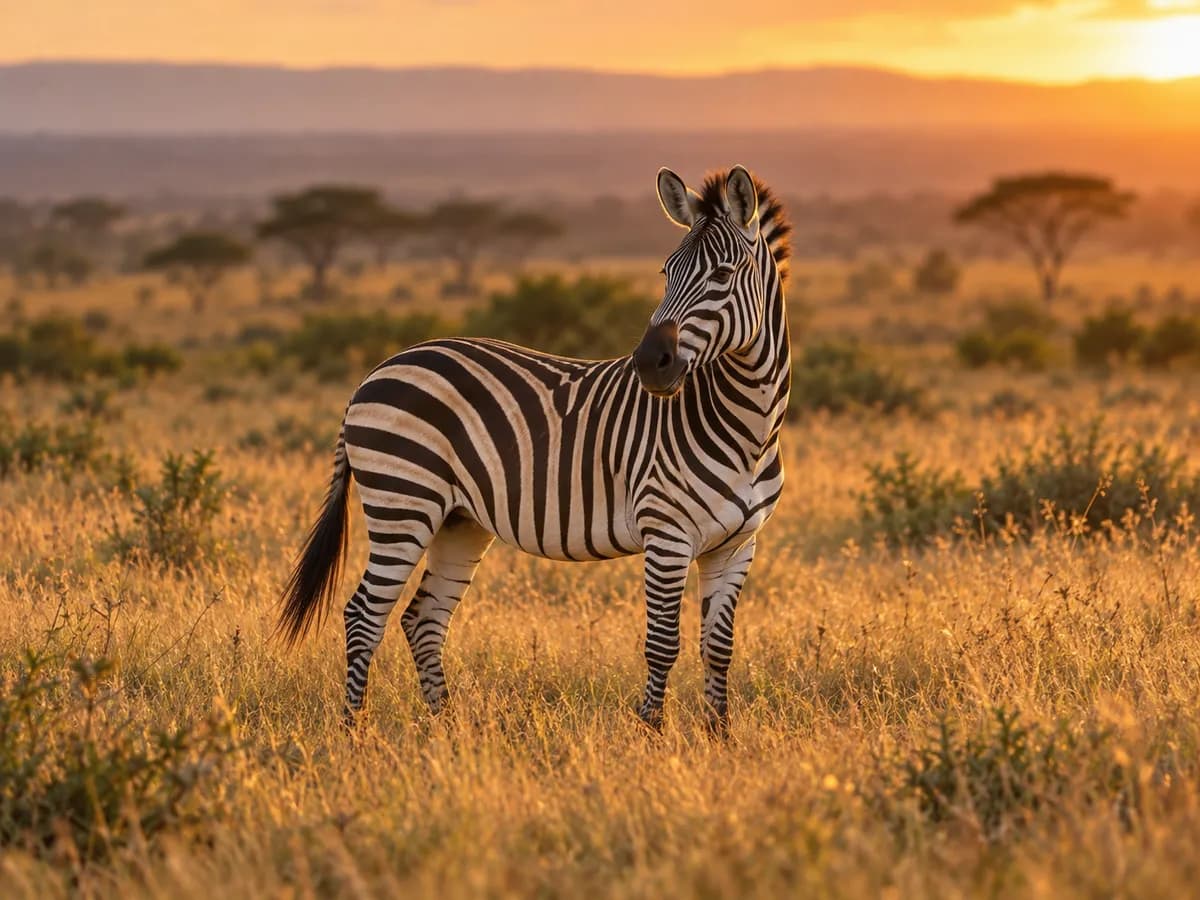 ZebraWith its black-and-white stripes, the plains zebra is one of the savanna's best-known animals and lives in large herds. Every zebra's stripe pattern is unique.Explore
Respect for nature, stronger tomorrows
Protecting wildlife is everyone's responsibility.
If you find an injured or young wild animal, don't touch it; inform your local wildlife authority. More knowledge, more awareness.
- Respect natural habitats
- Watch wild animals from afar
- Leave no litter in nature
- Support a sustainable future