

Hamsters
Small animals with big needs: hamsters want to dig tunnels in deep bedding, run in a roomy space and explore at night. A well-built habitat is half of good hamster care.

- Typical lifespan
- 2–3 years
- Social needs
- Prefers to live alone
- Active hours
- Active at night
- Experience level
- Needs some experience
Values are typical ranges and vary with breed, husbandry and the individual animal.
Quick care summary
The care essentials for Hamsters.
- Wide floorWidth matters more than height: a living space with a large floor area.
- Deep beddingDust-free, safe bedding deep enough to dig tunnels.
- WheelA solid-surface wheel large enough to run without bending the back.
- EnrichmentNest boxes, tunnels, things to gnaw and a species-appropriate sand bath.
In depth
In short
- Hamsters are nocturnal and should not be woken during the day.
- Syrian hamsters live alone; housing them together can lead to fights.
- They love to dig, so a deep layer of bedding is very important.
- They need a solid-surface wheel big enough to run without arching their back.
- They are escape artists; cages and play areas must be secure.
In the wild, hamsters are small rodents that travel long distances at night looking for food and build their nests underground. At home they are much calmer and more balanced when they can keep up these behaviors. Remember that different hamster species (such as Syrian and dwarf species) have different needs.
What is life with a hamster like?
Hamsters are mostly awake in the evening and at night. Waking a hamster that sleeps during the day stresses it and can make biting more likely. The best way to get to know them is to spend time in a calm setting in the evening.
Social structure
Syrian hamsters are solitary animals. Keeping adults together can lead to serious fights. Some dwarf species can live together under certain conditions, but this can always be risky; keeping a single hamster is usually the safest choice.
Living space
- Floor space: For hamsters, width matters much more than height. Choose a habitat with a large floor instead of small multi-level cages.
- Deep bedding: Use dust-free, safe bedding deep enough for tunnelling.
- Wheel: Large enough in diameter for the hamster to run without arching its back, with a solid (not wire) surface.
- Hiding and enrichment: Nest houses, tunnels, chew materials and a sand bath (with species-appropriate sand).
Feeding routine
A balanced mix or pellet made for hamsters is the staple food. Small amounts of suitable fresh vegetables add variety. Remember that hamsters carry food in their cheeks and store it in their nest; check regularly for fresh food leftovers that could spoil. Clean water must always be available.
Handling and taming
Tame your hamster calmly and close to the floor, letting it come onto your hand by itself first. Falls can be dangerous for their small bodies, so keep them low.
Frequently asked questions
Can two hamsters live in the same cage?
Syrian hamsters must definitely live apart. Dwarf species also carry a risk of fighting; keeping one hamster is usually the safest option.
Should I use a hamster ball?
Many experts recommend a safe, enclosed play area instead, because these balls can restrict the hamster's vision and airflow.
Why does my hamster sleep all day?
That is completely natural; hamsters are nocturnal animals.
Good to know
The most important points.
- Escape artistsHamsters can squeeze through very small gaps. Check cage doors and play areas every time.
- When to contact a vetHamsters have short lives and problems can progress quickly. If you notice that your hamster is not eating, has become inactive or looks different, contact a veterinarian experienced with exotic pets.
Life stages
Approximate age ranges for Hamster and the priorities of each stage.


Similar animals
Other animals in the same group.
 Guinea pigChatty, social and fond of routine, guinea pigs make delightful companions when they have friends of their own kind, plenty of hay and a roomy space. Their need for vitamin C in the diet is a detail every owner should know.Explore
 FerretCurious, playful and endlessly exploratory, ferrets need experience but give a lot back. A safe home, a carnivorous diet and plenty of play are their basic needs.Explore
 ChinchillaWith one of the densest coats in the world, chinchillas come from the cool, dry Andes. Dust baths, a cool home and plenty of hay are their basic needs.Explore
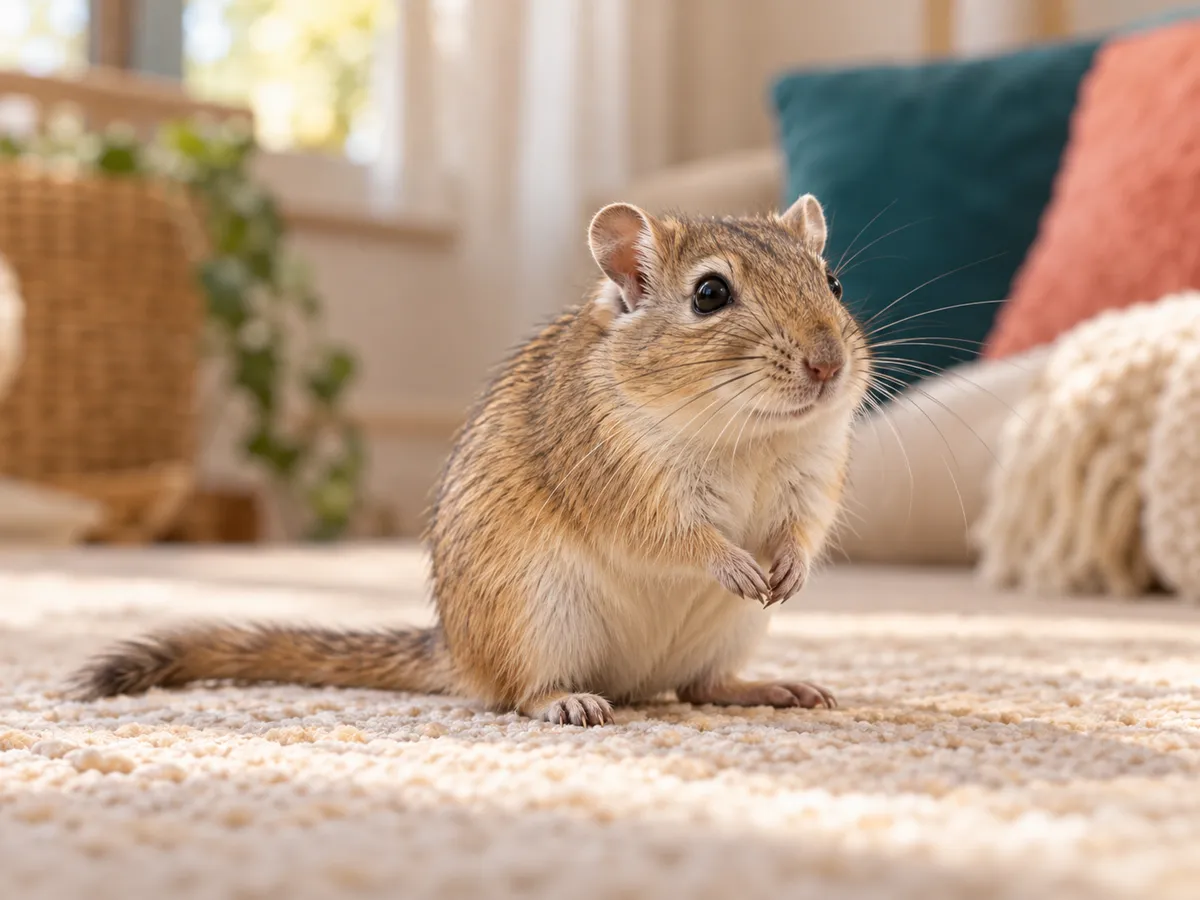 GerbilCurious, active by day and passionate diggers, gerbils are happiest with companions in deep bedding where they can build tunnels.Explore
Happier together
Create a free profile for your companion.
Enter the date of birth or an estimated age to see its life stage, weight history and matching guides in one place.
- Life-stage tracking
- Weight history
- Guides for its species
- Free account