

- Wingspan
- 1.8–2.3 m
- Weight
- 3–6.7 kg
- Lifespan in the wild
- 20–30 years
- Conservation status (IUCN)
- Least concern (LC)
Figures are approximate for adults and vary by sex, subspecies and population.
At a glance
The key facts about Golden eagles.
- Where does it live?It lives in North America, Europe, Asia and North Africa, in mountains, rocky valleys, steppes and open country.
- What does it eat?It is a carnivore that feeds on mammals such as hares, ground squirrels and voles, as well as birds.
- Behaviour and social lifeGolden eagles usually stay with the same mate for life and hold large territories.
- ChicksThe female usually lays 1–3 eggs.
In depth
In short
- The golden eagle is the most widespread eagle in the Northern Hemisphere.
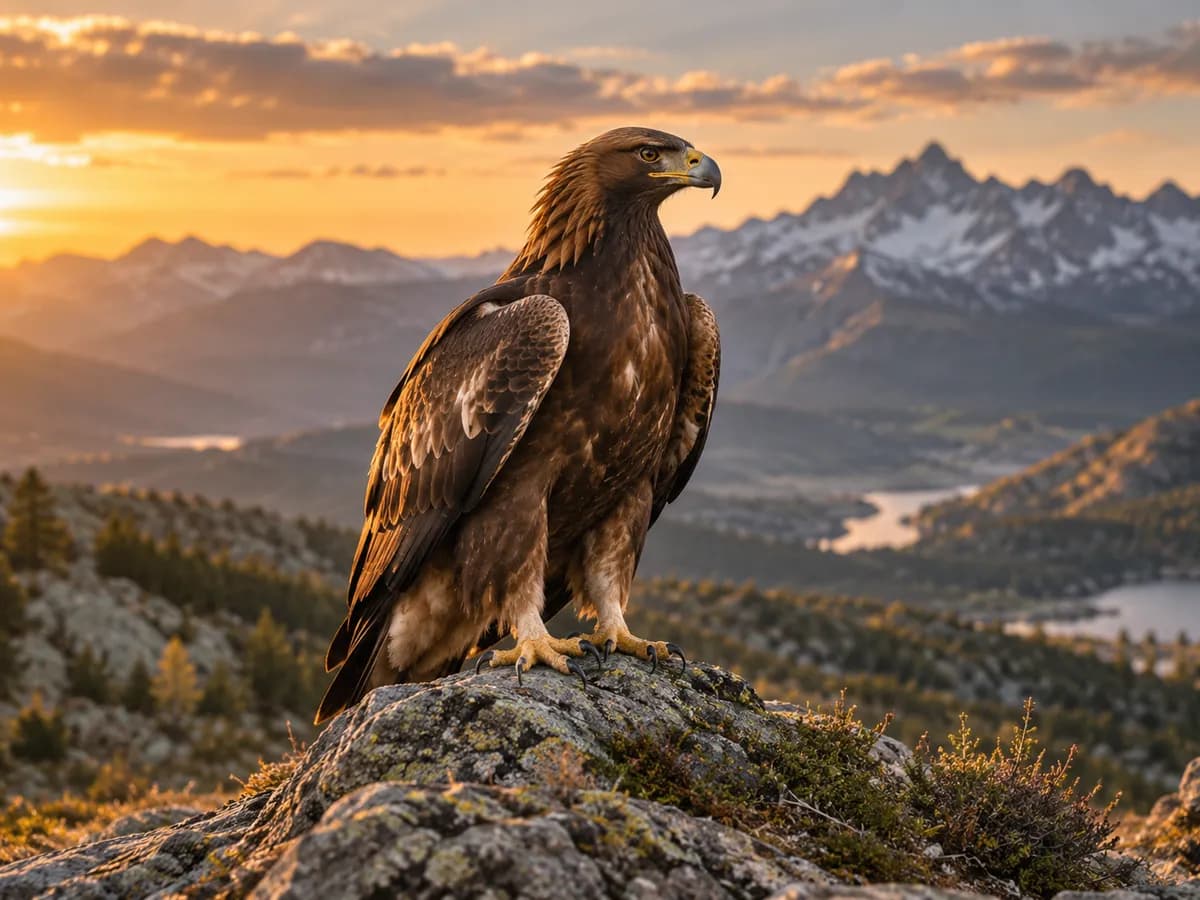
- It is named for the golden-brown feathers on the back of its head.
- It catches prey such as hares, ground squirrels and birds in a dive.
- In Türkiye it breeds in mountainous and rocky areas.
- The IUCN lists it as Least Concern.
The golden eagle (Aquila chrysaetos) is a large bird of prey recognisable by its dark brown plumage and golden nape feathers. Its wingspan can exceed 2 metres. In many cultures it is a symbol of strength and freedom.
Where does it live?
It lives in North America, Europe, Asia and North Africa, in mountains, rocky valleys, steppes and open country. In Türkiye it breeds especially in mountainous and rocky areas.
What does it eat?
It is a carnivore that feeds on mammals such as hares, ground squirrels and voles, as well as birds. It sometimes takes larger animals such as young goats or deer, and eats carrion in winter. It finds prey while soaring high and catches it with a fast dive.
Behaviour and social life
Golden eagles usually stay with the same mate for life and hold large territories. Pairs may use several nests on steep cliffs or big trees in rotation for years. They mark their territories with undulating display flights.
Chicks
The female usually lays 1–3 eggs. The larger chick competes with the smaller one, and often only one chick survives to fledging.
Conservation status
The golden eagle is listed as Least Concern (LC) on the IUCN Red List. Collisions with power lines and wind turbines, poisoning (especially lead poisoning), illegal killing and disturbance at nests are significant threats in some regions.
Fun facts
- A golden eagle can reach very high speeds while diving.
- In Central Asia, some communities have hunted with golden eagles for centuries.
- Young golden eagles have white patches on their wings and tail that fade with age.
Similar animals
Other animals in the same group.
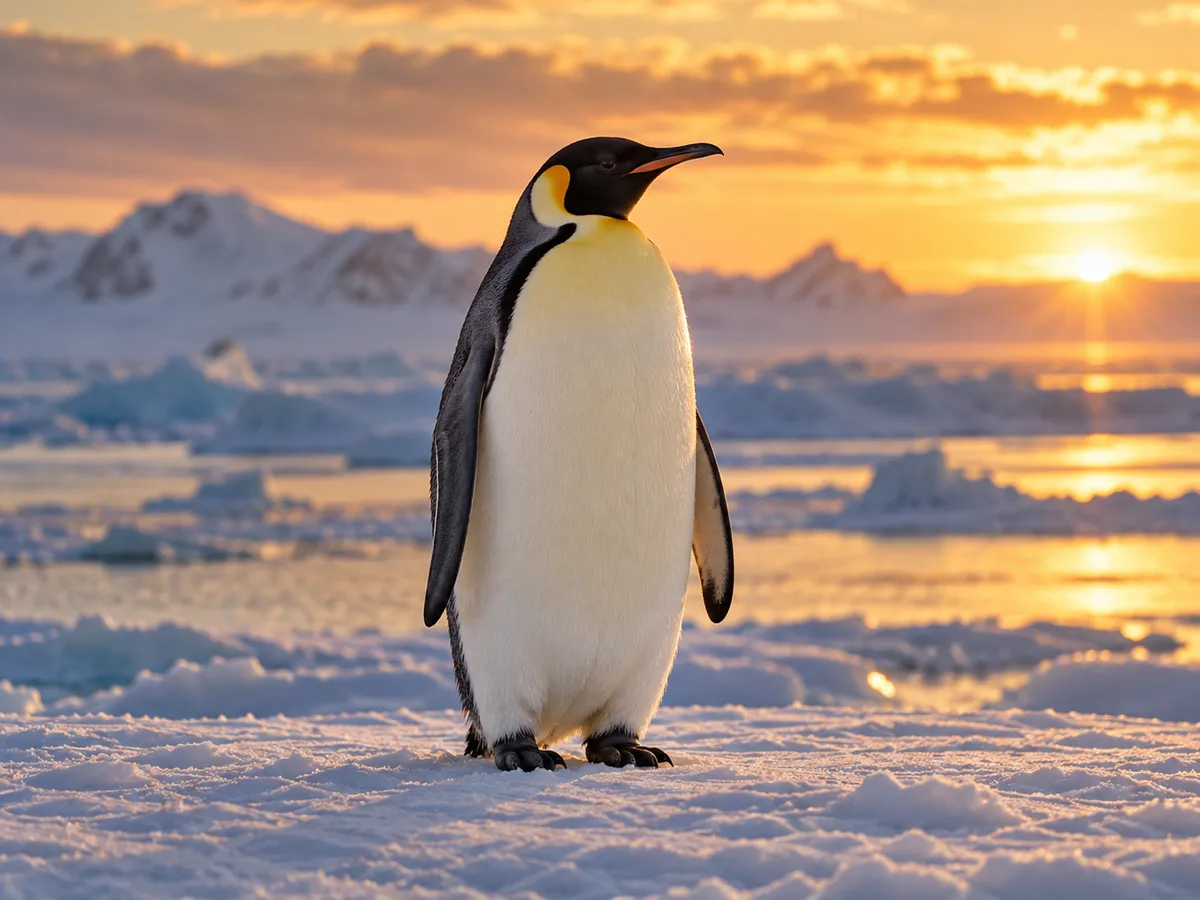 Emperor penguinThe largest of all penguins, the emperor penguin breeds in the harshest conditions of the Antarctic winter. Males protect the egg in freezing cold by carrying it on their feet for months.Explore
 Bald eagleKnown for its white head and yellow beak, the bald eagle is the emblem bird of North America. Once close to disappearing, it is one of the best-known conservation success stories.Explore
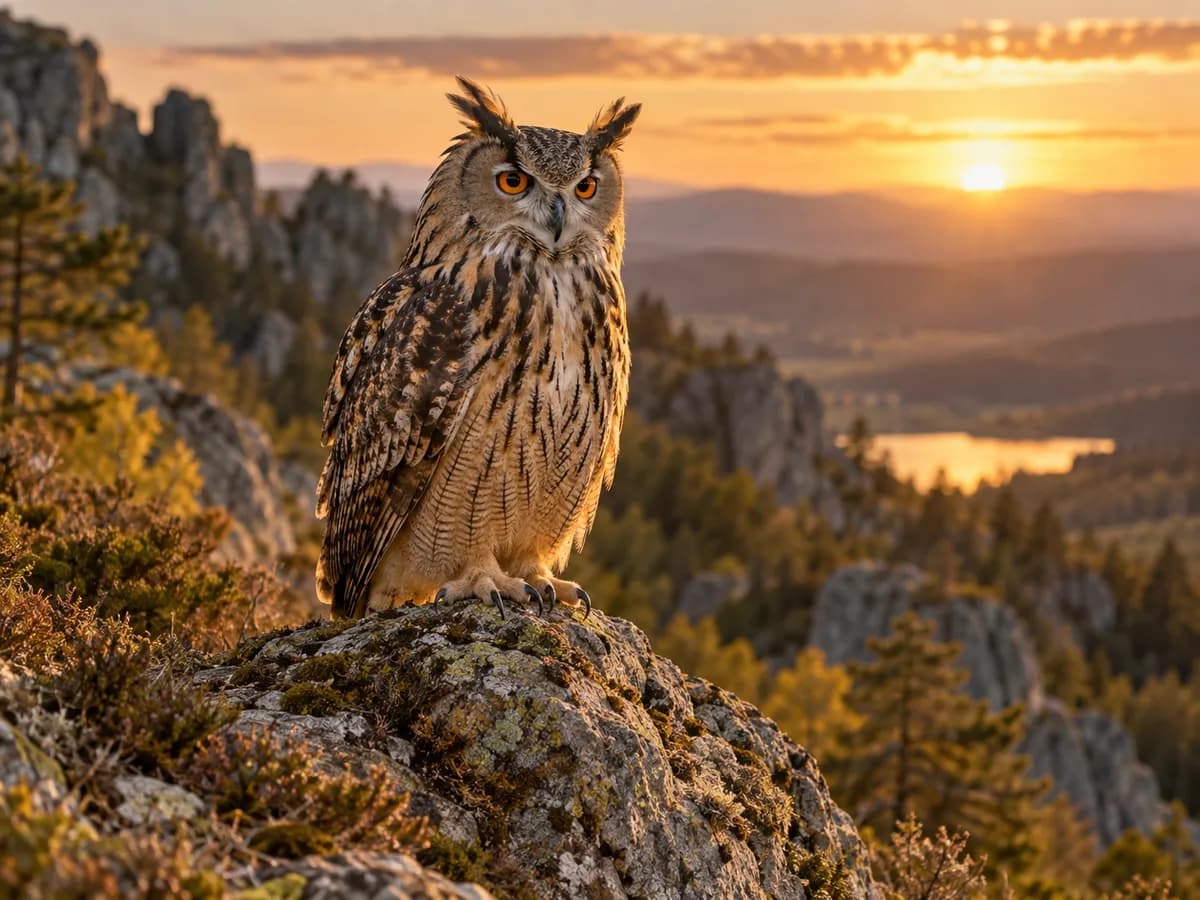 Eurasian eagle-owlOne of the world's largest owls, the Eurasian eagle-owl is known for its orange eyes and ear-like tufts. It lives in rocky and mountainous areas of Türkiye.Explore
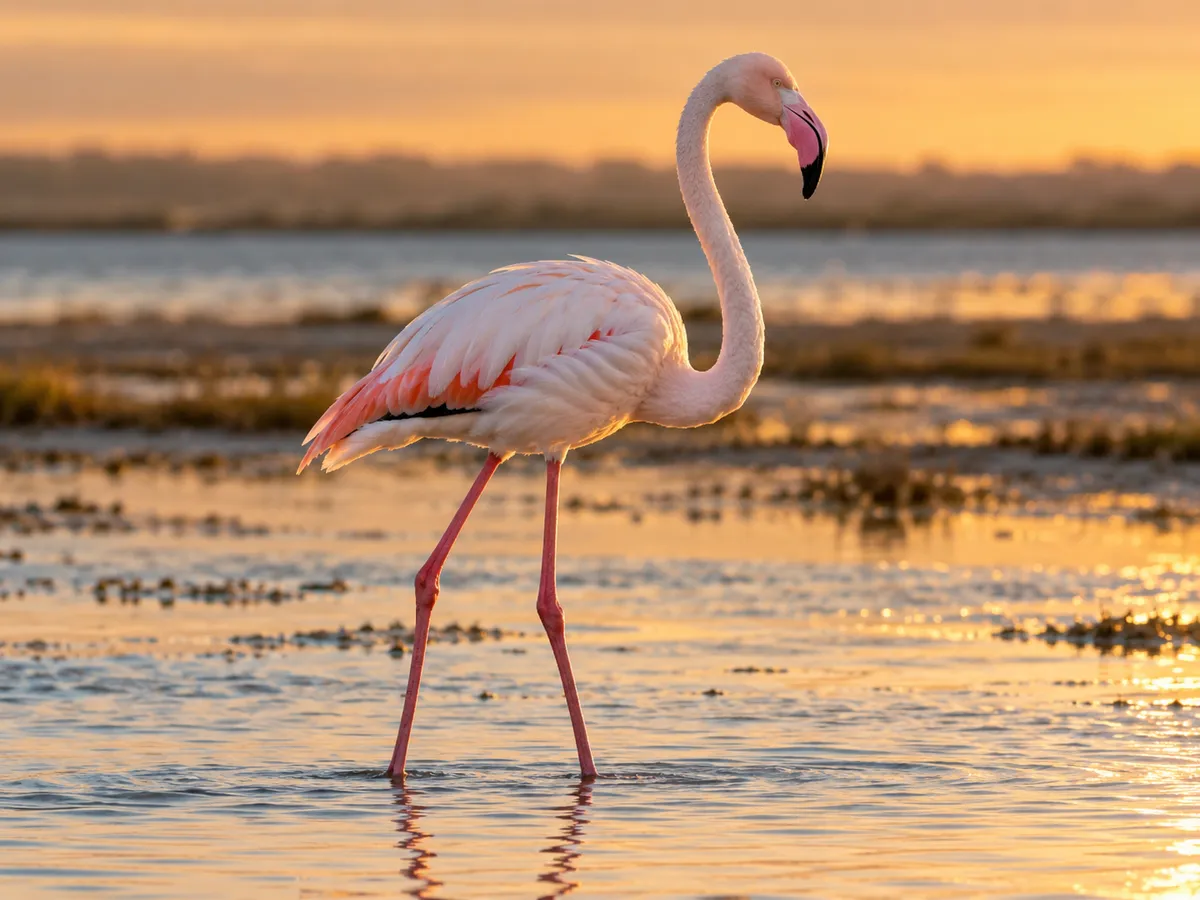 Greater flamingoWith pink feathers, long legs and a bent beak, the greater flamingo is the most striking bird of shallow salt lakes. Türkiye's Lake Tuz is one of the world's important flamingo breeding sites.Explore
Respect for nature, stronger tomorrows
Protecting wildlife is everyone's responsibility.
If you find an injured or young wild animal, don't touch it; inform your local wildlife authority. More knowledge, more awareness.
- Respect natural habitats
- Watch wild animals from afar
- Leave no litter in nature
- Support a sustainable future