

- Height
- 1–1.3 m
- Weight
- 22–45 kg
- Lifespan in the wild
- 15–20 years
- Conservation status (IUCN)
- Near threatened (NT)
Figures are approximate for adults and vary by sex, subspecies and population.
At a glance
The key facts about Emperor penguins.
In depth
In short
- The emperor penguin is the world's largest penguin species.
- It breeds only in Antarctica, on sea ice.
- Males carry the egg on their feet under a fold of belly skin through the winter.
- Thousands of birds huddle closely together to keep each other warm.
- The IUCN lists it as Near Threatened; shrinking sea ice is the biggest threat.
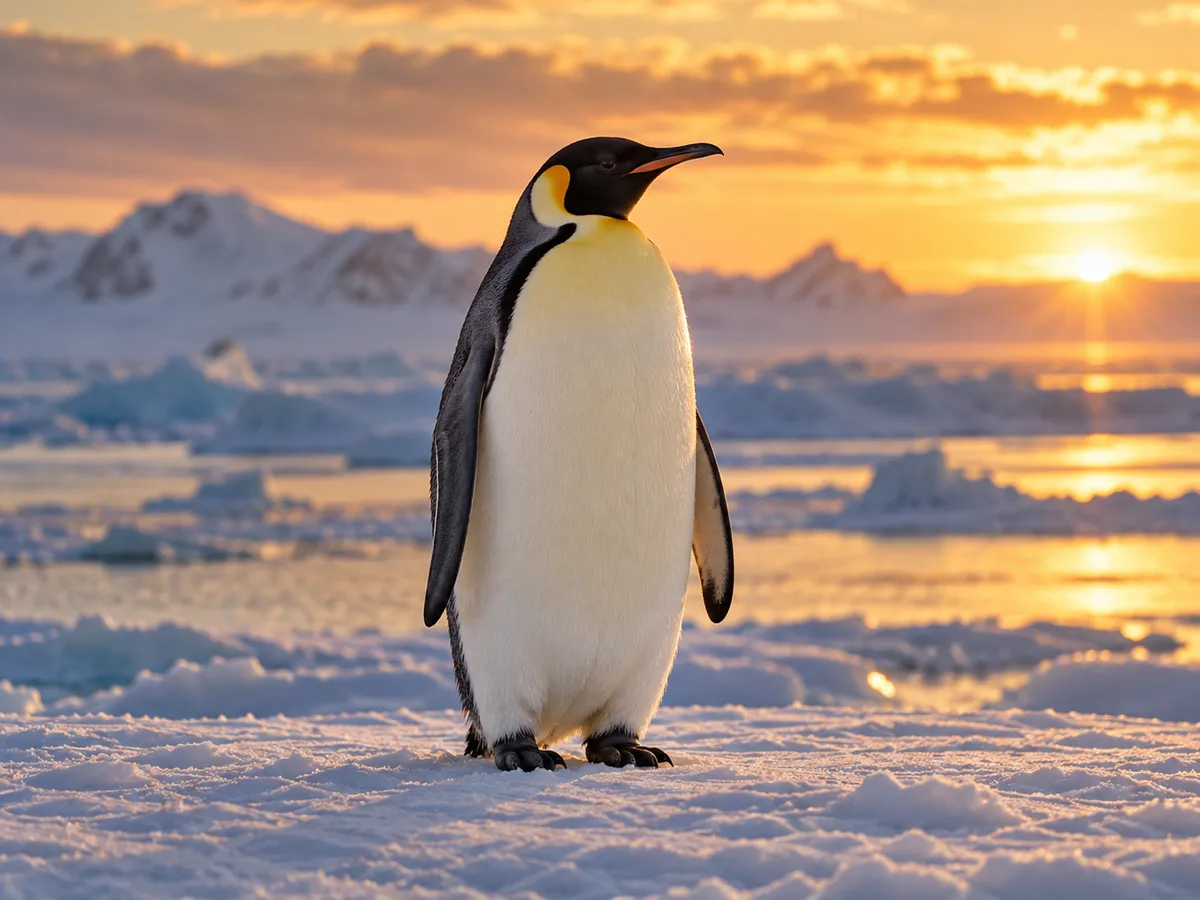
The emperor penguin (Aptenodytes forsteri) stands more than 1 metre tall, making it the world's largest penguin and one of the heaviest seabirds. It cannot fly, but its wings work as excellent flippers underwater. The yellow-orange patches on its neck set it apart from other penguins.
Where does it live?
Emperor penguins live only in Antarctica and the surrounding seas. Colonies are formed on fast ice attached to the coast.
What does it eat?
It is a carnivore that eats fish, krill and squid. While searching for food it can dive hundreds of metres deep and stay underwater for a long time.
Behaviour and social life
Emperor penguins live in colonies. Because Antarctic winter temperatures and winds are extremely harsh, the birds press together into tight huddles of thousands. Birds in the huddle keep shifting so that everyone takes turns on the windy outer edge and in the warm centre.
Chicks
At the start of winter, the female lays a single egg and goes to sea to feed. The male holds the egg on his feet under a feathered fold of belly skin for about two months, eating nothing the whole time. After the chick hatches, the parents take turns going to sea to feed it.
Conservation status
The emperor penguin is listed as Near Threatened (NT) on the IUCN Red List. The loss of sea ice due to climate change directly threatens the breeding success of colonies.
Fun facts
- Males can go without food for months during incubation and early chick rearing.
- Their black backs and white bellies camouflage them at sea from above and below.
- Colonies are sometimes discovered from space, thanks to guano stains in satellite images.
Similar animals
Other animals in the same group.
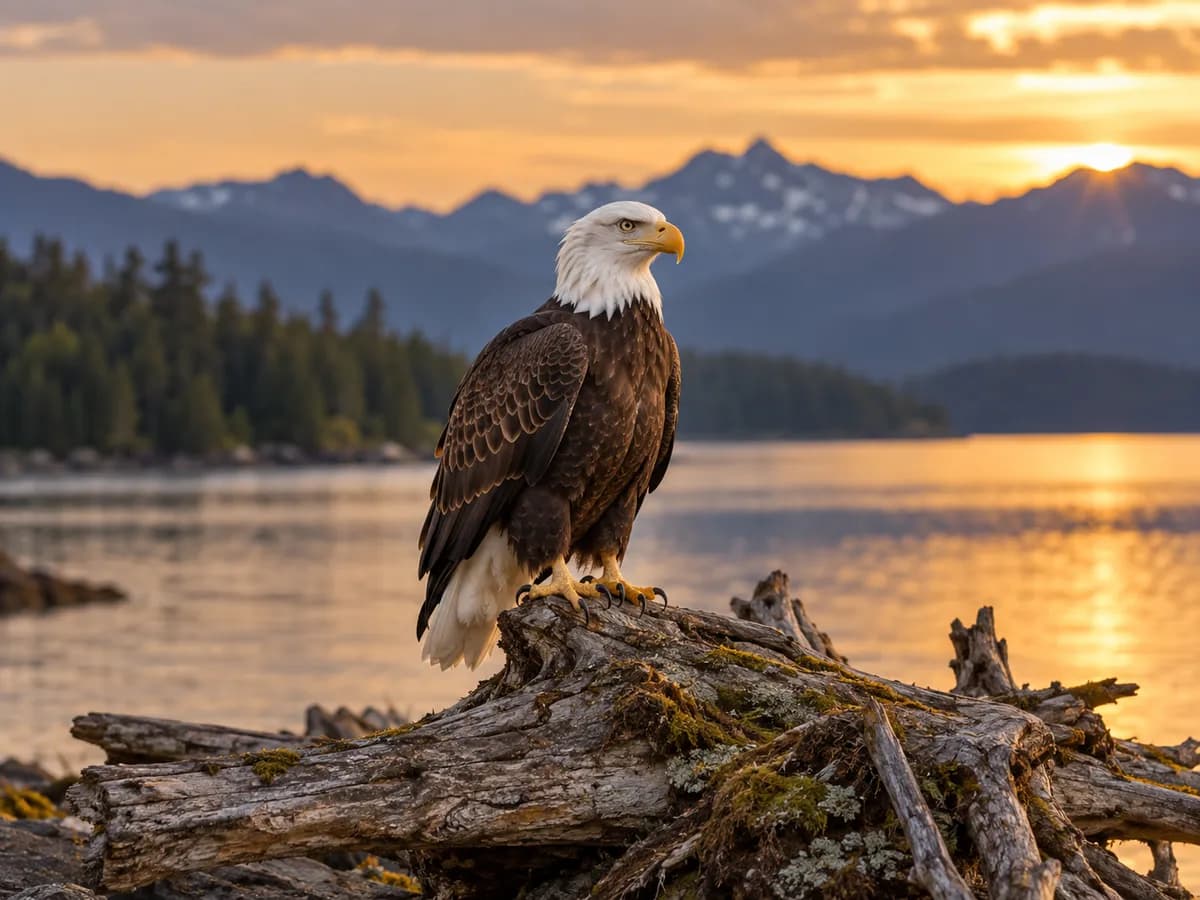 Bald eagleKnown for its white head and yellow beak, the bald eagle is the emblem bird of North America. Once close to disappearing, it is one of the best-known conservation success stories.Explore
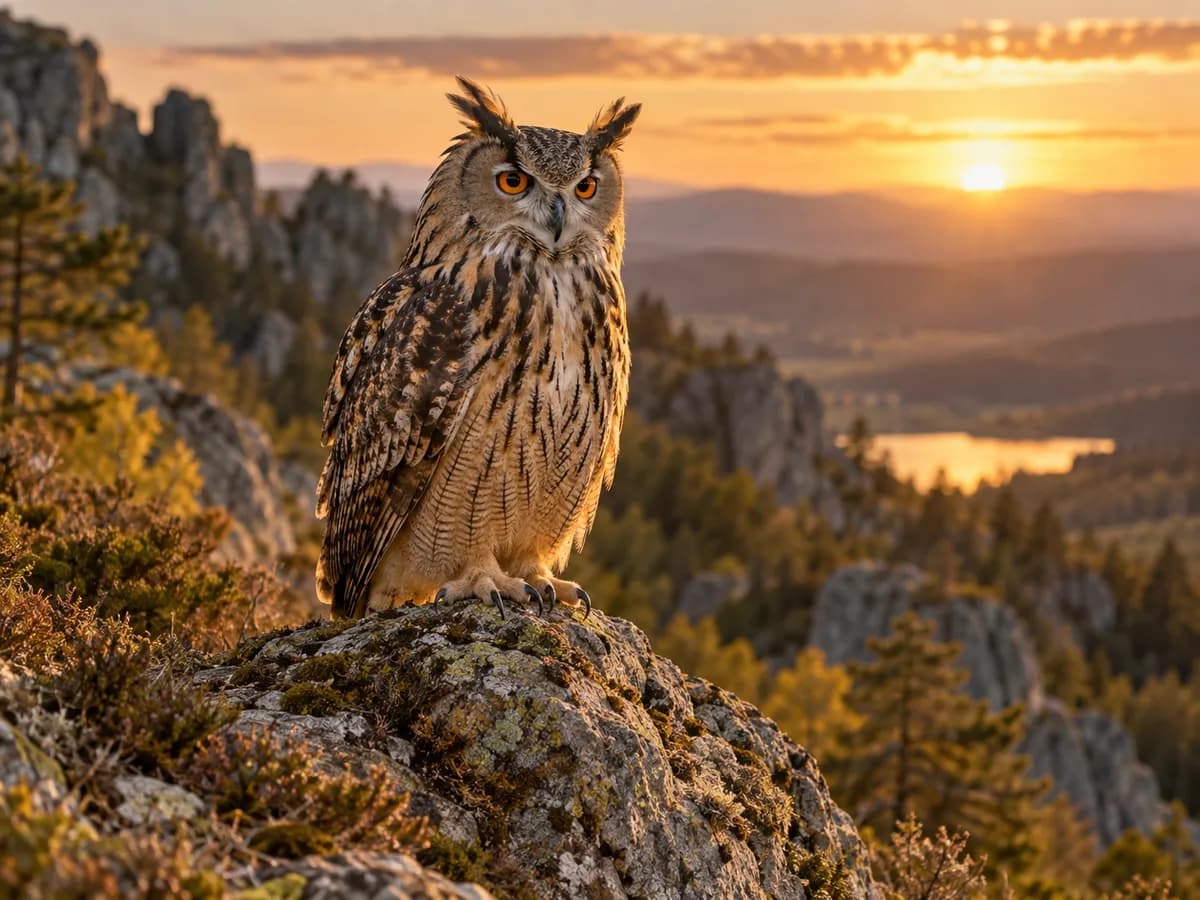 Eurasian eagle-owlOne of the world's largest owls, the Eurasian eagle-owl is known for its orange eyes and ear-like tufts. It lives in rocky and mountainous areas of Türkiye.Explore
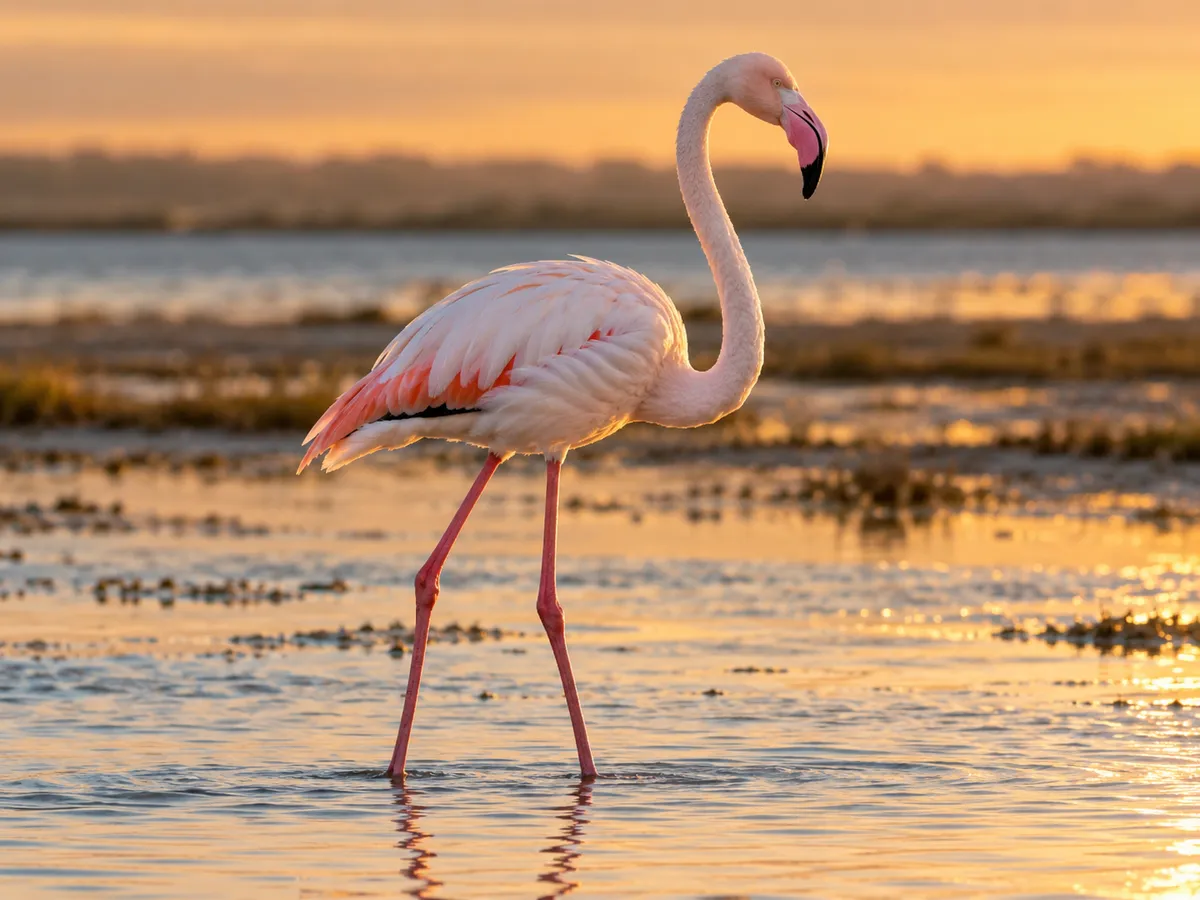 Greater flamingoWith pink feathers, long legs and a bent beak, the greater flamingo is the most striking bird of shallow salt lakes. Türkiye's Lake Tuz is one of the world's important flamingo breeding sites.Explore
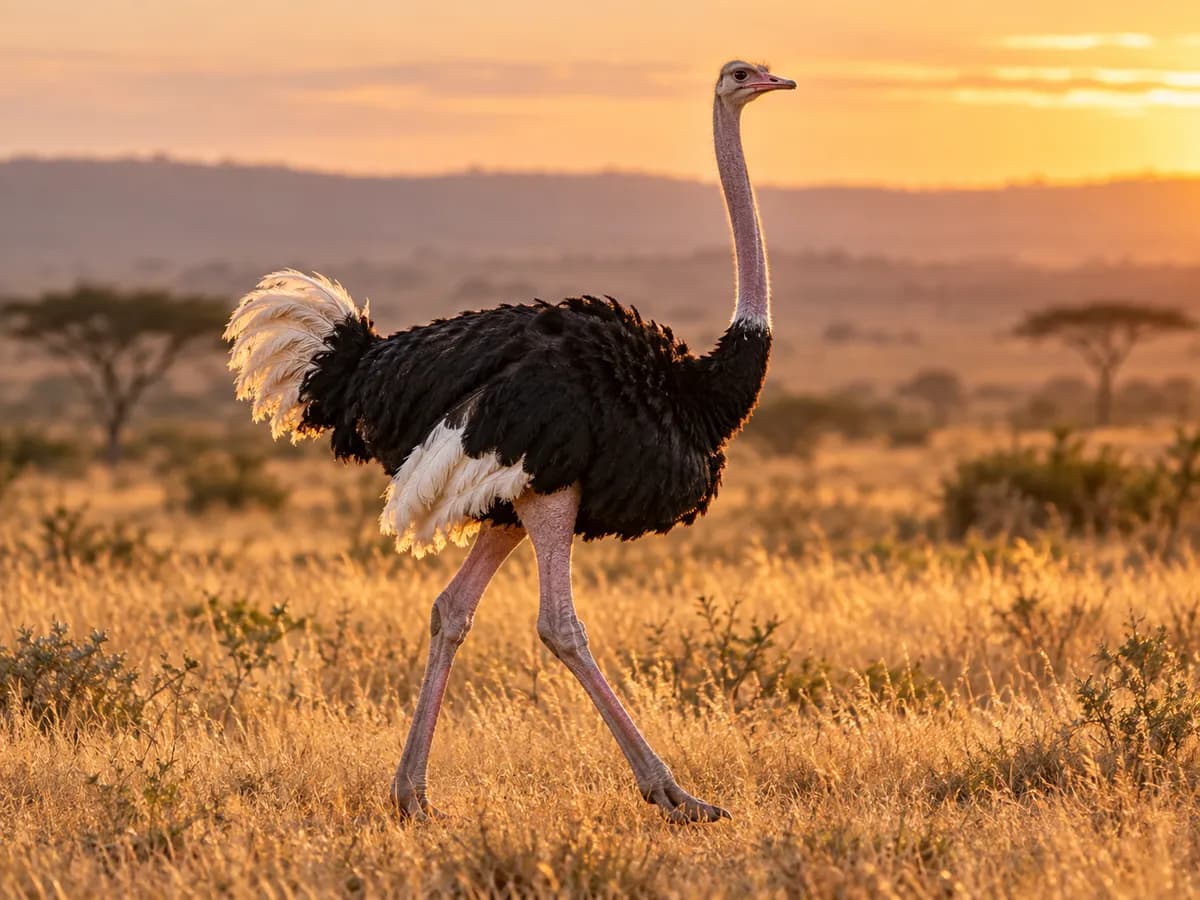 OstrichThe largest living bird, the ostrich cannot fly but runs very fast on its powerful legs. It lives in Africa's savannas and semi-deserts and lays the largest egg of any bird.Explore
Respect for nature, stronger tomorrows
Protecting wildlife is everyone's responsibility.
If you find an injured or young wild animal, don't touch it; inform your local wildlife authority. More knowledge, more awareness.
- Respect natural habitats
- Watch wild animals from afar
- Leave no litter in nature
- Support a sustainable future