- Wingspan
- 1.6–2.2 m
- Weight
- 2.3–4.5 kg
- Lifespan in the wild
- 20–30 years
- Conservation status (IUCN)
- Least concern (LC)
Figures are approximate for adults and vary by sex, subspecies and population.
At a glance
The key facts about White storks.
- Where does it live?It breeds across most of Europe, North Africa and western Asia and spends the winter in Africa south of the Sahara.
- What does it eat?It is a carnivore that eats frogs, fish, insects, earthworms, lizards and small mammals.
- MigrationDuring migration, storks rise and soar on warm air currents instead of flapping.
- ChicksPairs return to the same nest every year and add to it; some nests are used for many years.
In depth
In short
- The white stork makes a long migration between Europe and Africa every year.
- During migration it soars on rising warm air currents.
- Huge flocks pass over Türkiye, especially over the Bosphorus and the Belen Pass.
- It builds large nests on roofs, chimneys and poles.
- The IUCN lists it as Least Concern.
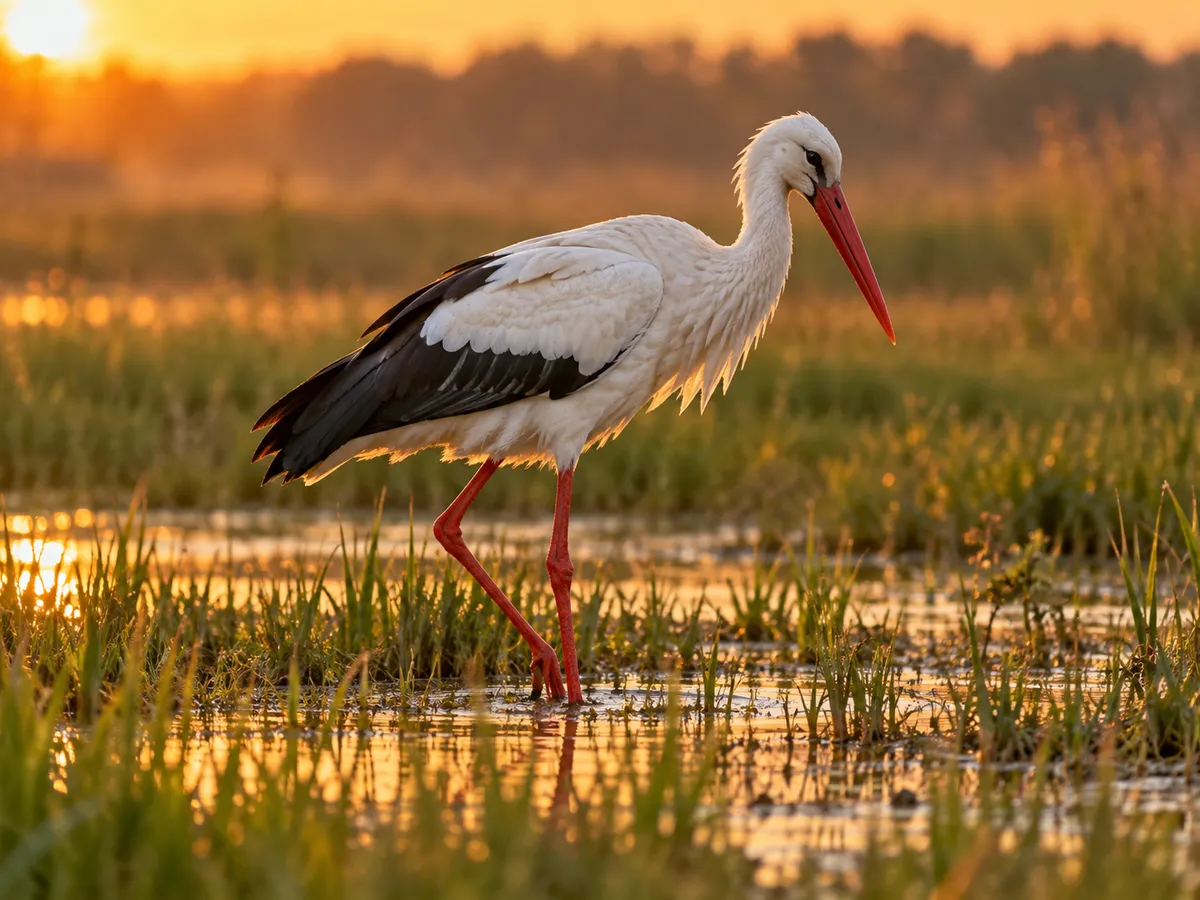
The white stork (Ciconia ciconia) is a large bird with white plumage, black wingtips and a long red bill and legs. It does not sing like songbirds; instead it makes a clattering sound by rapidly opening and closing its bill.
Where does it live?
It breeds across most of Europe, North Africa and western Asia and spends the winter in Africa south of the Sahara. It uses wetlands, meadows and farmland. It breeds in many parts of Türkiye, which is also one of the most important points on the migration route from Europe to Africa.
What does it eat?
It is a carnivore that eats frogs, fish, insects, earthworms, lizards and small mammals. It usually searches for food by walking through wet meadows and freshly ploughed fields.
Migration
During migration, storks rise and soar on warm air currents instead of flapping. That is why they avoid long sea crossings and use narrow straits such as Gibraltar and the Bosphorus. In autumn, tens of thousands of storks pass over the Bosphorus and the Belen Pass in Hatay.
Chicks
Pairs return to the same nest every year and add to it; some nests are used for many years. The female usually lays 3–5 eggs, and both parents incubate and feed the chicks.
Conservation status
The white stork is listed as Least Concern (LC) on the IUCN Red List. In the 20th century its numbers fell in some European countries but have since risen in many areas thanks to conservation. Collisions with power lines, drained wetlands and pesticides are still important threats.
Fun facts
- The legend that storks "deliver babies" is told in many European countries.
- Some storks are tracked with satellite transmitters to study their migration routes.
- Their nests sometimes become "apartment blocks" that also house smaller birds.
Similar animals
Other animals in the same group.
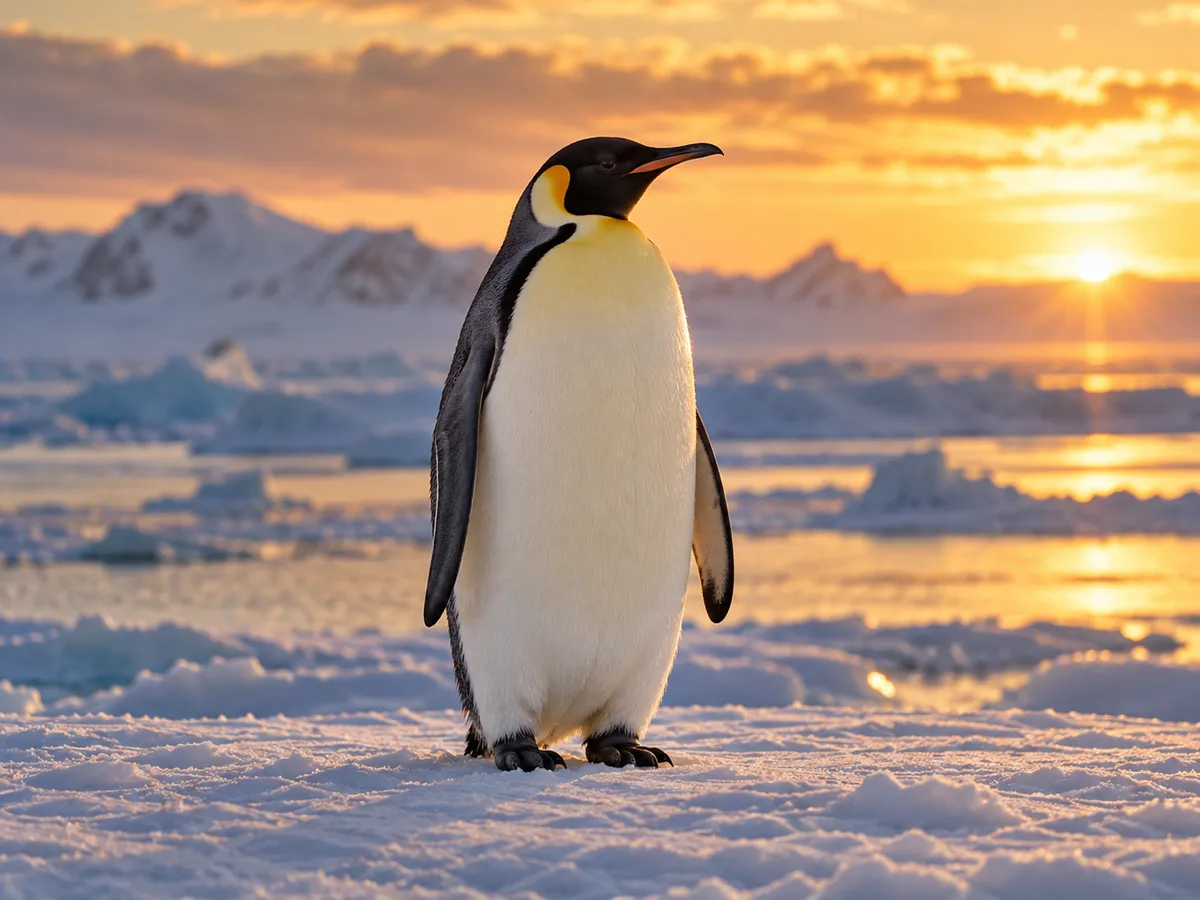 Emperor penguinThe largest of all penguins, the emperor penguin breeds in the harshest conditions of the Antarctic winter. Males protect the egg in freezing cold by carrying it on their feet for months.Explore
 Bald eagleKnown for its white head and yellow beak, the bald eagle is the emblem bird of North America. Once close to disappearing, it is one of the best-known conservation success stories.Explore
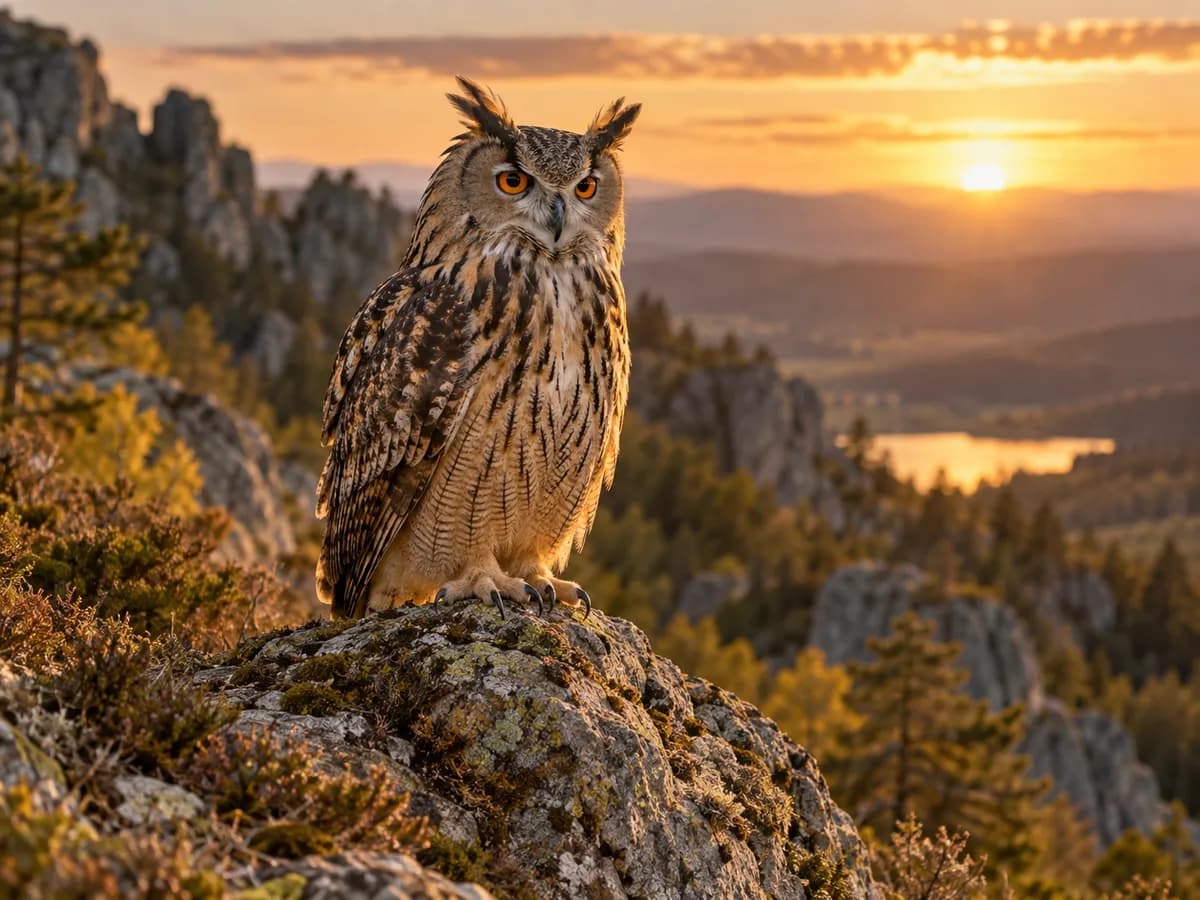 Eurasian eagle-owlOne of the world's largest owls, the Eurasian eagle-owl is known for its orange eyes and ear-like tufts. It lives in rocky and mountainous areas of Türkiye.Explore
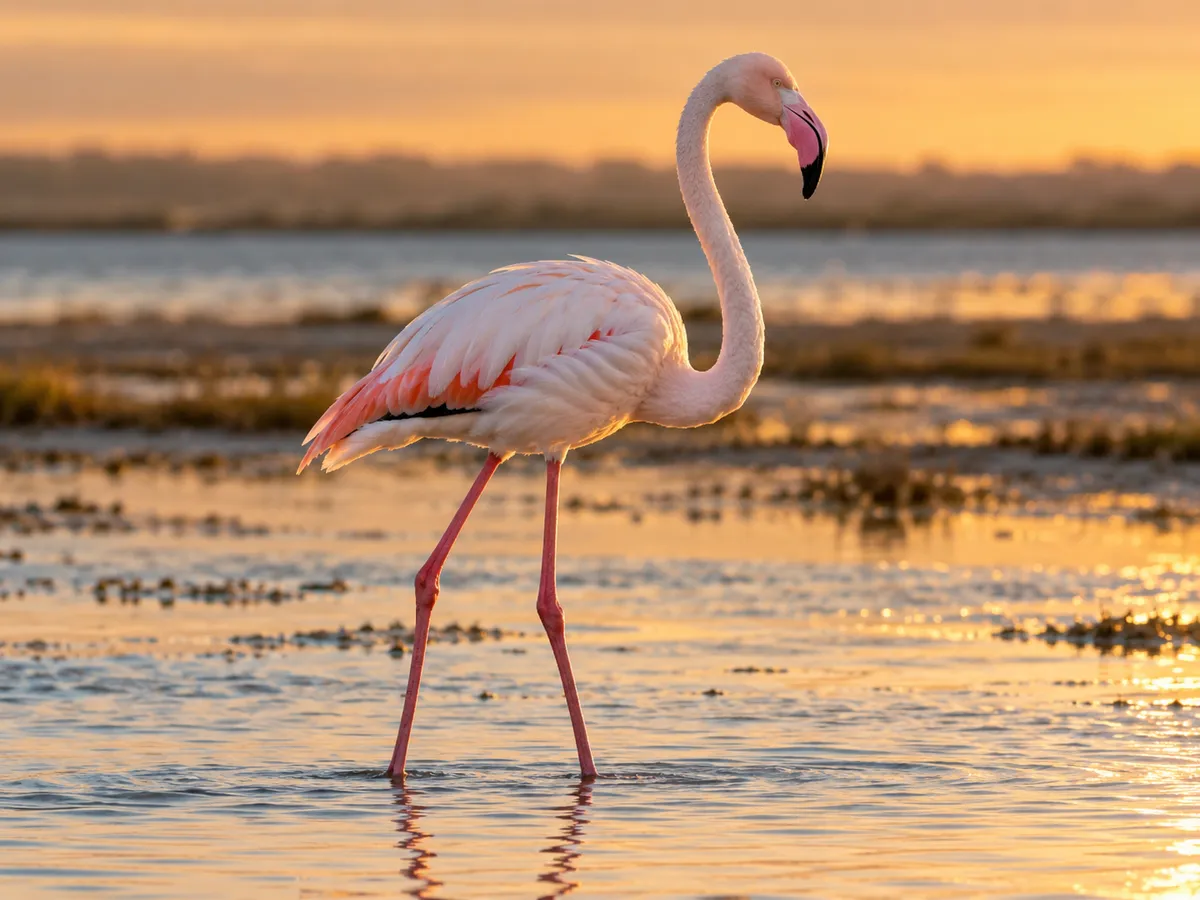 Greater flamingoWith pink feathers, long legs and a bent beak, the greater flamingo is the most striking bird of shallow salt lakes. Türkiye's Lake Tuz is one of the world's important flamingo breeding sites.Explore
Respect for nature, stronger tomorrows
Protecting wildlife is everyone's responsibility.
If you find an injured or young wild animal, don't touch it; inform your local wildlife authority. More knowledge, more awareness.
- Respect natural habitats
- Watch wild animals from afar
- Leave no litter in nature
- Support a sustainable future