

Goldfish
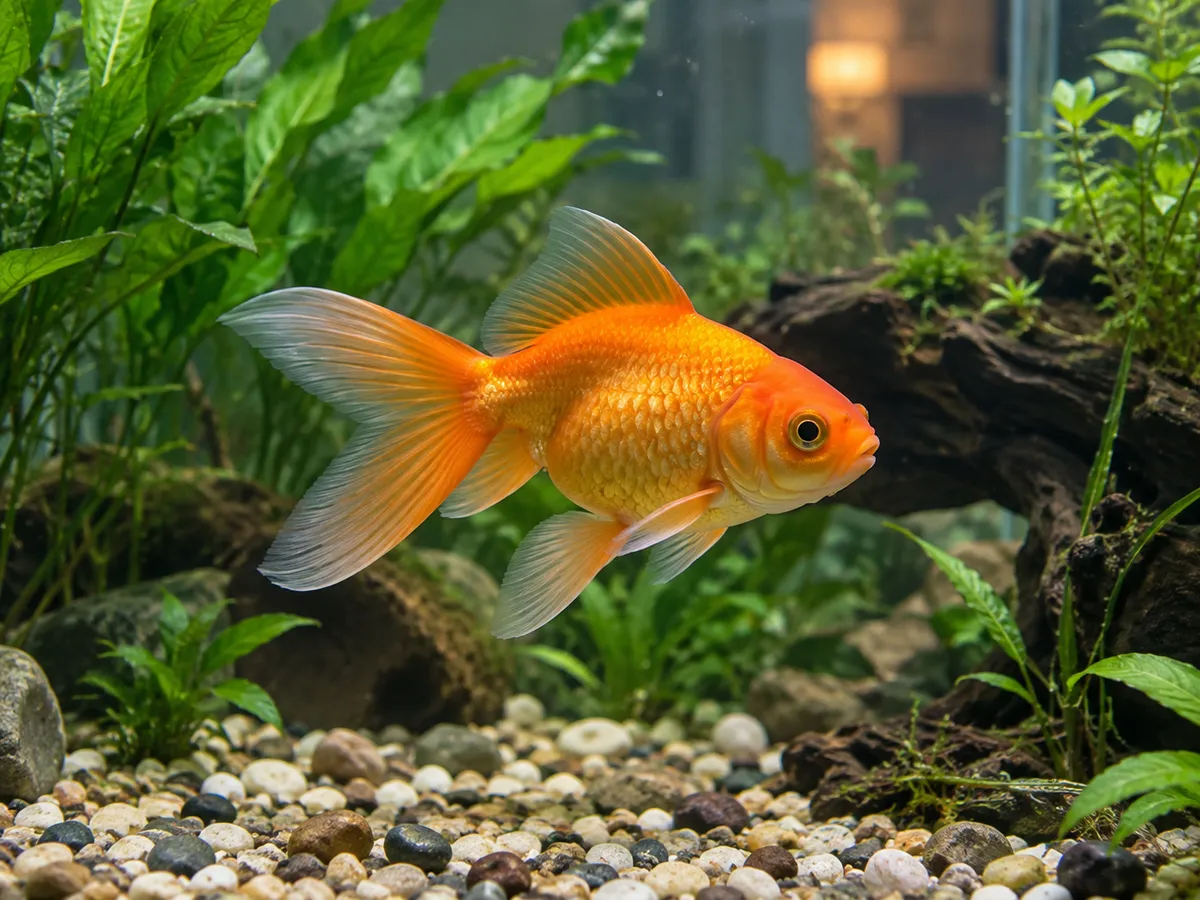
Goldfish are not tiny ornaments that live a few months in a bowl: in the right conditions they grow, can live for more than a decade and recognise their owners. Plenty of water, strong filtration and regular water care are their basic needs.
- Typical lifespan
- 10–15 years
- Social needs
- Should live in a group
- Active hours
- Active by day
- Experience level
- Needs some experience
Values are typical ranges and vary with breed, husbandry and the individual animal.
Quick care summary
The care essentials for Goldfish.
- A large aquariumThey need a lot of room as they grow; bowls and small tanks are not suitable.
- Strong filtrationThey produce a lot of waste, so filtration must match the volume.
- CyclingCycle the aquarium and test the water before adding fish.
- Water careRegular partial water changes; no sharp-edged decor for fancy varieties.
In depth
In short
- Goldfish can grow much larger and live much longer than people expect.
- Bowls and small containers are unsuitable; they need a large aquarium or a pond.
- They produce a lot of waste; strong filtration and regular partial water changes are essential.
- They are coldwater fish, but sudden temperature changes should be avoided.
- They are social fish and are usually kept with their own kind.
Goldfish (Carassius auratus) have been domesticated for centuries and are among the best-known ornamental fish. Many people think they are short-lived, but that is often due to inadequate containers and water quality. In the right conditions they become long-lived companions that recognise their owners and wait at the front glass at feeding time.
Single-tailed and fancy goldfish
- Single-tailed types (such as comets) are fast swimmers that can grow large and are generally better suited to big aquariums or ponds.
- Fancy goldfish (such as orandas and ryukins) have rounder bodies and swim more slowly; they can lose out at feeding time when kept with fast types.
Setting up the aquarium
- Volume: Goldfish need more space and water as they grow. Bowls and small containers do not provide enough oxygen or water quality. Bigger is more stable: plan the setup around their adult size.
- Filtration: Because they produce a lot of waste, they need a filter that is powerful for the tank volume.
- Cycling: A new aquarium should be cycled before fish are added, and the water tested with a test kit.
- Decor: Avoid sharp edges; the delicate fins and eyes of fancy types can be damaged.
Feeding routine
Good-quality foods made for goldfish can be the staple, with occasional variety from suitable vegetables and frozen foods. Overfeeding spoils water quality and can cause problems for the fish: give only what they can eat in a few minutes.
Water care
Make regular partial water changes and treat new water with a dechlorinator. Avoid sudden temperature changes. Rinse filter media in tank water to protect the beneficial bacteria.
Frequently asked questions
How long do goldfish live?
In good conditions, typically 10–15 years, sometimes much longer.
Can goldfish be kept with tropical fish?
It is generally not recommended; their temperature needs and waste output differ.
Why is my goldfish gulping at the surface?
This can be a sign of a problem with oxygen or water quality. Test the water straight away and consult a specialist.
Good to know
The most important points.
- The pond optionIn a suitable climate, a well-designed garden pond can be a wonderful home, especially for single-tailed goldfish. Remember to protect the pond from predators.
- When to contact a vetIf you notice a change in swimming, fins, color or appetite, first test the water and then consult a veterinarian or specialist experienced with ornamental fish.
Life stages
Approximate age ranges for Goldfish and the priorities of each stage.


Similar animals
Other animals in the same group.
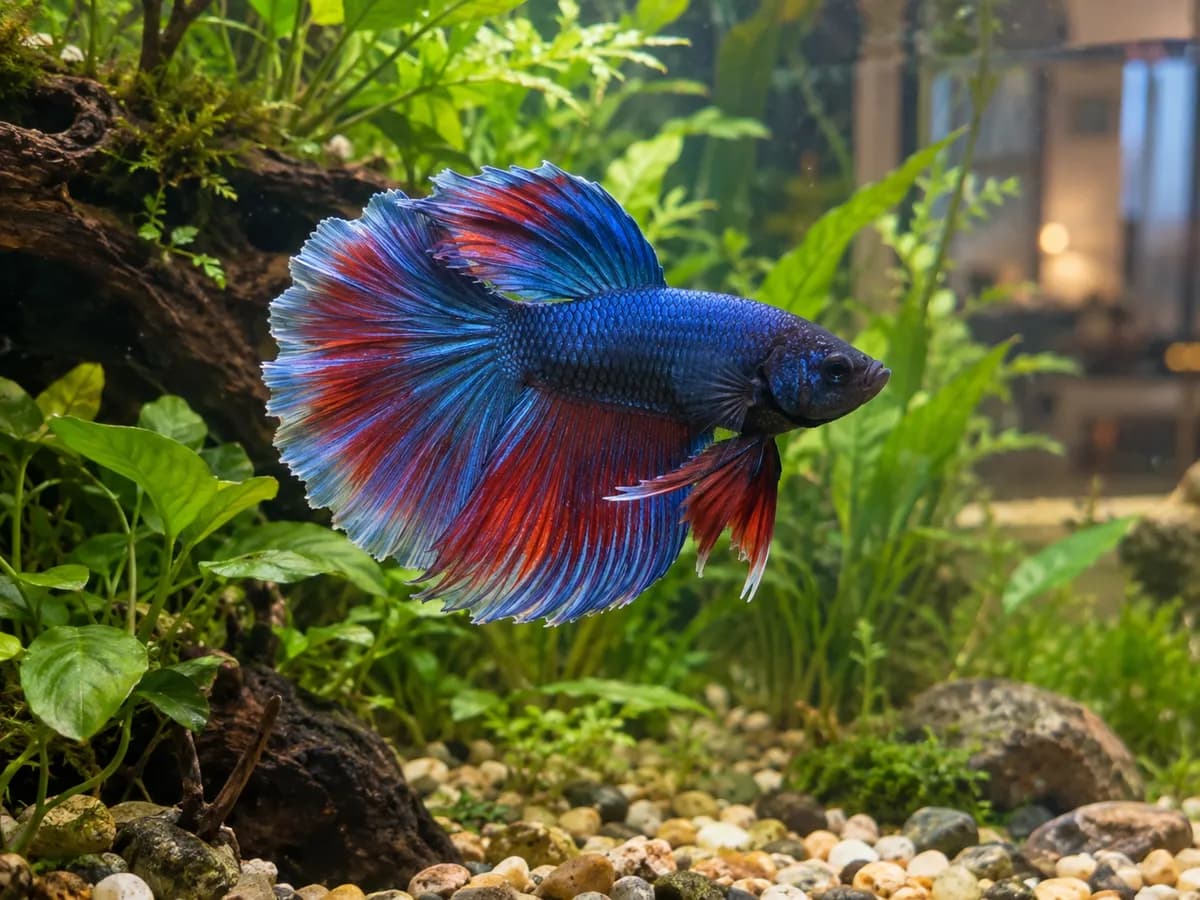 Betta fishWith colorful fins and real personality, betta fish are not simple enough to live in tiny bowls. They are healthier and more active in a heated, filtered and cycled aquarium.Explore
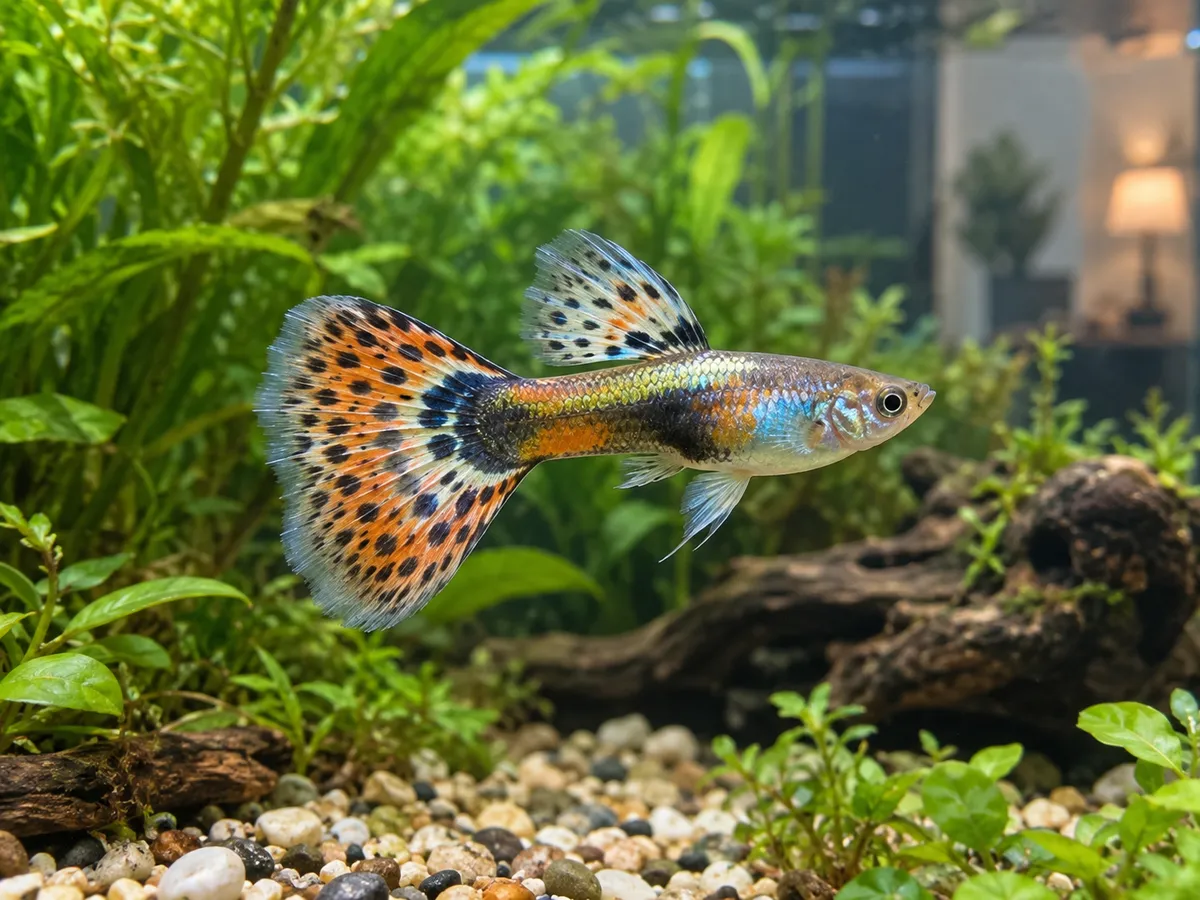 GuppyColorful and lively, guppies are among the best-known aquarium fish. They need a cycled, heated aquarium, a small group of companions and a plan for how quickly they breed.Explore
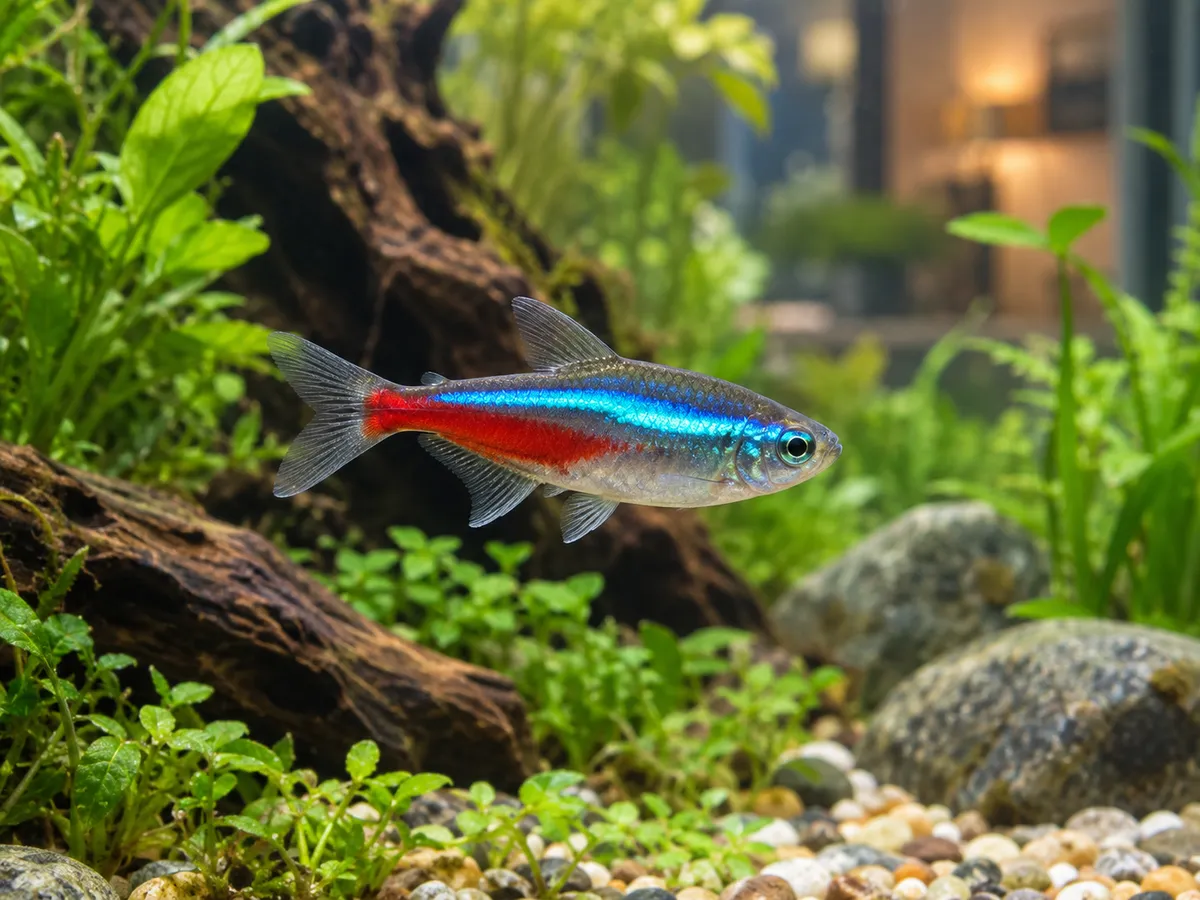 Neon tetraWith their bright blue and red stripes, neon tetras are small, peaceful fish that swim in schools. They need a mature, calm, planted aquarium, a large group and stable water values.Explore
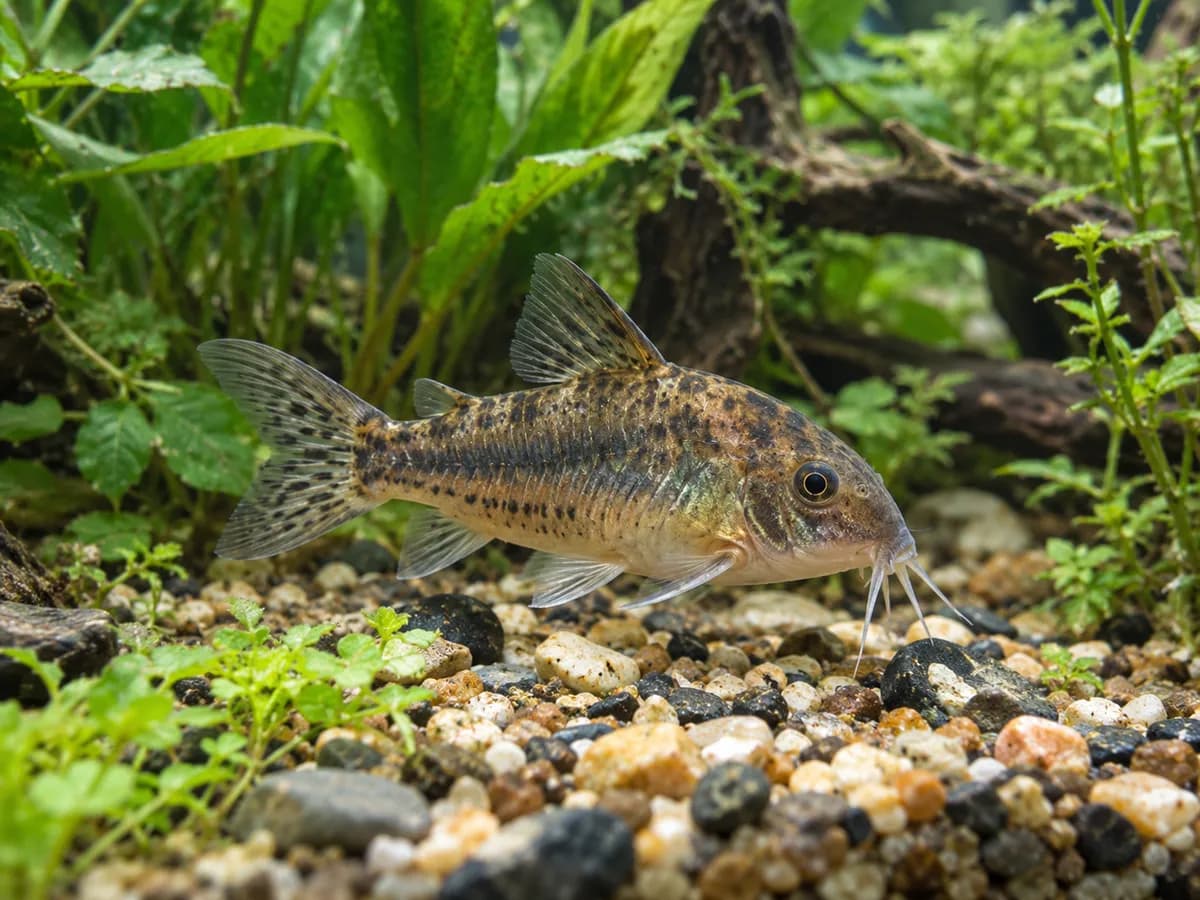 CorydorasAlways foraging along the bottom of the tank, corydoras are charming, peaceful bottom-dwellers. They live in groups and need a soft substrate, clean water and food that reaches the bottom.Explore
Happier together
Create a free profile for your companion.
Enter the date of birth or an estimated age to see its life stage, weight history and matching guides in one place.
- Life-stage tracking
- Weight history
- Guides for its species
- Free account