

Neon tetras
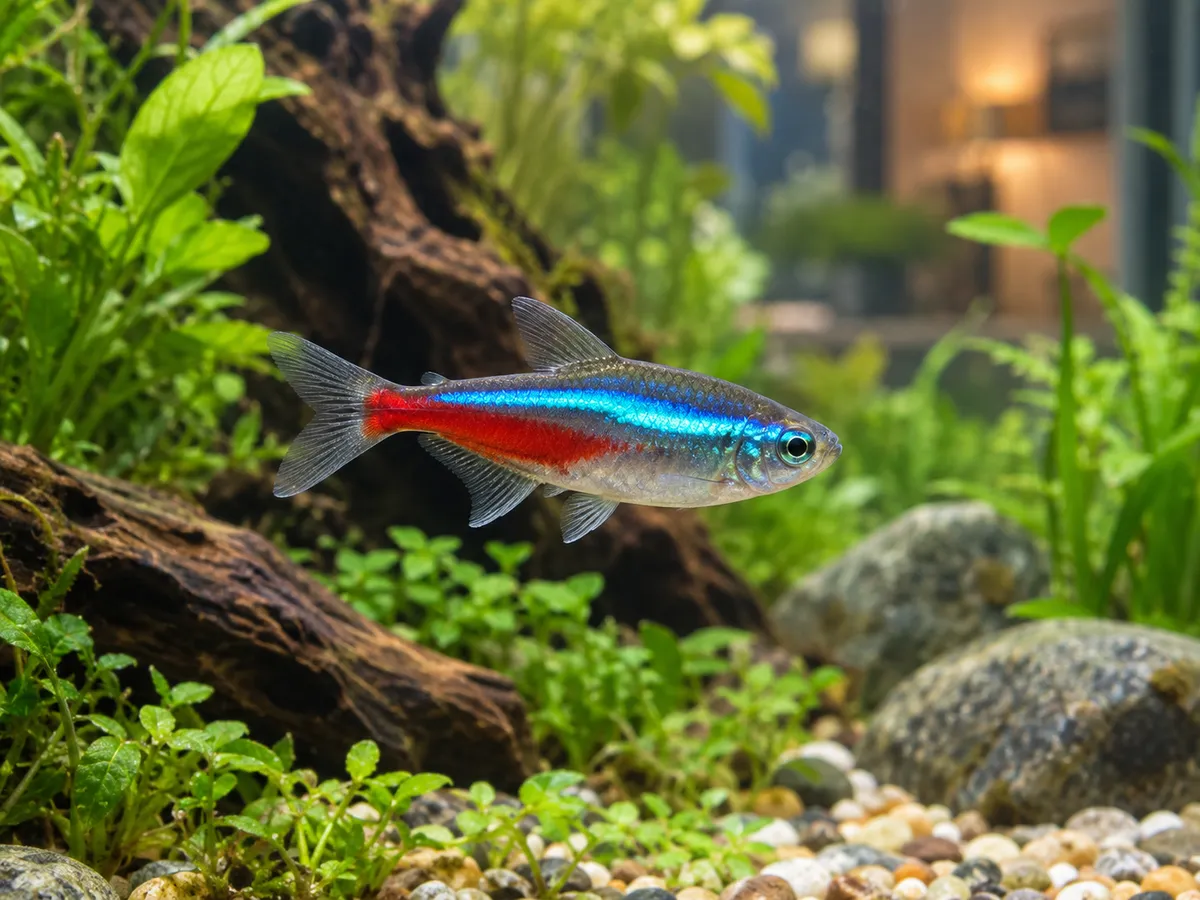
With their bright blue and red stripes, neon tetras are small, peaceful fish that swim in schools. They need a mature, calm, planted aquarium, a large group and stable water values.
- Typical lifespan
- 3–5 years
- Social needs
- Should live in a group
- Active hours
- Active by day
- Experience level
- Needs some experience
Values are typical ranges and vary with breed, husbandry and the individual animal.
Quick care summary
The care essentials for Neon tetras.
- Nature and behaviorThey are peaceful and shy; in a large school they feel safer and behave more naturally.
- Living spaceThey need a filtered, heated aquarium large enough for the school.
- Feeding routineThey are omnivores.
- Care notesGradual changes: Keep water changes small and regular; avoid sudden changes in temperature or water values.
In depth
In short
- They are schooling fish and feel secure only in a sizeable group.
- They are small and peaceful and should not be kept with large or aggressive fish.
- They need a fully mature aquarium with stable water values.
- Dim light, plants and hiding places reflect their natural habitat.
- Feeding small amounts often helps protect water quality.
Neon tetras are small fish from the slow-moving, dim waters of the Amazon basin in South America, full of plants and fallen leaves. The bright blue stripe along their body and the red rear section make them easy to recognize.
Nature and behavior
They are peaceful and shy; in a large school they feel safer and behave more naturally. They swim together in the middle levels of the tank. Because they are small enough to fit in larger fish's mouths, they should not share a tank with large or aggressive species.
Living space
They need a filtered, heated aquarium large enough for the school. Neon tetras are sensitive to swings in water values, so the tank should be fully cycled and mature. Dense planting, roots and soft light reflect their natural habitat; the current should be gentle.
Feeding routine
They are omnivores. Fine flakes or micro granules suited to their small mouths are the staple, with suitable frozen foods added from time to time. Feed small amounts once or twice a day, only as much as they finish in a few minutes.
Care notes
- Gradual changes: Keep water changes small and regular; avoid sudden changes in temperature or water values.
- Water tests: Track ammonia, nitrite and nitrate regularly.
- School size: Neon tetras kept in small numbers become more timid.
- New fish: Many keepers observe new fish in a separate tank before adding them.
Good to know
The most important points.
- When to contact a vetIf you notice clear fading of color, fish staying apart from the school, difficulty swimming or loss of appetite, check your water values first and talk to a veterinarian experienced with ornamental fish or an experienced aquarist.
Similar animals
Other animals in the same group.
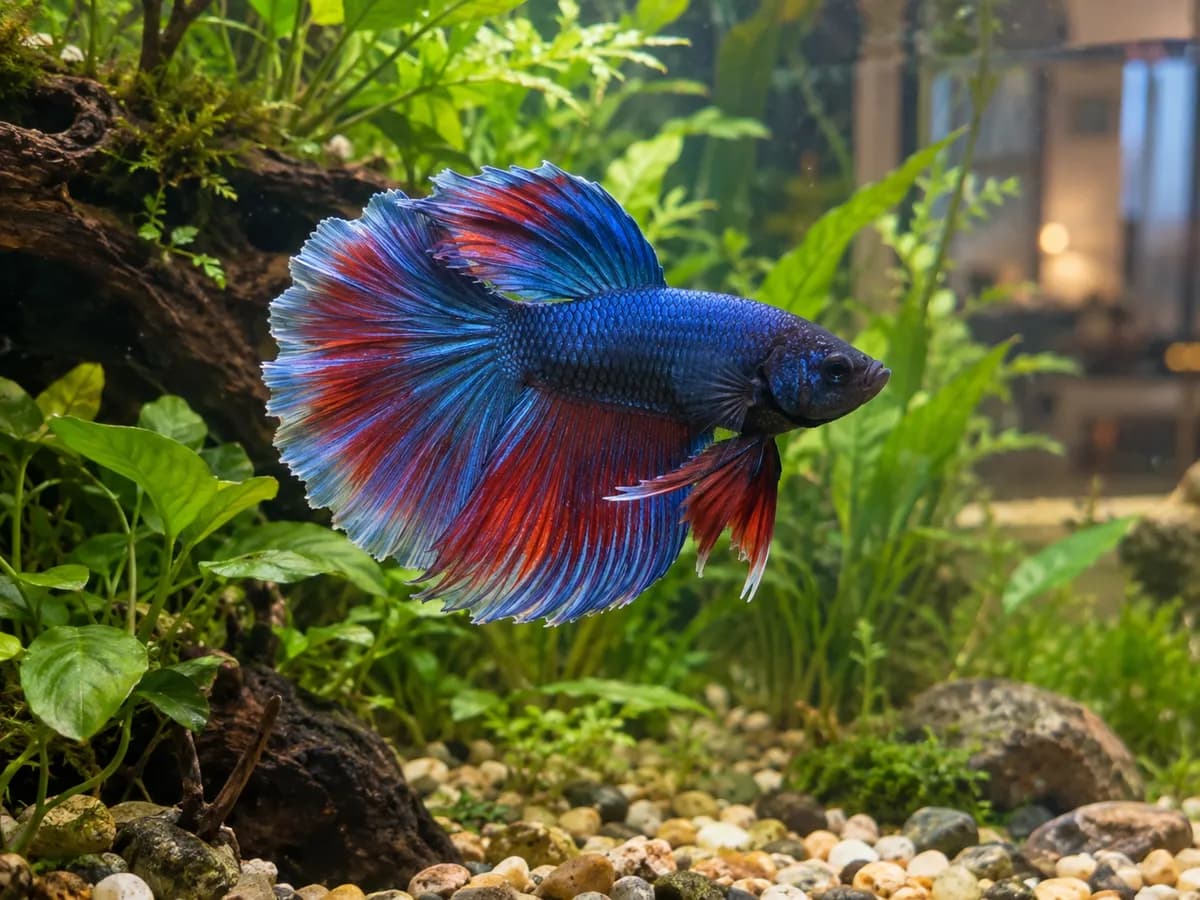 Betta fishWith colorful fins and real personality, betta fish are not simple enough to live in tiny bowls. They are healthier and more active in a heated, filtered and cycled aquarium.Explore
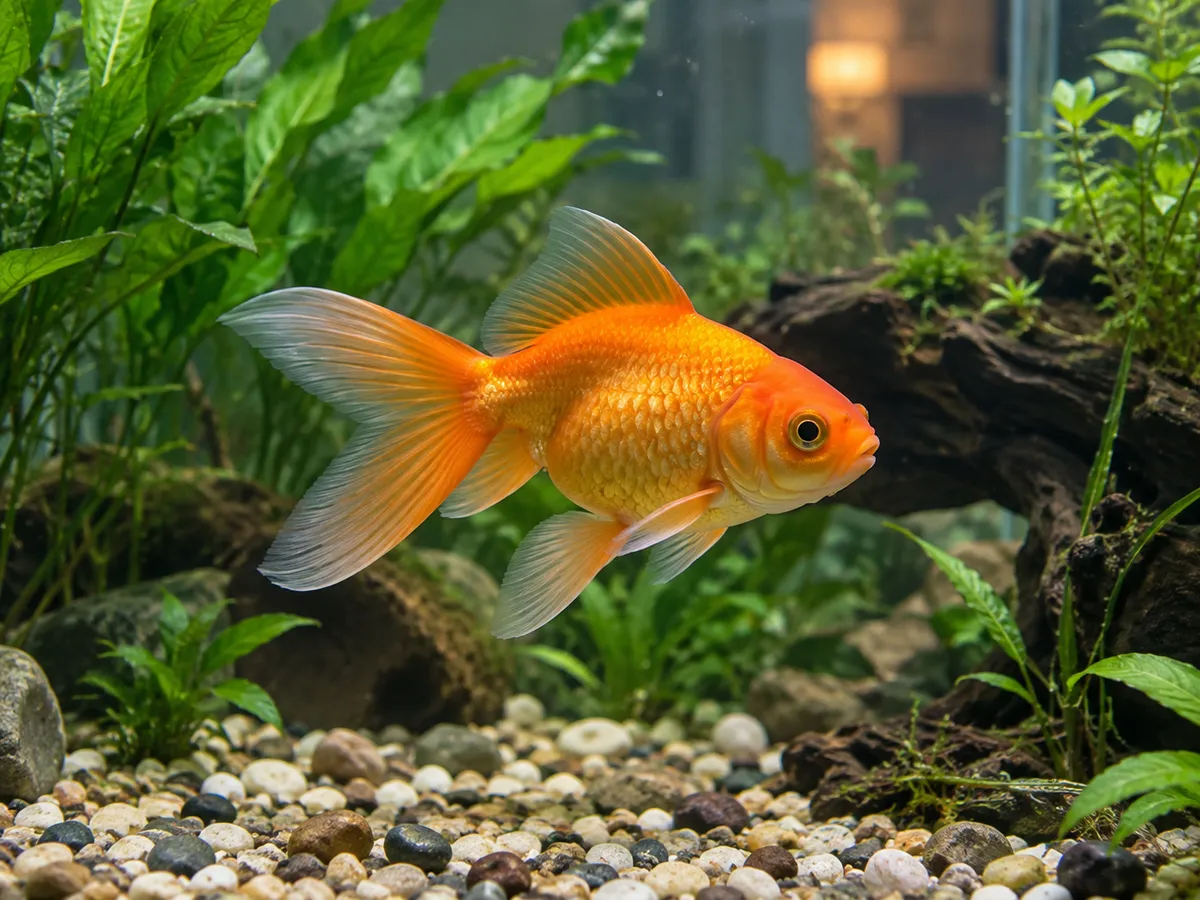 GoldfishGoldfish are not tiny ornaments that live a few months in a bowl: in the right conditions they grow, can live for more than a decade and recognise their owners. Plenty of water, strong filtration and regular water care are their basic needs.Explore
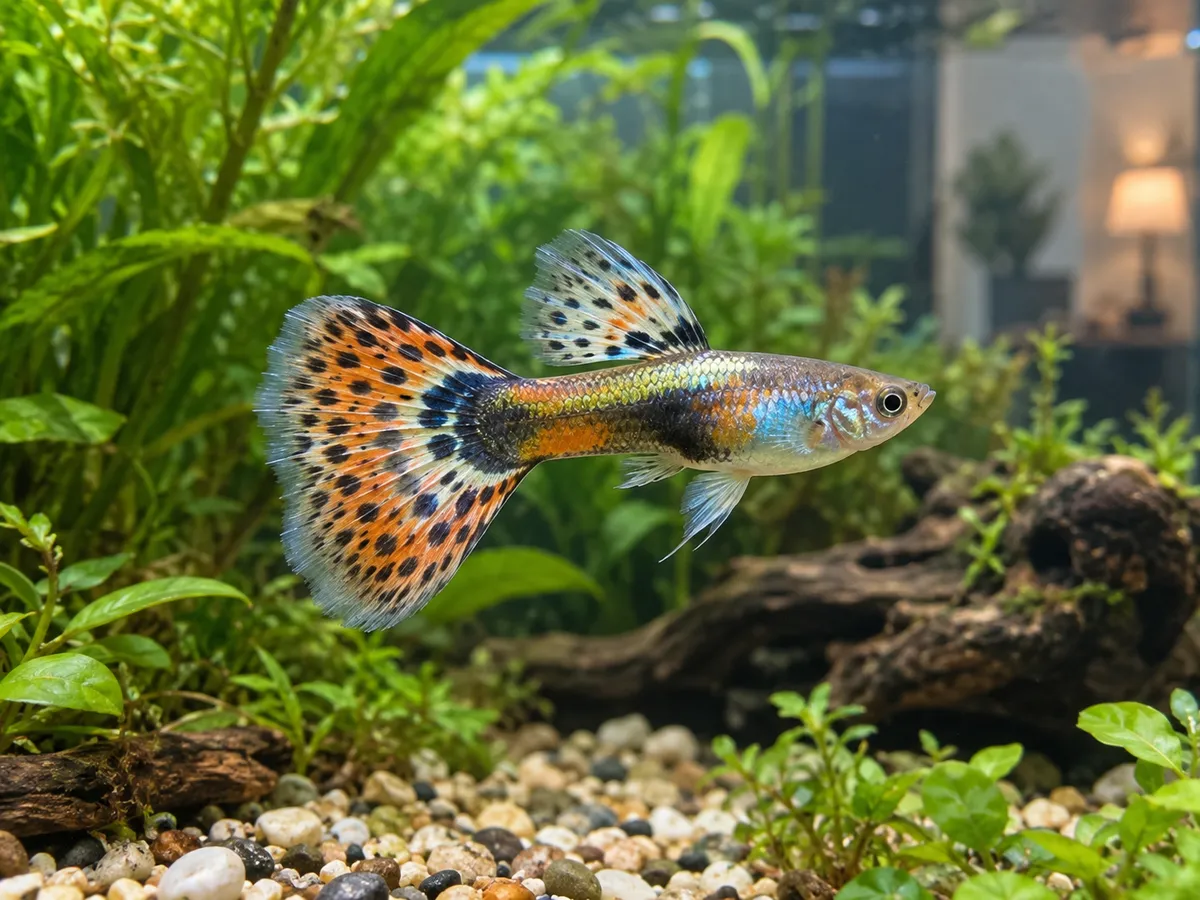 GuppyColorful and lively, guppies are among the best-known aquarium fish. They need a cycled, heated aquarium, a small group of companions and a plan for how quickly they breed.Explore
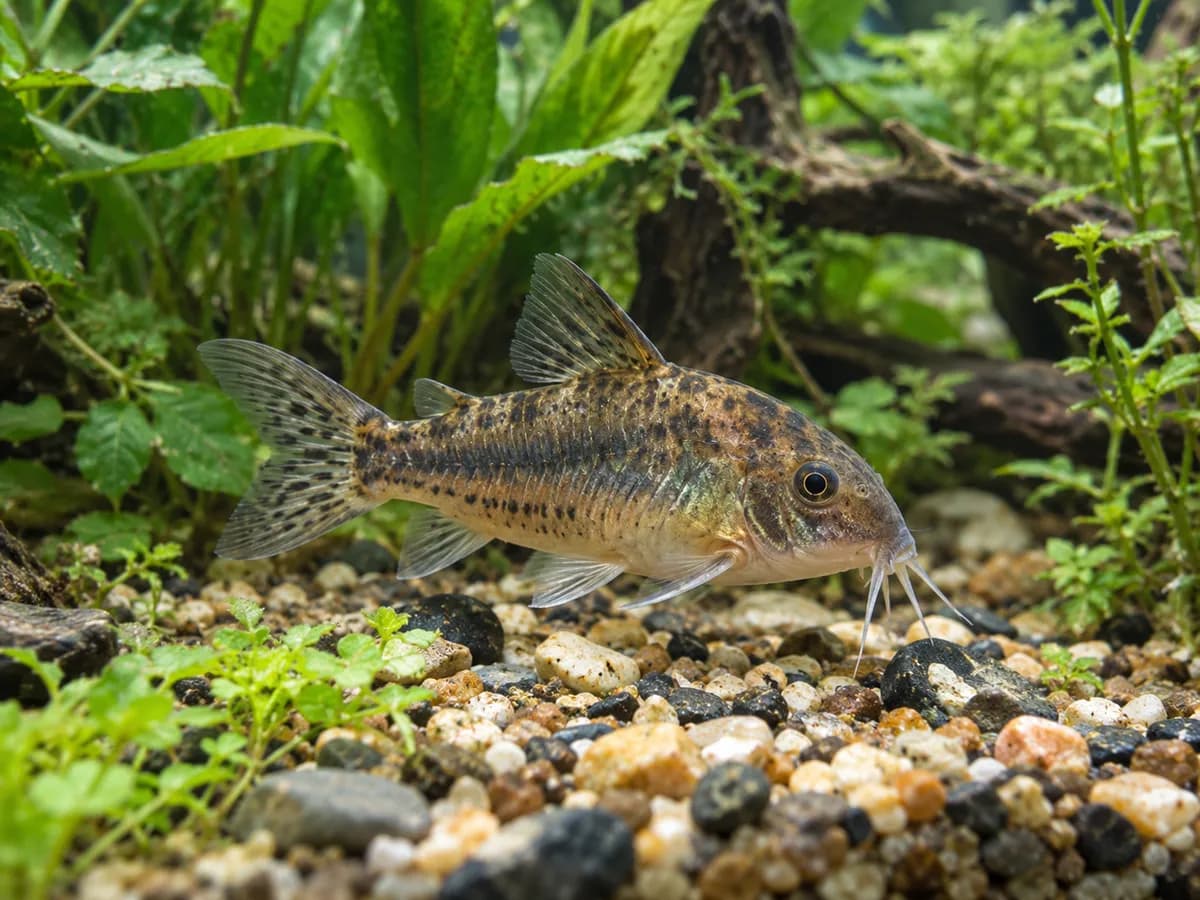 CorydorasAlways foraging along the bottom of the tank, corydoras are charming, peaceful bottom-dwellers. They live in groups and need a soft substrate, clean water and food that reaches the bottom.Explore
Happier together
Create a free profile for your companion.
Enter the date of birth or an estimated age to see its life stage, weight history and matching guides in one place.
- Life-stage tracking
- Weight history
- Guides for its species
- Free account