

Guppies
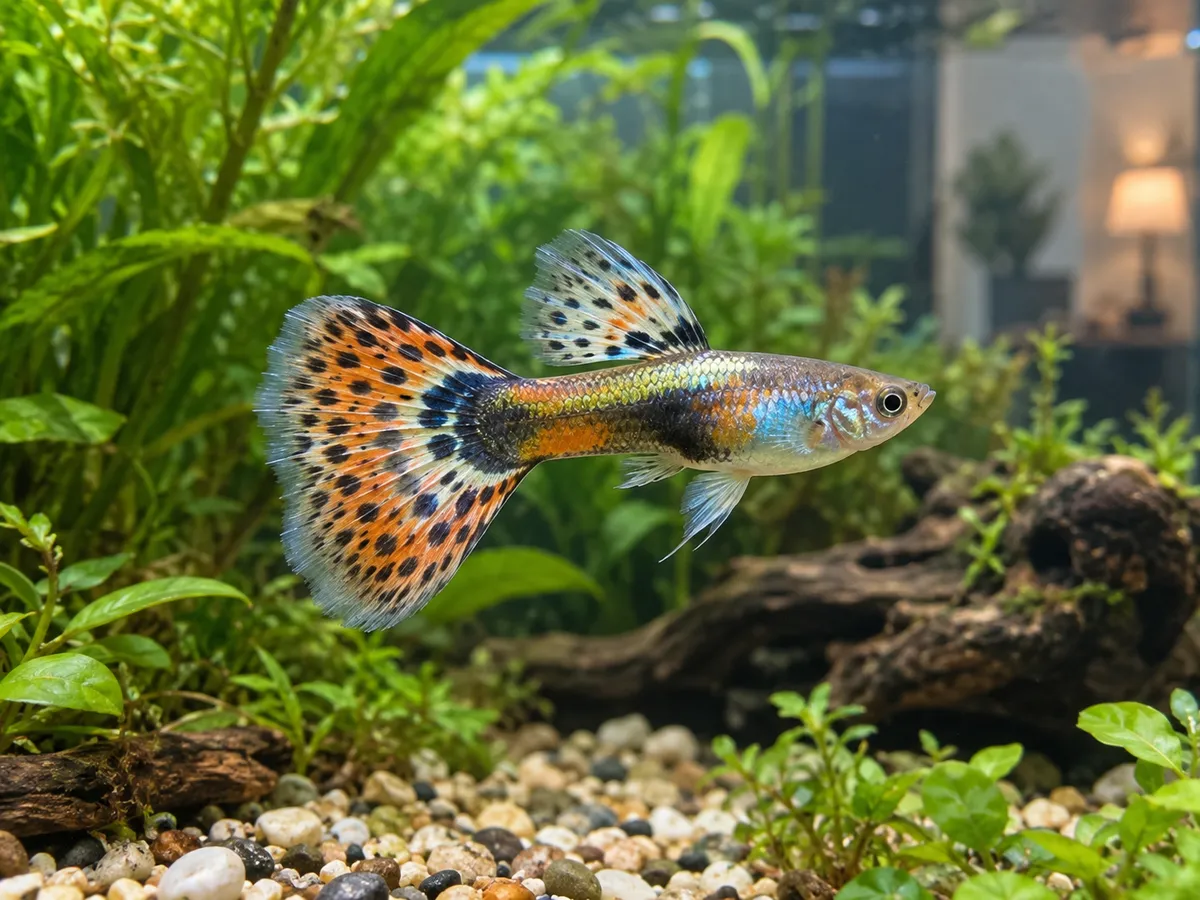
Colorful and lively, guppies are among the best-known aquarium fish. They need a cycled, heated aquarium, a small group of companions and a plan for how quickly they breed.
- Typical lifespan
- 1–3 years
- Social needs
- Should live in a group
- Active hours
- Active by day
- Experience level
- Suitable for beginners
Values are typical ranges and vary with breed, husbandry and the individual animal.
Quick care summary
The care essentials for Guppies.
- Nature and behaviorThey are peaceful, curious and active, swimming in the upper and middle levels of the tank.
- Living spaceEven a small group needs a covered, filtered and heated aquarium of adequate volume.
- Feeding routineGuppies are omnivores.
- Care notesPartial water changes: Make regular, small water changes and dechlorinate new water.
In depth
In short
- Small, peaceful and social fish that are kept in groups.
- They are tropical fish and need a heated, filtered aquarium.
- They give birth to live young and breed very quickly; plan the male–female balance from the start.
- The aquarium must be fully cycled before fish are added.
- Feeding small amounts often helps protect water quality.
Guppies are small fish from the warm fresh waters of northeastern South America and the Caribbean islands. The colorful, flowing fins of the males in particular have made them one of the most familiar aquarium species.
Nature and behavior
They are peaceful, curious and active, swimming in the upper and middle levels of the tank. They do best in groups. Males may chase females constantly, so keepers usually aim for several females per male or choose an all-male group. Long-finned males should not be kept with fin-nipping species.
Living space
Even a small group needs a covered, filtered and heated aquarium of adequate volume. The tank must be fully cycled before fish are added. Live plants support water quality and give fry places to hide. Water temperature is checked with a thermometer.
Feeding routine
Guppies are omnivores. A quality flake or granule food is the base, with suitable frozen or live foods offered from time to time. Feed small amounts once or twice a day, only as much as they finish in a few minutes; leftover food spoils the water.
Care notes
- Partial water changes: Make regular, small water changes and dechlorinate new water.
- Water tests: Track ammonia, nitrite and nitrate with a test kit.
- Breeding: If you don't want fry, consider a single-sex group, and have a plan for any young.
- New fish: Many keepers watch new fish in a separate tank for a while before adding them.
Good to know
The most important points.
- When to contact a vetIf you notice frayed fins, white spots on the body, fish staying at the surface or loss of appetite, check your water values first and talk to a veterinarian experienced with ornamental fish or an experienced aquarist.
Similar animals
Other animals in the same group.
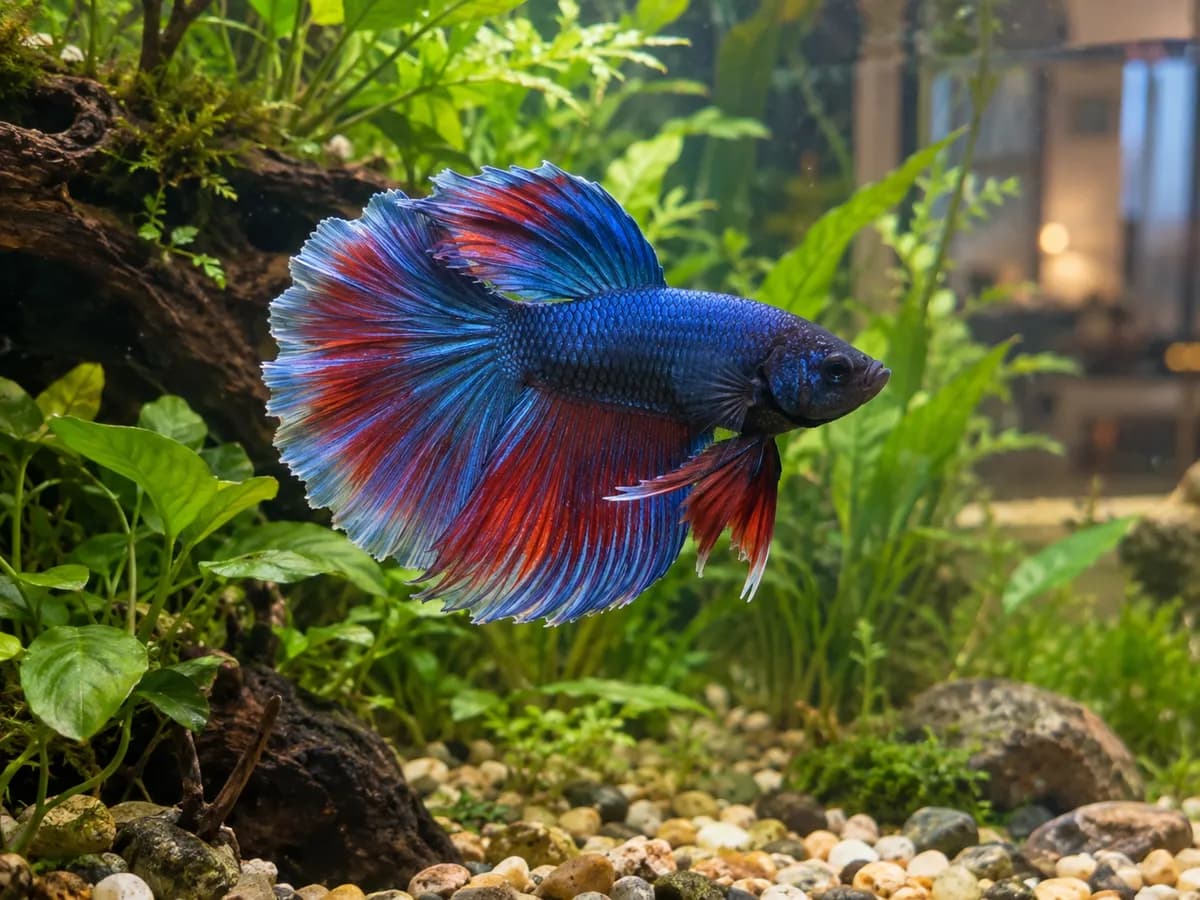 Betta fishWith colorful fins and real personality, betta fish are not simple enough to live in tiny bowls. They are healthier and more active in a heated, filtered and cycled aquarium.Explore
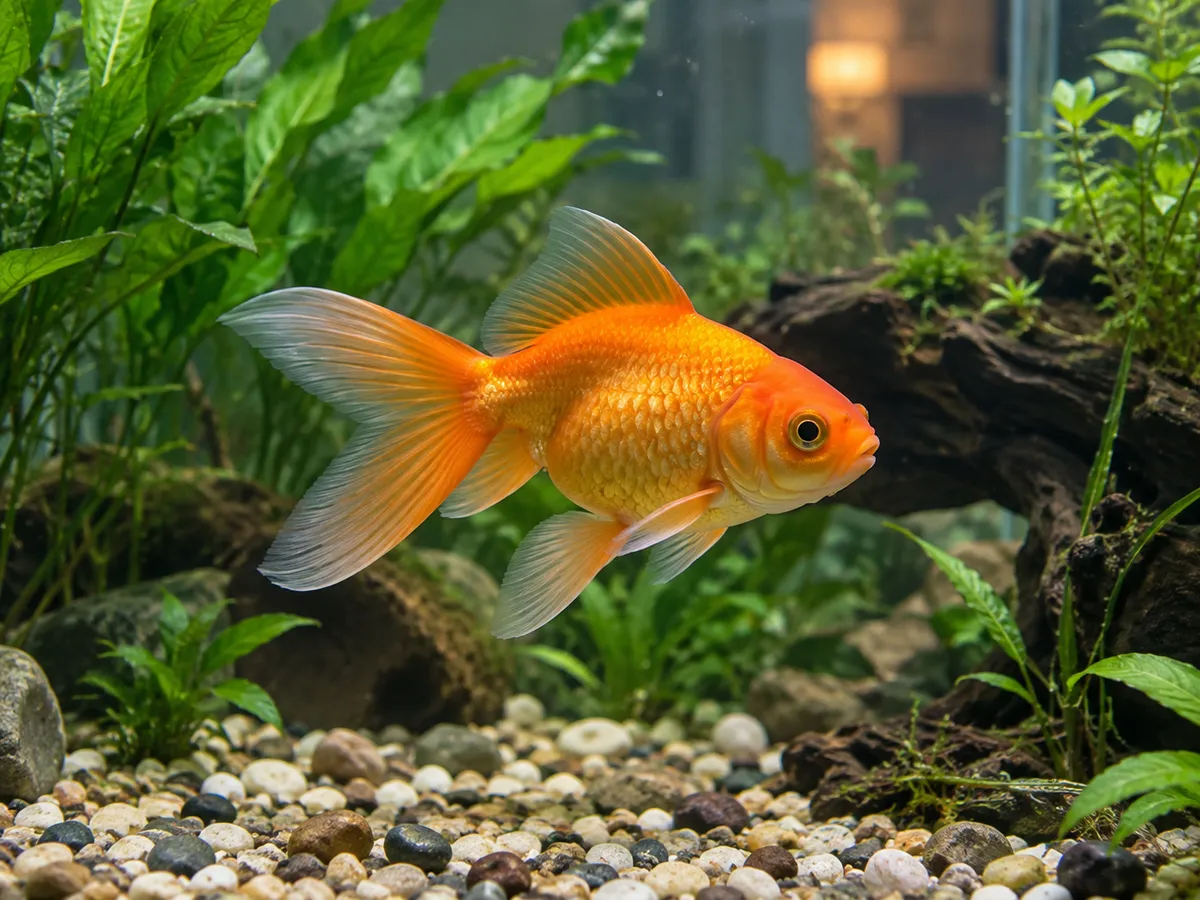 GoldfishGoldfish are not tiny ornaments that live a few months in a bowl: in the right conditions they grow, can live for more than a decade and recognise their owners. Plenty of water, strong filtration and regular water care are their basic needs.Explore
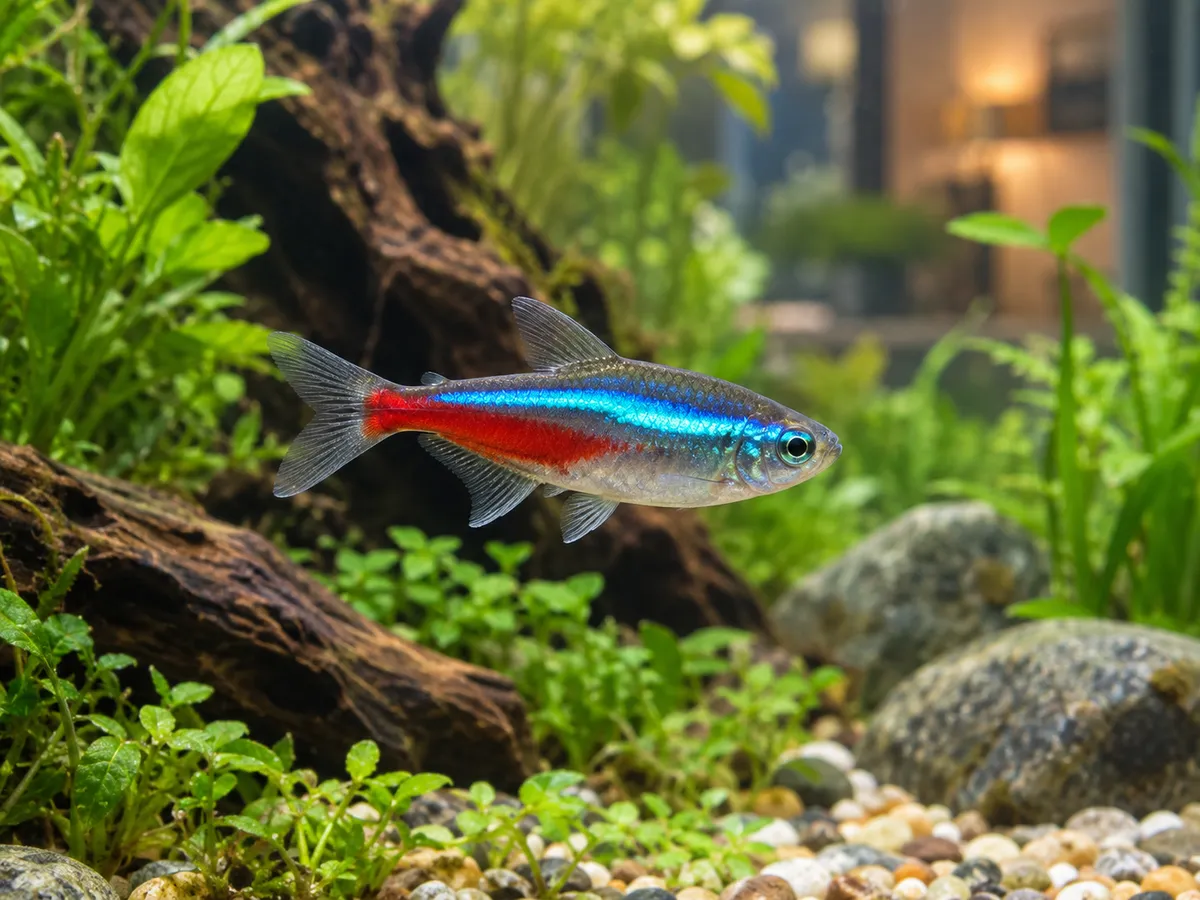 Neon tetraWith their bright blue and red stripes, neon tetras are small, peaceful fish that swim in schools. They need a mature, calm, planted aquarium, a large group and stable water values.Explore
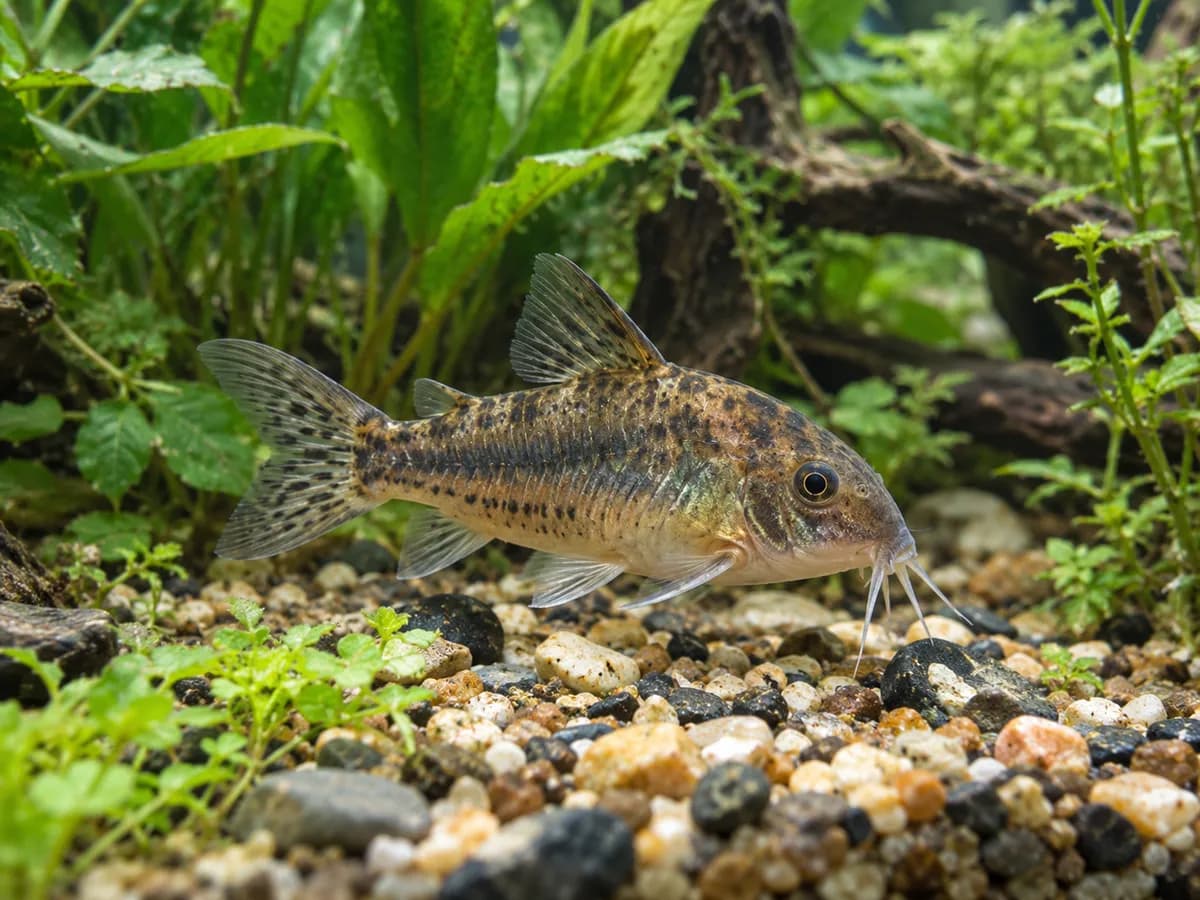 CorydorasAlways foraging along the bottom of the tank, corydoras are charming, peaceful bottom-dwellers. They live in groups and need a soft substrate, clean water and food that reaches the bottom.Explore
Happier together
Create a free profile for your companion.
Enter the date of birth or an estimated age to see its life stage, weight history and matching guides in one place.
- Life-stage tracking
- Weight history
- Guides for its species
- Free account