

Betta fish
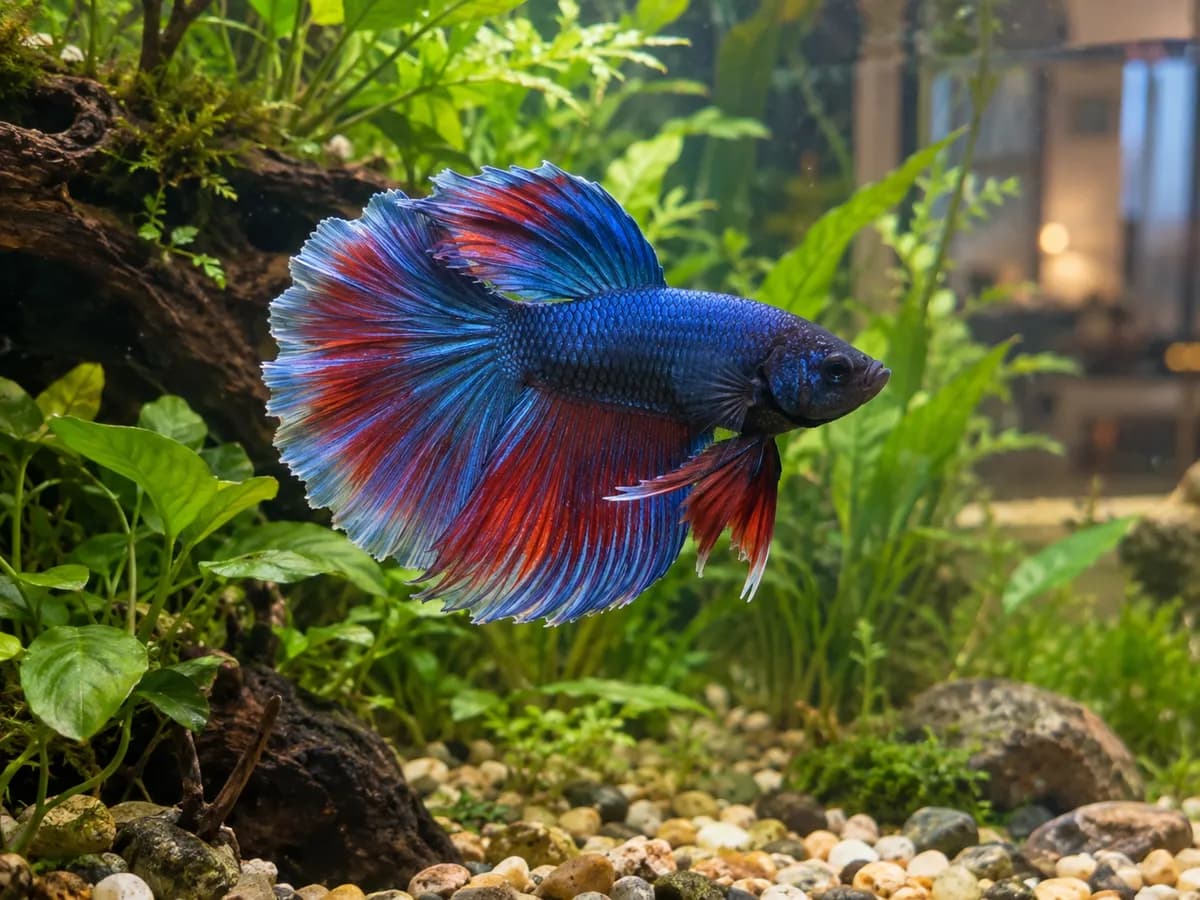
With colorful fins and real personality, betta fish are not simple enough to live in tiny bowls. They are healthier and more active in a heated, filtered and cycled aquarium.
- Typical lifespan
- 3–5 years
- Social needs
- Prefers to live alone
- Active hours
- Active by day
- Experience level
- Suitable for beginners
Values are typical ranges and vary with breed, husbandry and the individual animal.
Quick care summary
The care essentials for Betta fish.
- AquariumA cycled aquarium of around 20 litres or more instead of a small bowl.
- TemperatureA tropical fish: an adjustable heater and a thermometer are essential.
- Gentle flowA filter is needed, but with a gentle flow for the long fins.
- Water careRegular partial water changes and testing the water values.
In depth
In short
- Bettas are tropical fish and need a heater.
- A filtered aquarium of adequate volume is recommended instead of bowls or very small containers.
- The aquarium should be "cycled" before adding fish.
- Male bettas must not be kept together in the same tank.
- Overfeeding quickly spoils water quality; feed small amounts regularly.
Betta fish (Betta splendens) come from the shallow, densely planted and warm waters of Southeast Asia. They have a special organ that lets them breathe air from the surface, which has led to the myth that they can live in small containers. In fact, bettas become far more active and colorful in a well-set-up aquarium.
Setting up the aquarium
- Volume: In small containers, water quality and temperature change quickly. Many sources recommend around 20 litres as a minimum for one betta; larger tanks are more stable.
- Heater: Bettas are tropical fish and need warm, stable water. Use an adjustable heater and a thermometer.
- Filter: A filter is essential for water quality, but long-finned bettas are bothered by strong currents. Choose a filter with a gentle flow.
- Plants and hiding places: Live or soft artificial plants, resting leaves near the surface and hiding spots help a betta feel at ease. Decorations with sharp edges can damage fins.
- Lid: Bettas can jump; cover the tank but leave an air gap at the surface.
What is cycling?
In a new aquarium it takes time for beneficial bacteria to grow that turn fish waste into less harmful substances. This process is called "cycling" and usually takes several weeks. Cycling the tank and testing the water with a test kit before adding the fish is one of the most important steps for its health.
Feeding routine
Bettas are carnivorous fish. Good-quality pellets or granules made for bettas can be the staple, with variety from suitable frozen foods from time to time. Overfeeding quickly ruins water quality because of leftover food: give portions small enough for your fish to eat in a few minutes.
Water care
Regular partial water changes (for example, weekly) maintain water quality. Treat new water with a dechlorinator and bring its temperature close to the tank water. Rinse filter media in tank water rather than tap water to protect the beneficial bacteria.
Frequently asked questions
Can a betta live in a bowl?
It may survive, but a larger aquarium with a heater and filter is far better for a healthy, active life.
Why does my betta build a bubble nest?
Male bettas building a nest of bubbles at the surface is natural behavior and is usually a sign that they feel comfortable.
How often should I feed my betta?
Most sources recommend one or two small meals a day. Feeding little and regularly is always safer than feeding too much.
Good to know
The most important points.
- Keep male bettas apartMale bettas are aggressive towards each other and must not share a tank. Keeping them with other fish depends on species compatibility; research carefully first.
- When to contact a vetIf you notice a change in fins, color, swimming or appetite, first test the water and then consult a veterinarian or specialist experienced with ornamental fish.
Life stages
Approximate age ranges for Betta fish and the priorities of each stage.


Similar animals
Other animals in the same group.
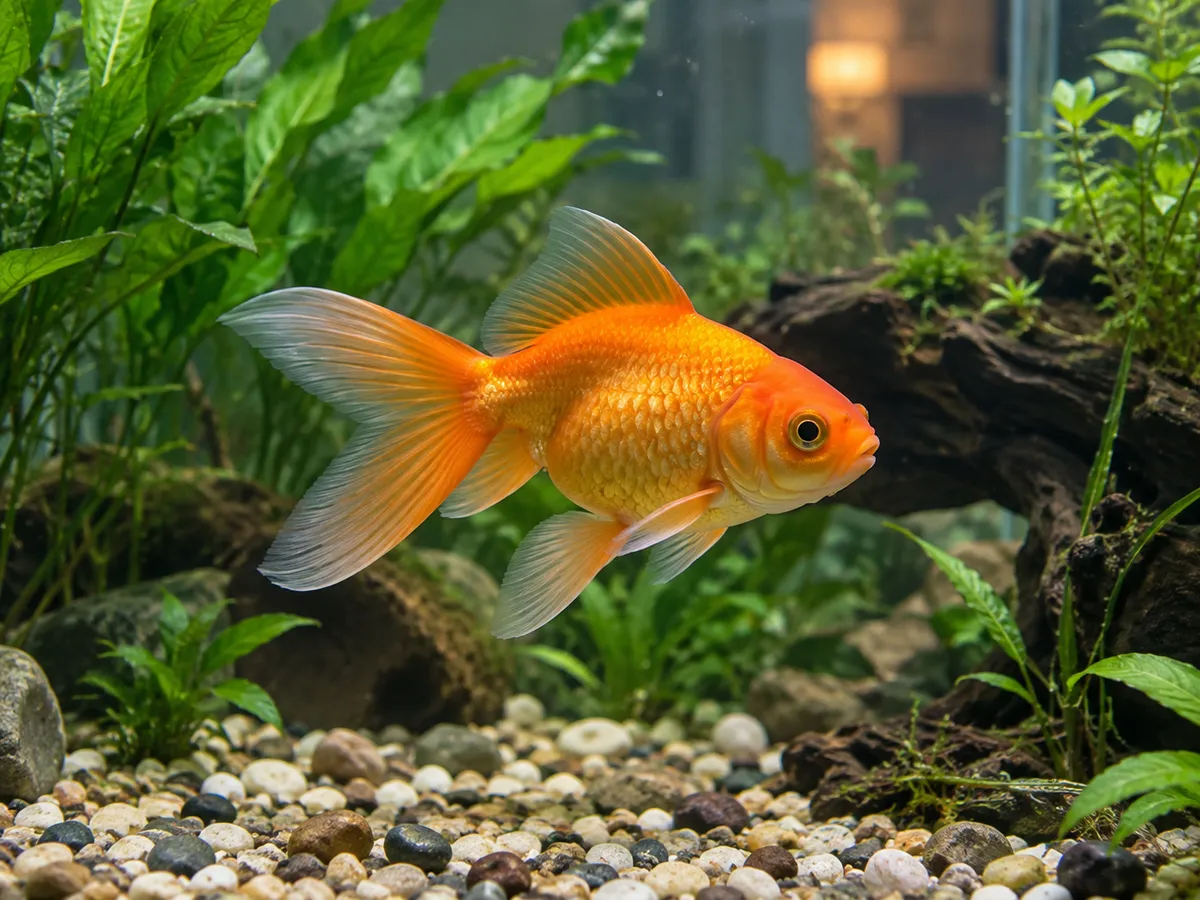 GoldfishGoldfish are not tiny ornaments that live a few months in a bowl: in the right conditions they grow, can live for more than a decade and recognise their owners. Plenty of water, strong filtration and regular water care are their basic needs.Explore
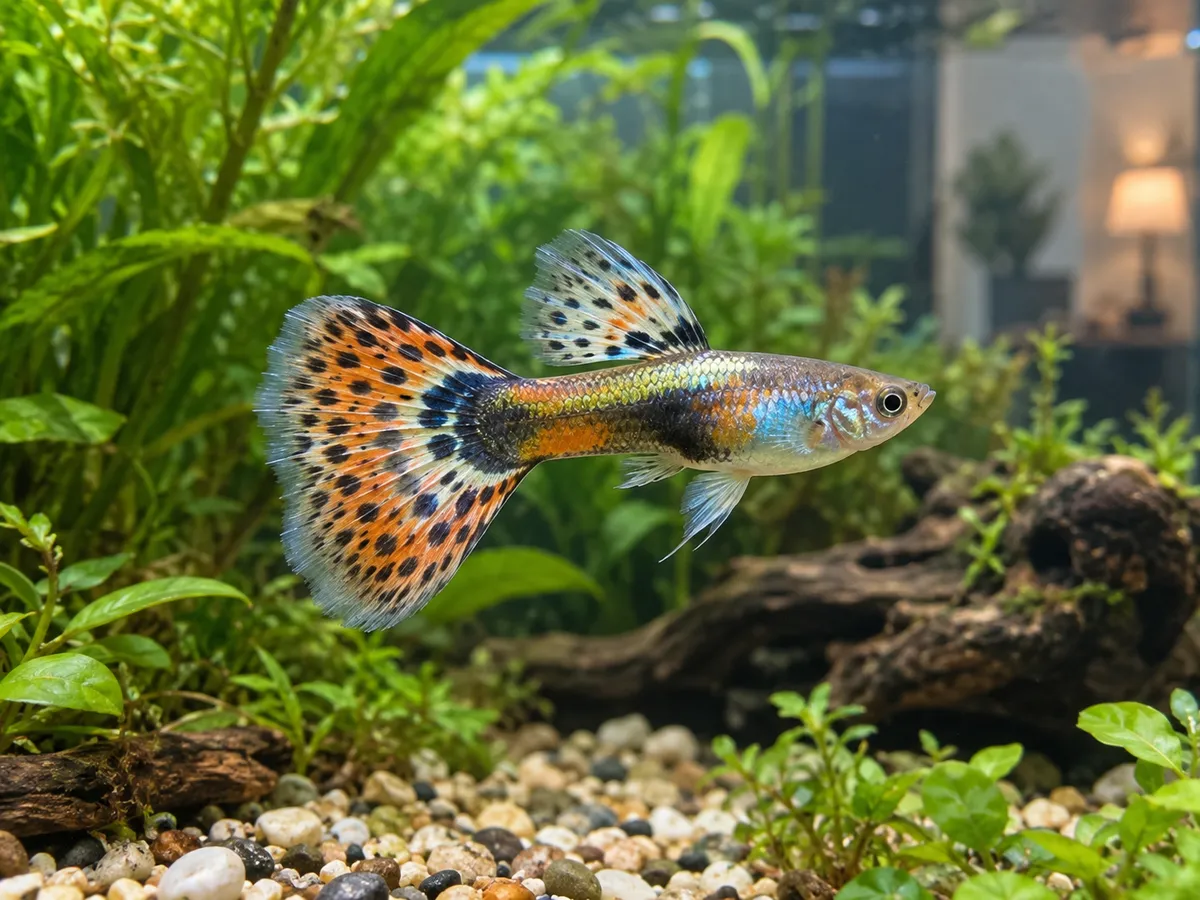 GuppyColorful and lively, guppies are among the best-known aquarium fish. They need a cycled, heated aquarium, a small group of companions and a plan for how quickly they breed.Explore
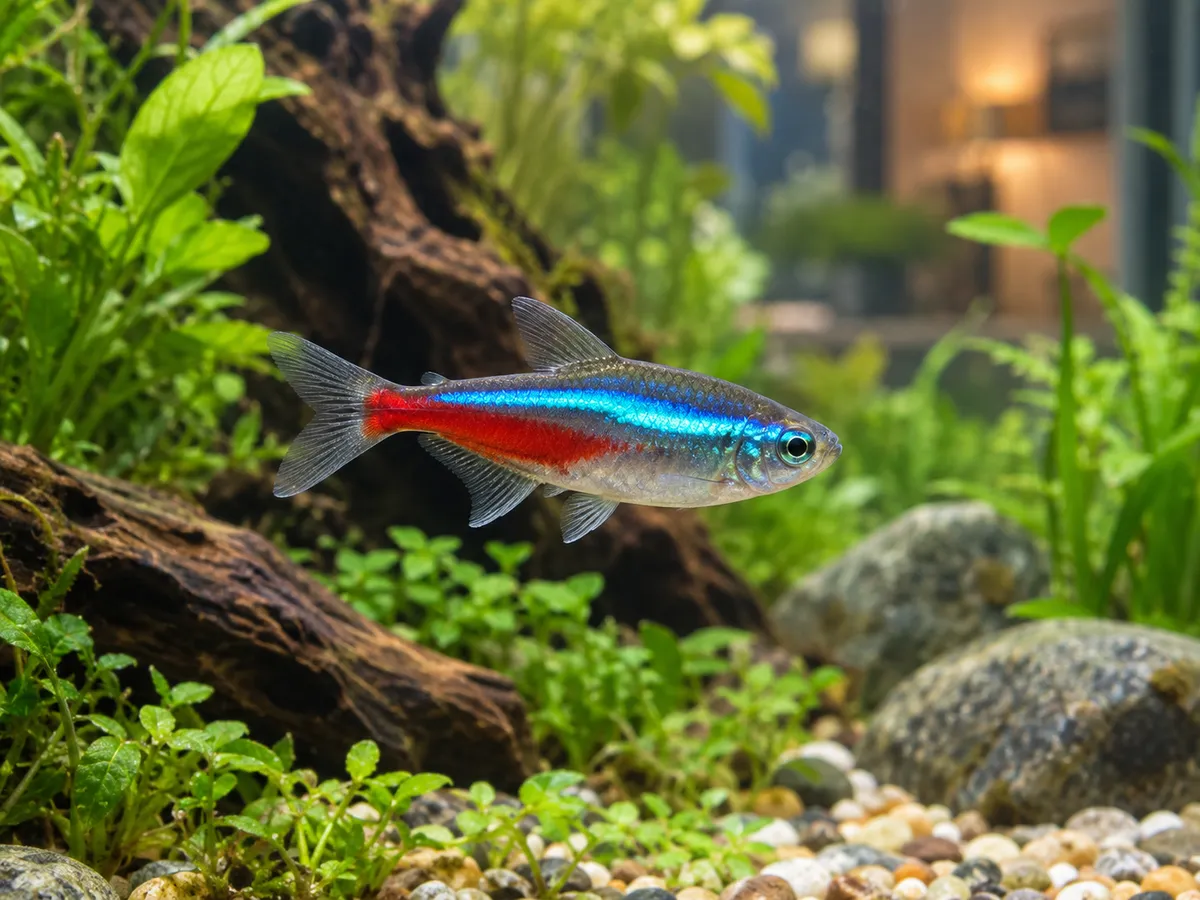 Neon tetraWith their bright blue and red stripes, neon tetras are small, peaceful fish that swim in schools. They need a mature, calm, planted aquarium, a large group and stable water values.Explore
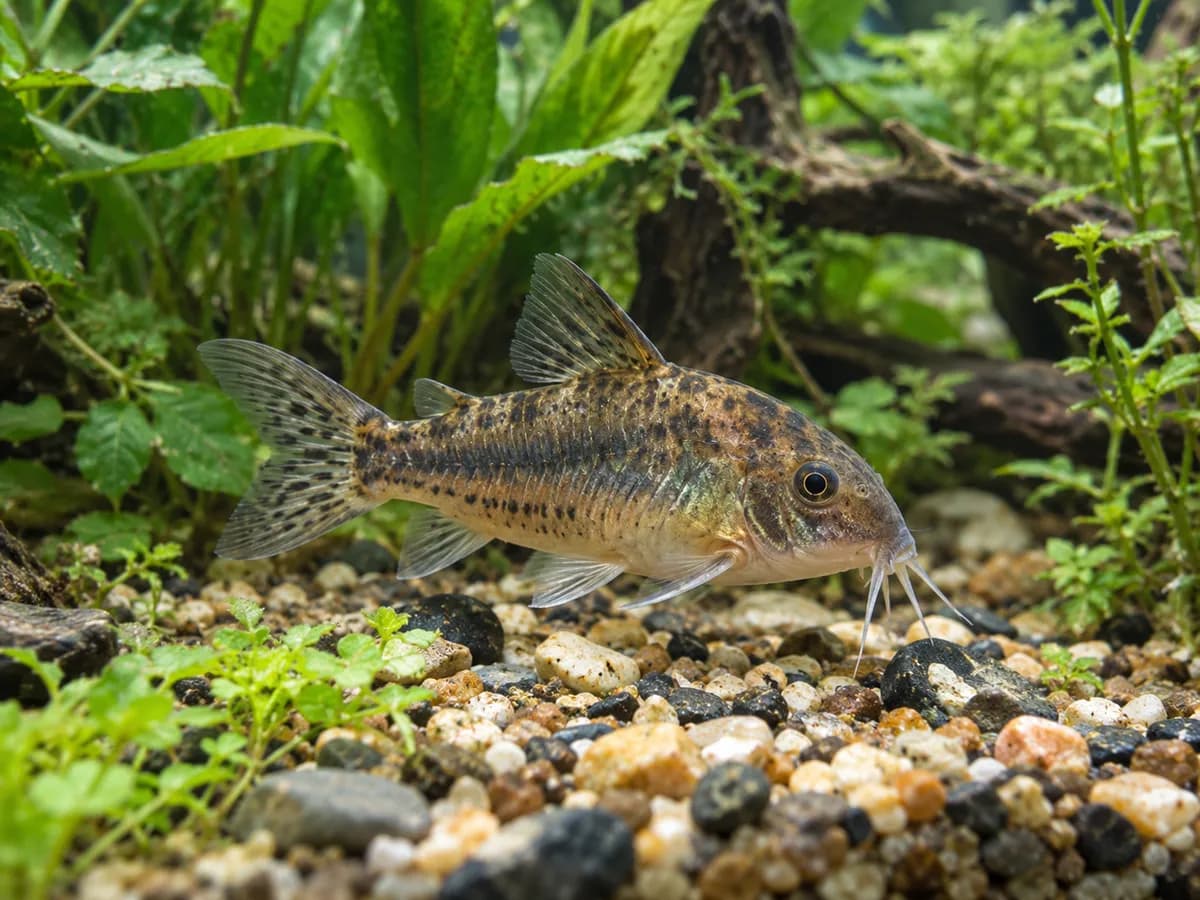 CorydorasAlways foraging along the bottom of the tank, corydoras are charming, peaceful bottom-dwellers. They live in groups and need a soft substrate, clean water and food that reaches the bottom.Explore
Happier together
Create a free profile for your companion.
Enter the date of birth or an estimated age to see its life stage, weight history and matching guides in one place.
- Life-stage tracking
- Weight history
- Guides for its species
- Free account