

Giant pandas
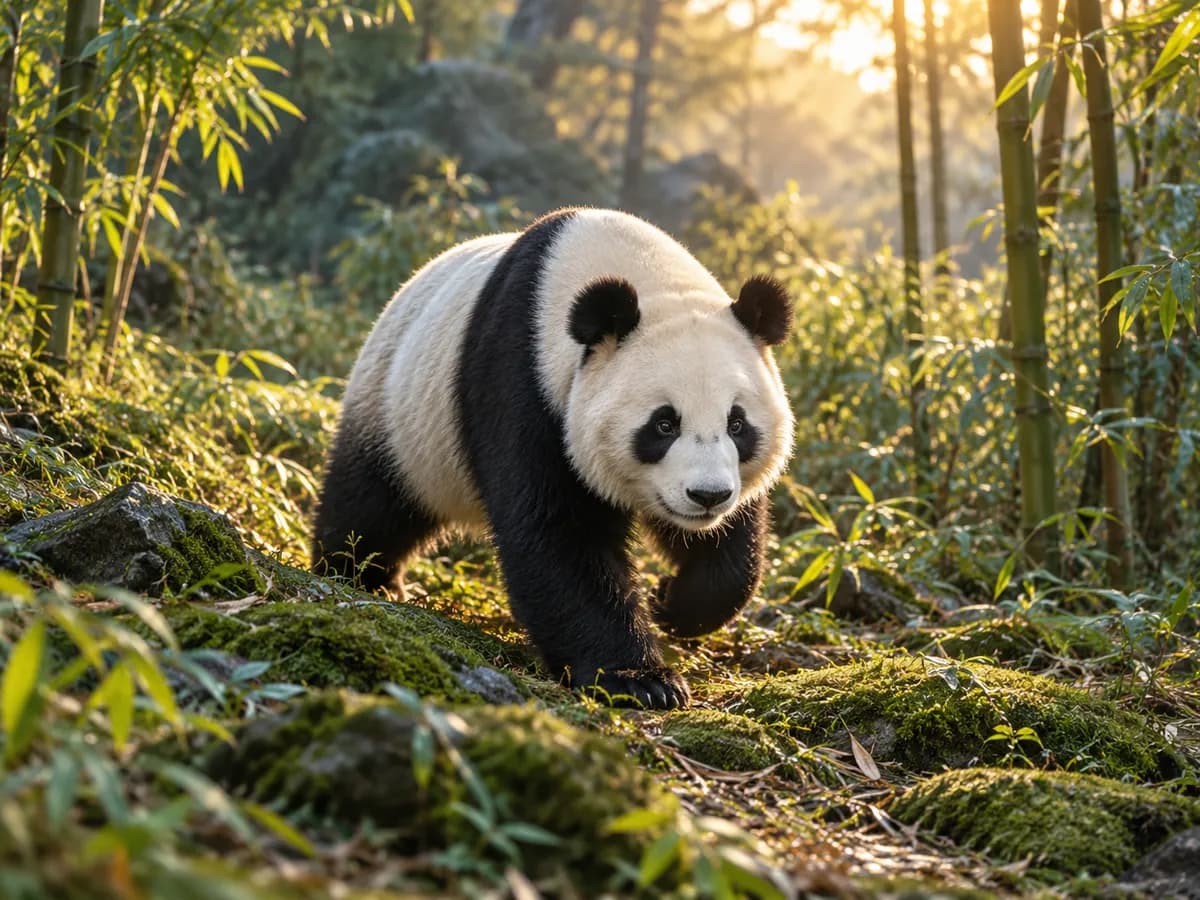
With its black-and-white coat, the giant panda is one of the world's best-loved animals — a bear that lives almost entirely on bamboo. Thanks to conservation success, it is no longer classed as Endangered.
- Length
- 1.2–1.8 m
- Weight
- 70–125 kg
- Lifespan in the wild
- 15–20 years
- Conservation status (IUCN)
- Vulnerable (VU)
Figures are approximate for adults and vary by sex, subspecies and population.
At a glance
The key facts about Giant pandas.
- Where does it live?Giant pandas live only in the mountains of central China, mainly in the cool, damp bamboo forests of Sichuan, Shaanxi and Gansu provinces.
- What does it eat?Bamboo stems, leaves and shoots make up most of its diet.
- Behaviour and social lifePandas usually live alone.
- CubsA female usually has a single cub.
In depth
In short
- The giant panda is a bear that lives in China's mountain bamboo forests.
- Bamboo makes up most of its diet.
- It grips bamboo with an enlarged wrist bone known as a "pseudo-thumb".
- Cubs are extremely small at birth.
- In 2016 the IUCN moved the panda from Endangered to Vulnerable.
The giant panda (Ailuropoda melanoleuca) is a bear known for its black-and-white coat. Although it belongs to the order Carnivora, its diet is almost entirely plant-based. Despite the similar name, the red panda is not a close relative.
Where does it live?
Giant pandas live only in the mountains of central China, mainly in the cool, damp bamboo forests of Sichuan, Shaanxi and Gansu provinces.
What does it eat?
Bamboo stems, leaves and shoots make up most of its diet. Because bamboo is low in nutrients, pandas spend a large part of the day eating. Occasionally they also eat small animals or other plants.
Behaviour and social life
Pandas usually live alone. They mark their territories with scent and rarely meet outside the breeding season. To save energy they move slowly and rest often. They are good climbers.
Cubs
A female usually has a single cub. A newborn panda weighs about a thousandth of its mother's weight and is pink, almost hairless and blind at birth. The cub stays with its mother for about 1.5–2 years.
Conservation status
In 2016 the IUCN moved the giant panda from Endangered to Vulnerable (VU). This improvement came from nature reserves and forest protection in China. Fragmented habitat and the risk that climate change will affect bamboo forests remain important threats.
Fun facts
- A panda's "pseudo-thumb" is actually an enlarged wrist bone.
- Because their digestive system resembles a carnivore's, they digest only a small part of the bamboo they eat.
- Pandas do not hibernate; in cold weather they may move to lower, warmer areas.
Similar animals
Other animals in the same group.
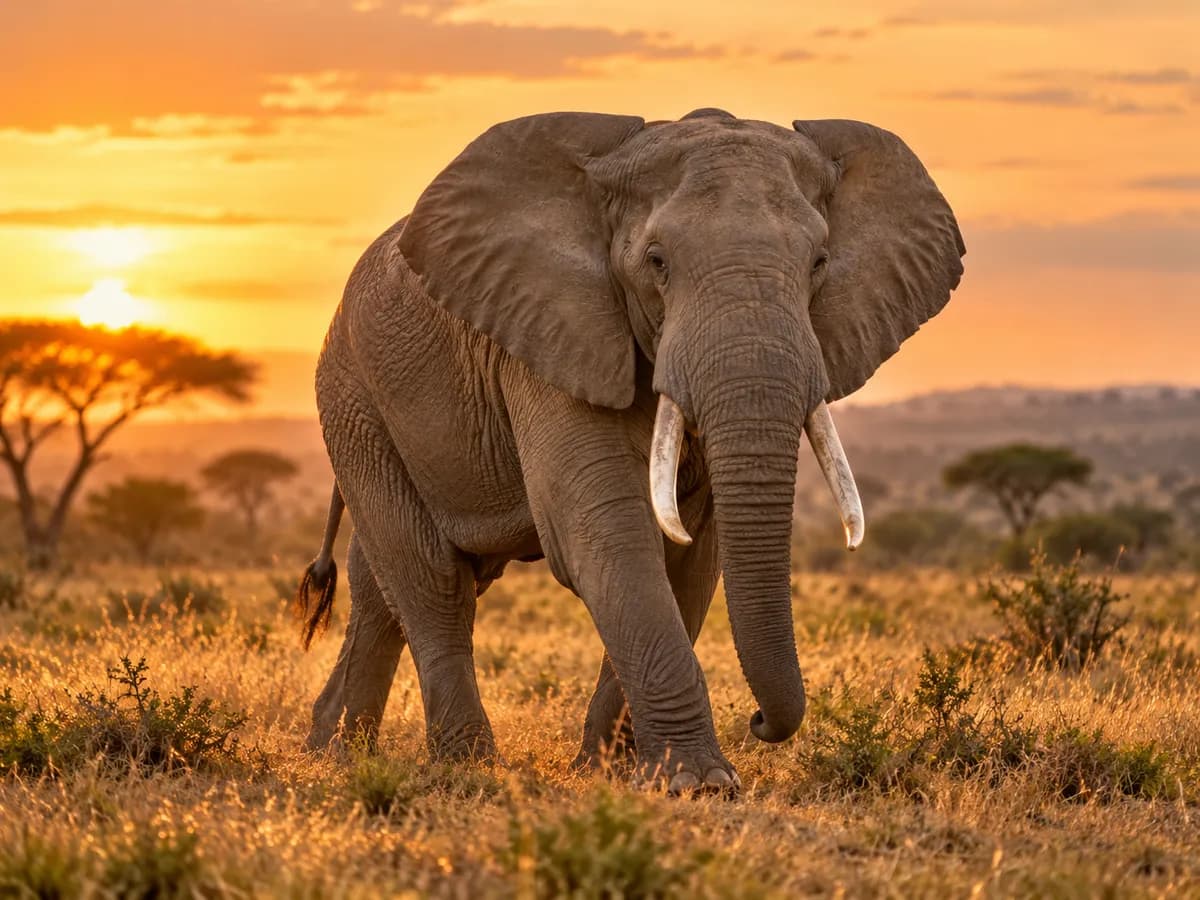 African elephantThe largest land animal, the African elephant is known for its powerful trunk, huge ears and complex family bonds. Elephants are "engineers" that shape the ecosystems they live in.Explore
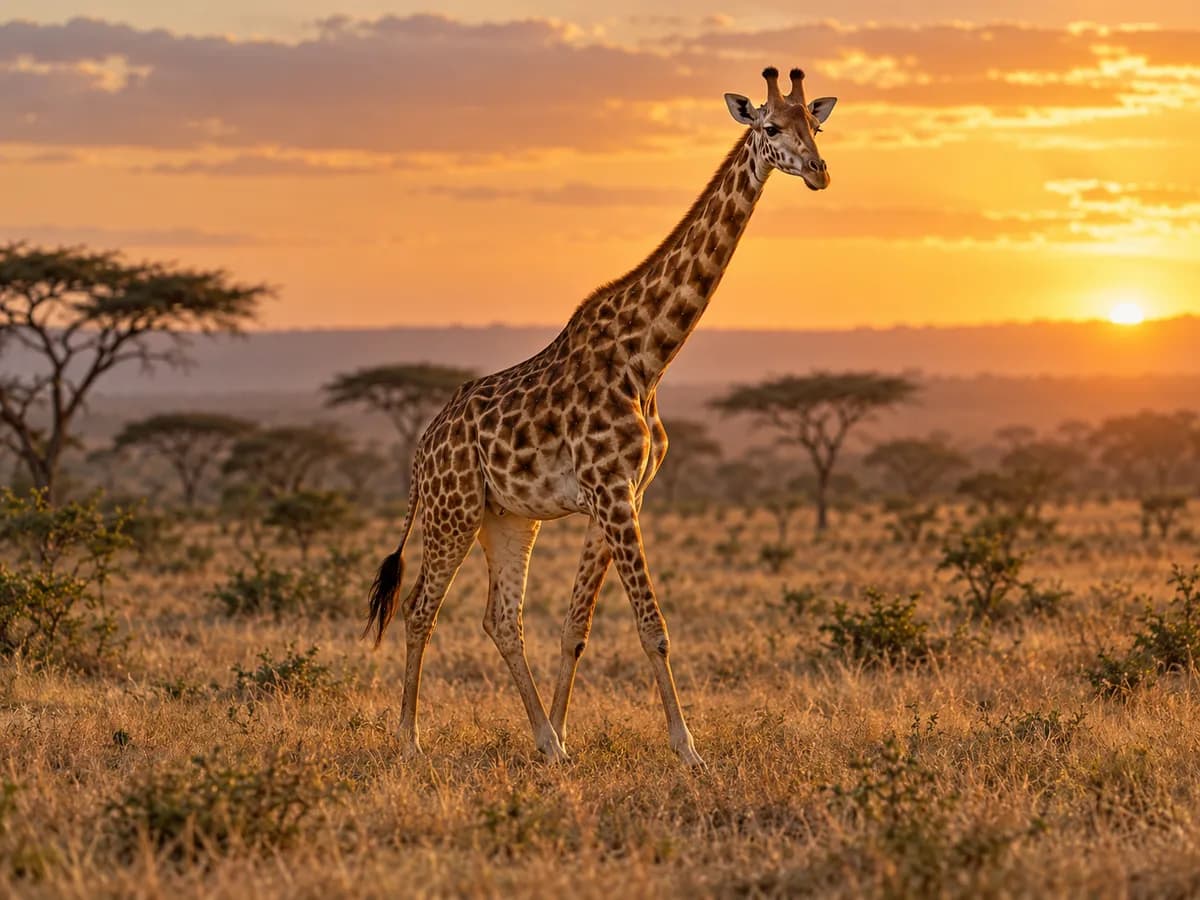 GiraffeThe tallest animal on Earth, the giraffe uses its long neck to reach leaves other herbivores cannot. These gentle giants of the African savanna are far more social than they seem.Explore
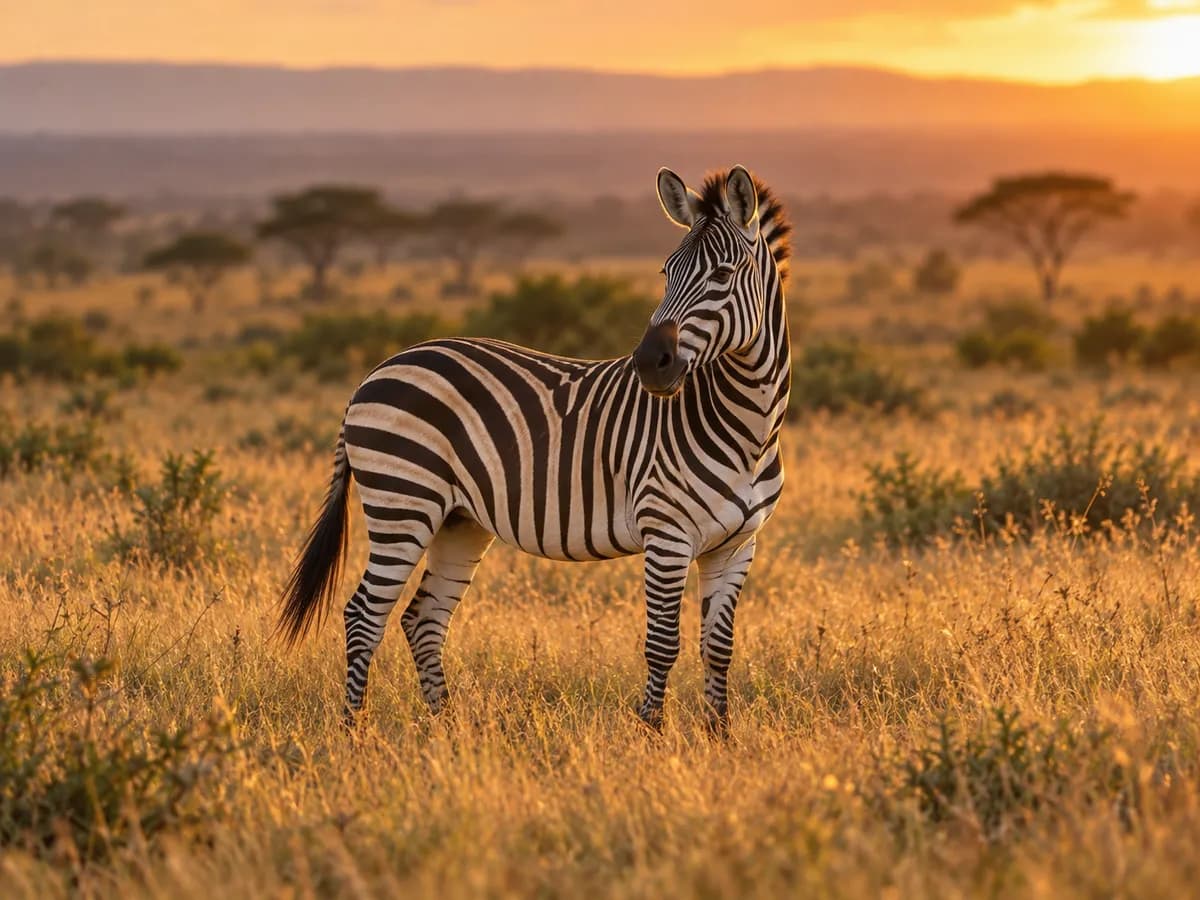 ZebraWith its black-and-white stripes, the plains zebra is one of the savanna's best-known animals and lives in large herds. Every zebra's stripe pattern is unique.Explore
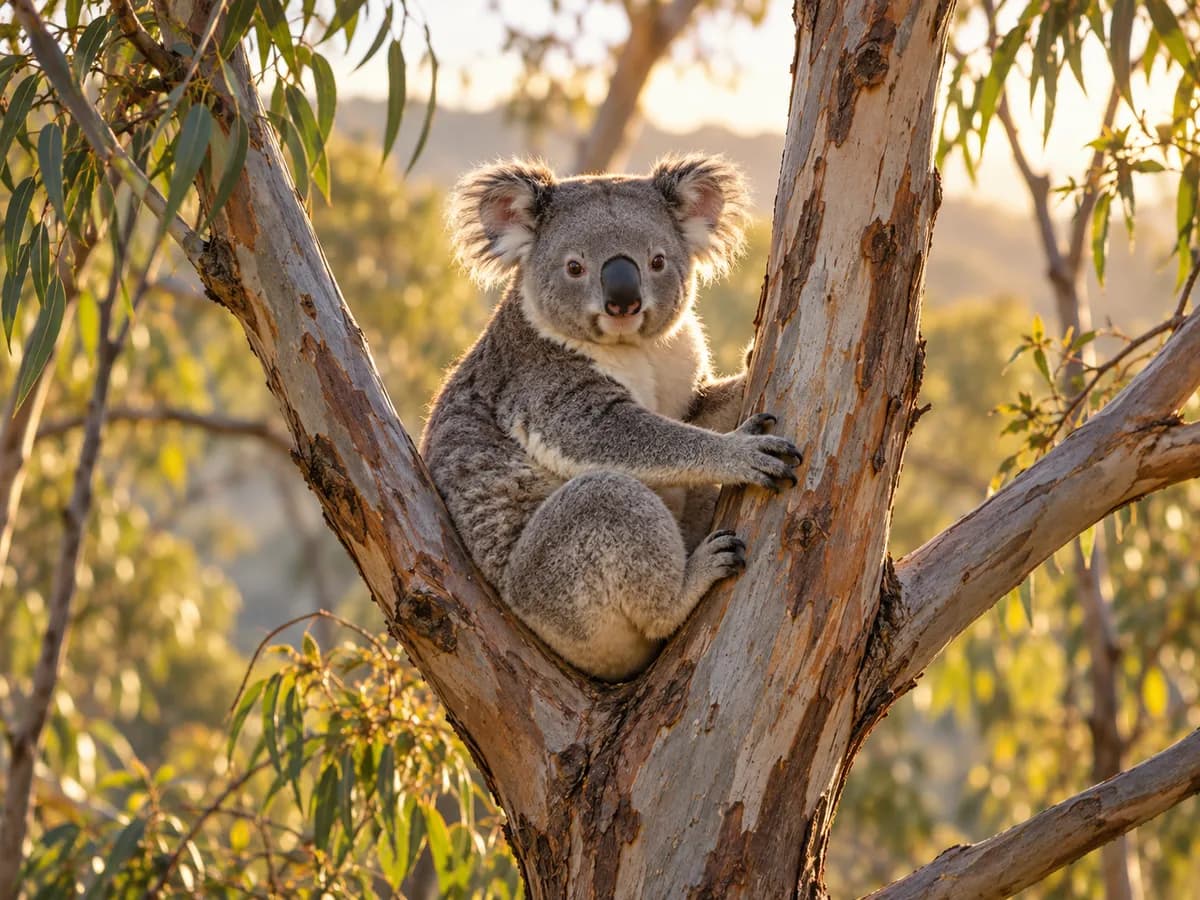 KoalaThe koala, which spends much of the day sleeping in eucalyptus trees, is a marsupial found only in Australia. Although often called a "bear", it is not related to bears.Explore
Respect for nature, stronger tomorrows
Protecting wildlife is everyone's responsibility.
If you find an injured or young wild animal, don't touch it; inform your local wildlife authority. More knowledge, more awareness.
- Respect natural habitats
- Watch wild animals from afar
- Leave no litter in nature
- Support a sustainable future