

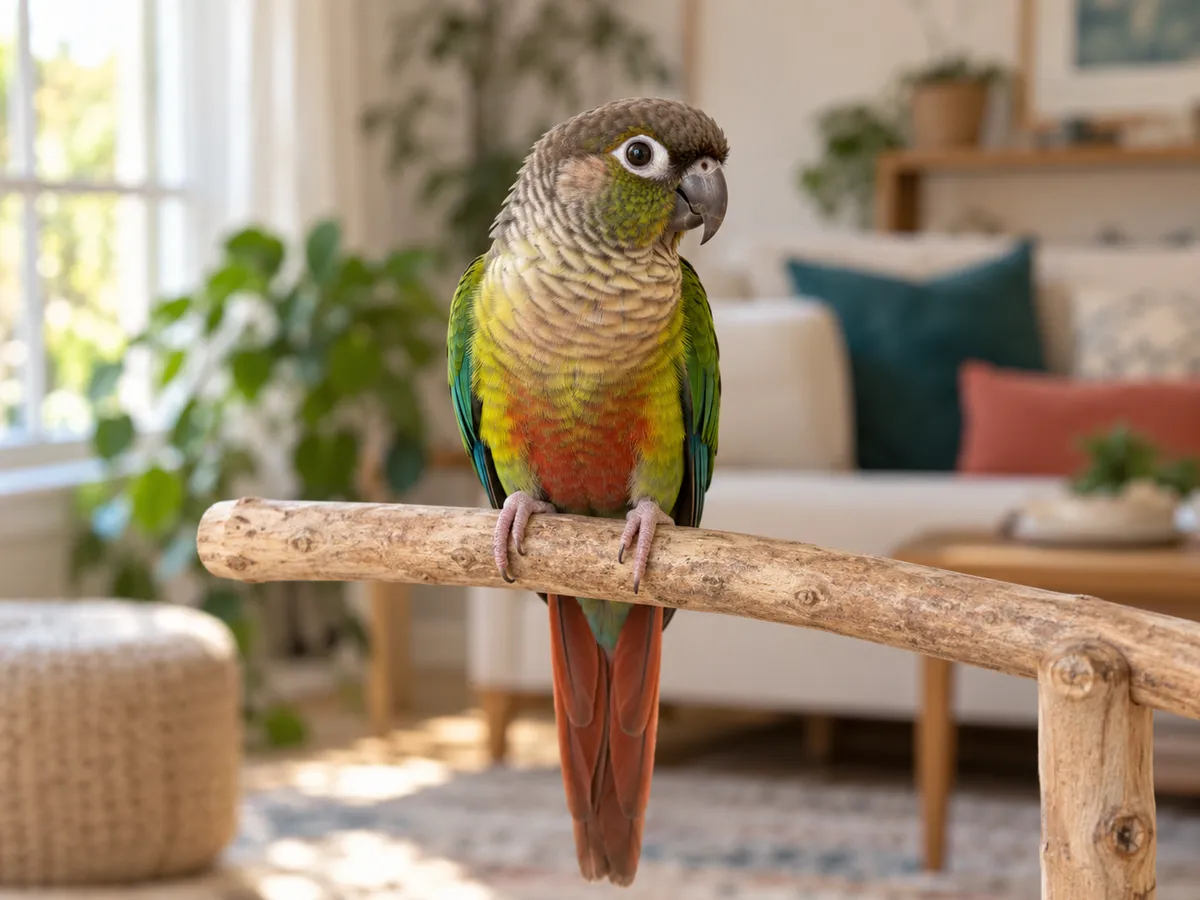
- Typical lifespan
- 15–30 years
- Social needs
- Should live with at least one companion of its kind
- Active hours
- Active by day
- Experience level
- Needs some experience
Values are typical ranges and vary with breed, husbandry and the individual animal.
Quick care summary
The care essentials for Conures.
- Nature and behaviorPlayful, curious and affectionate, they love sitting on a shoulder, playing and following their owners around.
- Living spaceThey need a large cage, a variety of perches, swings and plenty of chew toys.
- Feeding routineA good-quality pellet or seed mix, supplemented every day with fresh vegetables and suitable fruits.
- Care notesMake time every day for training and play; they respond well to reward-based training.
In depth
In short
- Conures are very social and need long interaction every day.
- They are loud birds, which is worth considering before adopting.
- They love to chew and play.
- Depending on species and care, they can live 15–30 years.
- They need safe time out of the cage every day.
Conures are medium-sized parrots from Central and South America, with several species. The sun conure and the green-cheeked conure are among the best known.
Nature and behavior
Playful, curious and affectionate, they love sitting on a shoulder, playing and following their owners around. Some species can be quite loud. They can get bored without enough attention.
Living space
They need a large cage, a variety of perches, swings and plenty of chew toys. Supervised time out of the cage in a safe room every day, and a play stand, help a lot.
Feeding routine
A good-quality pellet or seed mix, supplemented every day with fresh vegetables and suitable fruits. Provide clean water and the chance to bathe.
Care notes
- Make time every day for training and play; they respond well to reward-based training.
- Keep interest fresh by rotating toys regularly.
Good to know
The most important points.
- When to contact a vetIf you notice changes in appetite, activity, feathers or behavior, contact a veterinarian experienced with birds.
Similar animals
Other animals in the same group.
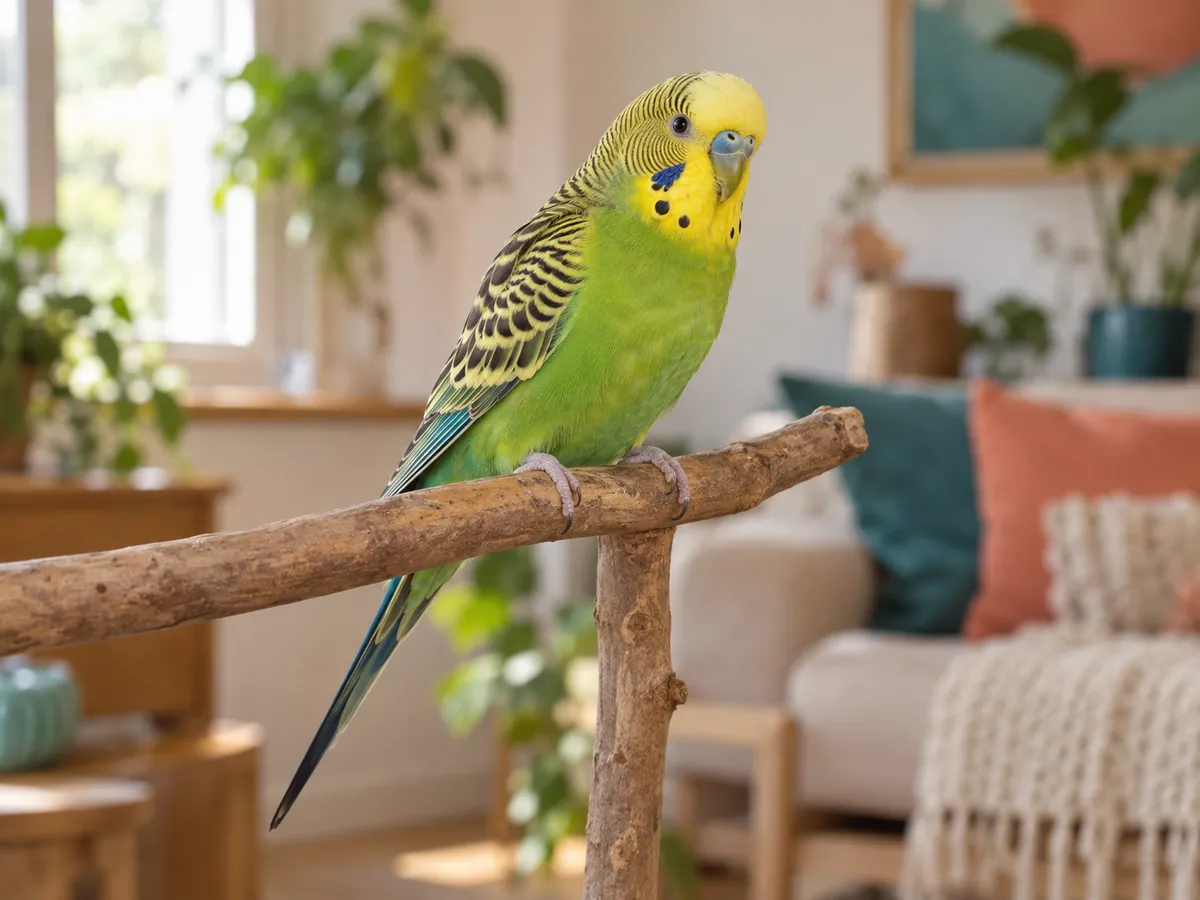 BudgerigarCheerful, chatty and wired to live in a flock, budgies are at their best with a companion, safe daily flight and a varied diet.Explore
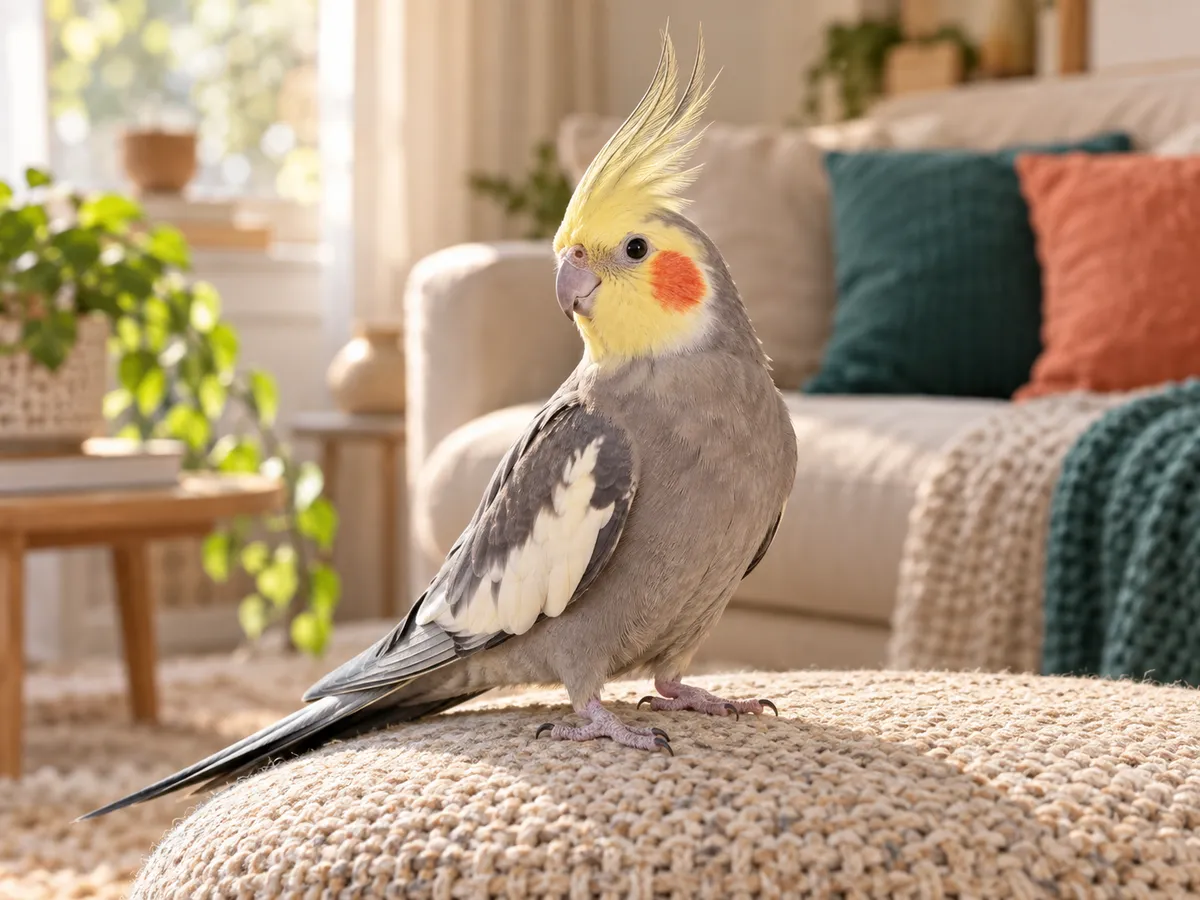 CockatielCockatiels show their feelings with their crests, love to whistle and bond closely with their people. These long-lived companions need social time, safe flight and a calm night routine.Explore
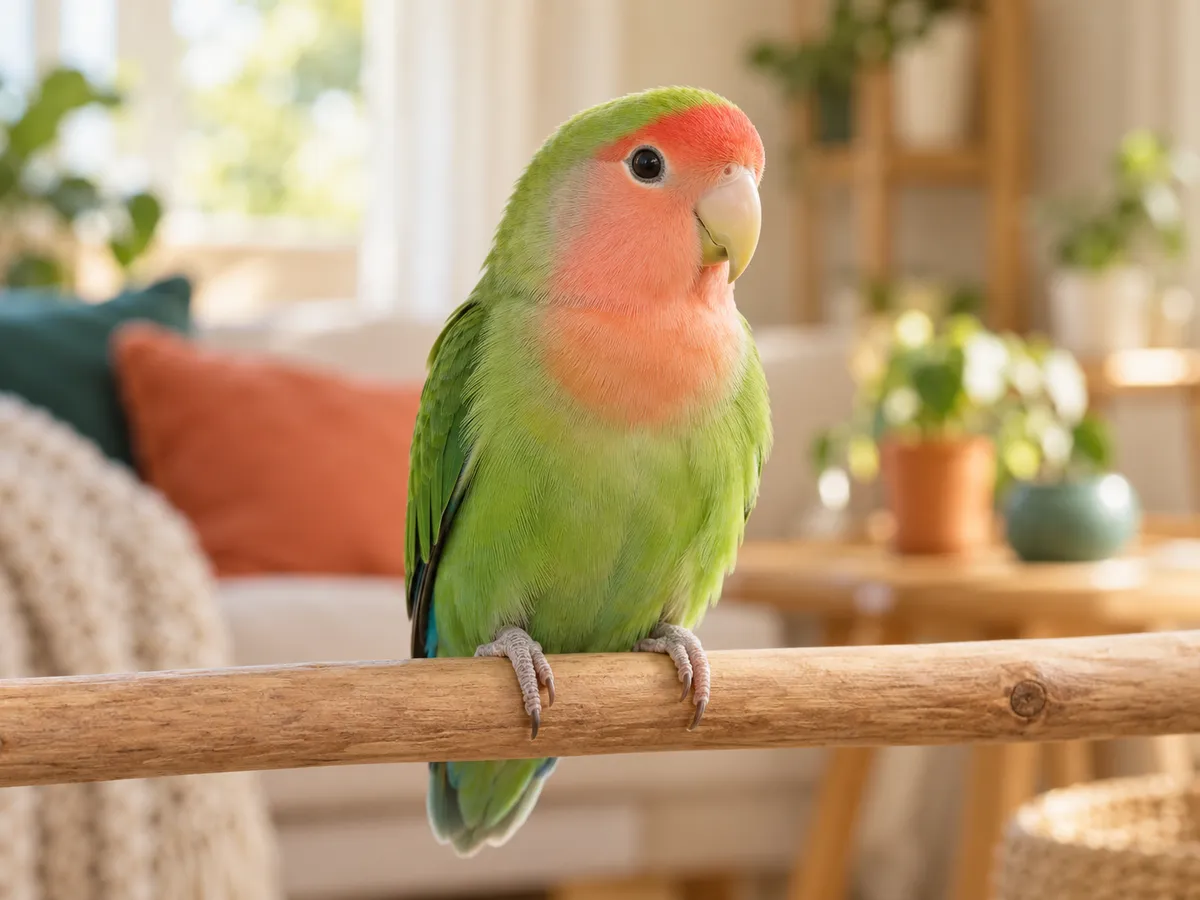 LovebirdSmall but bold, colourful and energetic, lovebirds (Agapornis) are deeply attached to their partners and people and need plenty of play and activity.Explore
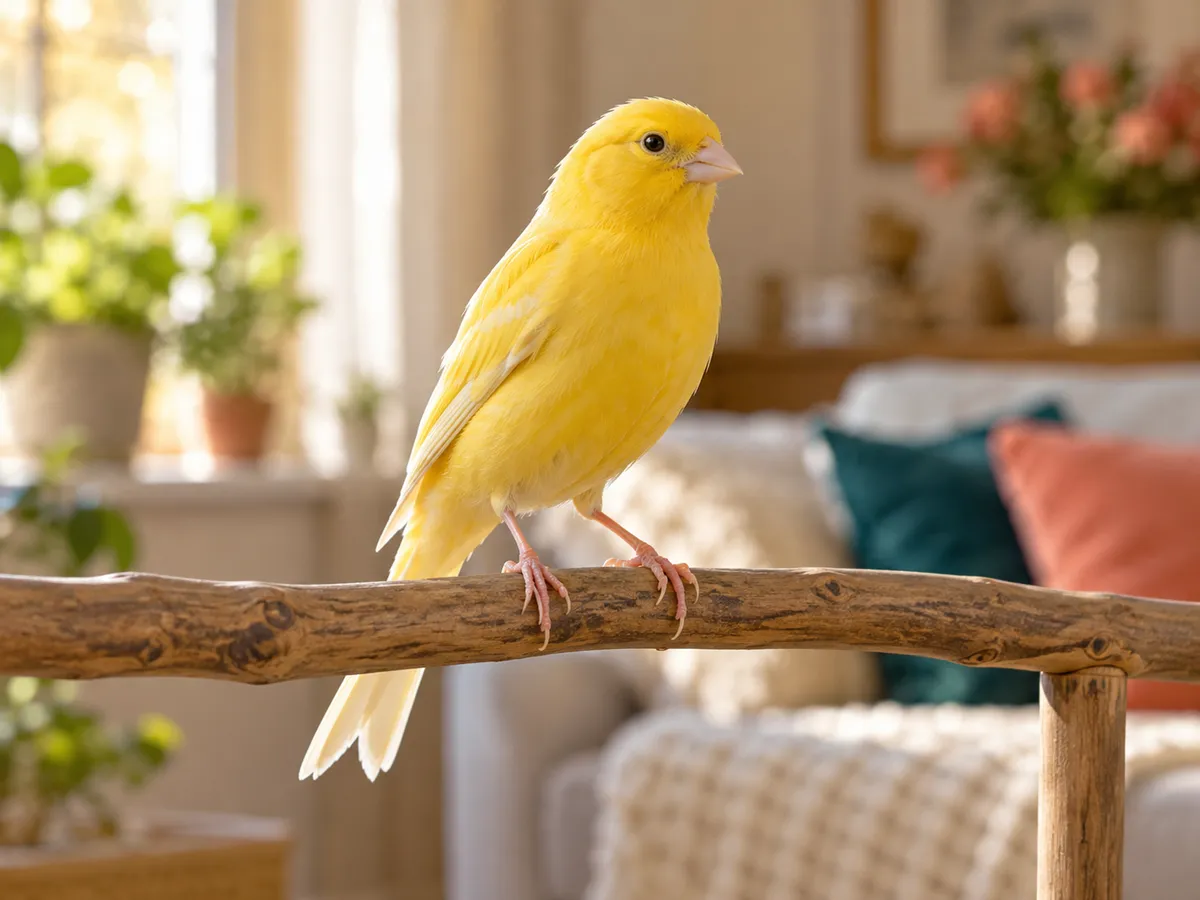 CanaryCanaries fill the home with song. They are elegant birds best enjoyed by watching and listening rather than handling, and they need room to fly.Explore
Happier together
Create a free profile for your companion.
Enter the date of birth or an estimated age to see its life stage, weight history and matching guides in one place.
- Life-stage tracking
- Weight history
- Guides for its species
- Free account