
Meerkats
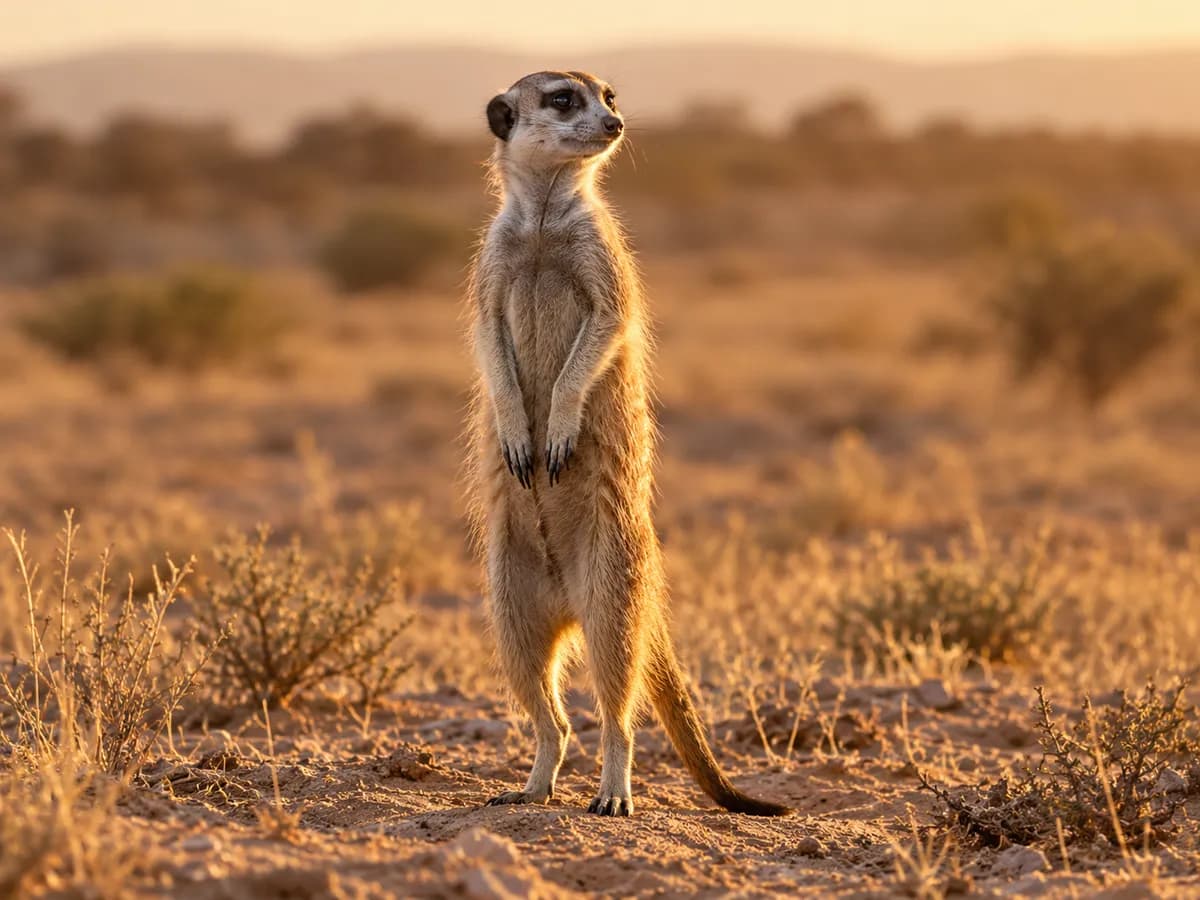
Standing on their hind legs to keep watch, meerkats live in big families in the dry regions of southern Africa. Every member of the group has a role.
- Length
- 25–35 cm
- Weight
- 0.6–1 kg
- Lifespan in the wild
- 5–10 years
- Conservation status (IUCN)
- Least concern (LC)
Figures are approximate for adults and vary by sex, subspecies and population.
At a glance
The key facts about Meerkats.
- Where does it live?It lives in the dry and semi-arid regions of South Africa, Namibia, Botswana and nearby areas such as the Kalahari and Namib, in open country with…
- What does it eat?Its main foods are insects, larvae, scorpions, spiders and millipedes.
- Behaviour and social lifeMeerkats live in large groups usually headed by a dominant female and male.
- YoungThe dominant female usually gives birth to most of the young.
In depth
In short
- Meerkats live in groups called mobs or gangs of 20–50 individuals.
- While the group forages, some members stand guard and call out warnings.
- Their main food is insects and other small animals.
- They live in complex underground tunnel systems.
- The IUCN lists the meerkat as Least Concern.
The meerkat (Suricata suricatta) is a small mammal in the mongoose family. It is famous for standing up on its hind legs, using its tail for support, to scan its surroundings. The dark rings around its eyes help reduce glare from the sun.
Where does it live?
It lives in the dry and semi-arid regions of South Africa, Namibia, Botswana and nearby areas such as the Kalahari and Namib, in open country with sparse vegetation.
What does it eat?
Its main foods are insects, larvae, scorpions, spiders and millipedes. It also eats small reptiles, bird eggs and some plant roots. Meerkats are known to be partly resistant to scorpion venom.
Behaviour and social life
Meerkats live in large groups usually headed by a dominant female and male. While the group forages, one or more individuals climb to a high point to keep watch; when they spot a bird of prey or a jackal, they give different alarm calls for different dangers. They spend the night and the hottest hours in underground tunnels.
Young
The dominant female usually gives birth to most of the young. Other group members babysit, protect the pups and bring them food. Adults teach pups step by step how to handle dangerous prey such as scorpions.
Conservation status
The meerkat is listed as Least Concern (LC) on the IUCN Red List. It is common where it lives; droughts can affect populations.
Fun facts
- The thin fur on a meerkat's belly helps it warm up in the morning sun.
- A sentry meerkat also makes calm calls that mean "all is well".
- Meerkats have been seen puffing up together to look bigger when facing predators.
Similar animals
Other animals in the same group.
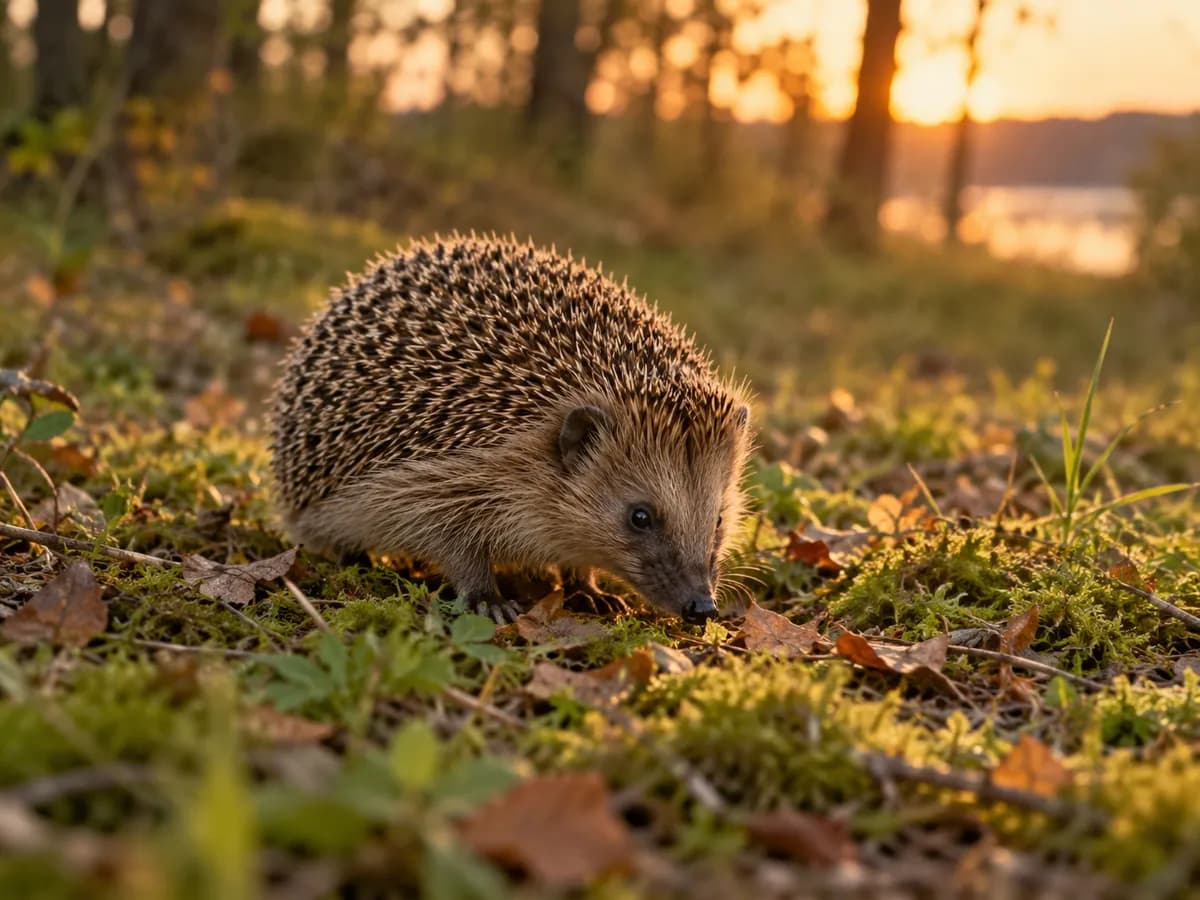 European hedgehogKnown for the thousands of spines on its back, the European hedgehog is the nocturnal wanderer of gardens and hedgerows. It helps gardens by eating insects and snails, but its numbers have fallen in recent years.Explore
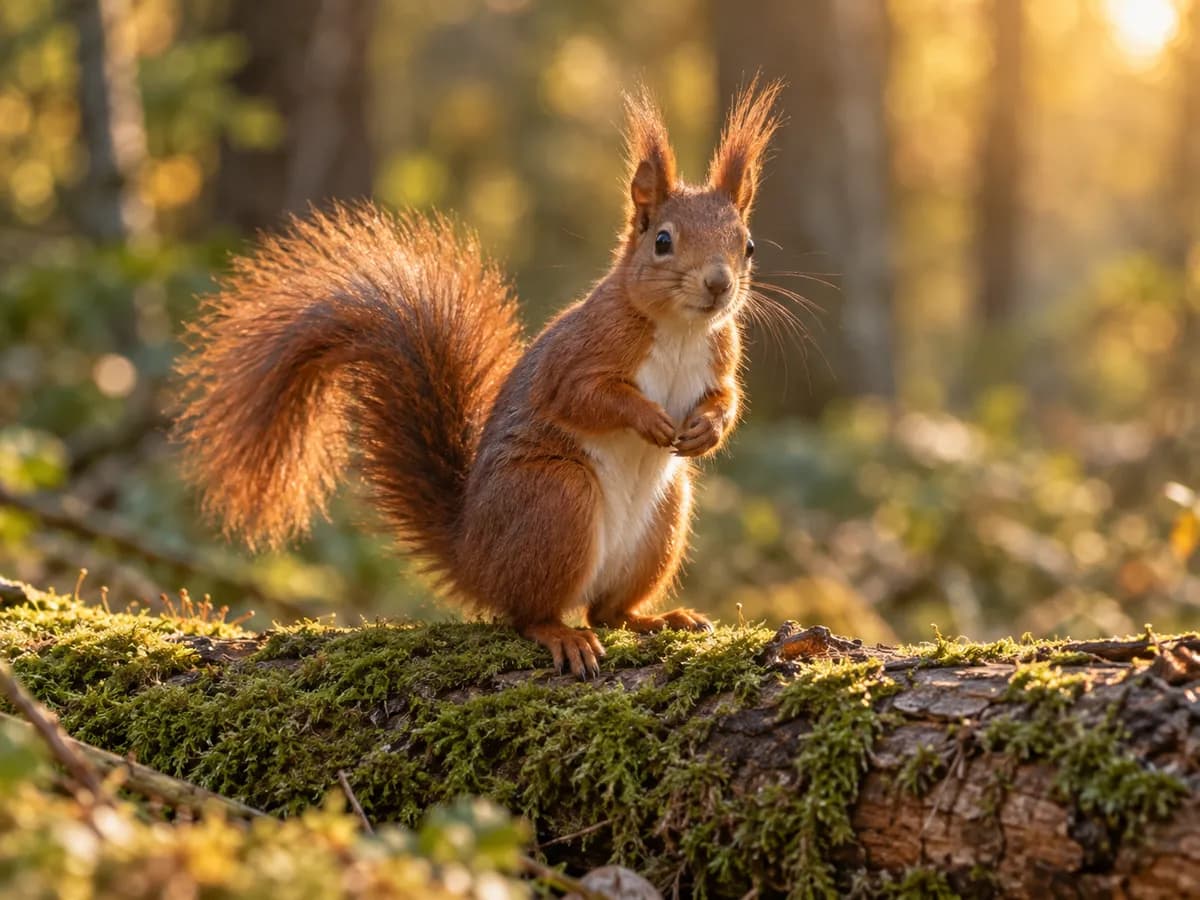 Red squirrelKnown for its tufted ears and bushy tail, the red squirrel lives in the forests of Europe and Asia. The seeds it forgets after storing them for winter help new trees grow.Explore
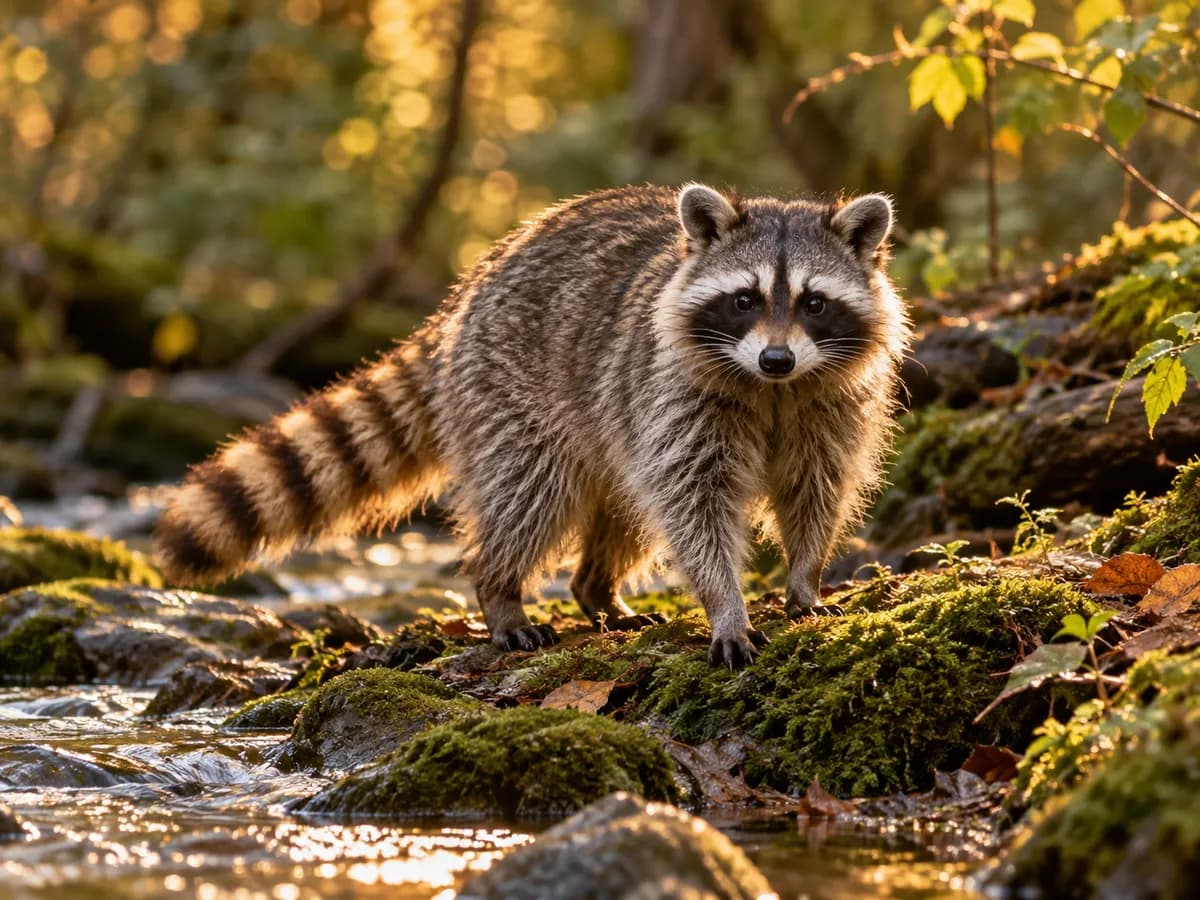 RaccoonKnown for the black "mask" on its face and its ringed tail, the raccoon is a clever animal with nimble front paws that thrives even in cities. It is native to North America.Explore
Respect for nature, stronger tomorrows
Protecting wildlife is everyone's responsibility.
If you find an injured or young wild animal, don't touch it; inform your local wildlife authority. More knowledge, more awareness.
- Respect natural habitats
- Watch wild animals from afar
- Leave no litter in nature
- Support a sustainable future