

Red squirrels
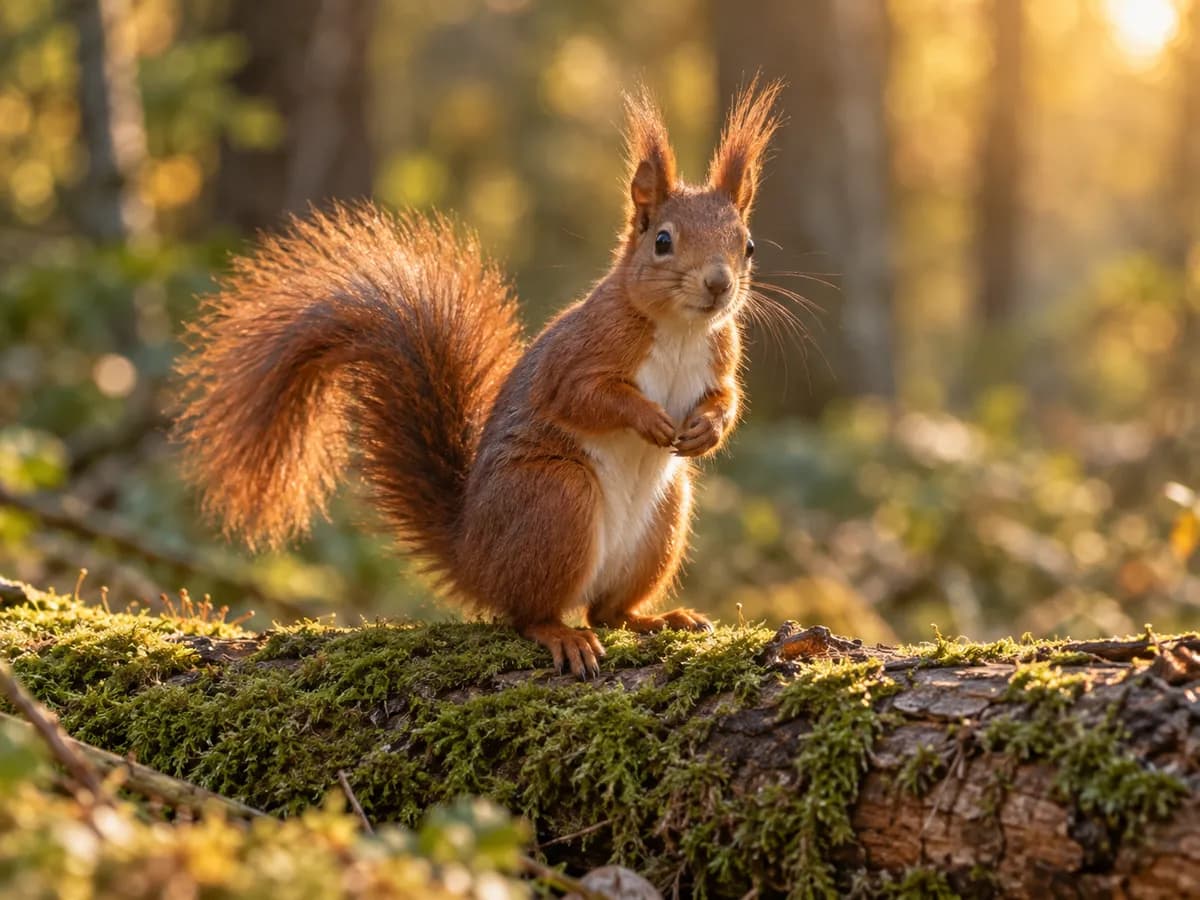
Known for its tufted ears and bushy tail, the red squirrel lives in the forests of Europe and Asia. The seeds it forgets after storing them for winter help new trees grow.
- Length
- 18–24 cm
- Weight
- 250–350 g
- Lifespan in the wild
- 3–7 years
- Conservation status (IUCN)
- Least concern (LC)
Figures are approximate for adults and vary by sex, subspecies and population.
At a glance
The key facts about Red squirrels.
- Where does it live?It lives in the forests of Eurasia, from western Europe to Siberia and northern Japan, especially forests with conifers such as pine and spruce.
- What does it eat?Its main foods are conifer seeds, hazelnuts, walnuts, acorns, fungi, buds and fruit.
- Behaviour and social lifeRed squirrels live alone and are active by day.
- YoungThe female has young once or twice a year, usually 3–4 at a time.
In depth
In short
- The red squirrel lives in the coniferous and mixed forests of Europe and northern Asia.
- In winter, long tufts of fur grow on the tips of its ears.
- It eats seeds, nuts, fungi and buds.
- It stores food for winter; forgotten seeds help forests regenerate.
- In Türkiye it is found in some forests of Thrace and north-western Anatolia.
The red squirrel (Sciurus vulgaris) is a small rodent recognisable by its reddish-brown fur, bushy tail and ear tufts that are most noticeable in winter. Coat colour varies by region, from light red to dark brown and even black.
Where does it live?
It lives in the forests of Eurasia, from western Europe to Siberia and northern Japan, especially forests with conifers such as pine and spruce. In Türkiye it is found in some forests of Thrace and north-western Anatolia. Across most of Anatolia a different species, the Caucasian (Persian) squirrel, lives instead.
What does it eat?
Its main foods are conifer seeds, hazelnuts, walnuts, acorns, fungi, buds and fruit. In autumn it stores these foods for winter by burying them or hiding them in tree holes.
Behaviour and social life
Red squirrels live alone and are active by day. They climb nimbly and leap from branch to branch, using their long tails for balance. They build spherical shelters called dreys from twigs and leaves in tree branches. They do not hibernate but stay in their dreys longer on cold days.
Young
The female has young once or twice a year, usually 3–4 at a time. Kits are born hairless and blind and stay with their mother for several months.
Conservation status
The red squirrel is listed as Least Concern (LC) globally on the IUCN Red List. However, in parts of Britain and Italy its numbers have fallen sharply because of competition with the introduced North American grey squirrel and a virus the grey squirrel carries.
Fun facts
- Red squirrels find most of their stored food, but forgotten seeds can grow into trees.
- Their ear tufts thin out in summer and grow longer in winter.
- Because squirrels' front teeth grow throughout life, gnawing hard shells wears them down.
Similar animals
Other animals in the same group.
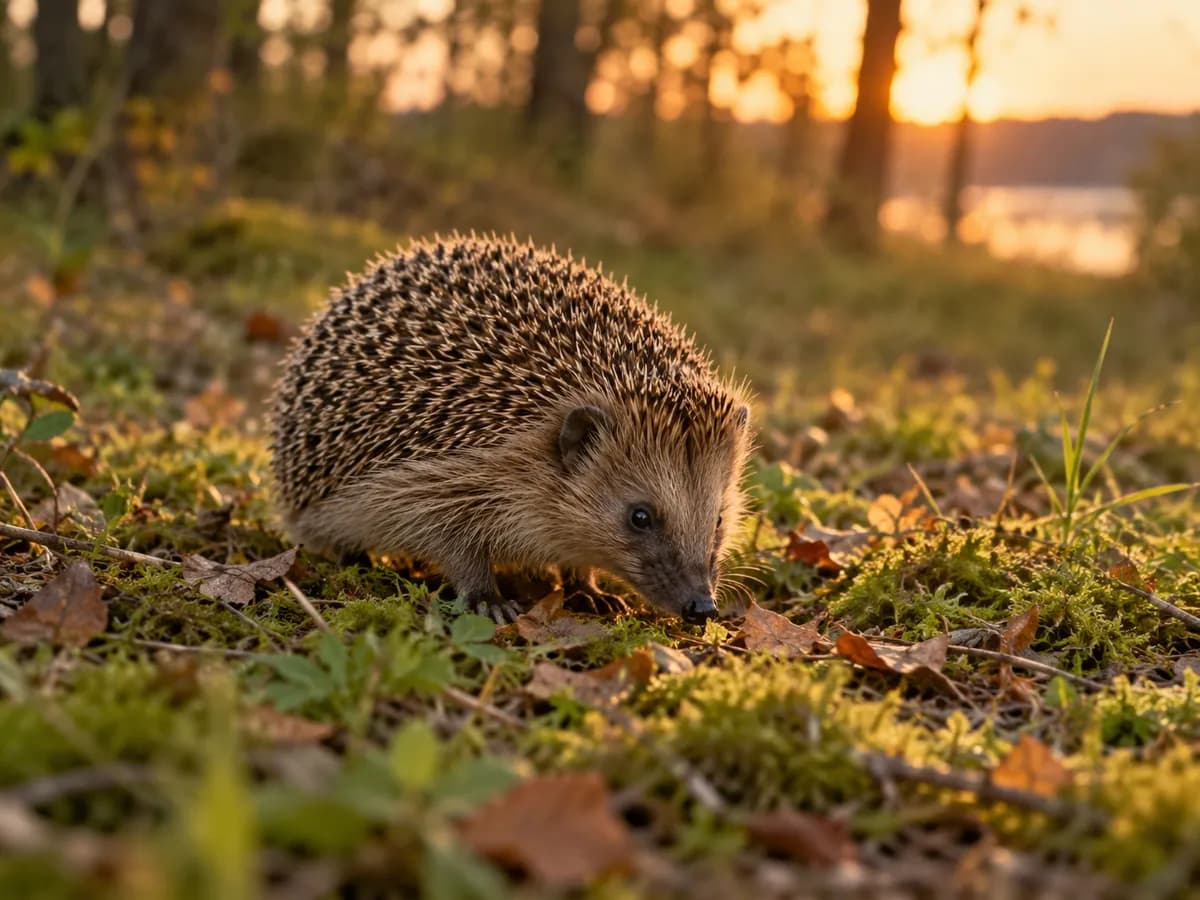 European hedgehogKnown for the thousands of spines on its back, the European hedgehog is the nocturnal wanderer of gardens and hedgerows. It helps gardens by eating insects and snails, but its numbers have fallen in recent years.Explore
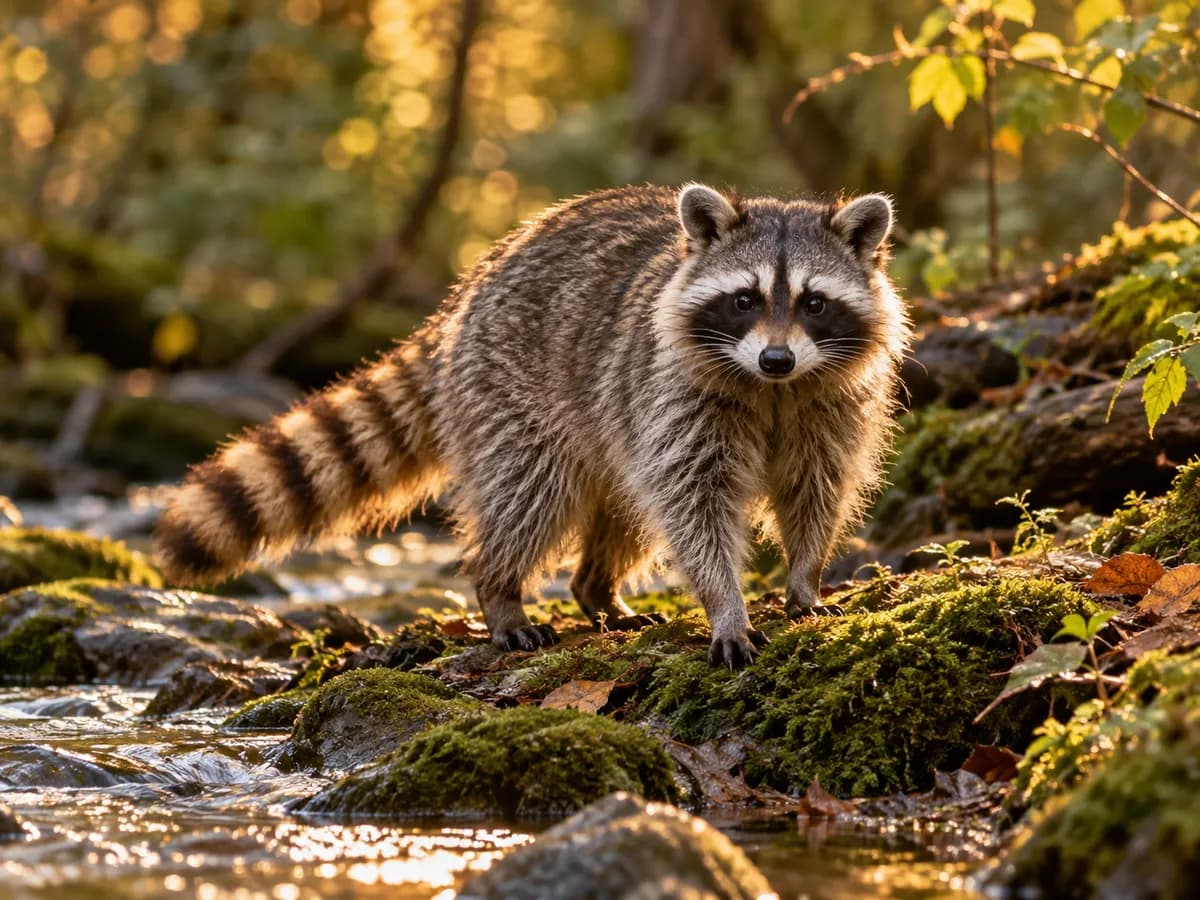 RaccoonKnown for the black "mask" on its face and its ringed tail, the raccoon is a clever animal with nimble front paws that thrives even in cities. It is native to North America.Explore
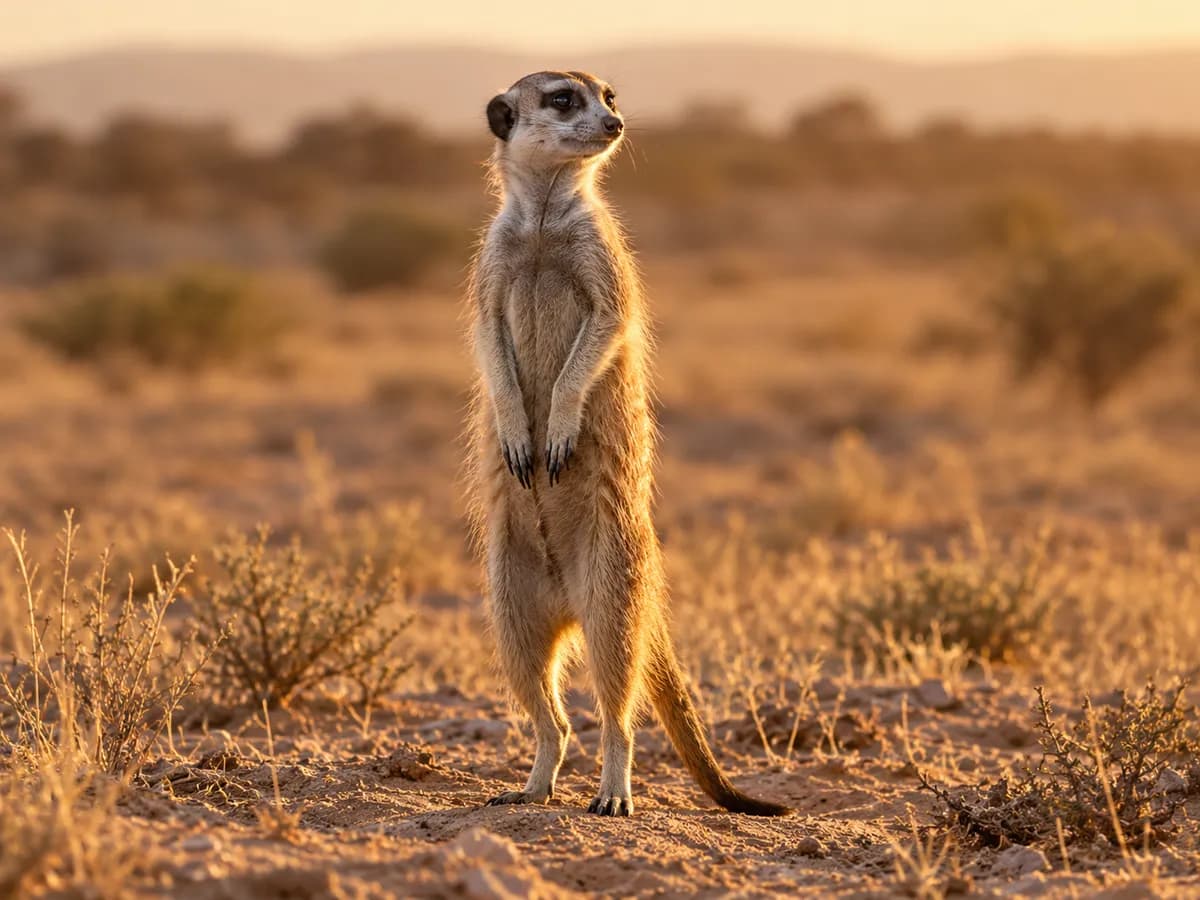 MeerkatStanding on their hind legs to keep watch, meerkats live in big families in the dry regions of southern Africa. Every member of the group has a role.Explore
Respect for nature, stronger tomorrows
Protecting wildlife is everyone's responsibility.
If you find an injured or young wild animal, don't touch it; inform your local wildlife authority. More knowledge, more awareness.
- Respect natural habitats
- Watch wild animals from afar
- Leave no litter in nature
- Support a sustainable future