
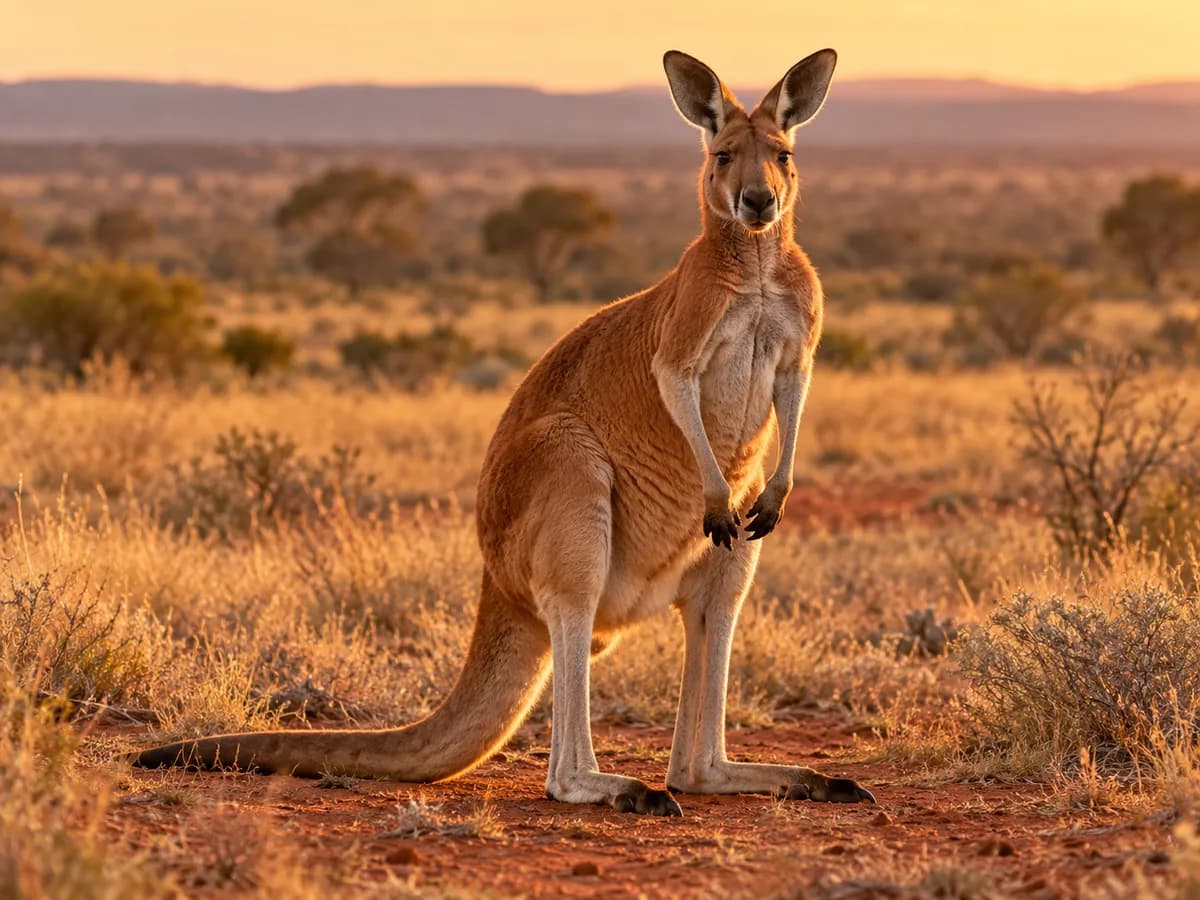
Red kangaroos
The largest of all marsupials, the red kangaroo covers long distances by hopping on its powerful hind legs. It is a symbol of Australia's dry interior.
- Length
- 1–1.6 m
- Weight
- 20–90 kg
- Lifespan in the wild
- 8–12 years
- Conservation status (IUCN)
- Least concern (LC)
Figures are approximate for adults and vary by sex, subspecies and population.
At a glance
The key facts about Red kangaroos.
- Where does it live?It lives in the arid and semi-arid grasslands, open plains and shrublands of inland Australia.
- What does it eat?It is a herbivore that eats grass and other green plants.
- Behaviour and social lifeRed kangaroos live in loose groups called mobs.
- JoeysAfter a short pregnancy of about 33 days, the female gives birth to a tiny, hairless young.
In depth
In short
- The red kangaroo is the largest living marsupial.
- It moves by hopping on its powerful hind legs; its tail provides balance.
- It is a herbivore that needs little water.
- The joey grows for months in its mother's pouch after birth.
- The IUCN lists it as Least Concern.
The red kangaroo (Osphranter rufus) is the largest living marsupial. Males usually have reddish-brown fur, while females are often more bluish-grey. Its powerful hind legs and long, thick tail let it move by hopping.
Where does it live?
It lives in the arid and semi-arid grasslands, open plains and shrublands of inland Australia.
What does it eat?
It is a herbivore that eats grass and other green plants. Thanks to the moisture in plants, it can go a long time without drinking. It rests in the shade during the hottest hours and feeds when it is cooler.
Behaviour and social life
Red kangaroos live in loose groups called mobs. Males "box" for the right to mate with females, rising up on their hind legs, leaning on their tails and kicking. Hopping is energy-efficient at high speeds.
Joeys
After a short pregnancy of about 33 days, the female gives birth to a tiny, hairless young. It climbs into the pouch on its own, attaches to a teat and grows there for months. Females can pause an embryo's development until conditions are right.
Conservation status
The red kangaroo is listed as Least Concern (LC) on the IUCN Red List. Its numbers vary greatly from year to year depending on rainfall. In Australia it is subject to a regulated management programme.
Fun facts
- A baby kangaroo is called a joey.
- Kangaroos cannot walk backwards.
- A female can have a young joey out of the pouch, a joey in the pouch and a paused embryo at the same time.
Similar animals
Other animals in the same group.
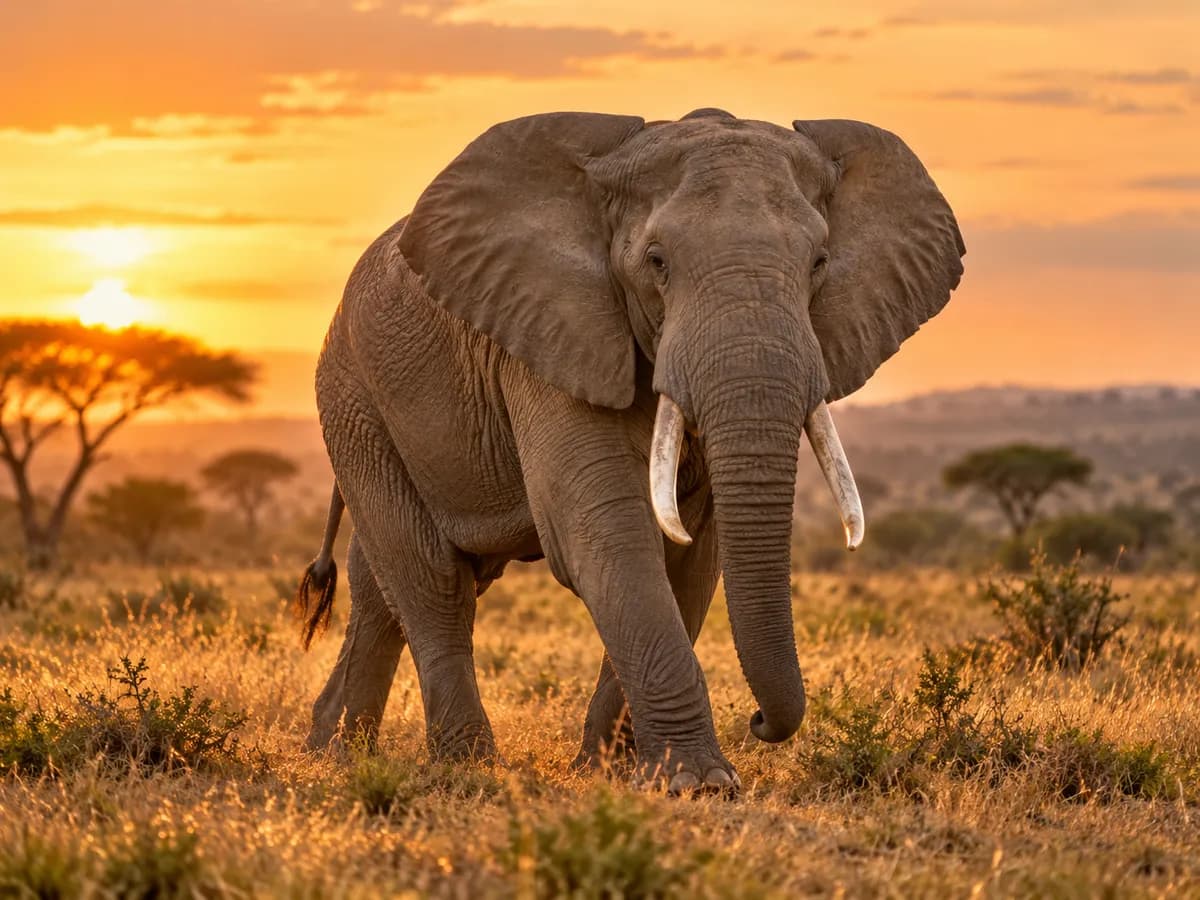 African elephantThe largest land animal, the African elephant is known for its powerful trunk, huge ears and complex family bonds. Elephants are "engineers" that shape the ecosystems they live in.Explore
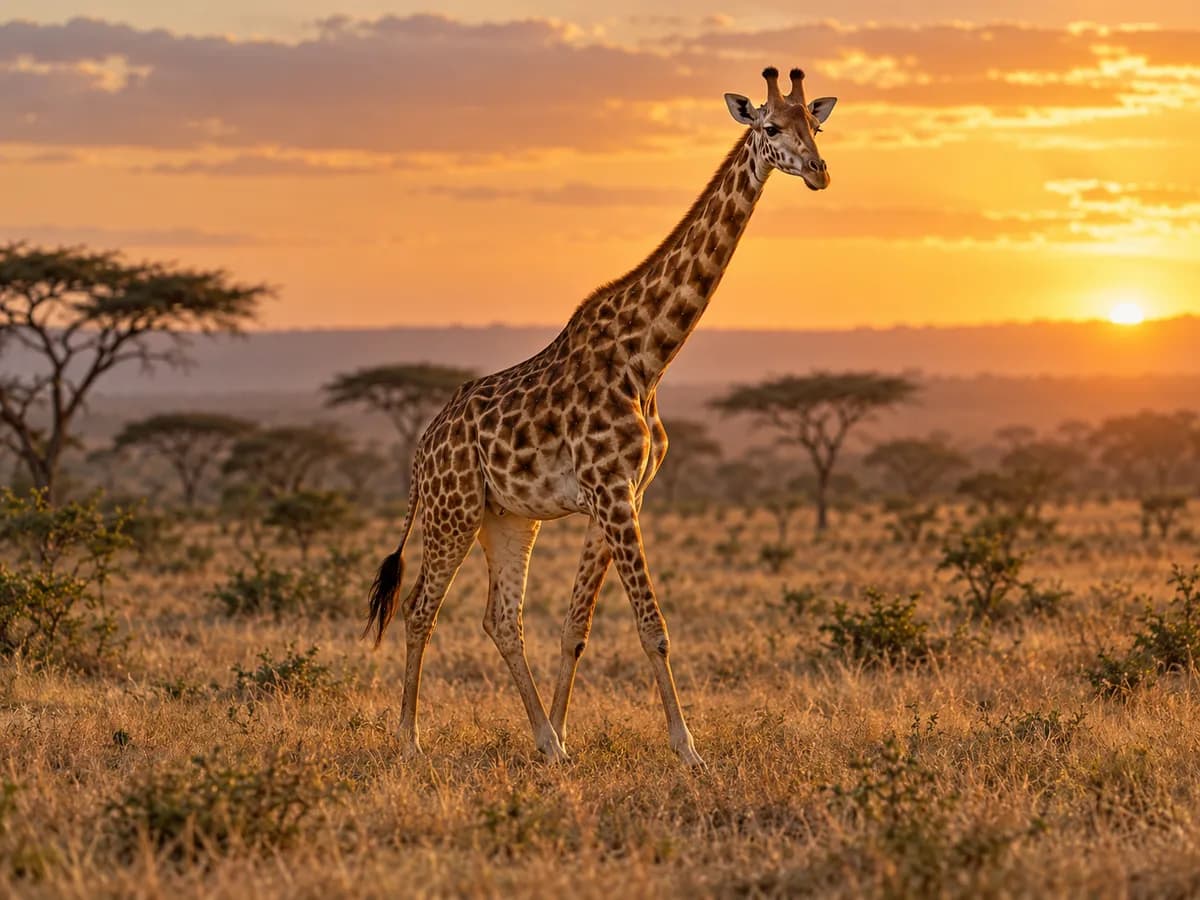 GiraffeThe tallest animal on Earth, the giraffe uses its long neck to reach leaves other herbivores cannot. These gentle giants of the African savanna are far more social than they seem.Explore
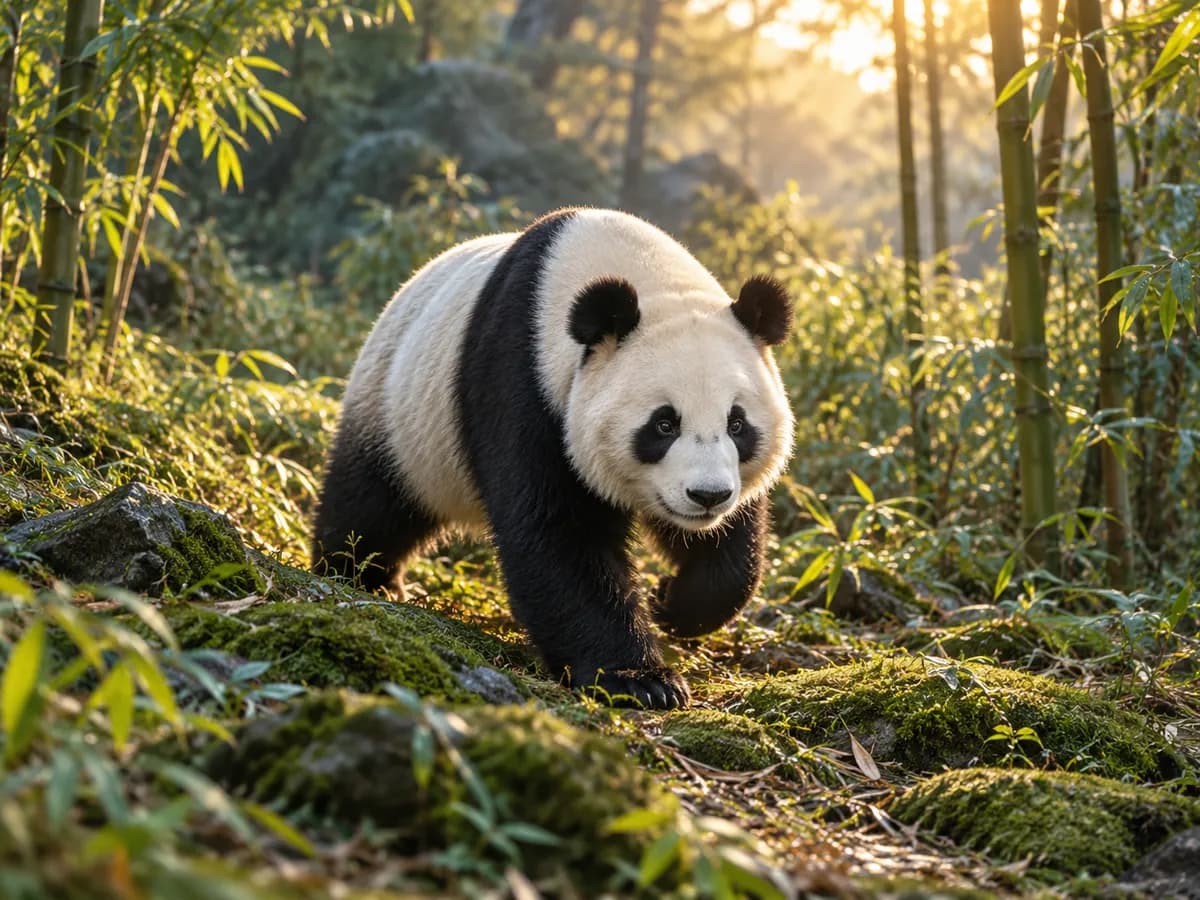 Giant pandaWith its black-and-white coat, the giant panda is one of the world's best-loved animals — a bear that lives almost entirely on bamboo. Thanks to conservation success, it is no longer classed as Endangered.Explore
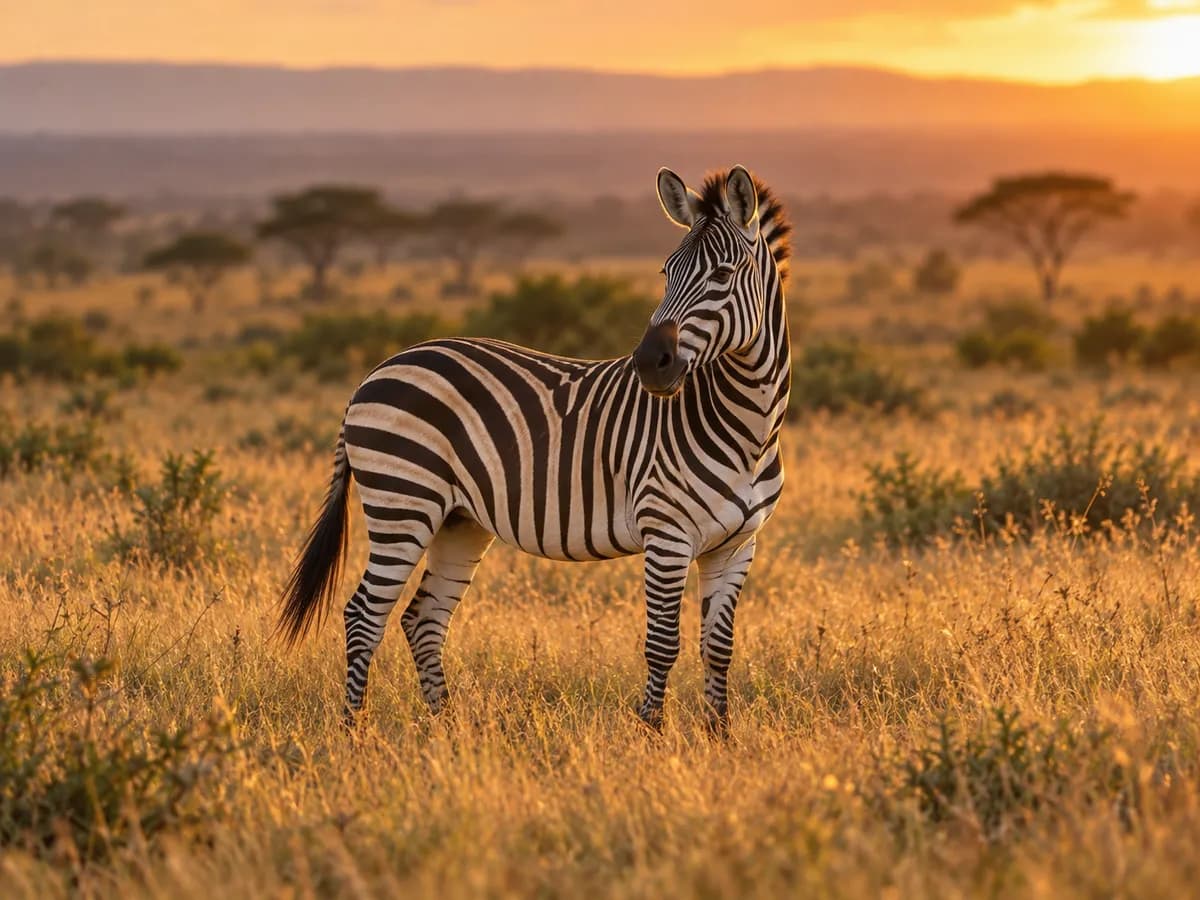 ZebraWith its black-and-white stripes, the plains zebra is one of the savanna's best-known animals and lives in large herds. Every zebra's stripe pattern is unique.Explore
Respect for nature, stronger tomorrows
Protecting wildlife is everyone's responsibility.
If you find an injured or young wild animal, don't touch it; inform your local wildlife authority. More knowledge, more awareness.
- Respect natural habitats
- Watch wild animals from afar
- Leave no litter in nature
- Support a sustainable future