

Three-toed sloths
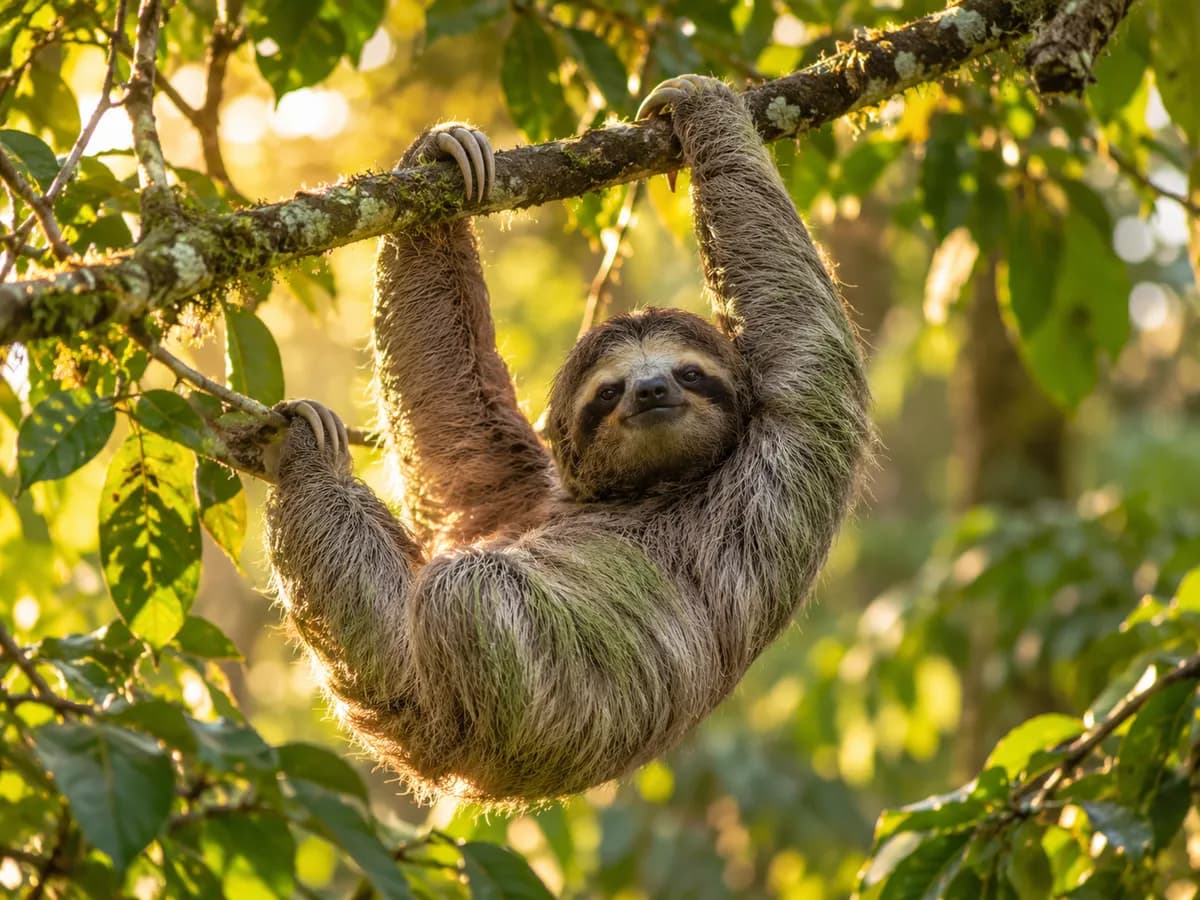
The three-toed sloth, which spends almost its whole life hanging upside down from branches, is one of the slowest mammals on Earth. Its slowness is an adaptation to a low-energy diet.
- Length
- 40–75 cm
- Weight
- 2–6 kg
- Lifespan in the wild
- 20–30 years
- Conservation status (IUCN)
- Least concern (LC)
Figures are approximate for adults and vary by sex, subspecies and population.
At a glance
The key facts about Three-toed sloths.
- Where does it live?It lives in tropical rainforests from Central America to northern South America, usually high in the canopy.
- What does it eat?It is a herbivore that mostly eats the leaves of certain trees.
- Behaviour and social lifeSloths live alone and move very slowly, an adaptation to their low-energy diet.
- YoungThe female usually has one young a year.
In depth
In short
- Three-toed sloths live in the rainforests of Central and South America.
- They eat leaves and have a very slow metabolism.
- They climb down to the ground about once a week to go to the toilet.
- Green algae can grow in their fur, giving them camouflage.
- The brown-throated sloth is listed as Least Concern by the IUCN.
Three-toed sloths (genus Bradypus) are tree-dwelling mammals with three long claws on their front feet. There are four species; the facts on this page refer to the most widespread, the brown-throated sloth (Bradypus variegatus). Two-toed sloths belong to a separate family.
Where does it live?
It lives in tropical rainforests from Central America to northern South America, usually high in the canopy.
What does it eat?
It is a herbivore that mostly eats the leaves of certain trees. Leaves provide little energy and are hard to digest; digestion can take days or even weeks.
Behaviour and social life
Sloths live alone and move very slowly, an adaptation to their low-energy diet. They spend most of their lives hanging upside down from branches, where they eat, sleep and even give birth. They come down from the tree about once a week to go to the toilet. Despite being slow, they are good swimmers.
Young
The female usually has one young a year. For the first months the baby clings to its mother's belly and learns which trees she feeds on.
Conservation status
The brown-throated sloth is listed as Least Concern (LC) on the IUCN Red List. Still, deforestation, roads and power lines that cut through forests, and the illegal pet trade are serious problems for these animals. The pygmy three-toed sloth, which lives on a small island off Panama, is Critically Endangered.
Fun facts
- Three-toed sloths have more neck vertebrae than most mammals and can turn their heads through a very wide angle.
- Algae, moths and other small creatures live in their fur.
- Their strong claws keep them from falling off branches even while they sleep.
Similar animals
Other animals in the same group.
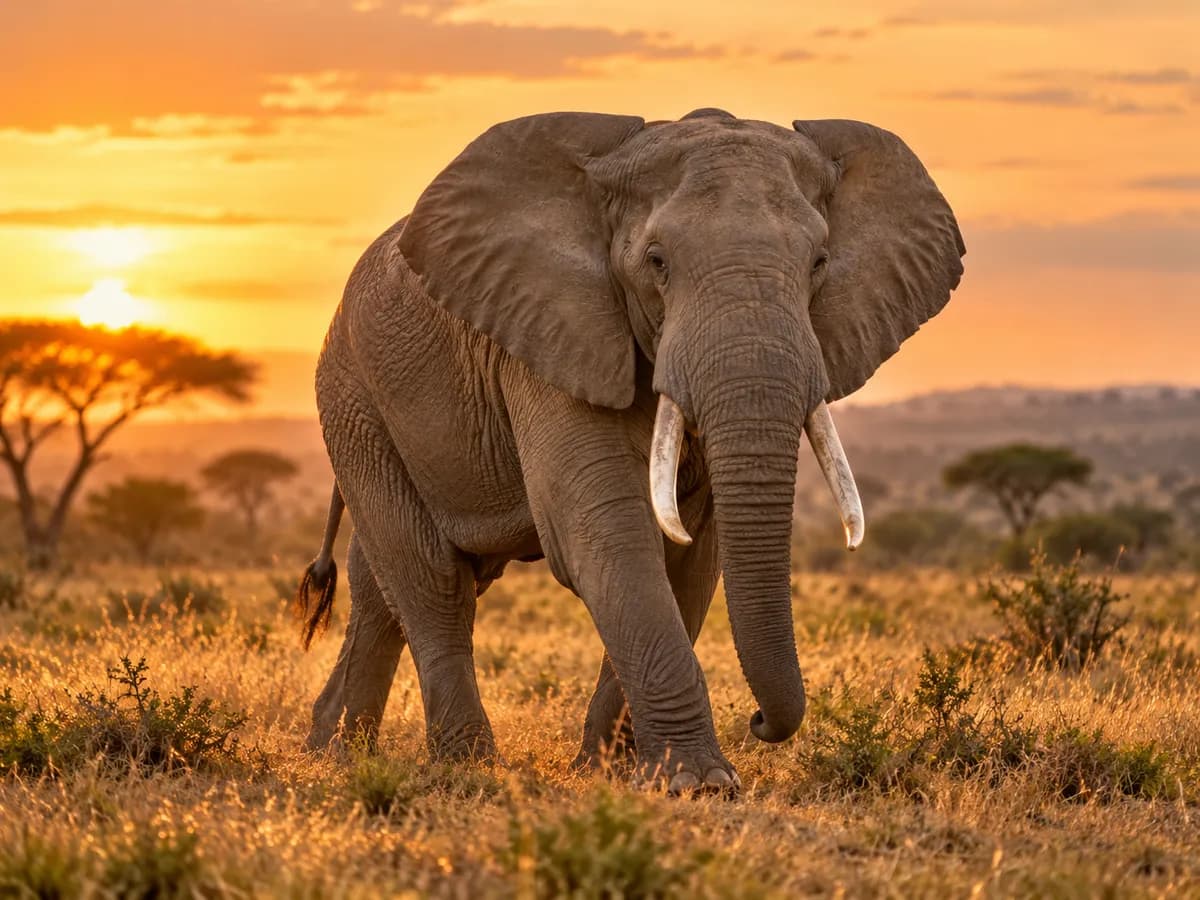 African elephantThe largest land animal, the African elephant is known for its powerful trunk, huge ears and complex family bonds. Elephants are "engineers" that shape the ecosystems they live in.Explore
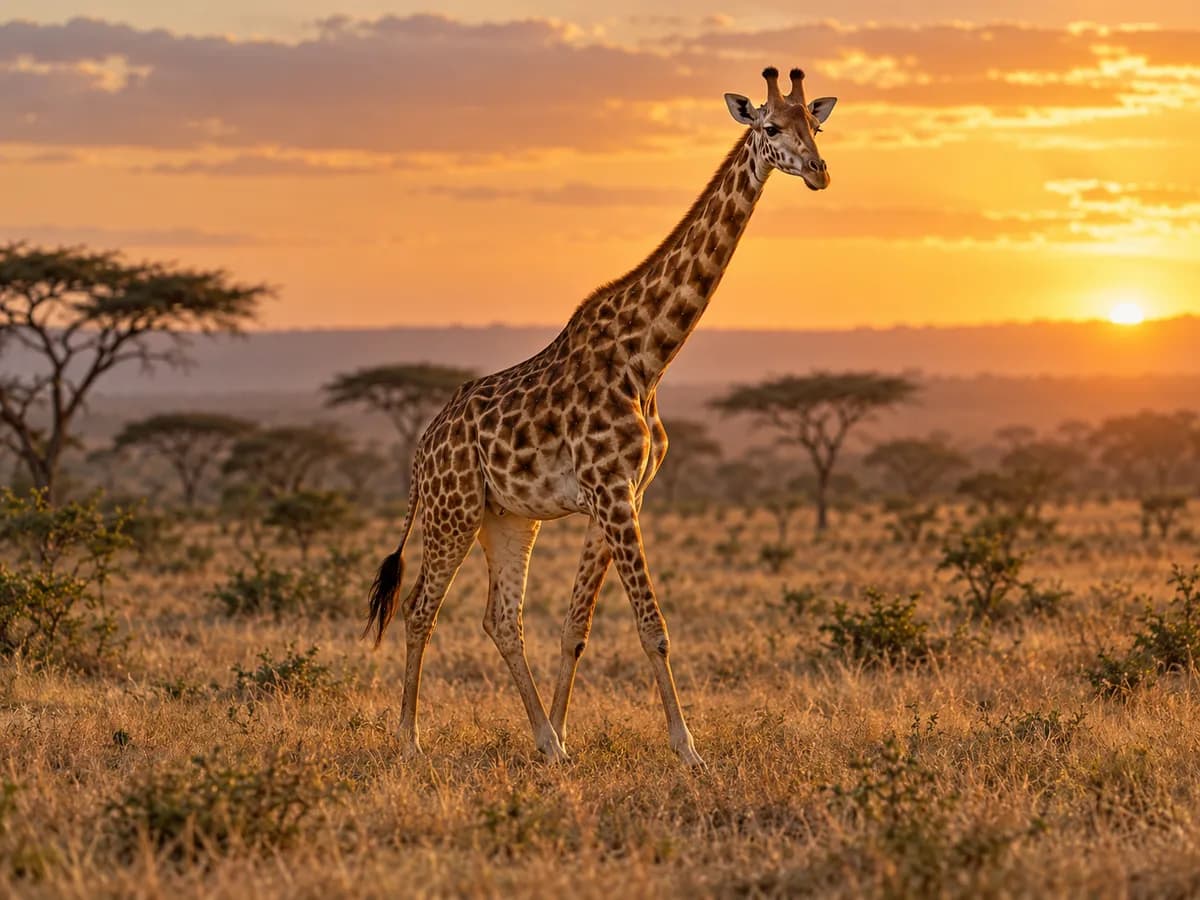 GiraffeThe tallest animal on Earth, the giraffe uses its long neck to reach leaves other herbivores cannot. These gentle giants of the African savanna are far more social than they seem.Explore
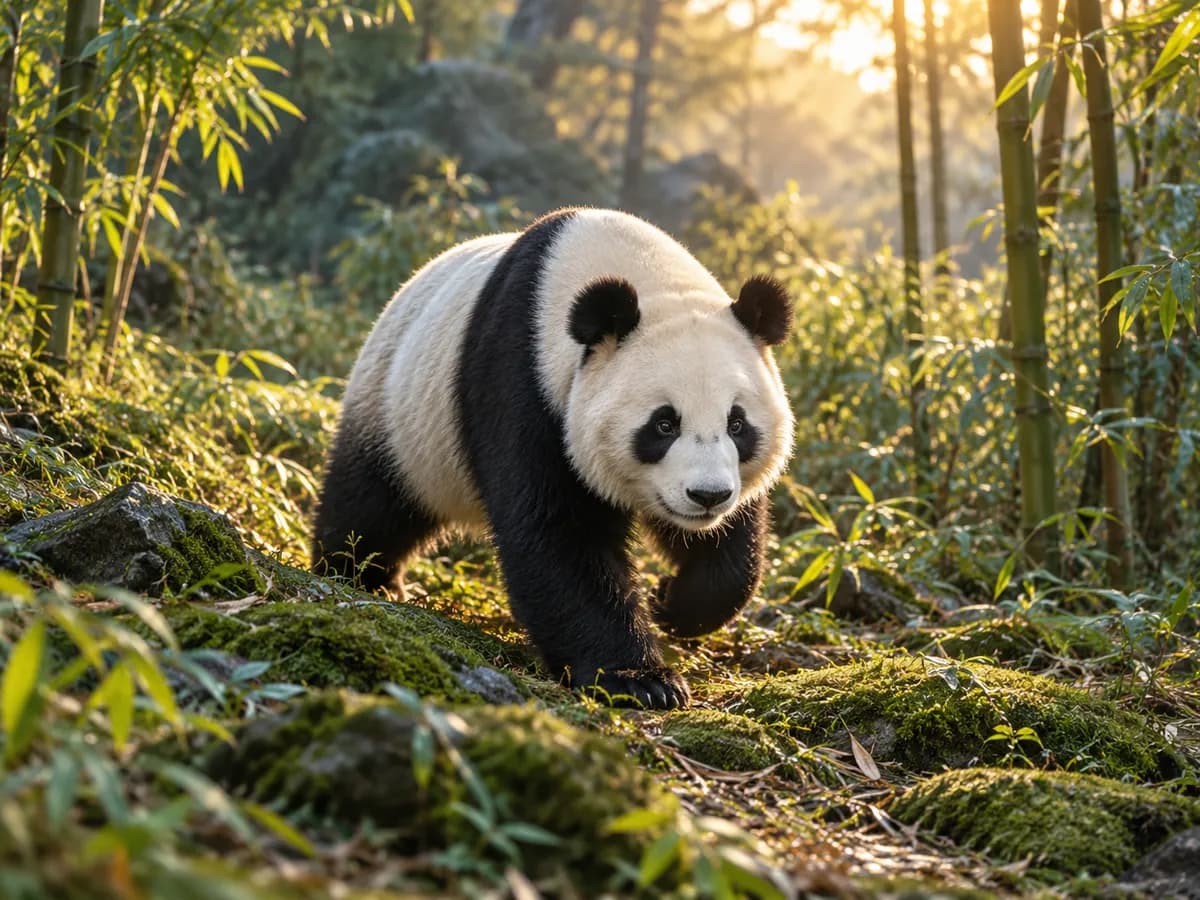 Giant pandaWith its black-and-white coat, the giant panda is one of the world's best-loved animals — a bear that lives almost entirely on bamboo. Thanks to conservation success, it is no longer classed as Endangered.Explore
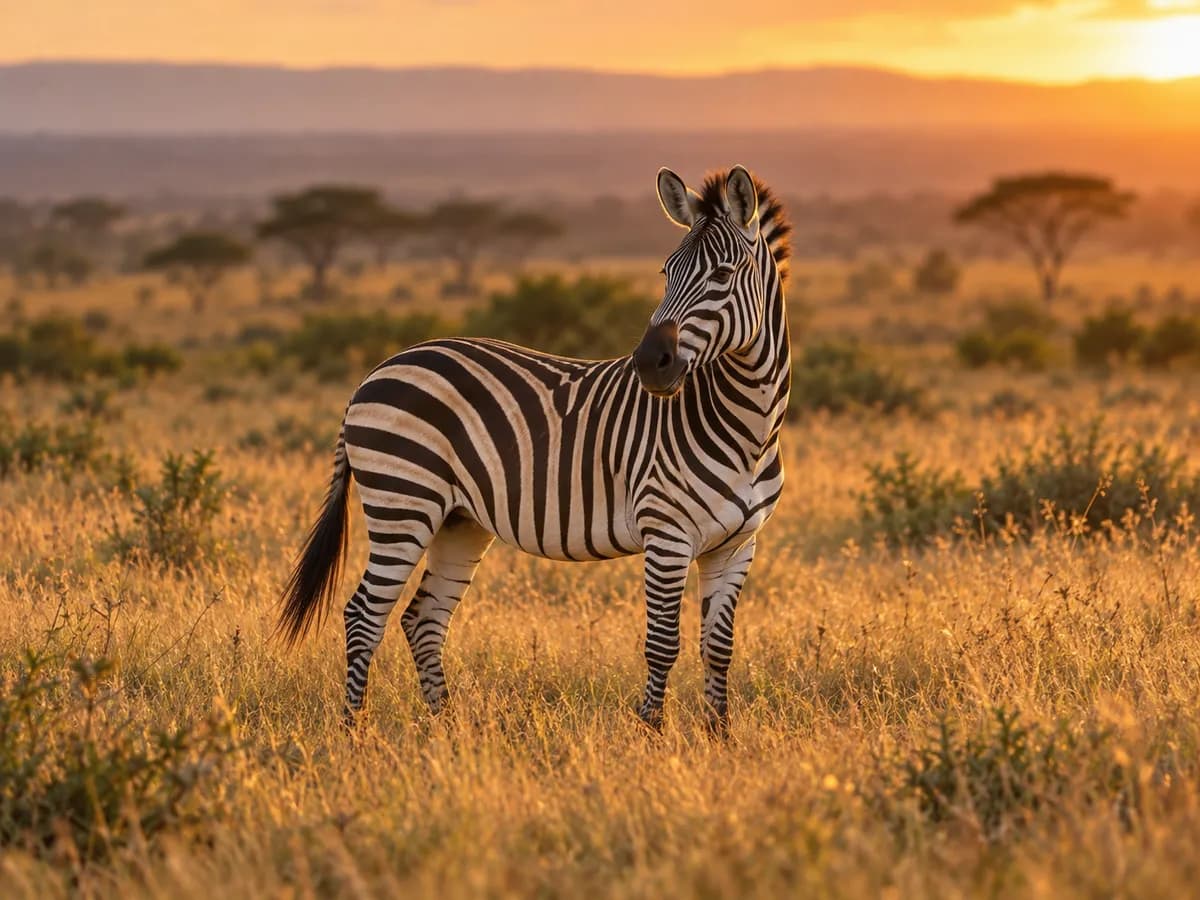 ZebraWith its black-and-white stripes, the plains zebra is one of the savanna's best-known animals and lives in large herds. Every zebra's stripe pattern is unique.Explore
Respect for nature, stronger tomorrows
Protecting wildlife is everyone's responsibility.
If you find an injured or young wild animal, don't touch it; inform your local wildlife authority. More knowledge, more awareness.
- Respect natural habitats
- Watch wild animals from afar
- Leave no litter in nature
- Support a sustainable future