White rhinoceroses
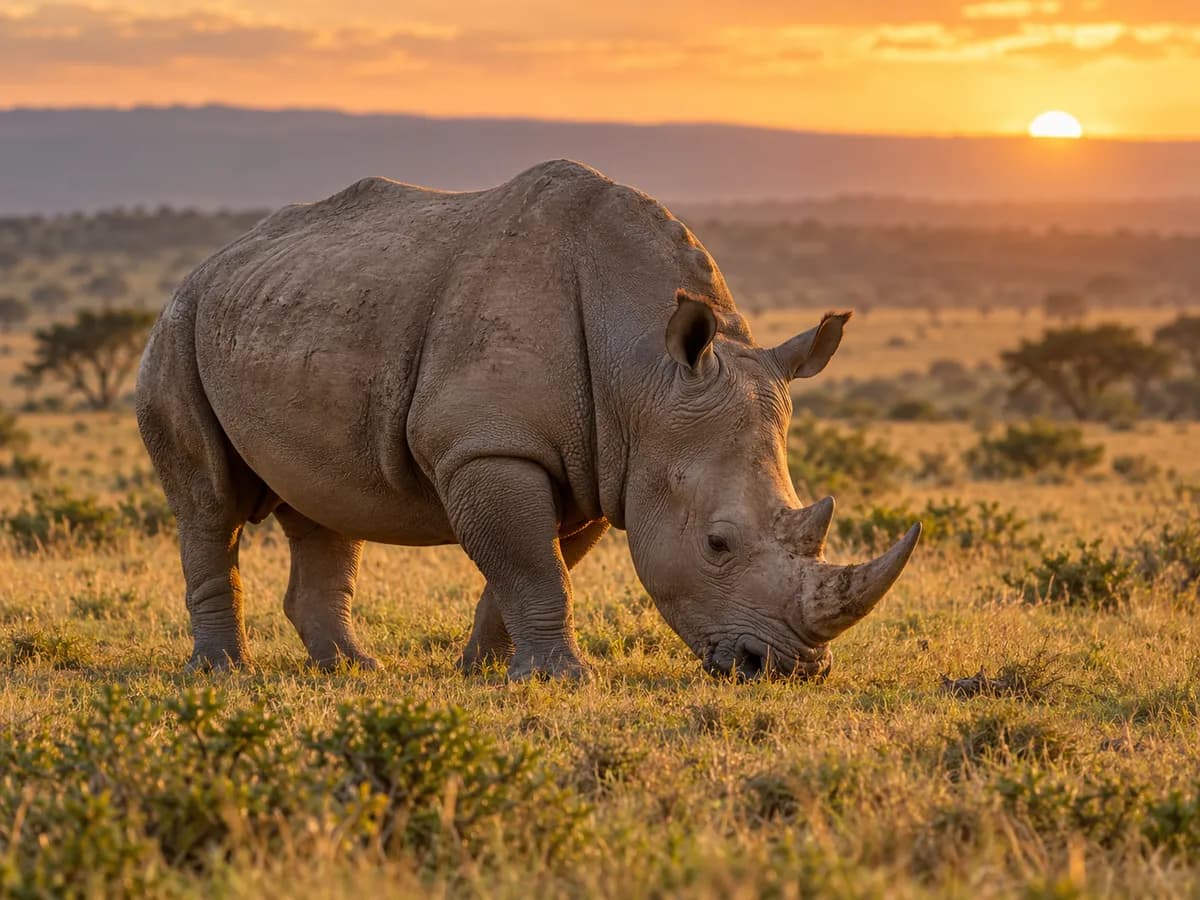
The largest of the rhinos, the white rhinoceros is a huge grazer with a broad, flat lip. Conservation in South Africa brought it back from the brink, but poaching is still a major threat.
- Height
- 1.5–1.9 m
- Weight
- 1.7–3.6 t
- Lifespan in the wild
- 40–50 years
- Conservation status (IUCN)
- Near threatened (NT)
Figures are approximate for adults and vary by sex, subspecies and population.
At a glance
The key facts about White rhinoceroses.
- Where does it live?Most of the population lives in South Africa; it is also found in protected areas in Namibia, Zimbabwe, Kenya and some other countries.
- What does it eat?It is a herbivore that grazes on grass close to the ground.
- Behaviour and social lifeFemales and their young live in small groups, while adult males are usually solitary and mark their territories with dung piles and urine.
- CalvesPregnancy lasts about 16 months and a single calf is born.
In depth
In short
- The white rhino is the largest living rhinoceros species.
- Its name refers not to its colour but to its wide mouth.
- It grazes on grass and lives in open grasslands.
- One of its two subspecies, the northern white rhino, is extinct in the wild.
- The IUCN lists it as Near Threatened; poaching for horn is the biggest threat.
The white rhinoceros (Ceratotherium simum) is the largest living rhino species. Despite its name, it is grey, not white. The name "white" is commonly said to come from a misunderstanding of an Afrikaans or Dutch word meaning "wide", referring to the animal's broad, flat lip.
Where does it live?
Most of the population lives in South Africa; it is also found in protected areas in Namibia, Zimbabwe, Kenya and some other countries. It prefers open savannas and grasslands.
What does it eat?
It is a herbivore that grazes on grass close to the ground. Its broad, flat lip helps it crop grass almost like a mower.
Behaviour and social life
Females and their young live in small groups, while adult males are usually solitary and mark their territories with dung piles and urine. Their eyesight is poor, but their senses of smell and hearing are strong. Mud wallows help them cool off and protect against parasites.
Calves
Pregnancy lasts about 16 months and a single calf is born. The calf stays with its mother for several years.
Conservation status
The white rhino is listed as Near Threatened (NT) on the IUCN Red List. The southern white rhino fell to very low numbers in the early 20th century but, thanks to conservation in South Africa, grew to tens of thousands. The northern white rhino is extinct in the wild; only a couple of females remain. Poaching for horn remains the species' biggest threat.
Fun facts
- Rhino horn is made of keratin, the protein found in hair and nails.
- White and black rhinos are both grey; the real difference is the shape of their lips.
- White rhinos usually let their calves walk in front of them.
Similar animals
Other animals in the same group.
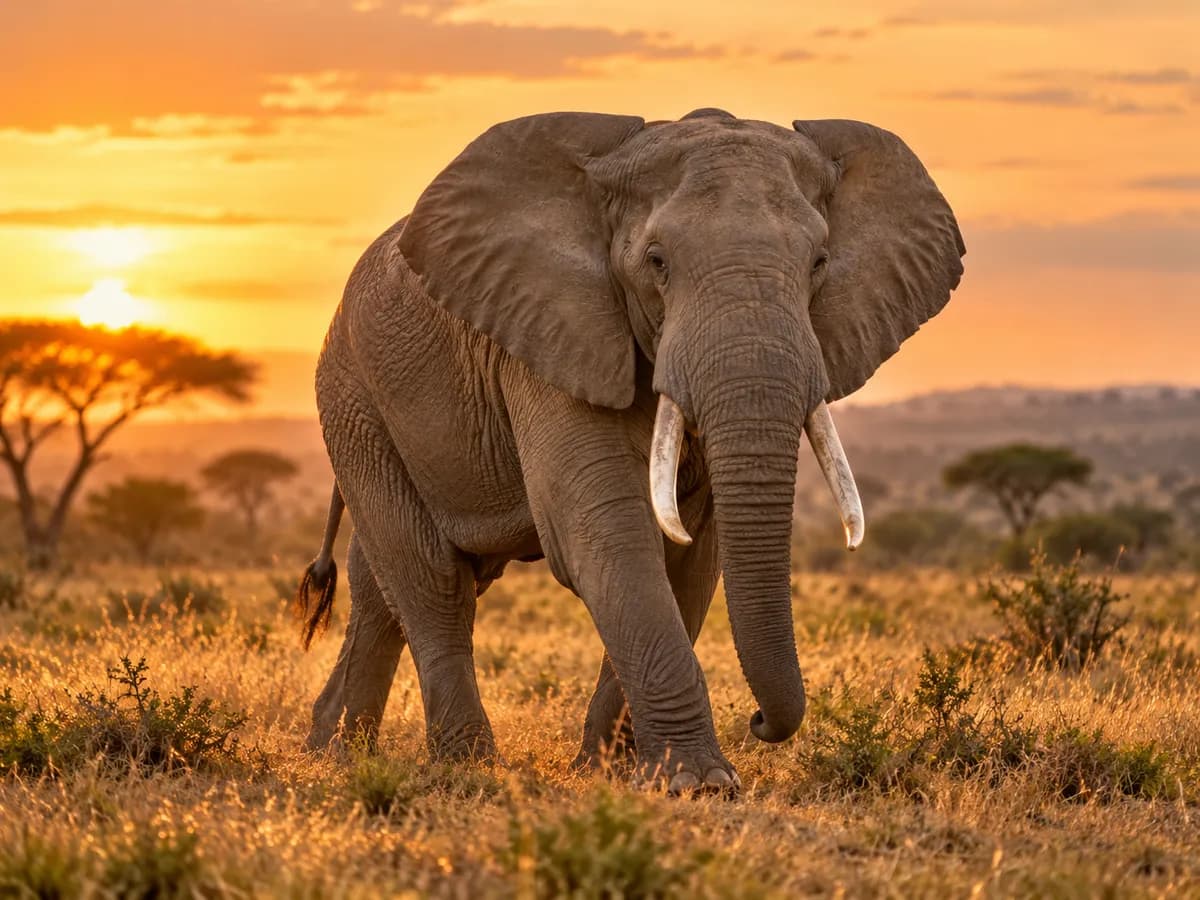 African elephantThe largest land animal, the African elephant is known for its powerful trunk, huge ears and complex family bonds. Elephants are "engineers" that shape the ecosystems they live in.Explore
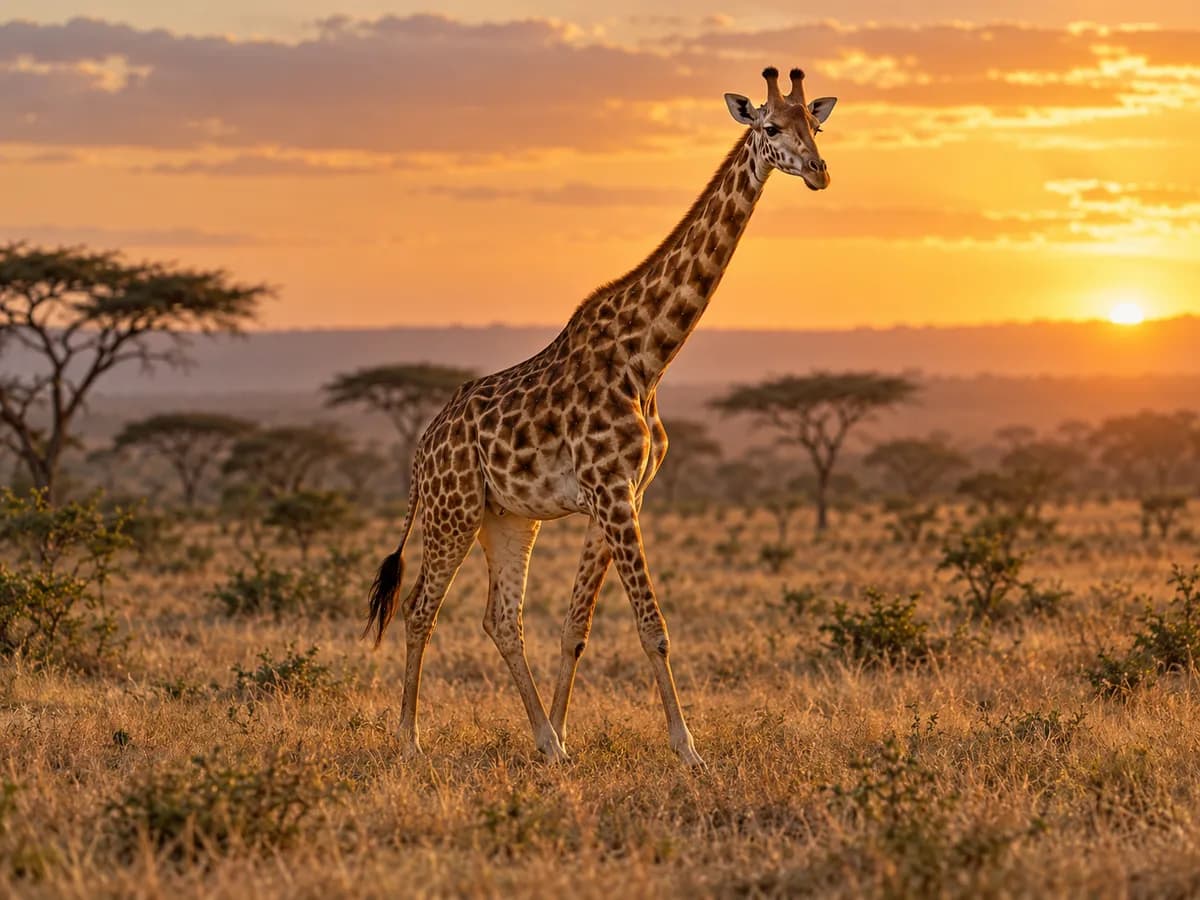 GiraffeThe tallest animal on Earth, the giraffe uses its long neck to reach leaves other herbivores cannot. These gentle giants of the African savanna are far more social than they seem.Explore
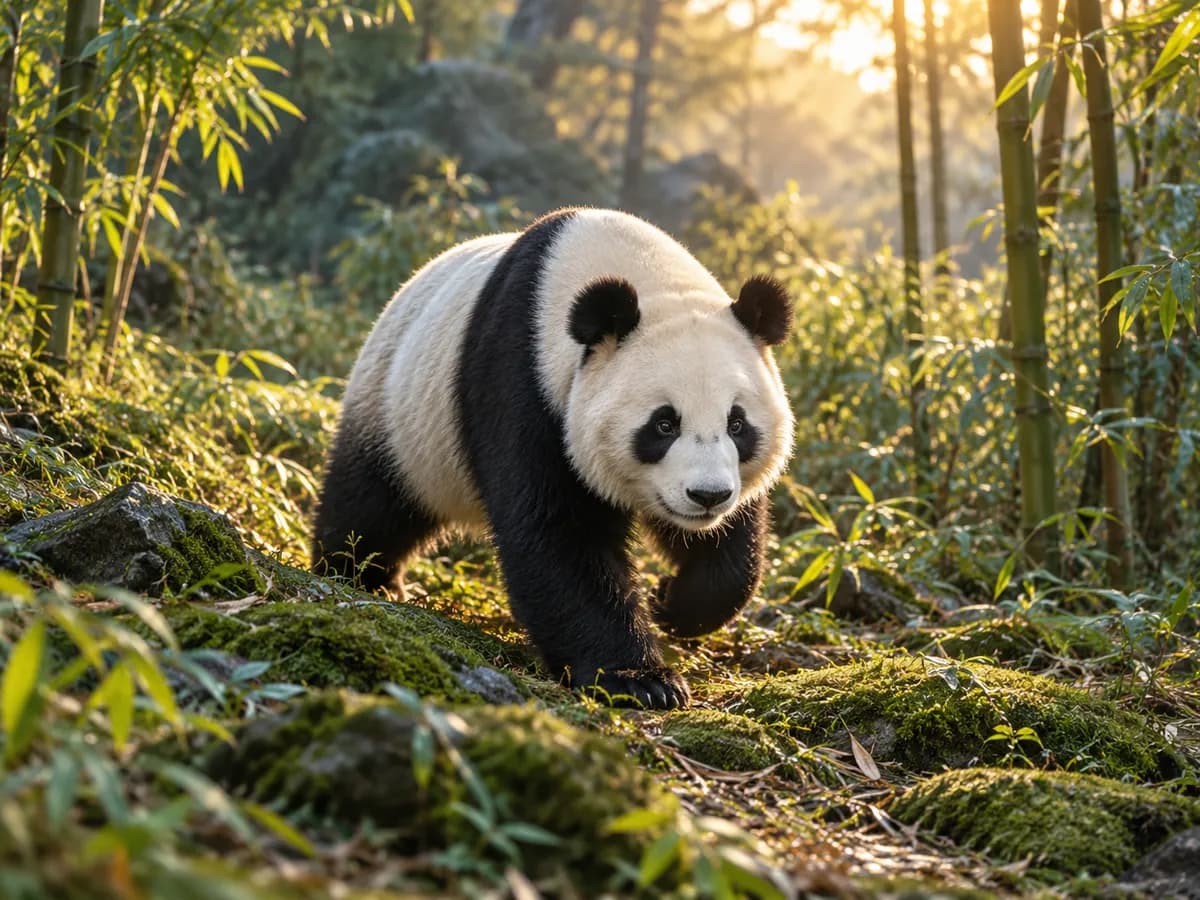 Giant pandaWith its black-and-white coat, the giant panda is one of the world's best-loved animals — a bear that lives almost entirely on bamboo. Thanks to conservation success, it is no longer classed as Endangered.Explore
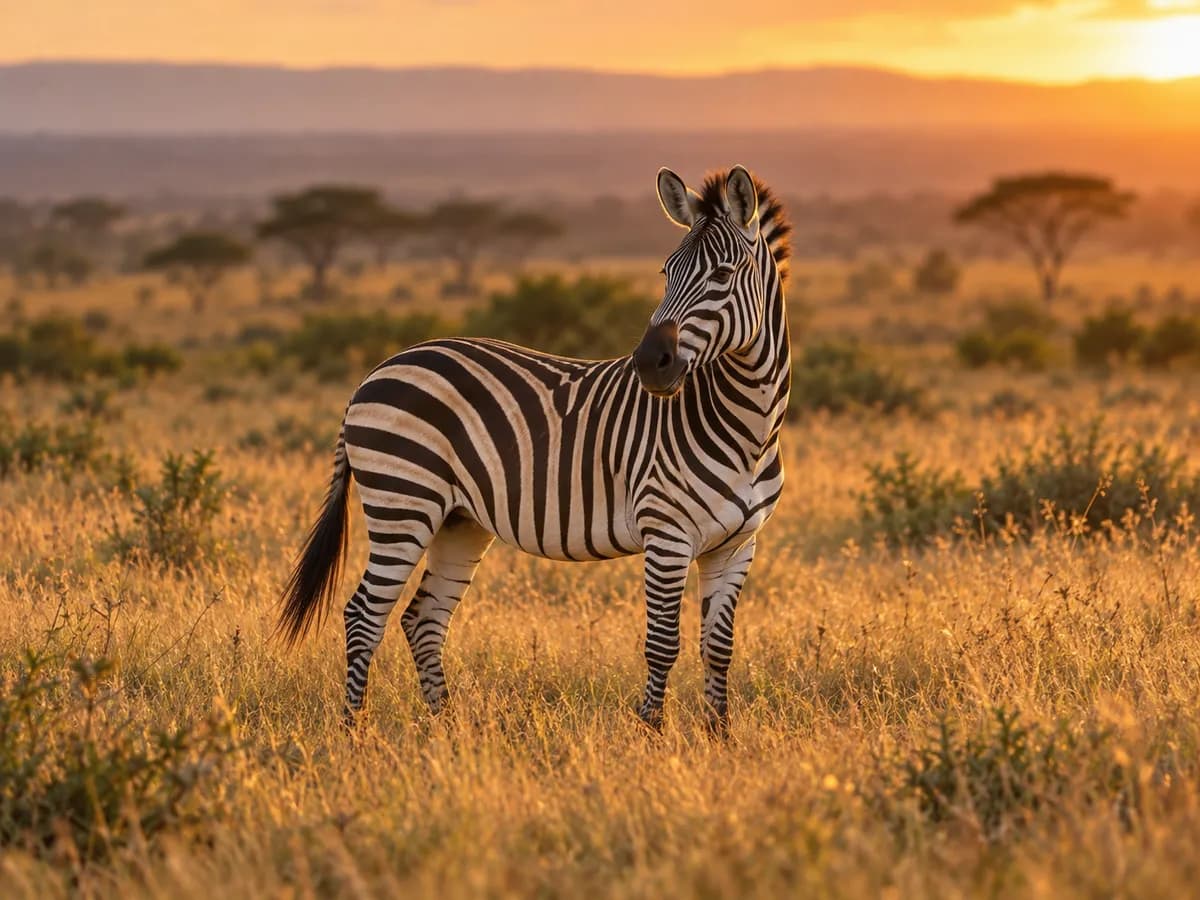 ZebraWith its black-and-white stripes, the plains zebra is one of the savanna's best-known animals and lives in large herds. Every zebra's stripe pattern is unique.Explore
Respect for nature, stronger tomorrows
Protecting wildlife is everyone's responsibility.
If you find an injured or young wild animal, don't touch it; inform your local wildlife authority. More knowledge, more awareness.
- Respect natural habitats
- Watch wild animals from afar
- Leave no litter in nature
- Support a sustainable future