

Angelfish
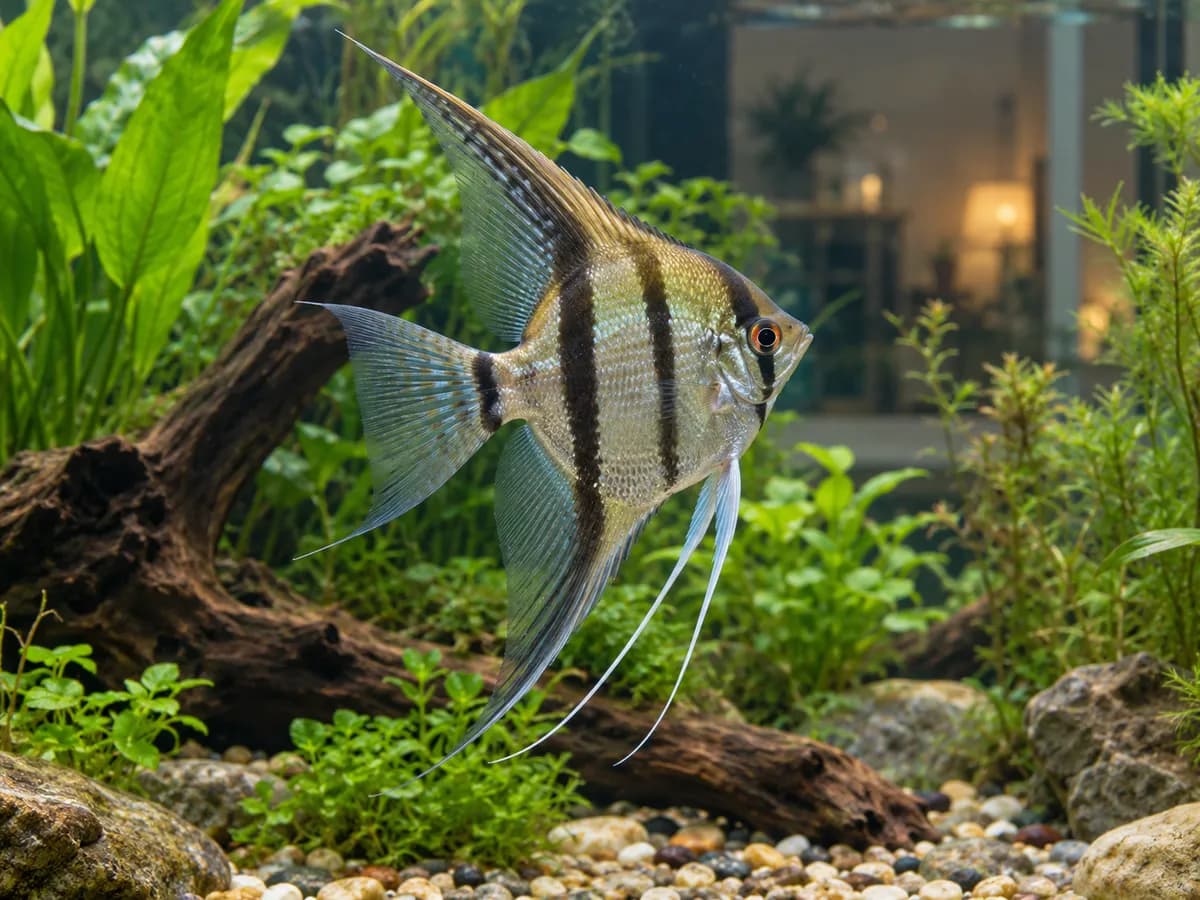
With their flat bodies and long fins, angelfish are among the most graceful aquarium fish. They need a tall, spacious aquarium, carefully chosen tank mates and stable water values.
- Typical lifespan
- 8–12 years
- Social needs
- Should live in a group
- Active hours
- Active by day
- Experience level
- Needs some experience
Values are typical ranges and vary with breed, husbandry and the individual animal.
Quick care summary
The care essentials for Angelfish.
- Nature and behaviorThey are generally calm and stately, but as cichlids they form hierarchies as they grow, and bonded pairs in particular may claim a territory.
- Living spaceBecause of their long fins, they need a tall aquarium large enough for their adult size and group.
- Feeding routineThey are omnivores.
- Care notesPlanning: Young angelfish grow quickly; choose the aquarium for their adult size.
In depth
In short
- Their long fins mean they need a tall, spacious aquarium.
- They are usually calm but can become territorial as they grow, especially when breeding.
- They may eat very small fish and can be harmed by fin-nipping species.
- They are tropical fish and need a heated, filtered, cycled aquarium.
- Plan for their adult size; don't choose a tank based on juvenile size.
Angelfish are cichlids from the slow-moving, plant- and root-filled waters of the Amazon basin in South America. Their flat, disc-shaped bodies and long fins give them a graceful look.
Nature and behavior
They are generally calm and stately, but as cichlids they form hierarchies as they grow, and bonded pairs in particular may claim a territory. They may see fish small enough to fit in their mouths (such as small neon tetras) as prey. They should not be kept with fin-nipping species.
Living space
Because of their long fins, they need a tall aquarium large enough for their adult size and group. Long-leaved plants and roots provide both hiding places and a natural look. The current should be gentle. The aquarium must be fully cycled before fish are added.
Feeding routine
They are omnivores. A quality flake or granule food is the base, varied with suitable frozen foods. Feeding once or twice a day, only what they finish in a few minutes, is enough; leftover food spoils the water.
Care notes
- Planning: Young angelfish grow quickly; choose the aquarium for their adult size.
- Tank mates: Choose peaceful species of similar size that don't nip fins.
- Water values: Make regular partial water changes and track ammonia, nitrite and nitrate.
- Observation: Chasing and hiding can be signs of territorial disputes.
Good to know
The most important points.
- When to contact a vetIf you notice frayed fins, white spots or patches on the body, unbalanced swimming or loss of appetite, check your water values first and talk to a veterinarian experienced with ornamental fish or an experienced aquarist.
Similar animals
Other animals in the same group.
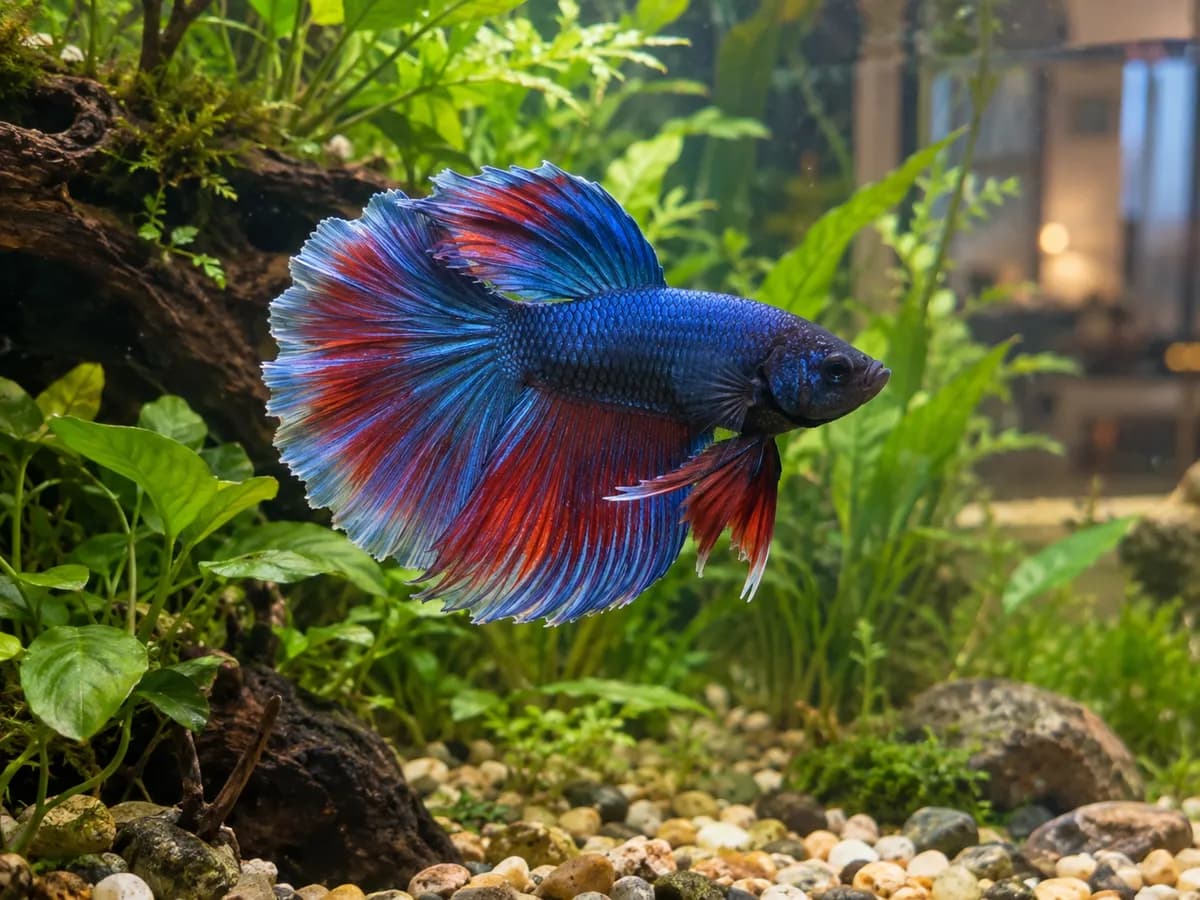 Betta fishWith colorful fins and real personality, betta fish are not simple enough to live in tiny bowls. They are healthier and more active in a heated, filtered and cycled aquarium.Explore
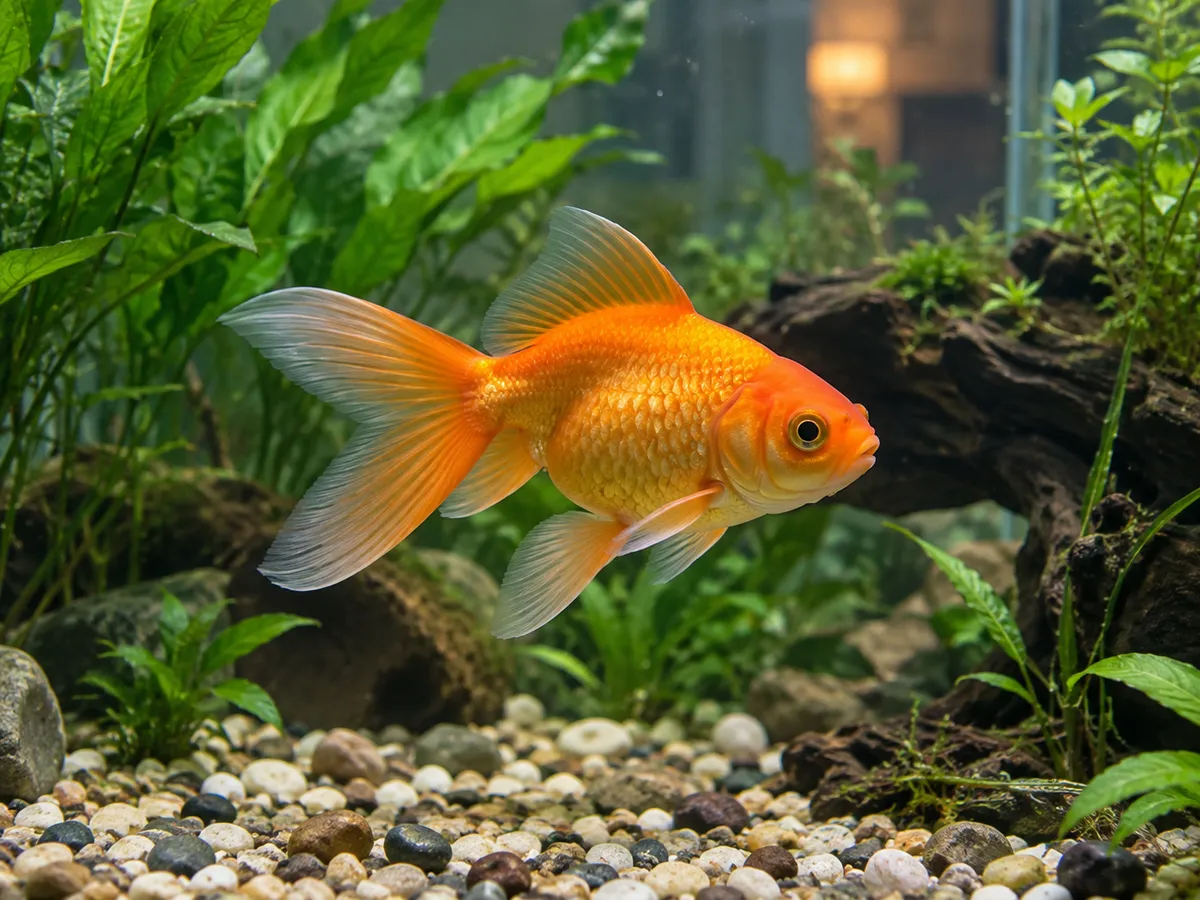 GoldfishGoldfish are not tiny ornaments that live a few months in a bowl: in the right conditions they grow, can live for more than a decade and recognise their owners. Plenty of water, strong filtration and regular water care are their basic needs.Explore
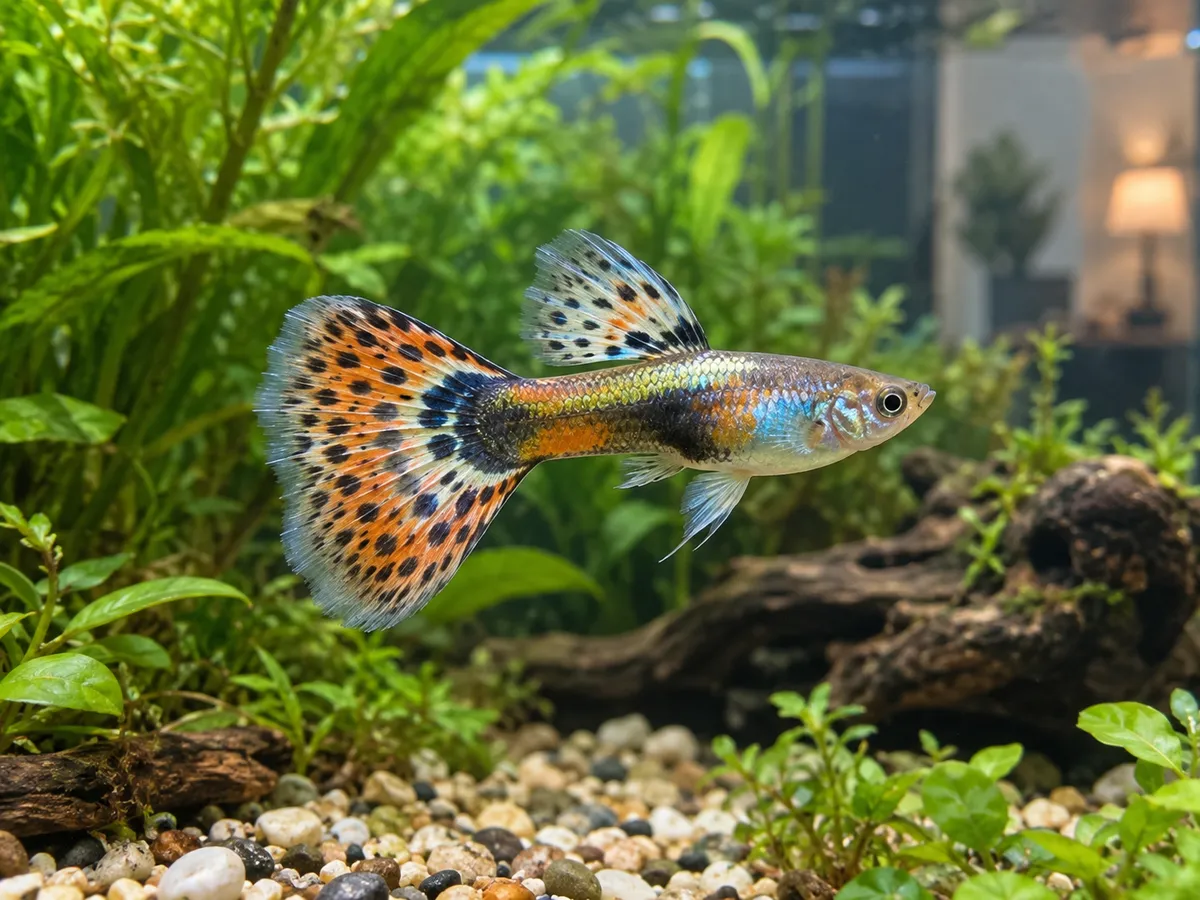 GuppyColorful and lively, guppies are among the best-known aquarium fish. They need a cycled, heated aquarium, a small group of companions and a plan for how quickly they breed.Explore
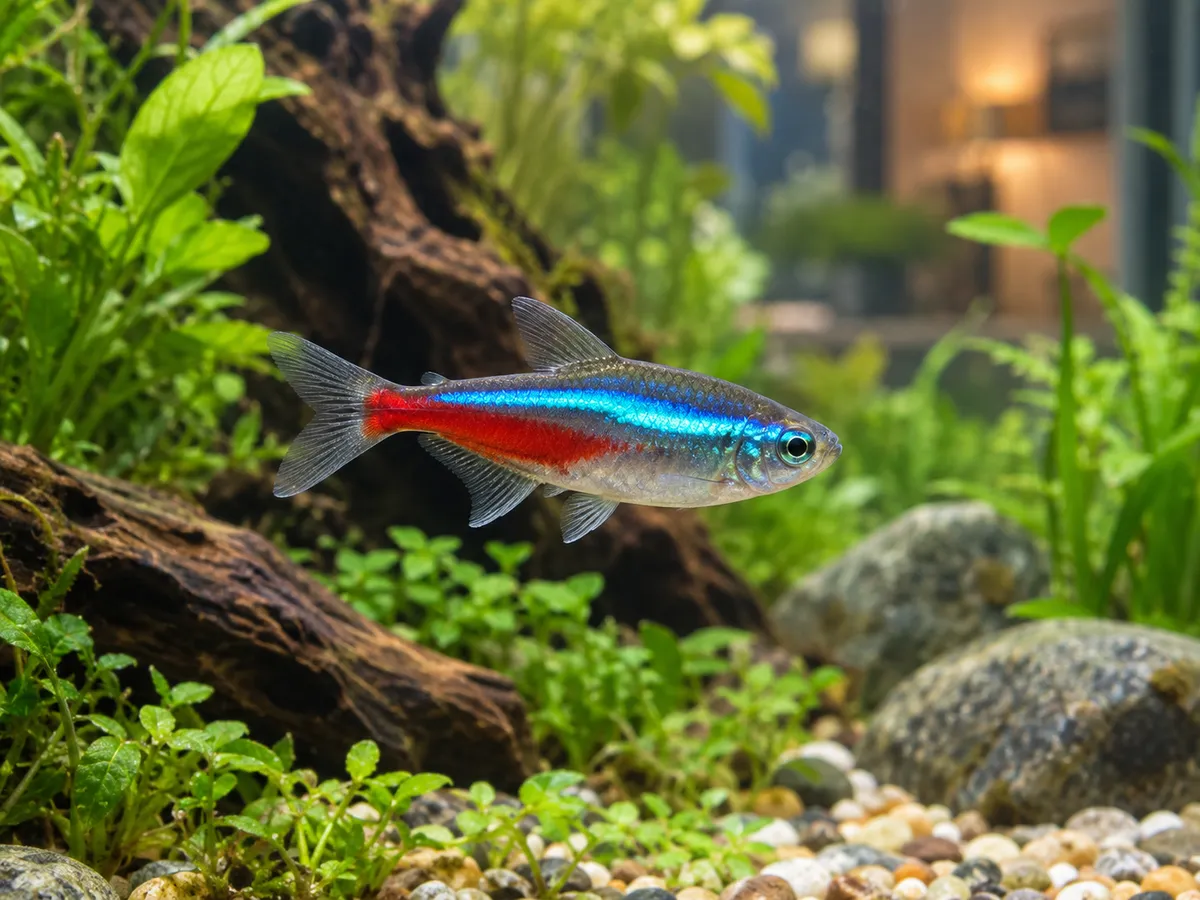 Neon tetraWith their bright blue and red stripes, neon tetras are small, peaceful fish that swim in schools. They need a mature, calm, planted aquarium, a large group and stable water values.Explore
Happier together
Create a free profile for your companion.
Enter the date of birth or an estimated age to see its life stage, weight history and matching guides in one place.
- Life-stage tracking
- Weight history
- Guides for its species
- Free account