

Axolotls
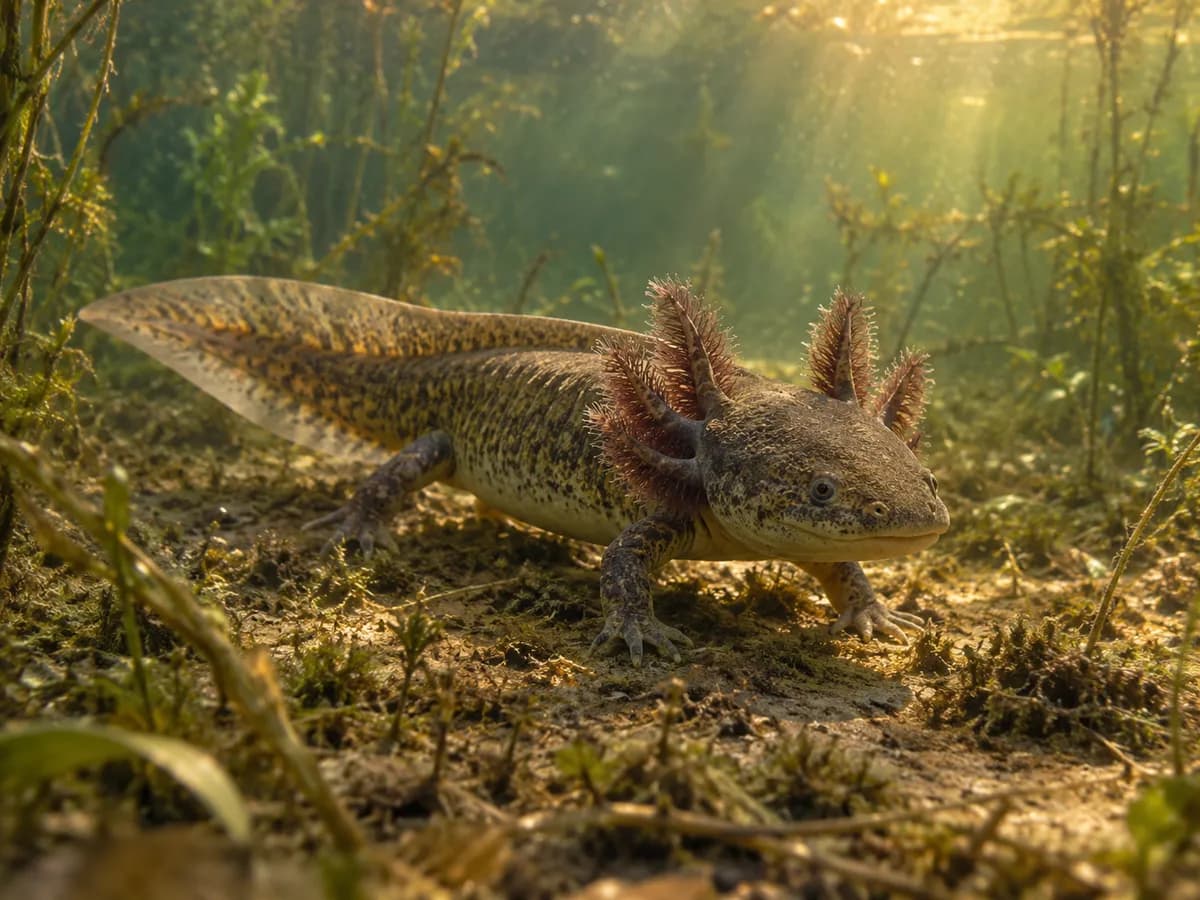
The axolotl keeps its larval look even as an adult and draws scientific interest for its ability to regrow lost body parts. In the wild it lives only in a few canals near Mexico City and is critically endangered.
- Length
- 15–30 cm
- Weight
- 60–230 g
- Lifespan in the wild
- 10–15 years
- Conservation status (IUCN)
- Critically endangered (CR)
Figures are approximate for adults and vary by sex, subspecies and population.
At a glance
The key facts about Axolotls.
- Where does it live?In the wild it lives only in the Xochimilco lake and canal system south of Mexico City.
- What does it eat?It is a carnivore that eats small fish, worms, insect larvae and crustaceans.
- Behaviour and social lifeAxolotls live alone and mostly hide among plants on the lake bottom.
- YoungThe female attaches hundreds of eggs one by one to water plants.
In depth
In short
- The axolotl is a salamander that keeps larval features throughout life.
- The feathery structures on the sides of its head are external gills.
- It can regenerate limbs, heart tissue and parts of the brain.
- In the wild it lives only in the Xochimilco canals near Mexico City.
- The IUCN lists it as Critically Endangered; pollution and habitat loss are the main threats.
The axolotl (Ambystoma mexicanum) is a salamander that, unlike most amphibians, does not undergo metamorphosis: it keeps its aquatic larval form as an adult. The feathery structures on each side of its head are external gills that let it breathe underwater. Wild axolotls are usually dark; the pink-white colour common in aquariums is widespread in captive-bred lines.
Where does it live?
In the wild it lives only in the Xochimilco lake and canal system south of Mexico City. Historically it also lived in nearby Lake Chalco, which has largely been drained.
What does it eat?
It is a carnivore that eats small fish, worms, insect larvae and crustaceans. It catches prey by opening its mouth quickly and sucking in water.
Behaviour and social life
Axolotls live alone and mostly hide among plants on the lake bottom. In addition to gills, they have lungs and occasionally gulp air at the surface.
Young
The female attaches hundreds of eggs one by one to water plants. The young hatch as tiny larvae and grow quickly.
Conservation status
The axolotl is listed as Critically Endangered (CR) on the IUCN Red List. Urban growth, water pollution, degraded canals and non-native fish released into the lakes (such as carp and tilapia) have greatly reduced wild populations. Although many axolotls live in laboratories and aquariums around the world, the wild population is very small.
Fun facts
- Axolotls are widely studied in scientific research on tissue regeneration.
- Its name comes from Nahuatl, the Aztec language, and is often translated as "water dog" or "water monster".
- The axolotl is one of Mexico's cultural symbols.
Similar animals
Other animals in the same group.
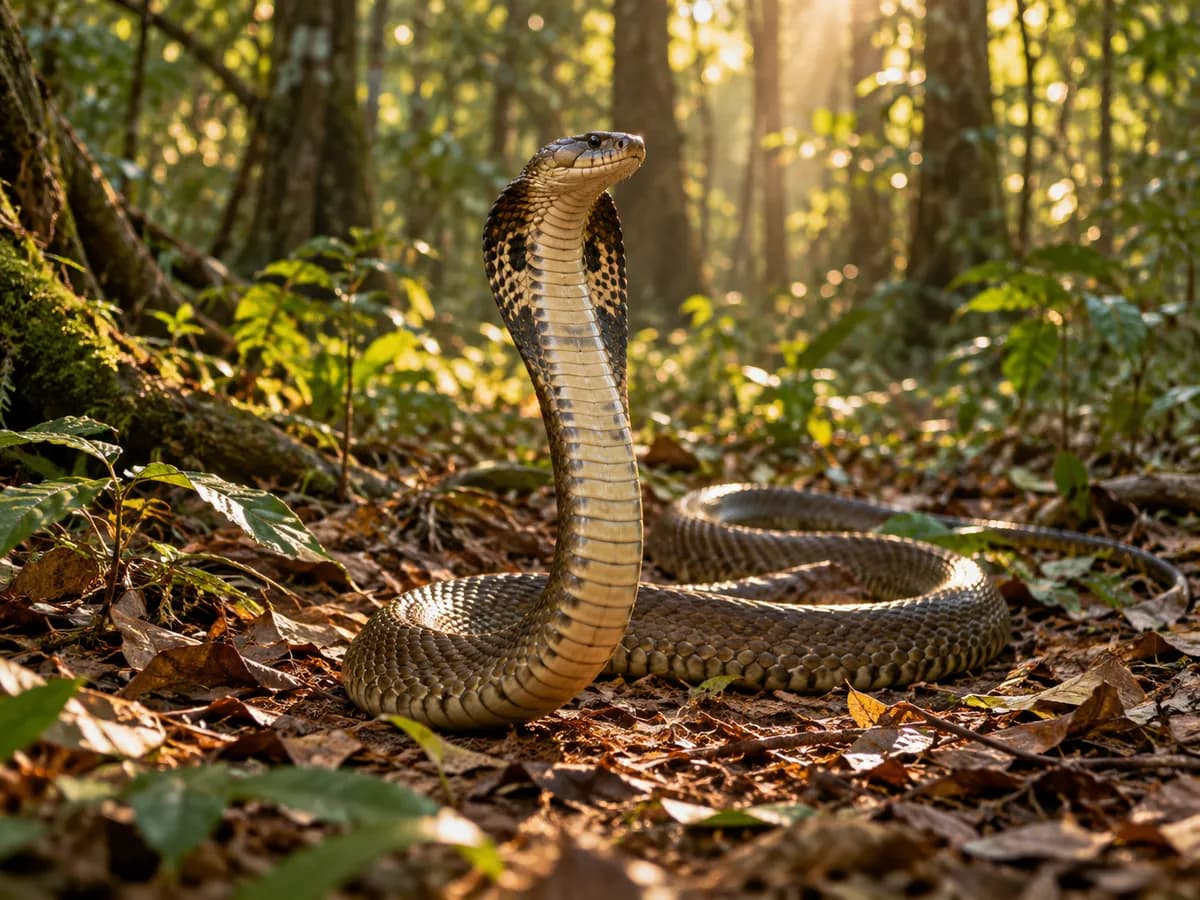 King cobraThe world's longest venomous snake, the king cobra warns intruders by raising its head off the ground and spreading its hood. Most of its diet is other snakes.Explore
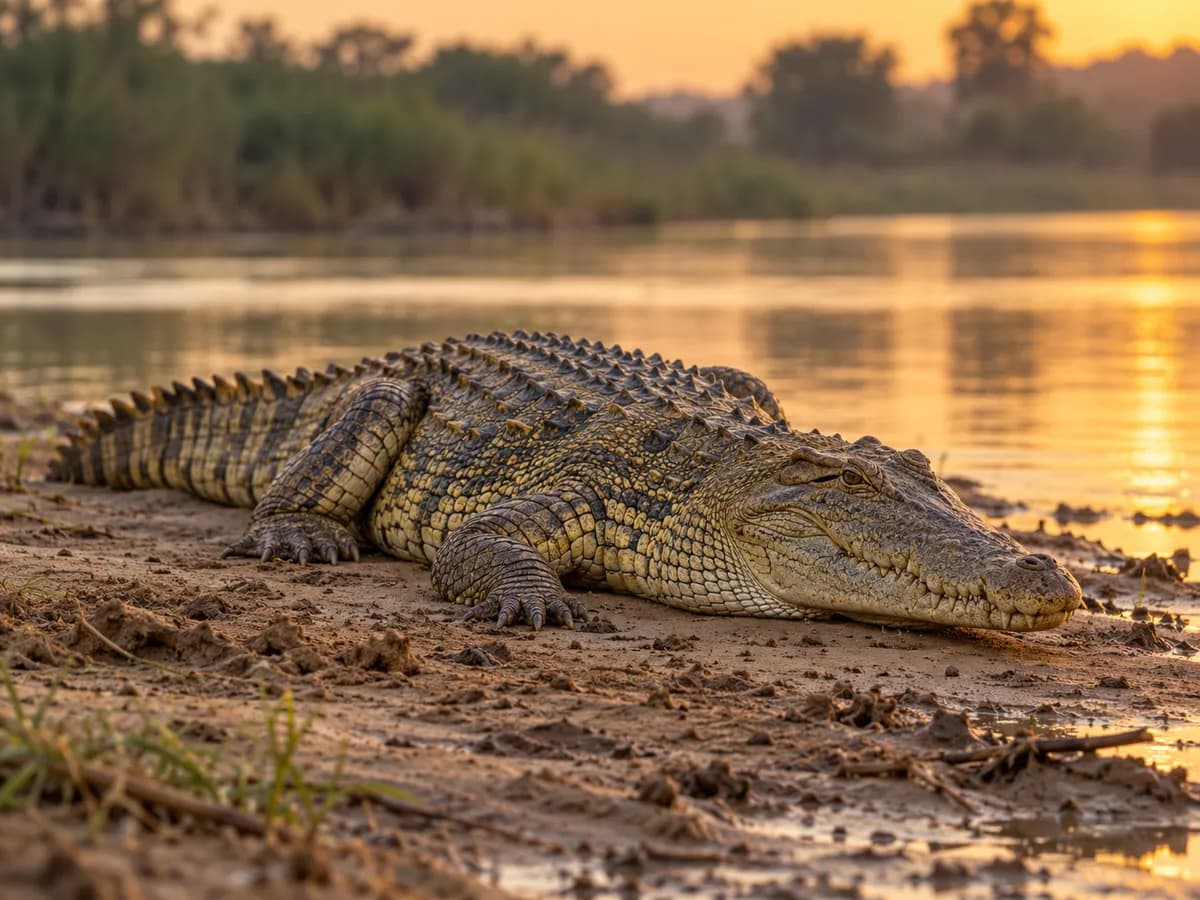 Nile crocodileAfrica's largest reptile, the Nile crocodile is the patient hunter of rivers and lakes. Despite its cold-blooded image, it cares for its young with surprising attention.Explore
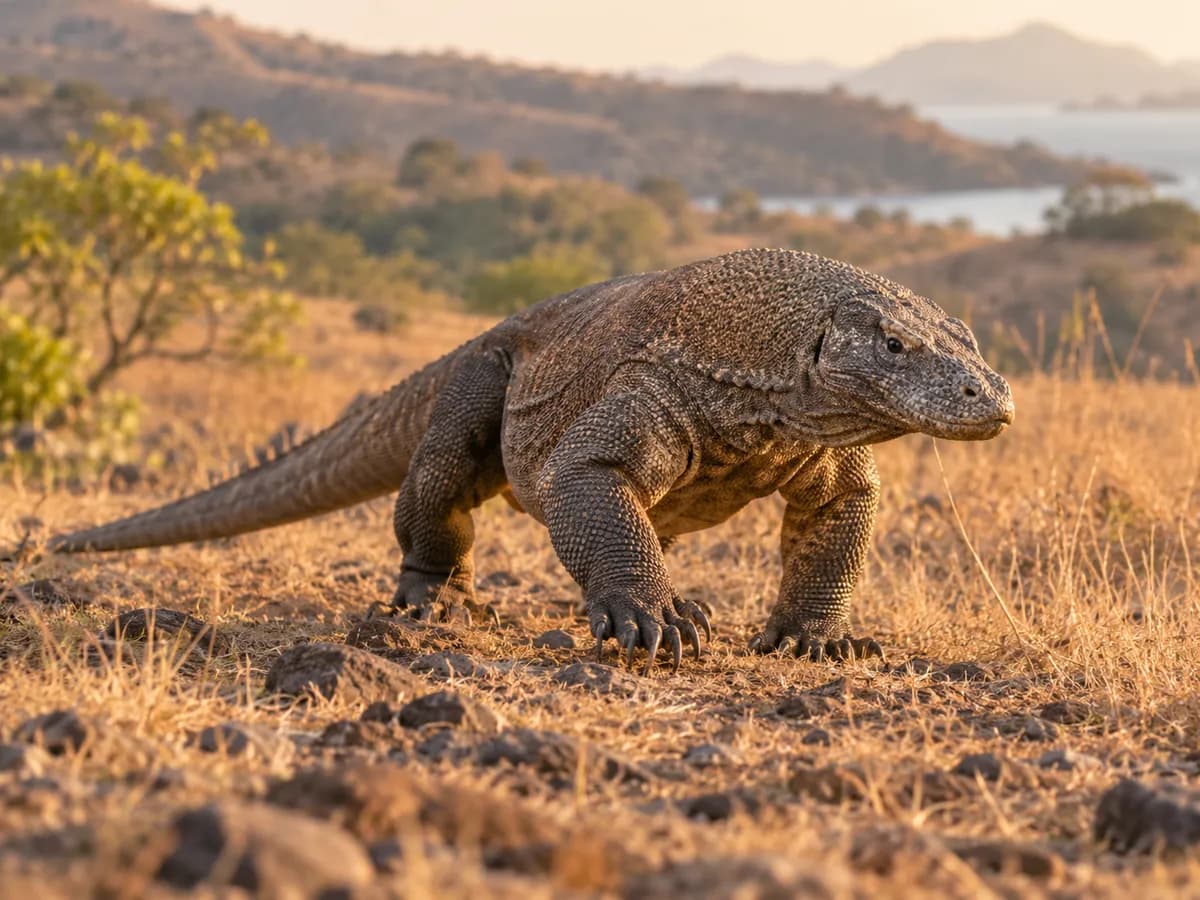 Komodo dragonThe world's largest lizard, the Komodo dragon is a powerful predator that lives on a few Indonesian islands. Venom in its bite helps weaken its prey.Explore
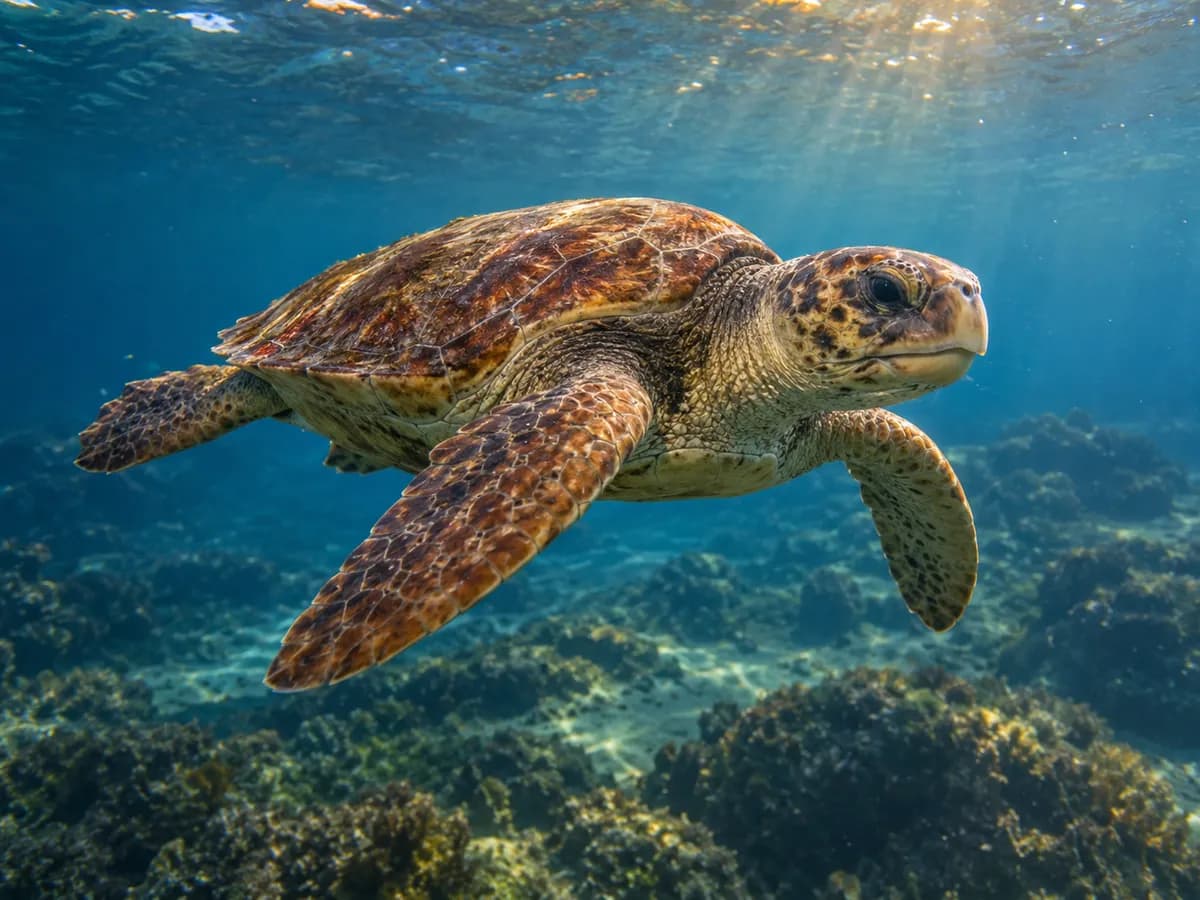 Loggerhead sea turtleKnown for its big head and strong jaws, the loggerhead sea turtle nests on beaches along Türkiye's Mediterranean and Aegean coasts. İztuzu beach at Dalyan is one of its best-known nesting sites.Explore
Respect for nature, stronger tomorrows
Protecting wildlife is everyone's responsibility.
If you find an injured or young wild animal, don't touch it; inform your local wildlife authority. More knowledge, more awareness.
- Respect natural habitats
- Watch wild animals from afar
- Leave no litter in nature
- Support a sustainable future