

Nile crocodiles
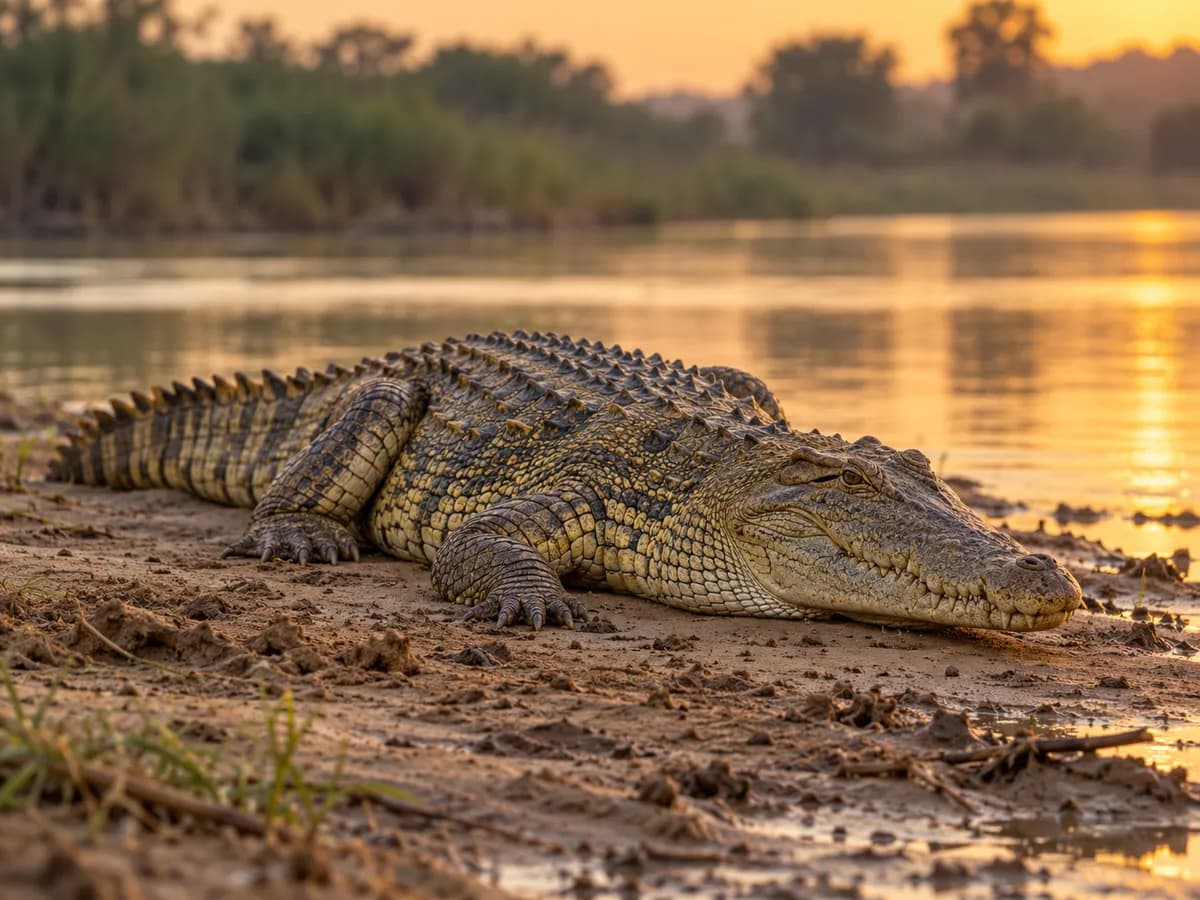
Africa's largest reptile, the Nile crocodile is the patient hunter of rivers and lakes. Despite its cold-blooded image, it cares for its young with surprising attention.
- Length
- 2.5–5 m
- Weight
- 225–750 kg
- Lifespan in the wild
- 45–70 years
- Conservation status (IUCN)
- Least concern (LC)
Figures are approximate for adults and vary by sex, subspecies and population.
At a glance
The key facts about Nile crocodiles.
- Where does it live?It lives across much of Africa south of the Sahara, in rivers, lakes, marshes and reservoirs.
- What does it eat?It is a carnivore.
- Behaviour and social lifeCrocodiles take their body heat from their surroundings, so they spend part of the day basking on the bank and part cooling off in the water.
- YoungThe female buries her eggs in a sandy nest near the water and stays close by to guard it.
In depth
In short
- The Nile crocodile is Africa's largest reptile.
- It lives in rivers, lakes and marshes across Africa south of the Sahara.
- It hunts a wide range of animals, from fish to large mammals.
- The female guards her nest and helps carry her hatchlings to the water.
- The IUCN lists it as Least Concern.
The Nile crocodile (Crocodylus niloticus) is Africa's largest reptile; large males can approach 5 metres in length. Because its eyes, ears and nostrils sit on top of its head, it can see, hear and breathe while almost its whole body is underwater.
Where does it live?
It lives across much of Africa south of the Sahara, in rivers, lakes, marshes and reservoirs. It is also found in parts of Madagascar.
What does it eat?
It is a carnivore. Young crocodiles eat insects, frogs and small fish. Adults can hunt fish, birds and large mammals such as antelopes and zebras that come to drink. It approaches unseen in the water and seizes prey with a sudden lunge.
Behaviour and social life
Crocodiles take their body heat from their surroundings, so they spend part of the day basking on the bank and part cooling off in the water. Lying on the bank with the mouth open also helps regulate body temperature. Large males hold territories.
Young
The female buries her eggs in a sandy nest near the water and stays close by to guard it. Nest temperature influences the sex of the hatchlings. When ready to hatch, the young call out; the mother opens the nest and may carry the hatchlings to the water in her mouth.
Conservation status
The Nile crocodile is listed as Least Concern (LC) on the IUCN Red List. Heavy hunting for skins in the 20th century greatly reduced its numbers, but protection has allowed populations to recover in many areas. Habitat loss and conflict with people are still problems in some regions.
Fun facts
- Crocodiles belong to the reptile group most closely related to living birds.
- Stones thought to aid digestion may be found in their stomachs.
- Crocodiles are known to replace their teeth throughout life.
Good to know
The most important points.
- Keep away from wild animalsBe careful near waters where crocodiles live and follow local warning signs.
Similar animals
Other animals in the same group.
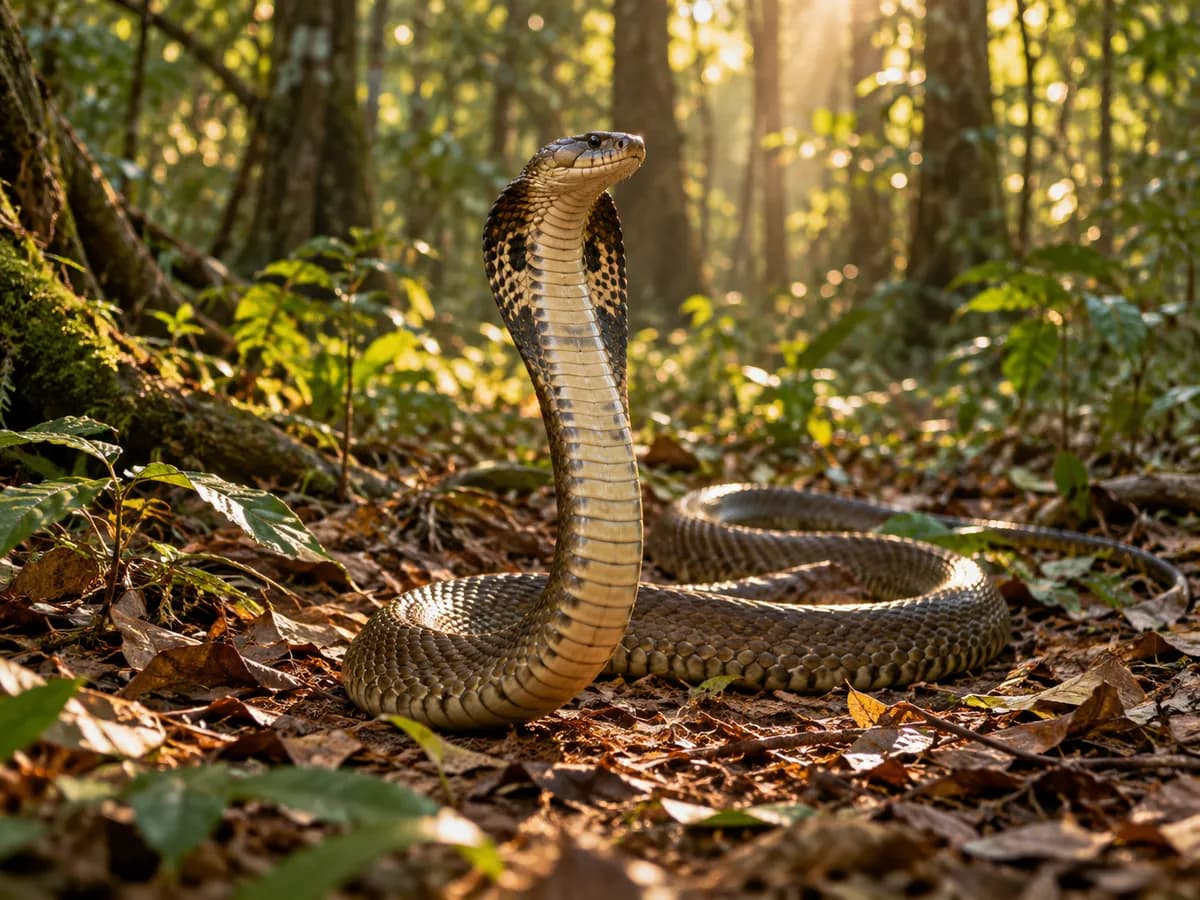 King cobraThe world's longest venomous snake, the king cobra warns intruders by raising its head off the ground and spreading its hood. Most of its diet is other snakes.Explore
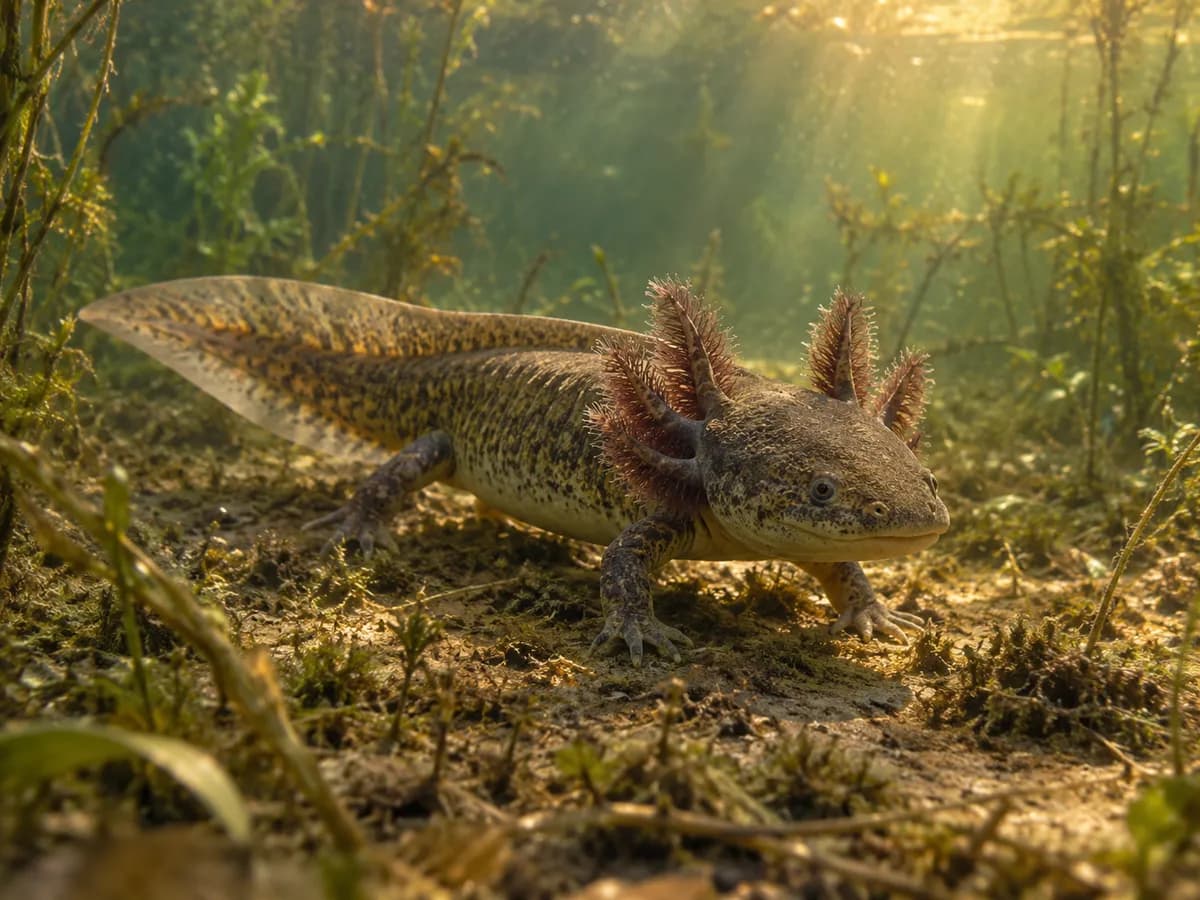 AxolotlThe axolotl keeps its larval look even as an adult and draws scientific interest for its ability to regrow lost body parts. In the wild it lives only in a few canals near Mexico City and is critically endangered.Explore
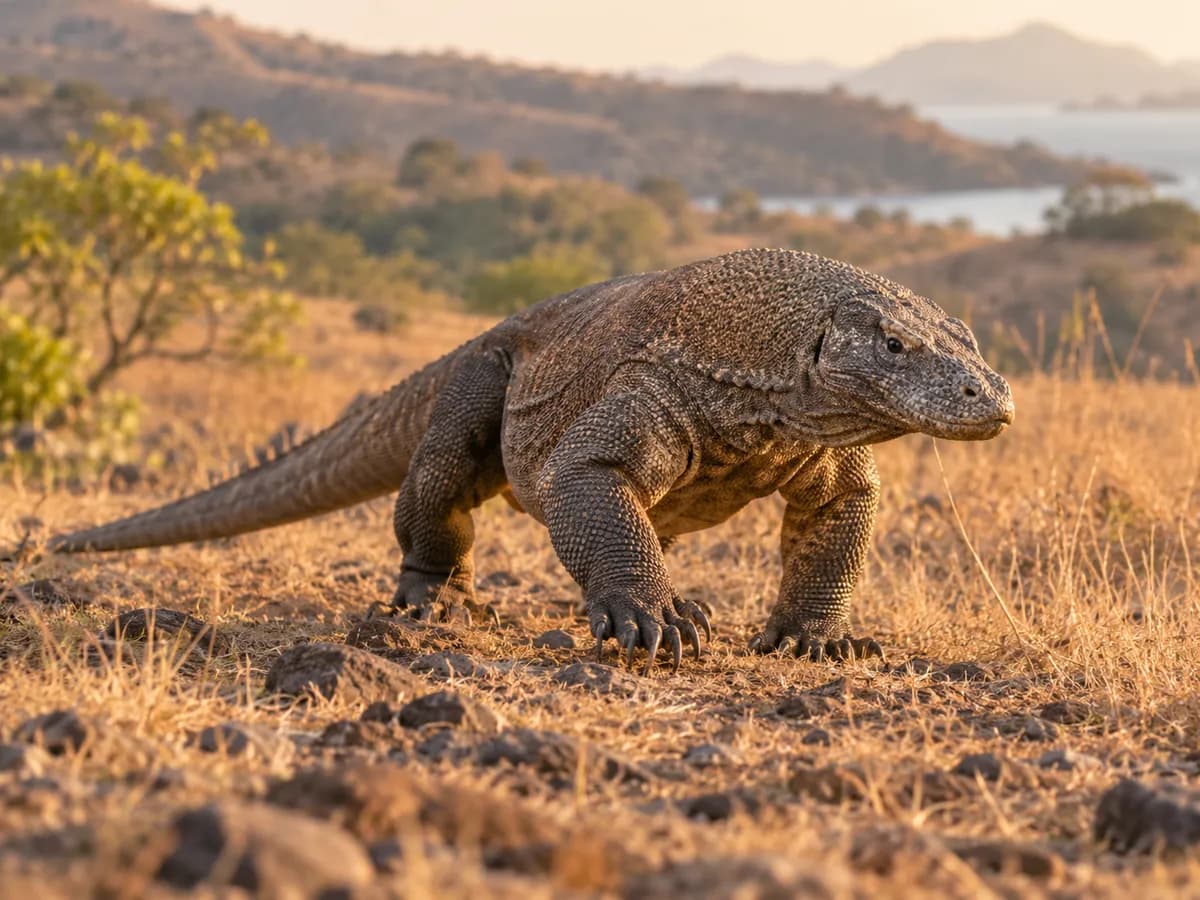 Komodo dragonThe world's largest lizard, the Komodo dragon is a powerful predator that lives on a few Indonesian islands. Venom in its bite helps weaken its prey.Explore
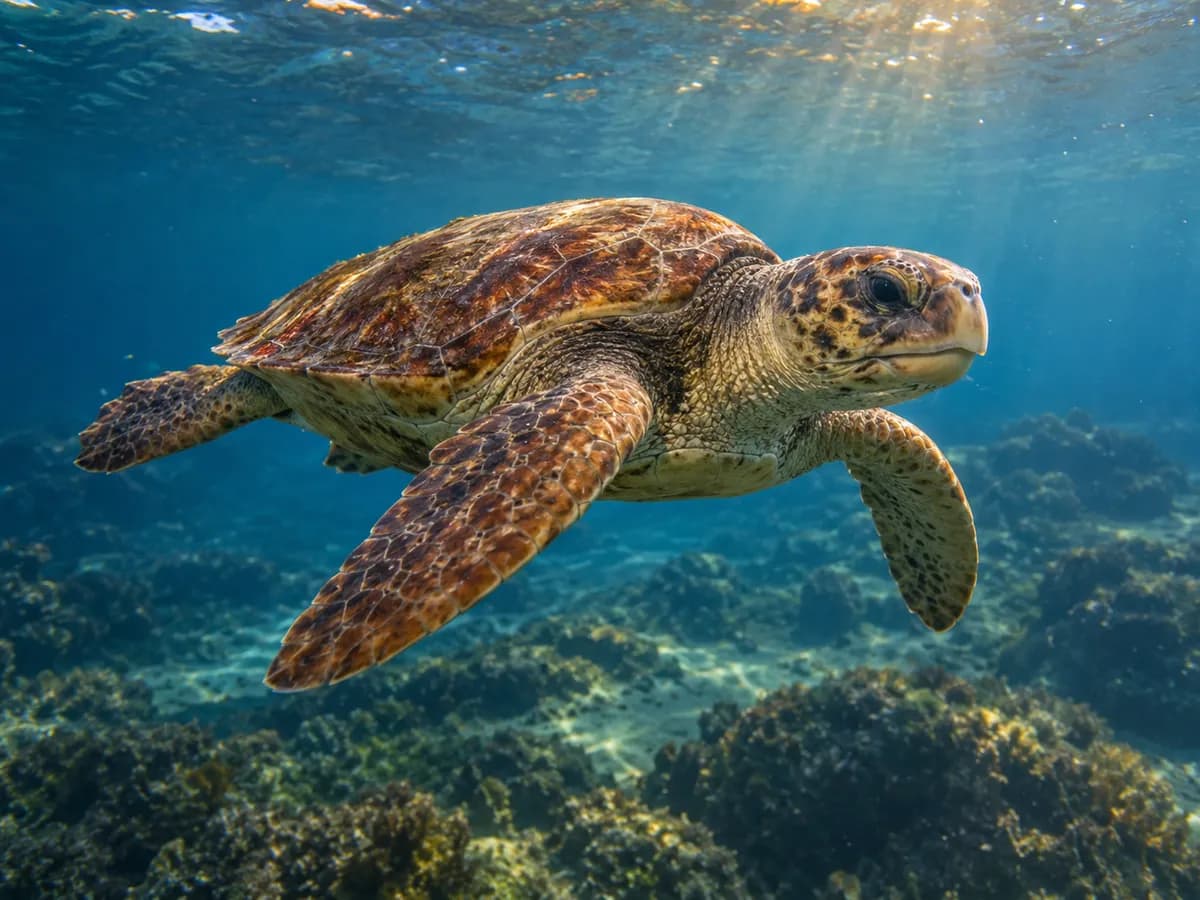 Loggerhead sea turtleKnown for its big head and strong jaws, the loggerhead sea turtle nests on beaches along Türkiye's Mediterranean and Aegean coasts. İztuzu beach at Dalyan is one of its best-known nesting sites.Explore
Respect for nature, stronger tomorrows
Protecting wildlife is everyone's responsibility.
If you find an injured or young wild animal, don't touch it; inform your local wildlife authority. More knowledge, more awareness.
- Respect natural habitats
- Watch wild animals from afar
- Leave no litter in nature
- Support a sustainable future