

Common octopuses
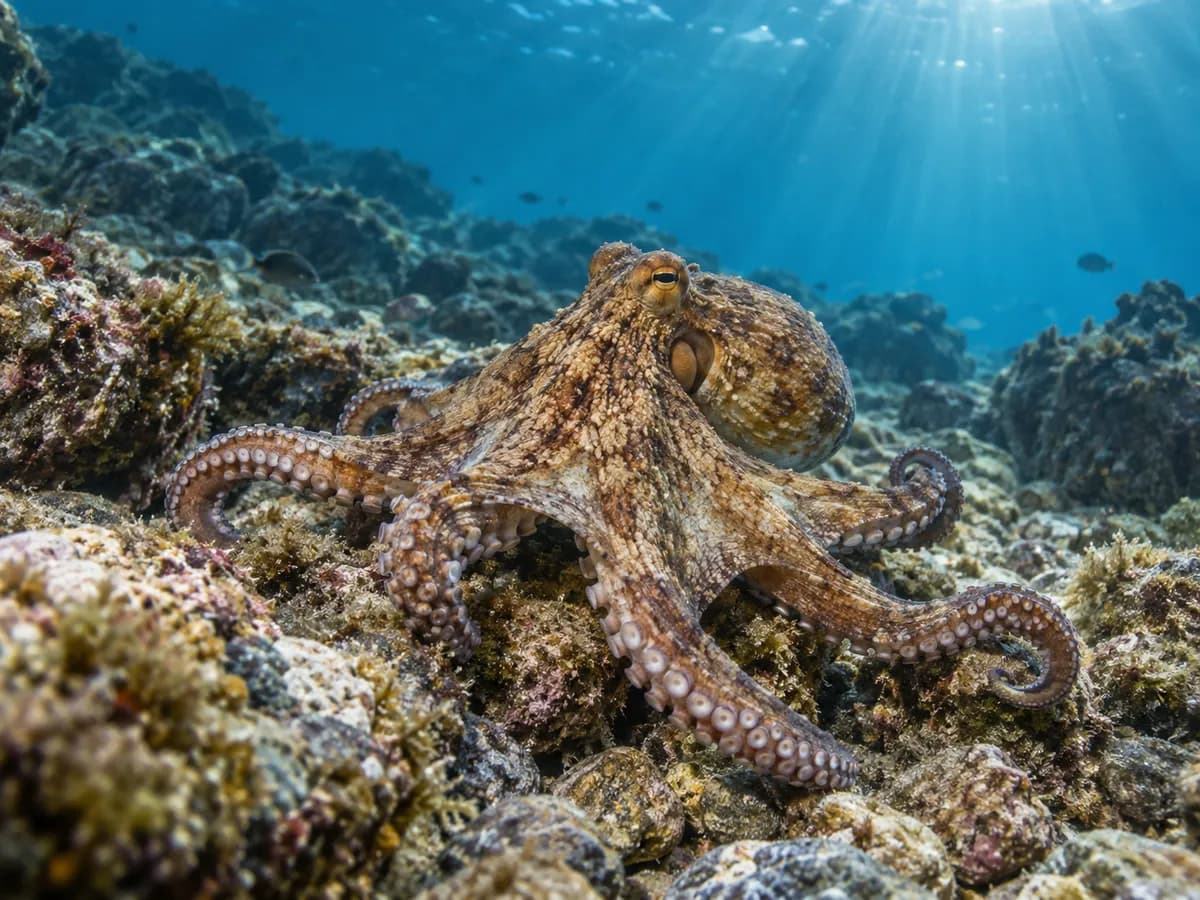
With eight arms, colour-changing skin and a talent for solving problems, the octopus is one of the sea's most surprising animals. The common octopus, which also lives off Türkiye's coasts, lives only a year or two.
- Length
- 0.6–1.3 m
- Weight
- 3–10 kg
- Lifespan in the wild
- 1–2 years
- Conservation status (IUCN)
- Least concern (LC)
Figures are approximate for adults and vary by sex, subspecies and population.
At a glance
The key facts about Common octopuses.
- Where does it live?It lives on rocky and stony bottoms near the coast in temperate and warm seas, especially the Mediterranean and eastern Atlantic.
- What does it eat?It is a carnivore that eats crabs, mussels, oysters and other shellfish, as well as small fish.
- Behaviour and social lifeOctopuses live alone and usually hide in a den among rocks.
- YoungThe female hangs thousands of tiny eggs from the ceiling of a den and cleans and guards them for weeks without eating.
In depth
In short
- The octopus has eight arms and three hearts.
- It can change the colour and texture of its skin in seconds.
- It is known for its problem-solving and learning abilities.
- It lives along Türkiye's coasts, especially in the Aegean and Mediterranean.
- It usually lives only 1–2 years; the female dies after guarding her eggs.
The common octopus (Octopus vulgaris) is a soft-bodied, boneless sea animal belonging to the cephalopods. Each of its eight arms has hundreds of suckers. A large share of its nerve cells are in its arms, which allows the arms to act somewhat on their own.
Where does it live?
It lives on rocky and stony bottoms near the coast in temperate and warm seas, especially the Mediterranean and eastern Atlantic. In Türkiye it is common along the Aegean and Mediterranean coasts.
What does it eat?
It is a carnivore that eats crabs, mussels, oysters and other shellfish, as well as small fish. It can open hard shells with its beak and special secretions.
Behaviour and social life
Octopuses live alone and usually hide in a den among rocks. When in danger they squirt ink and escape. Special cells in their skin let them change colour and texture to blend in. Laboratory and field observations show that octopuses can open jars, solve mazes and learn from experience.
Young
The female hangs thousands of tiny eggs from the ceiling of a den and cleans and guards them for weeks without eating. She dies shortly after the eggs hatch. The young drift in open water as plankton for a while.
Conservation status
The common octopus is listed as Least Concern (LC) on the IUCN Red List. It is commercially important, and heavy fishing can put pressure on populations in some areas.
Fun facts
- Octopus blood is blue because of a copper-based protein.
- A lost arm can grow back over time.
- Having no bones, they can squeeze through any gap larger than their beak.
Similar animals
Other animals in the same group.
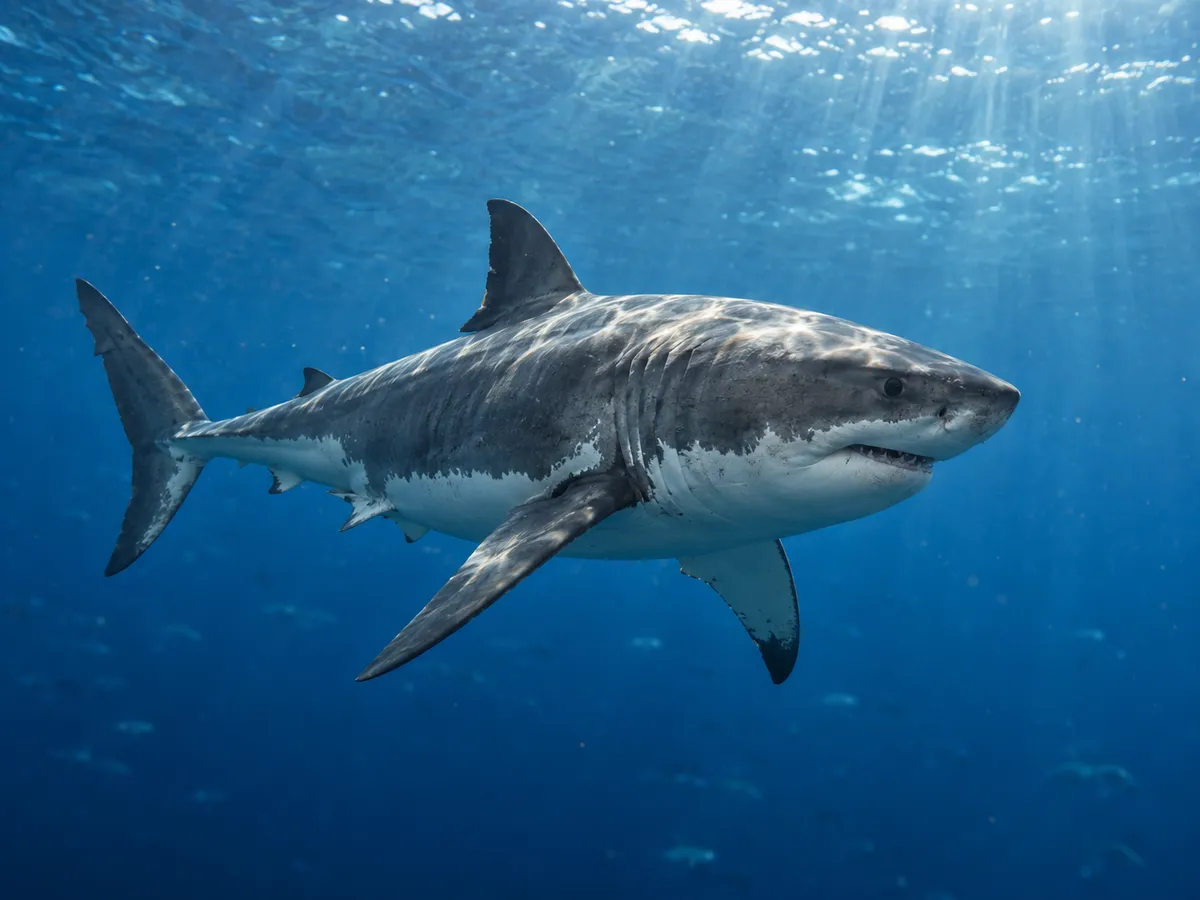 Great white sharkThe ocean's most famous predator, the great white shark is known for its powerful senses and impressive size. Despite its frightening film image, attacks on people are extremely rare.Explore
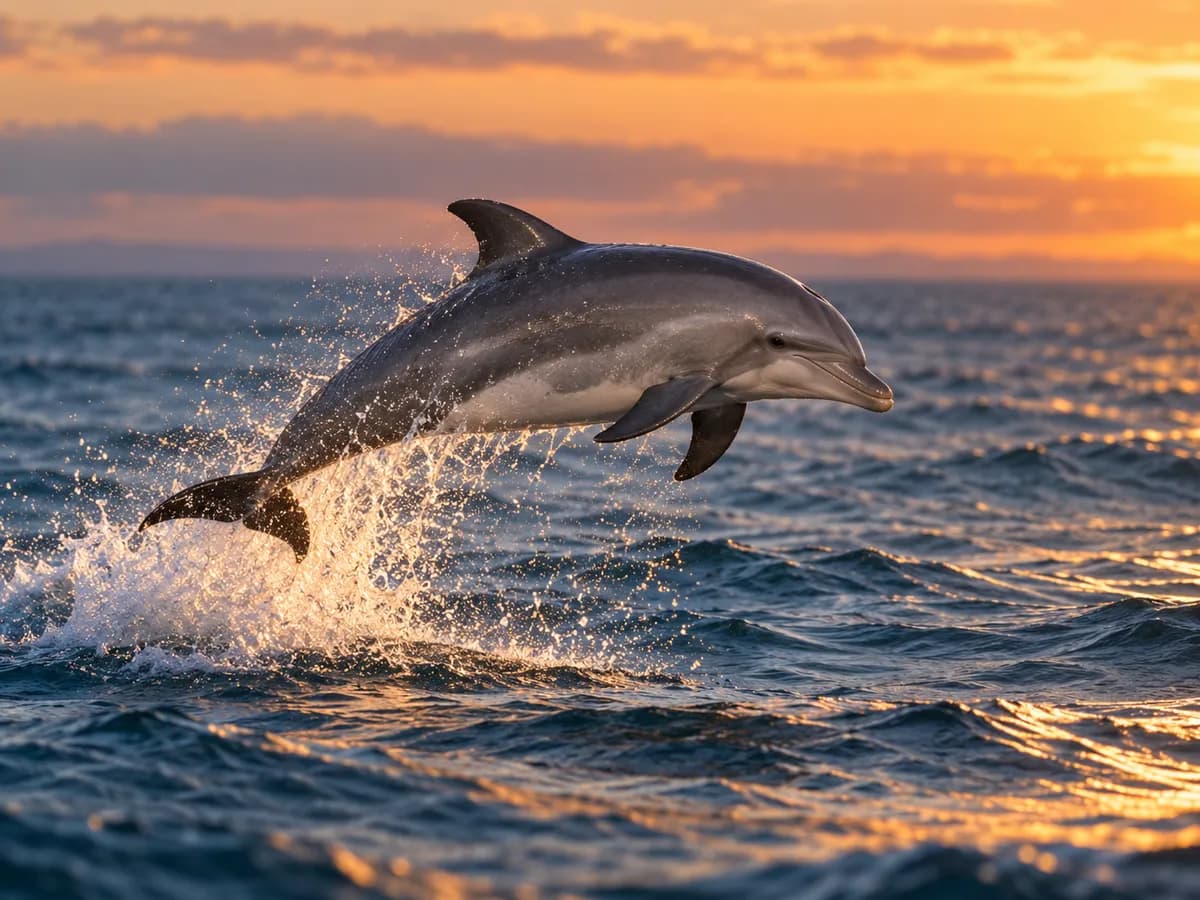 Bottlenose dolphinKnown for its intelligence, playfulness and strong social bonds, the bottlenose dolphin lives in warm and temperate seas around the world. It is one of the most familiar dolphins and can also be seen off Türkiye's coasts.Explore
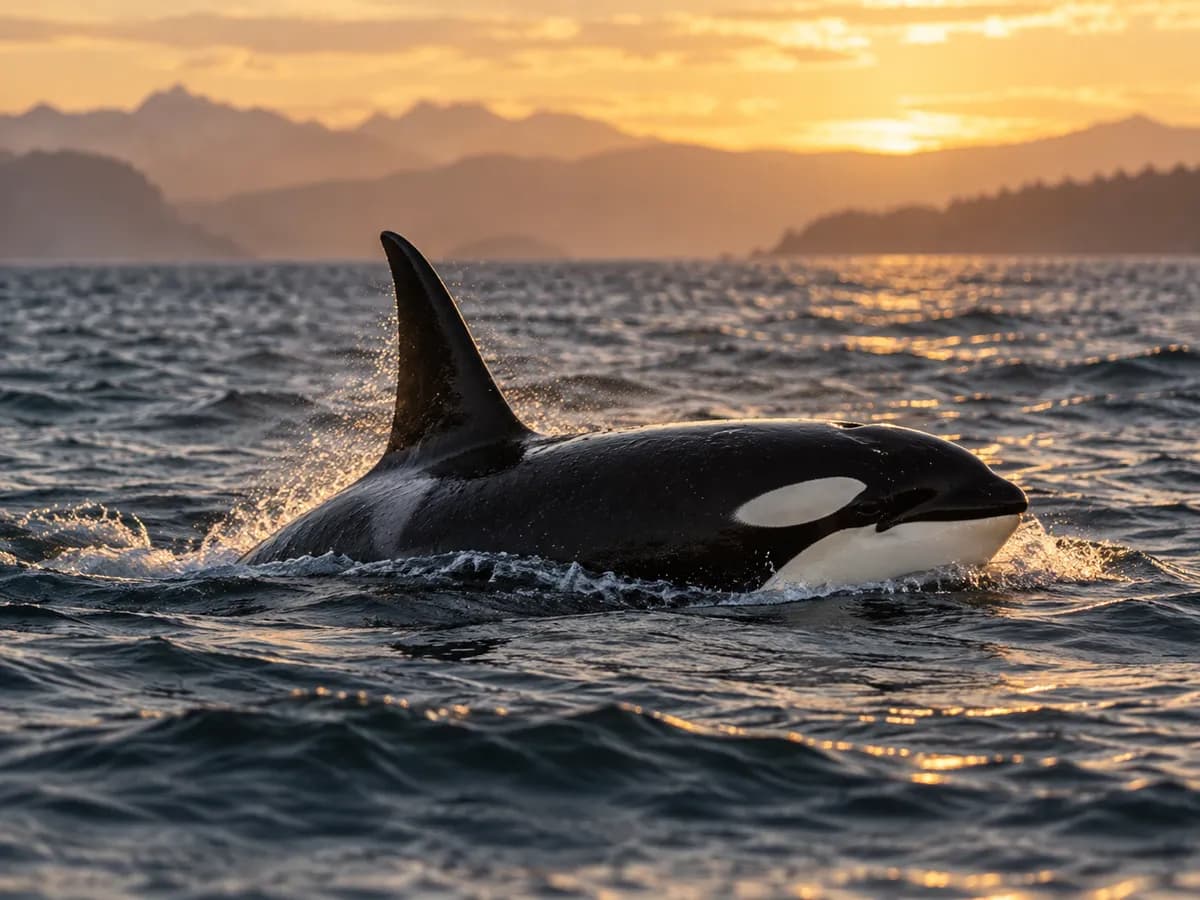 OrcaThe largest of the dolphins, the orca is one of the ocean's smartest hunters, with its black-and-white look and complex family groups. Different orca communities develop their own hunting techniques and "dialects".Explore
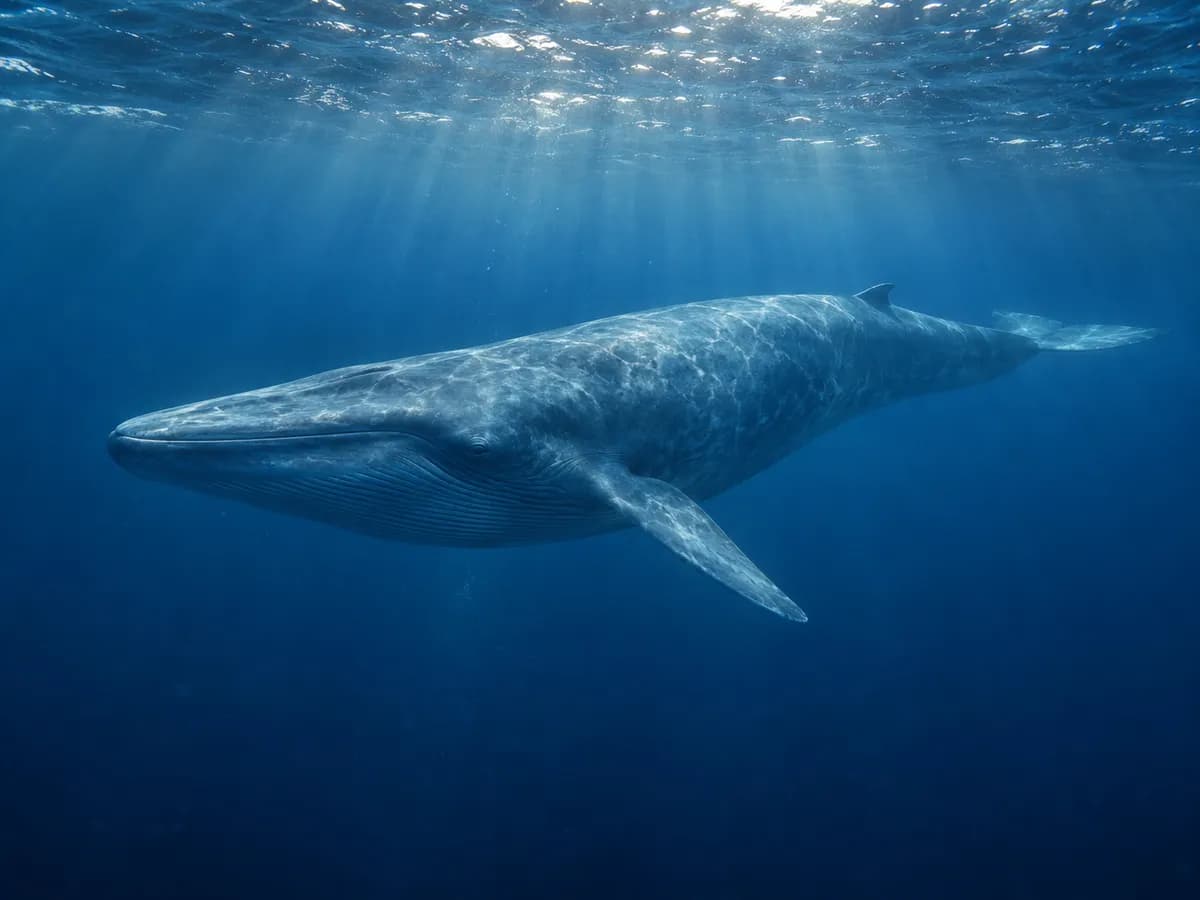 Blue whaleThe largest animal known to have ever lived, the blue whale feeds by filtering tiny krill despite its size. It is still recovering from intensive whaling.Explore
Respect for nature, stronger tomorrows
Protecting wildlife is everyone's responsibility.
If you find an injured or young wild animal, don't touch it; inform your local wildlife authority. More knowledge, more awareness.
- Respect natural habitats
- Watch wild animals from afar
- Leave no litter in nature
- Support a sustainable future