

Orcas (killer whales)
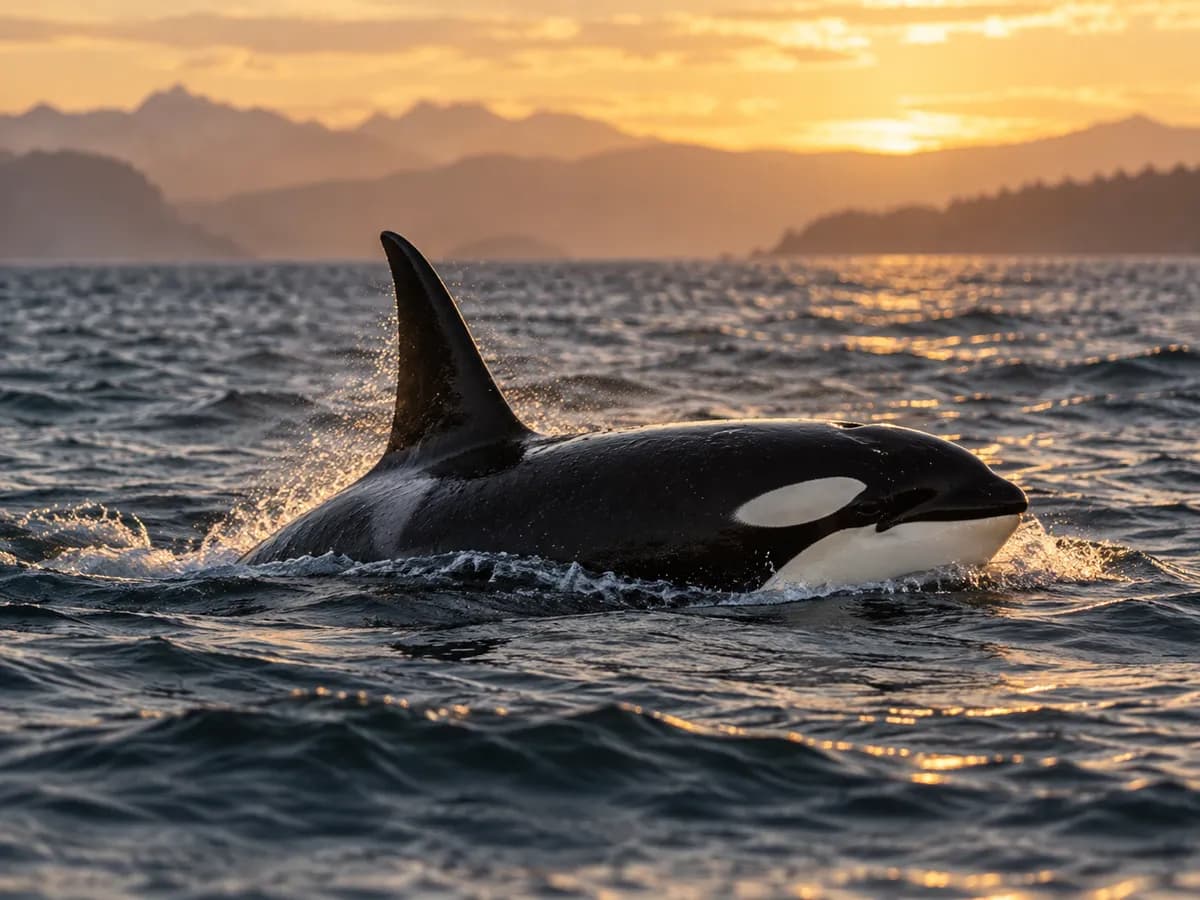
The largest of the dolphins, the orca is one of the ocean's smartest hunters, with its black-and-white look and complex family groups. Different orca communities develop their own hunting techniques and "dialects".
- Length
- 5–9 m
- Weight
- 1.5–6 t
- Lifespan in the wild
- 30–80 years
- Conservation status (IUCN)
- Data deficient (DD)
Figures are approximate for adults and vary by sex, subspecies and population.
At a glance
The key facts about Orcas.
- Where does it live?Orcas are found in all the world's oceans, from polar seas to the tropics, and are most common in cold, productive waters.
- What does it eat?Diet depends on the community.
- Behaviour and social lifeOrcas usually live in family groups led by an older female.
- CalvesPregnancy lasts about 15–18 months and a single calf is born.
In depth
In short
- Despite its nickname, the orca is not a whale but the largest member of the dolphin family.
- It lives in close family groups of mothers and their offspring.
- Different communities specialise in different prey: fish, seals or whales.
- Groups use their own vocal "dialects".
- The IUCN lists it as Data Deficient; some regional populations are threatened.
The orca (Orcinus orca), also known as the "killer whale", is actually the largest member of the dolphin family. It is easy to recognise by its black-and-white pattern and, in males, a dorsal fin that can reach 1.8 metres.
Where does it live?
Orcas are found in all the world's oceans, from polar seas to the tropics, and are most common in cold, productive waters. There are records from the Mediterranean, but they are rare there.
What does it eat?
Diet depends on the community. Some groups eat only certain fish, such as salmon; others hunt seals, sea lions and even the calves of large whales. They use coordinated group hunting strategies; some orcas have been seen making waves to wash seals off ice floes.
Behaviour and social life
Orcas usually live in family groups led by an older female. In some populations, offspring stay in their mother's group for life. Each group has its own calls; these "dialects" are learned from generation to generation.
Calves
Pregnancy lasts about 15–18 months and a single calf is born. Calves stay close to their mothers for years and learn hunting skills from experienced members of the group.
Conservation status
The orca is listed as Data Deficient (DD) on the IUCN Red List because there is not enough information about the status of different populations. Some local populations are at serious risk from accumulated pollutants, declining prey, ship noise and disturbance.
Fun facts
- Female orcas are among the few mammals that live for many years after they stop breeding.
- Orcas sit at the top of the marine food chain.
- Different orca communities rarely mix, even when they live in the same area.
Similar animals
Other animals in the same group.
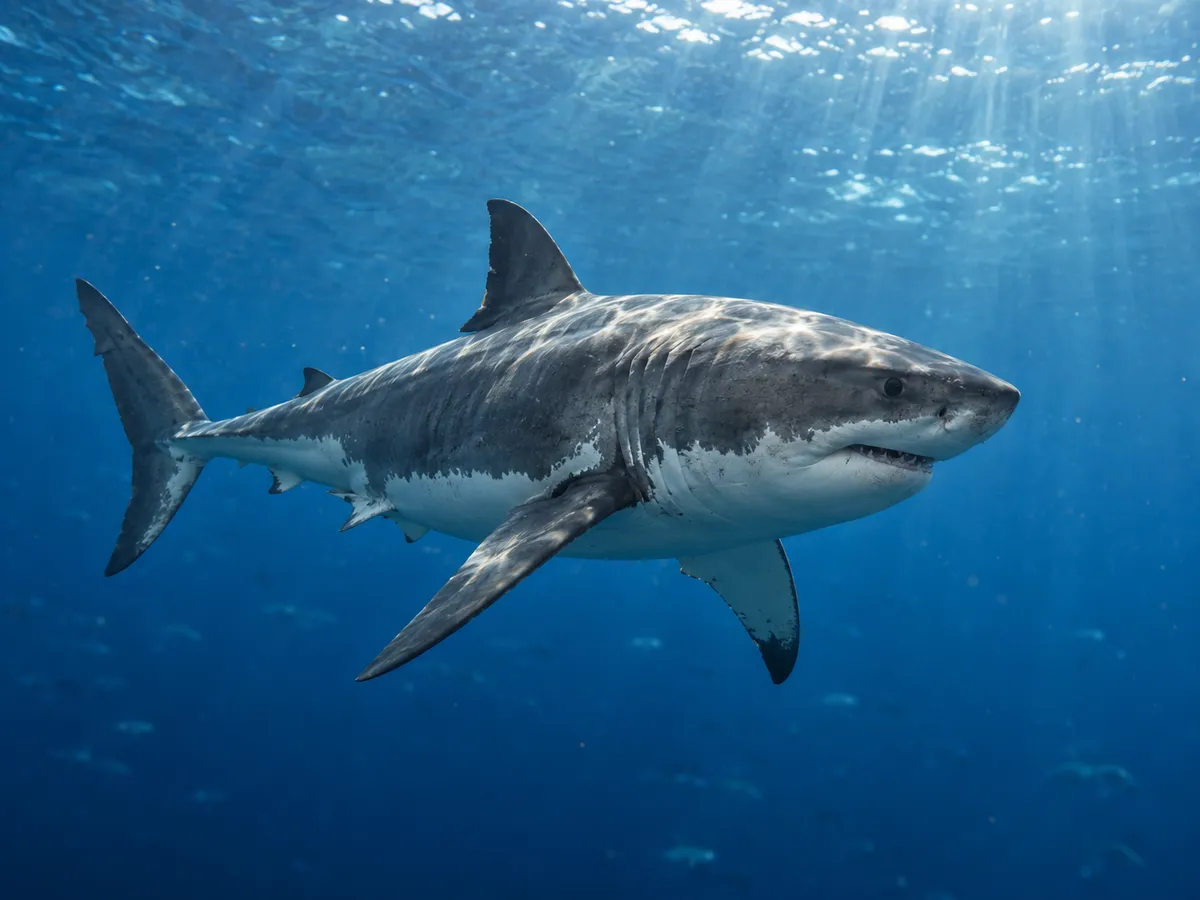 Great white sharkThe ocean's most famous predator, the great white shark is known for its powerful senses and impressive size. Despite its frightening film image, attacks on people are extremely rare.Explore
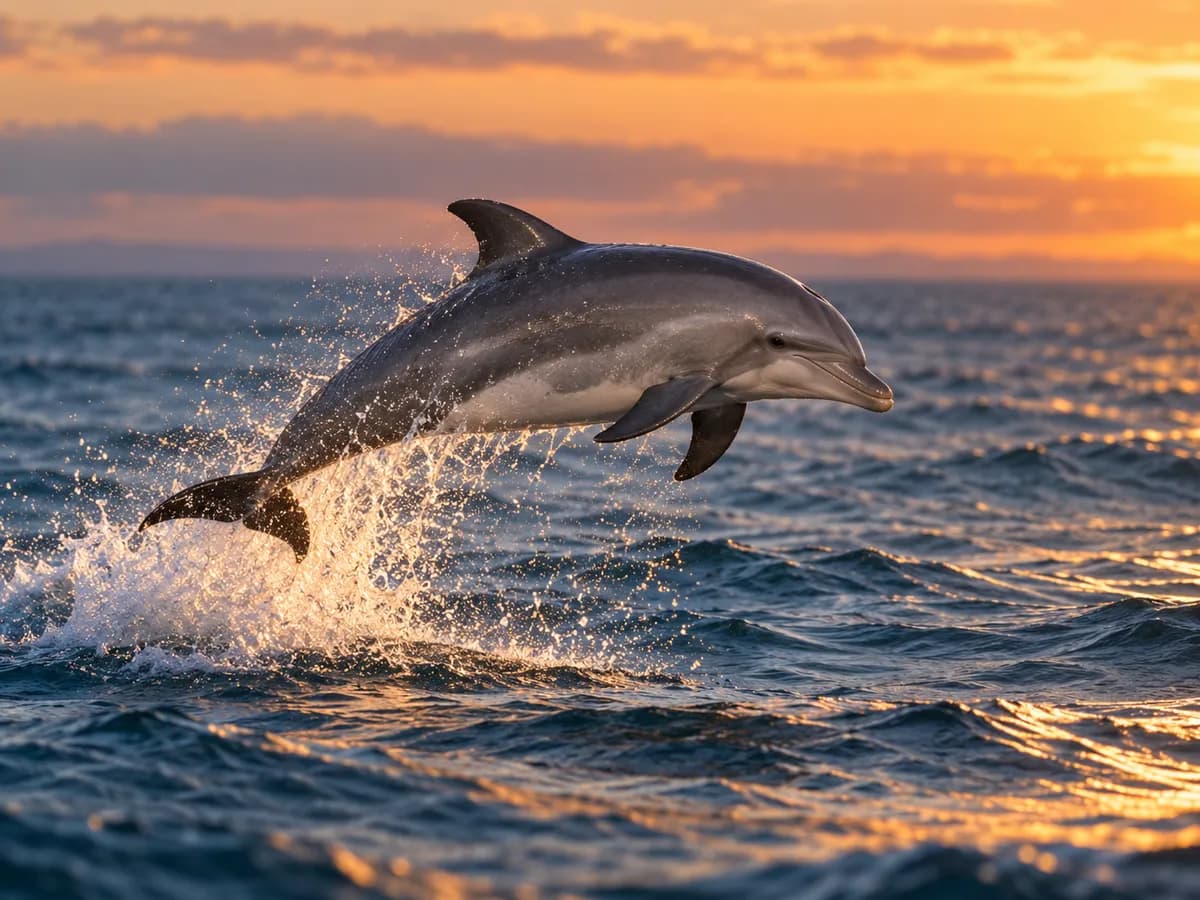 Bottlenose dolphinKnown for its intelligence, playfulness and strong social bonds, the bottlenose dolphin lives in warm and temperate seas around the world. It is one of the most familiar dolphins and can also be seen off Türkiye's coasts.Explore
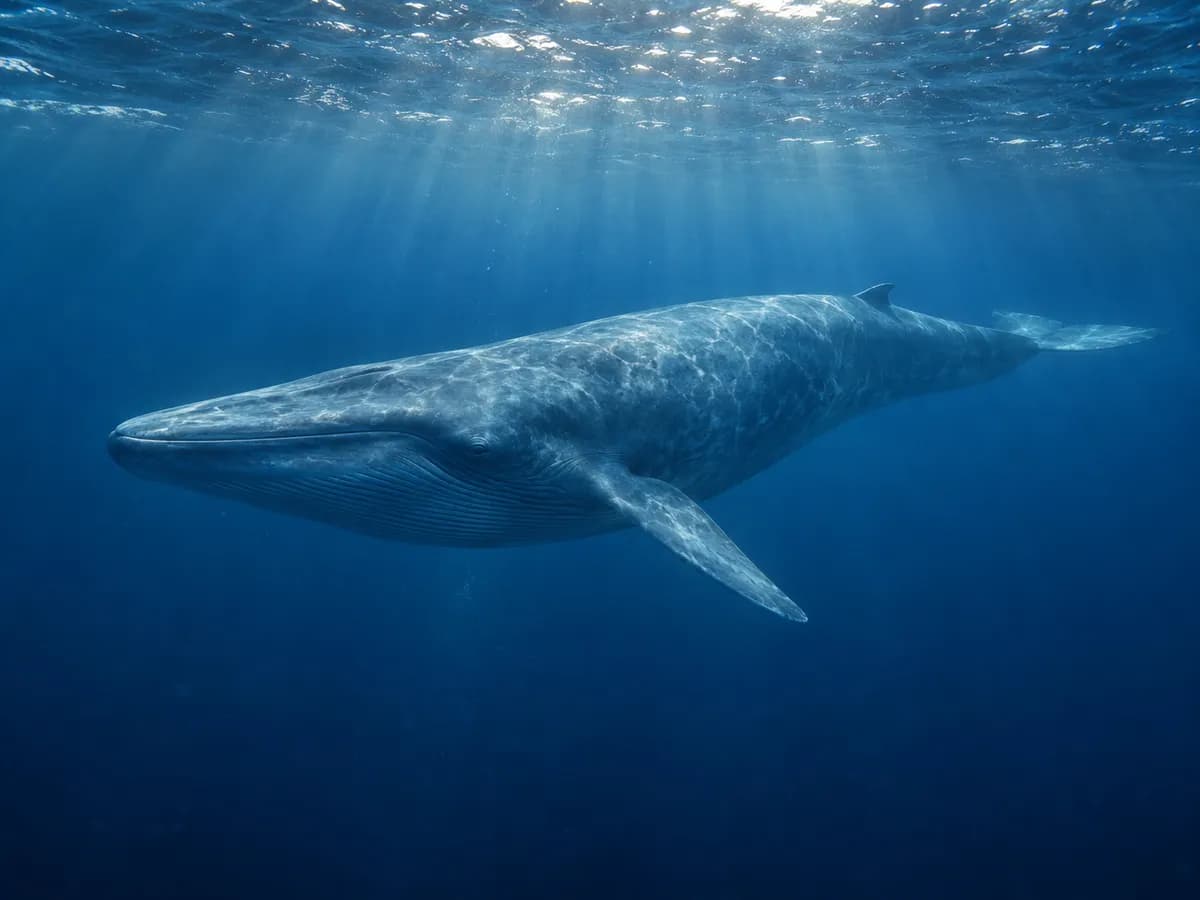 Blue whaleThe largest animal known to have ever lived, the blue whale feeds by filtering tiny krill despite its size. It is still recovering from intensive whaling.Explore
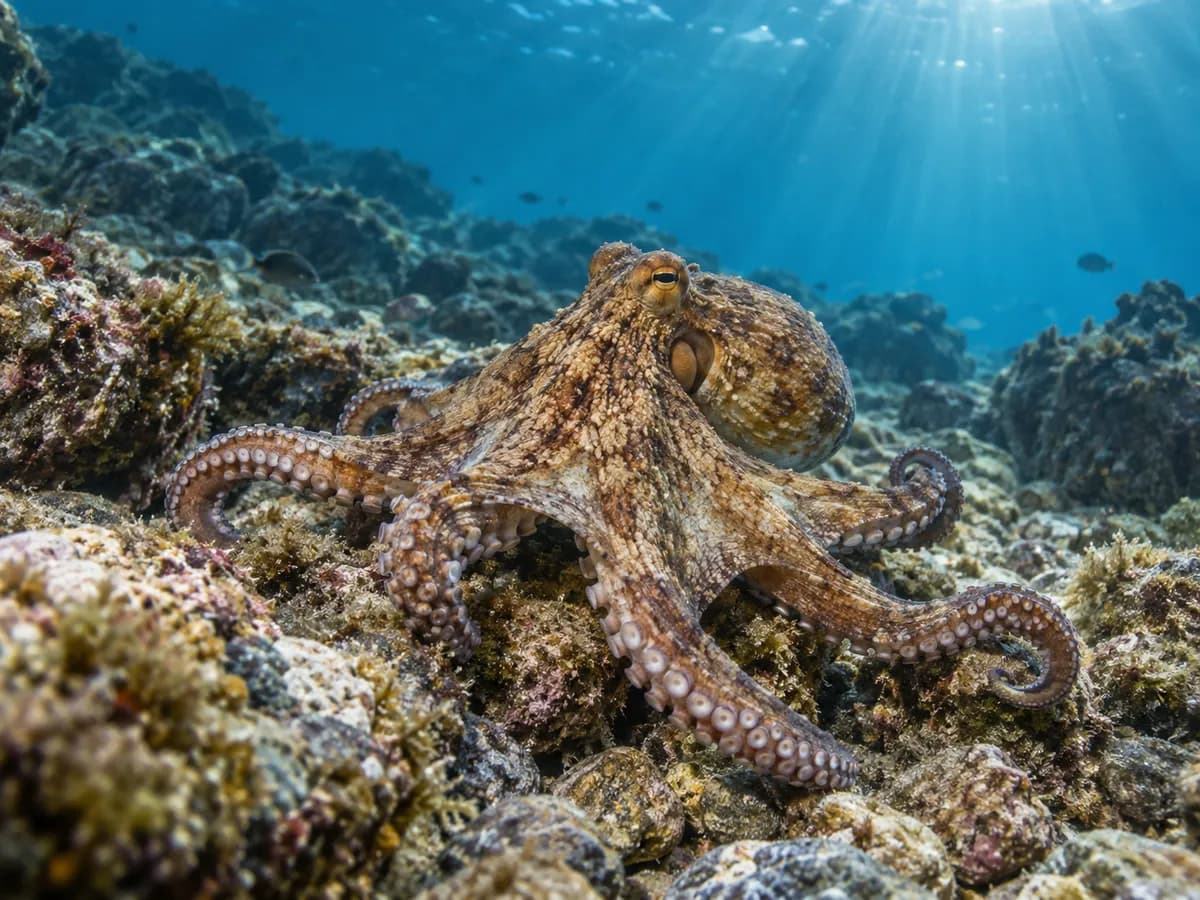 Common octopusWith eight arms, colour-changing skin and a talent for solving problems, the octopus is one of the sea's most surprising animals. The common octopus, which also lives off Türkiye's coasts, lives only a year or two.Explore
Respect for nature, stronger tomorrows
Protecting wildlife is everyone's responsibility.
If you find an injured or young wild animal, don't touch it; inform your local wildlife authority. More knowledge, more awareness.
- Respect natural habitats
- Watch wild animals from afar
- Leave no litter in nature
- Support a sustainable future