

Great white sharks
The ocean's most famous predator, the great white shark is known for its powerful senses and impressive size. Despite its frightening film image, attacks on people are extremely rare.
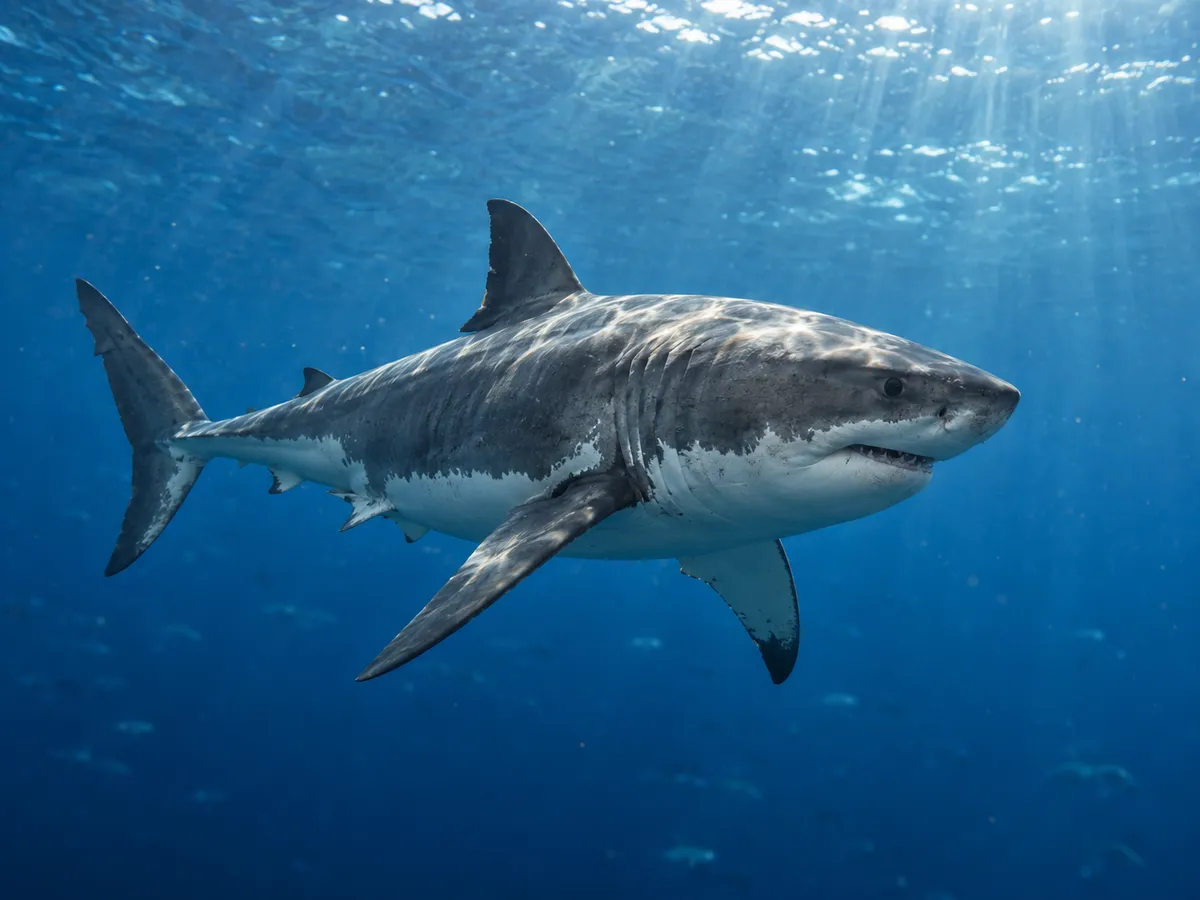
- Length
- 3.4–6.1 m
- Weight
- 0.5–1.9 t
- Lifespan in the wild
- 50–70 years
- Conservation status (IUCN)
- Vulnerable (VU)
Figures are approximate for adults and vary by sex, subspecies and population.
At a glance
The key facts about Great white sharks.
In depth
In short
- The great white is one of the world's largest predatory fish.
- Its main prey are seals, sea lions and large fish.
- Females are larger than males.
- It can migrate thousands of kilometres across oceans.
- The IUCN lists it as Vulnerable; overfishing and bycatch are the biggest threats.
The great white shark (Carcharodon carcharias) is a large shark with a dark grey back and a white belly. This two-tone colouring helps it blend with the dark water when seen from above and with the bright surface when seen from below.
Where does it live?
It is found worldwide in temperate and cool coastal waters. South Africa, Australia, California and Mexico are among the best-known areas. It has also been recorded in the Mediterranean, where it is rare.
What does it eat?
Young great whites mostly eat fish and rays. Adults also hunt marine mammals such as seals and sea lions and may feed on whale carcasses. They usually approach prey from below with a fast rush.
Behaviour and social life
Great whites mostly hunt alone. Satellite tagging has shown that some individuals migrate thousands of kilometres between oceans. A keen sense of smell that detects tiny amounts of blood and special sense organs that feel electric fields in the water help them find prey.
Young
Females do not lay eggs; the pups develop inside the mother and are independent at birth. Great whites mature late and have few young, so their populations recover slowly.
Conservation status
The great white is listed as Vulnerable (VU) on the IUCN Red List. Targeted fishing, entanglement in nets set for other fish (bycatch) and the fin trade are the main threats. It is legally protected in many countries.
Fun facts
- Sharks replace their teeth throughout life; a lost tooth is replaced by a new one.
- Humans are not natural prey; most rare bites are thought to be cases of mistaken identity.
- Some individuals are estimated to live for around 70 years.
Similar animals
Other animals in the same group.
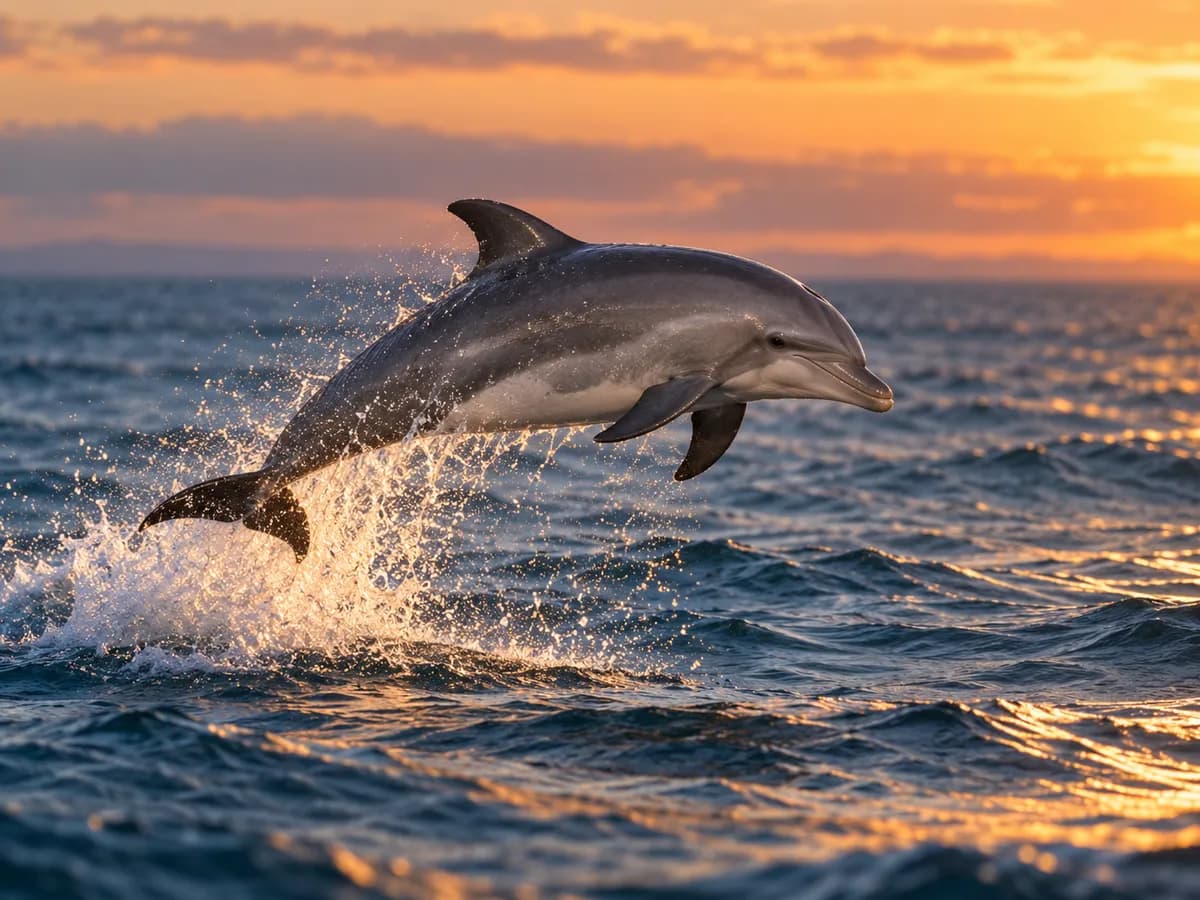 Bottlenose dolphinKnown for its intelligence, playfulness and strong social bonds, the bottlenose dolphin lives in warm and temperate seas around the world. It is one of the most familiar dolphins and can also be seen off Türkiye's coasts.Explore
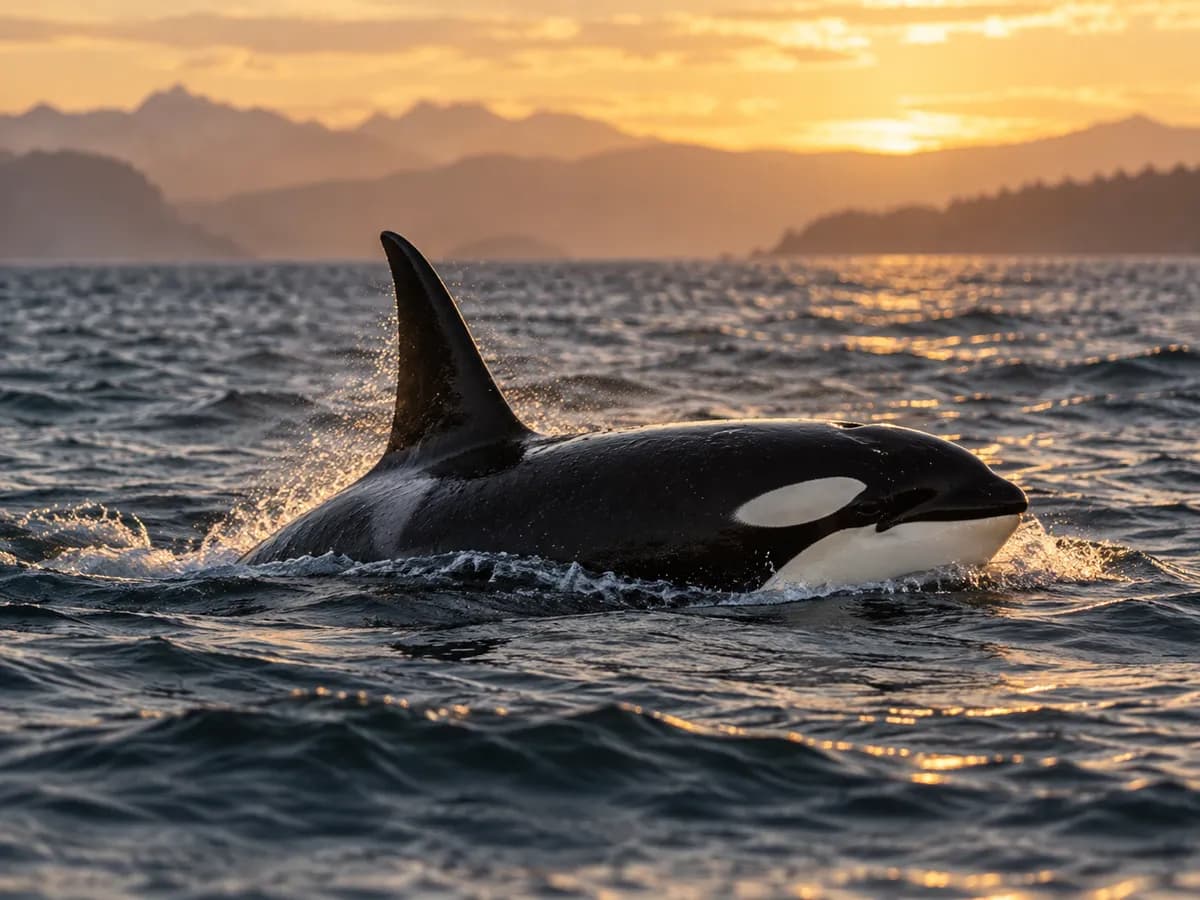 OrcaThe largest of the dolphins, the orca is one of the ocean's smartest hunters, with its black-and-white look and complex family groups. Different orca communities develop their own hunting techniques and "dialects".Explore
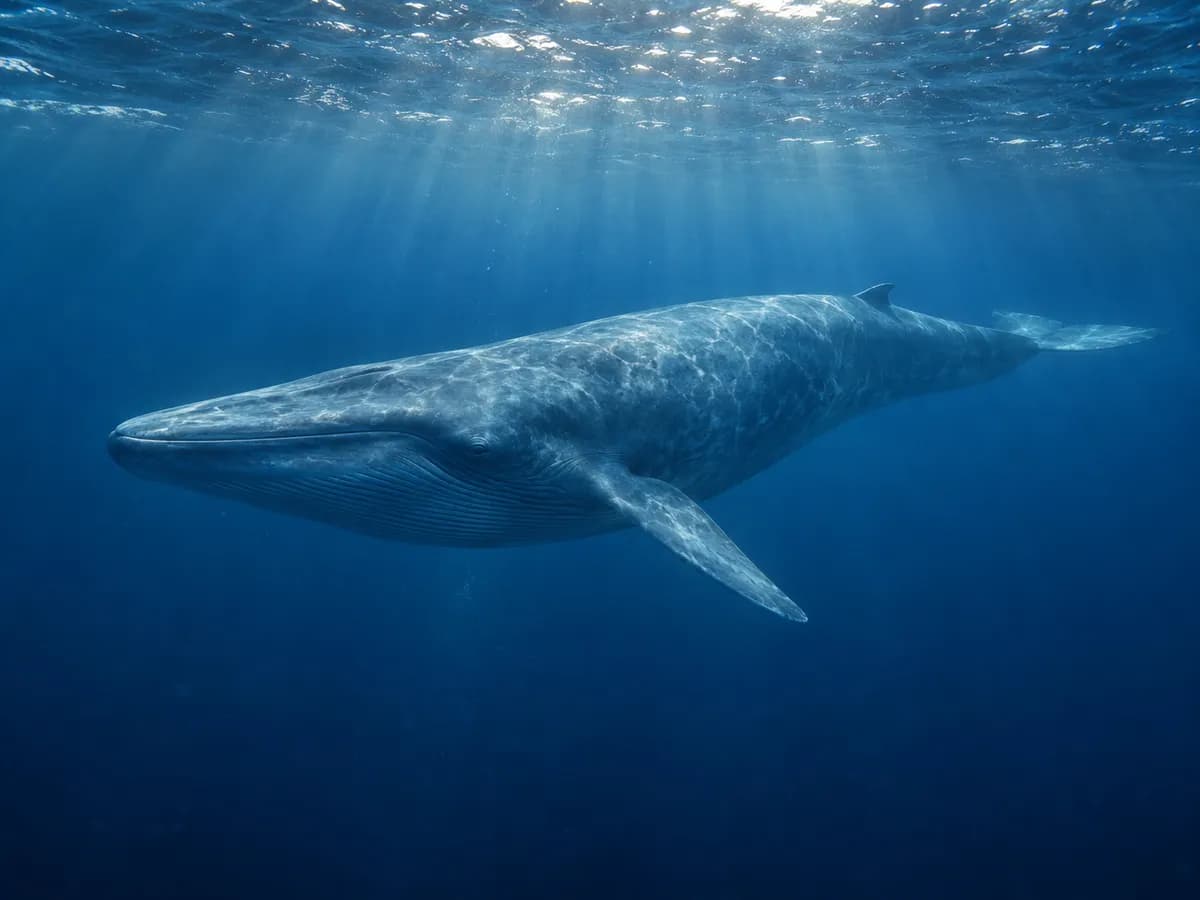 Blue whaleThe largest animal known to have ever lived, the blue whale feeds by filtering tiny krill despite its size. It is still recovering from intensive whaling.Explore
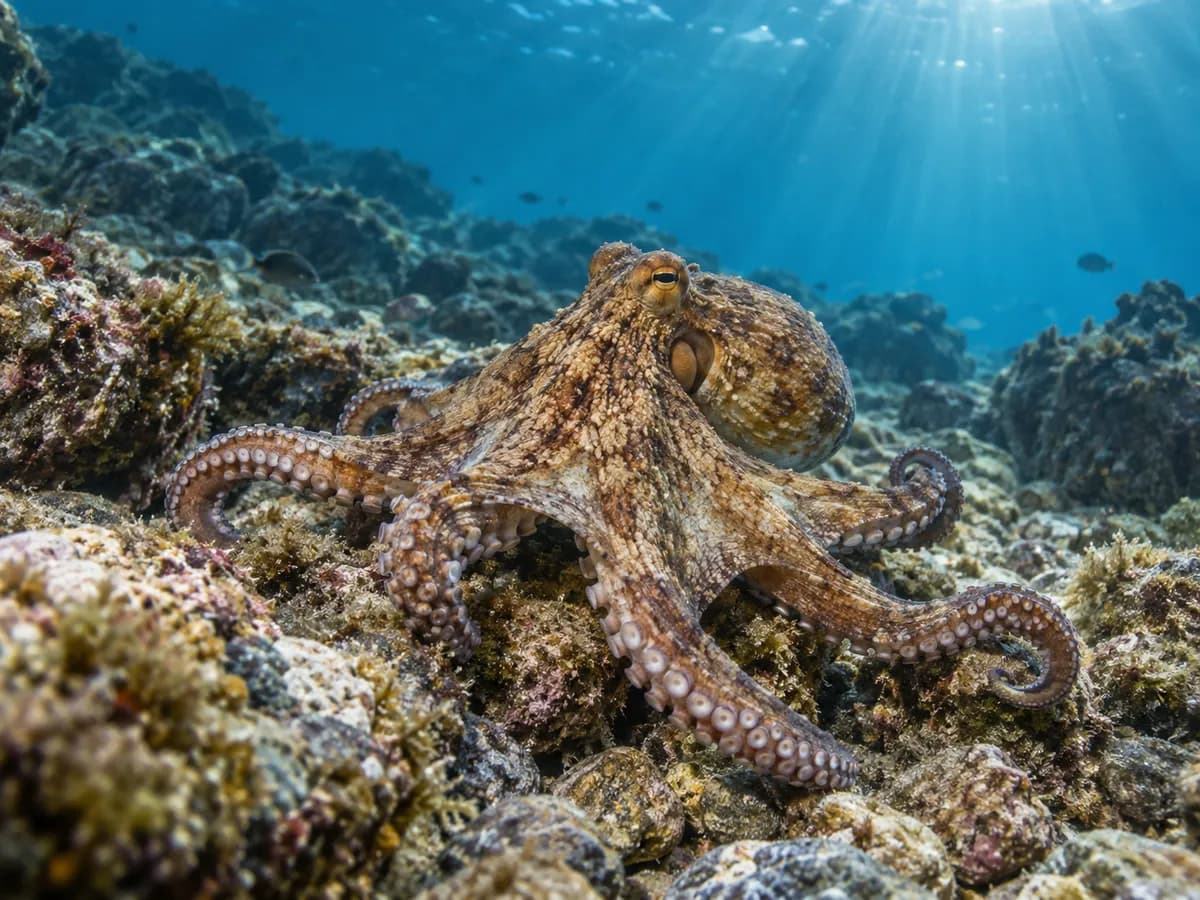 Common octopusWith eight arms, colour-changing skin and a talent for solving problems, the octopus is one of the sea's most surprising animals. The common octopus, which also lives off Türkiye's coasts, lives only a year or two.Explore
Respect for nature, stronger tomorrows
Protecting wildlife is everyone's responsibility.
If you find an injured or young wild animal, don't touch it; inform your local wildlife authority. More knowledge, more awareness.
- Respect natural habitats
- Watch wild animals from afar
- Leave no litter in nature
- Support a sustainable future